
Work From Home Lifestyle: 20+ Habits That Make Your Home Office Actually Work in 2026
Discover 20+ real work from home lifestyle habits that boost focus, reduce clutter, and help you build a productive home office in 2026.

If you've been working from home for a while, you already know the truth: a work from home lifestyle is completely different from what it looks like in a stock photo. There's no perfectly pressed blazer, no perpetually clean backdrop, and definitely no magical focus that kicks in the moment you open your laptop. Real remote work is messier, more nuanced, and honestly more demanding than most people expect. But here's the good news: with the right habits, routines, and a home office setup that actually supports how you think and work, the work from home lifestyle can be genuinely wonderful. In this guide, I'm sharing 20+ practical, honest habits that have made all the difference for remote workers in 2026, covering everything from morning routines and desk organization to digital boundaries and lifestyle rhythms that keep burnout at bay.
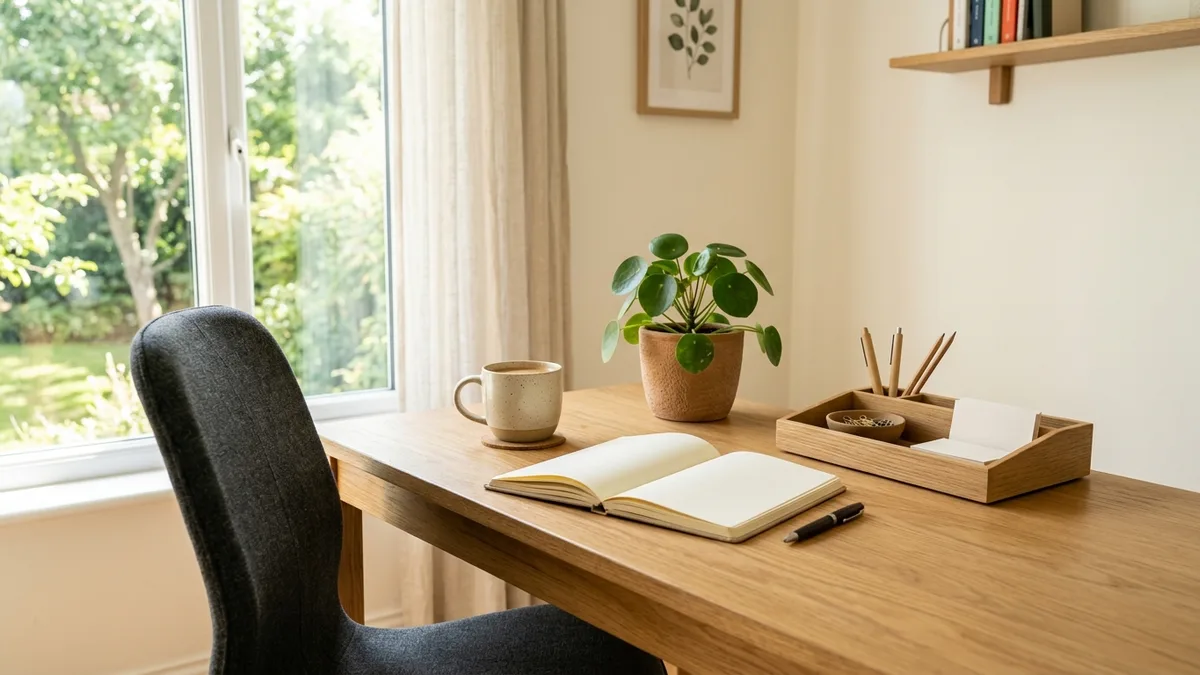
Why the Work From Home Lifestyle Demands Intentional Habits
The office building did a lot of invisible work for you. It signaled to your brain when to be "on" and when to switch off. It separated your work self from your home self. It forced you to move your body, get dressed, and interact with other humans. When you remove that structure, you have to rebuild it deliberately, and that's exactly what the most successful remote workers do in 2026.
According to Gallup's ongoing research on remote work, employees who work remotely full-time tend to experience higher engagement when they have clear routines and dedicated workspaces, compared to those who improvise their setup day to day. The data is clear: intentional structure is not optional when you're working from home. It's the foundation everything else is built on.
The habits below aren't arbitrary productivity hacks. Each one addresses a specific challenge that remote workers face, from the blurring of work and personal time to the physical toll of a poorly organized workspace. Pick the ones that resonate, layer them in gradually, and watch your days transform.
20+ Work From Home Lifestyle Habits That Actually Work
1. Start Your Day With a Commute Ritual
Even if your commute is a 30-foot walk from your bedroom to your office, make it a ritual. Put on real clothes, brew your coffee, take a short walk around the block, or do five minutes of stretching before you sit down to work. This mental transition signals to your brain that work mode has begun. I personally walk to the end of my street and back every morning. It sounds silly, but it genuinely works.
2. Define Your Working Hours and Guard Them
One of the biggest traps of the work from home lifestyle is the feeling that you should always be available. Set clear start and end times, communicate them to your team, and stick to them. When 5 p.m. hits, close the laptop. Physically closing it matters more than you'd think.
3. Build a Morning Planning Block Into Every Day
Before diving into emails or Slack, spend 10 to 15 minutes planning your day on paper. Write down your three most important tasks, block time for deep work, and check your calendar for conflicts. A simple paper planner or a small notebook works perfectly for this. This habit alone can reclaim hours of wasted effort each week.

4. Protect Your Deep Work Hours
Identify the two to three hours of your day when your brain is sharpest, for most people that's mid-morning, and block them aggressively. Turn off notifications, close extra browser tabs, and let your team know you're heads-down. According to Harvard Business Review, knowledge workers who protect focused work blocks report significantly higher output and lower stress than those who work reactively throughout the day.
5. Use a Physical Inbox and Outbox System
Paper doesn't disappear on its own. Create a small inbox tray on your desk for documents that need attention, and an outbox for things that are done or need to be filed. Clear the outbox daily. This simple two-tray system keeps your desk surface from becoming a paper avalanche, and it's one of the easiest desk organization habits you can adopt right now.
6. Take Real Breaks, Not Scroll Breaks
Scrolling social media between tasks does not rest your brain. Real breaks involve standing up, moving your body, looking out a window, or making a cup of tea. Aim for a five-minute break every 60 to 90 minutes, and a proper 20-minute break at midday. Your focus will be sharper, and your body will thank you.
7. Dress the Part, At Least From the Waist Up
You don't have to wear a full business suit at home. But staying in pajamas all day genuinely does affect how you feel about your work. Finding a comfortable middle ground, like a clean t-shirt and real pants, signals to your brain that today is a working day. It's a small shift with a surprisingly large psychological payoff.
8. Keep Your Desk Surface Clear Before You Start
Clutter competes for your attention. A messy desk isn't just visually chaotic. It actively drains cognitive resources. Before you start each workday, take two minutes to clear your desk surface down to only the essentials: your laptop or monitor, a notebook, a pen, and your coffee. Everything else goes in a drawer or organizer. For a deeper look at this habit, check out these home office desk organization tips.
Creating a Work From Home Workspace That Supports Your Lifestyle
Your physical environment shapes your habits more than willpower ever will. Here's how to set up a workspace that makes good habits easy and bad habits hard.
9. Invest in a Dedicated Work Zone, No Matter How Small
Even in a studio apartment, you can carve out a designated work corner. What matters is that your brain associates that specific spot with focused work. A home office organizer setup doesn't need a whole room. A well-organized desk in the corner of your living room works perfectly if it's set up intentionally.
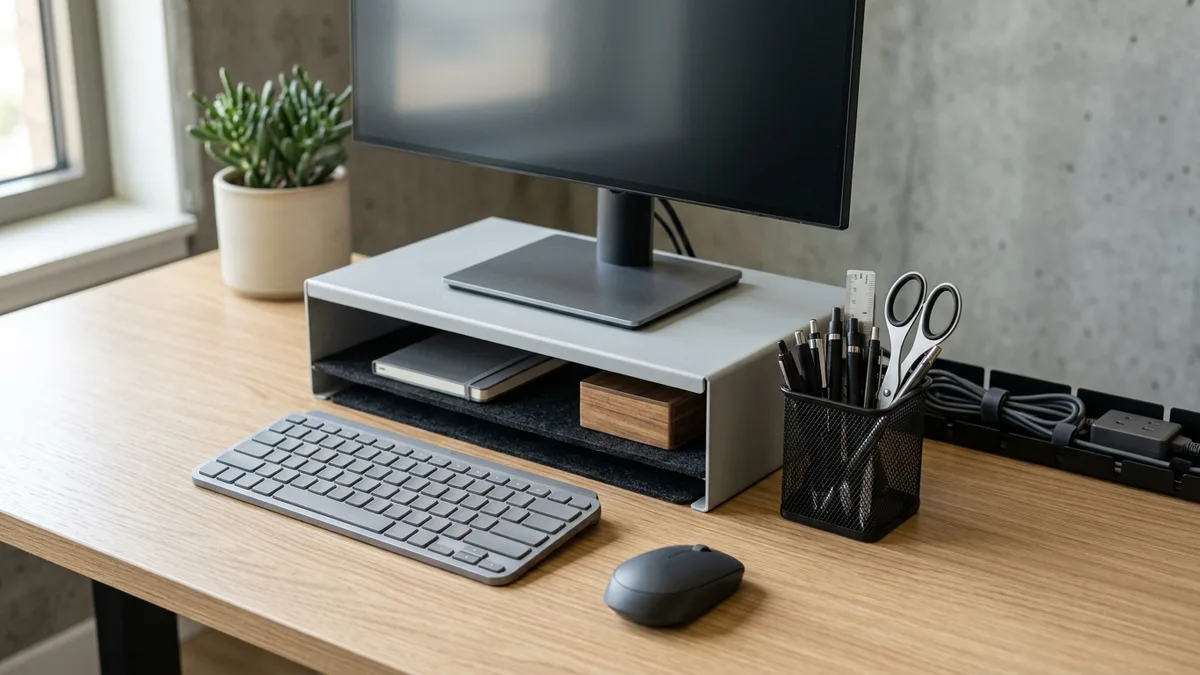
10. Solve Your Cable Situation Once and For All
Tangled cables are one of the most common sources of low-level desk stress. A cable management box or a clip-on cable raceway keeps cords routed, out of sight, and out of mind. This is one of those changes that costs under US$20 and pays dividends in mental clarity every single day.
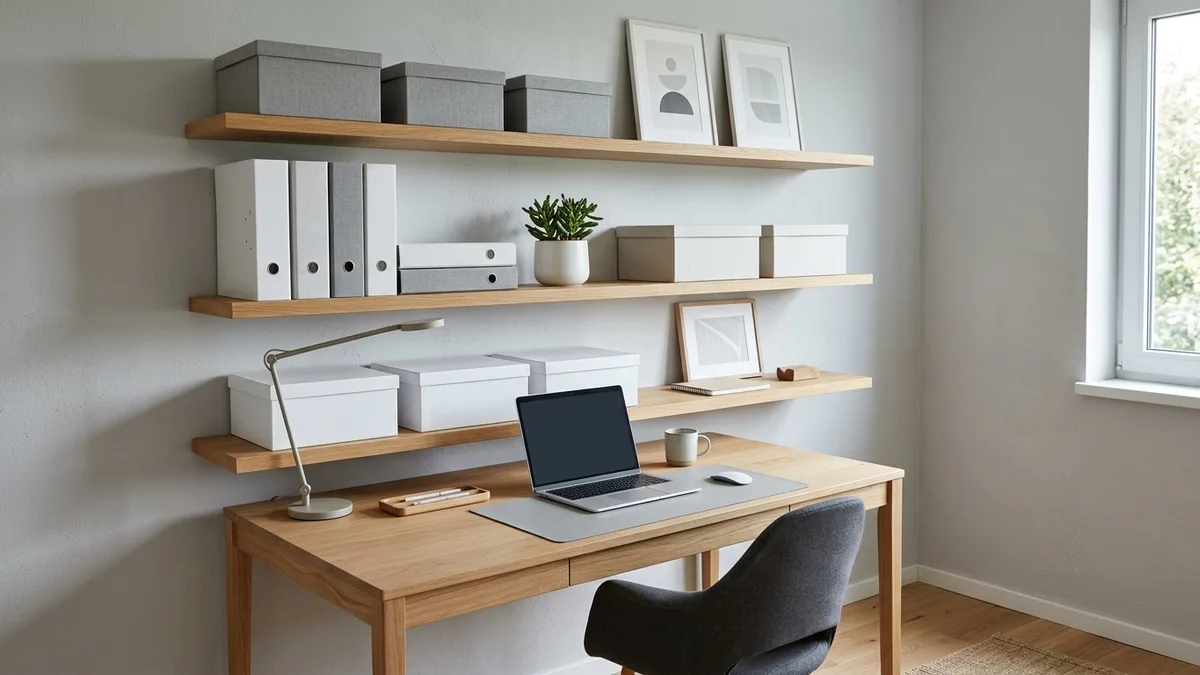
11. Use Vertical Space to Keep Your Desk Clear
Wall-mounted shelves above your desk can hold everything from books and binders to a small plant and a few storage boxes, freeing your desk surface for actual work. Floating shelves in a home office are one of the best investments you can make in your workspace. Browse the Sesoris shop for desk organizers, shelving accessories, and storage boxes that work in home office settings.
12. Label Everything in Your Storage System
Whether you use drawer organizers, desktop trays, or wall shelves, labeling each zone eliminates decision fatigue. When you know exactly where everything lives, you stop wasting mental energy tracking things down. A label maker or even hand-written labels on small bins makes a real difference. Label organizer systems are a simple upgrade with a high return.
13. Add One Living Element to Your Workspace
A small plant on your desk or a vase with fresh flowers does more than look nice. Research cited by The Spruce suggests that having natural elements in your work environment can reduce stress and improve concentration. A low-maintenance succulent or a pothos cutting in a small pot is all you need.
14. Optimize for Ergonomics, Not Just Aesthetics
A beautiful desk setup that leaves your neck aching by noon isn't serving you. Make sure your monitor is at eye level (a monitor riser works perfectly for this), your keyboard allows your wrists to stay flat, and your chair supports your lower back. Ergonomics is a lifestyle investment, not a luxury.
Work From Home Lifestyle Boundaries and Mental Health Habits
The work from home lifestyle has a way of blurring every line that used to feel solid. Work bleeds into evenings. Evenings bleed into late-night email checking. Weekends stop feeling like weekends. These habits help you draw real, lasting lines.
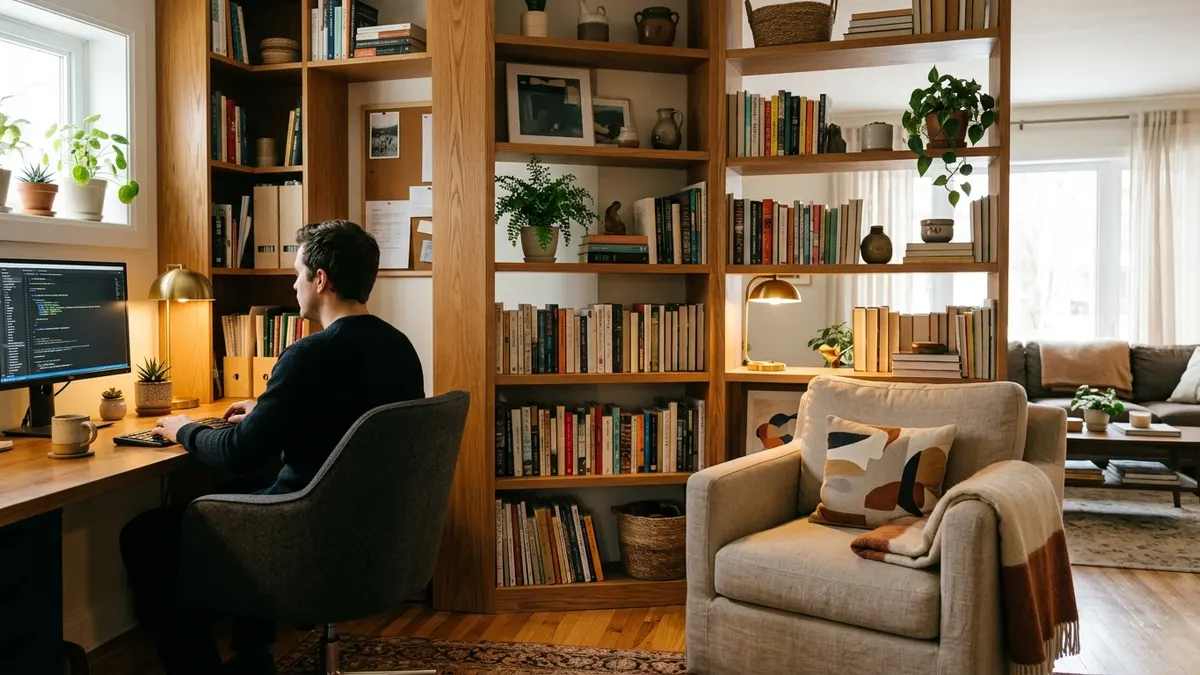
15. Create a Physical Boundary Between Work and Living Spaces
If your desk is in your living room or bedroom, a bookshelf, room divider, or even a simple area rug can signal "this is the work zone." When you physically step out of that zone, work is over. This spatial boundary is more powerful than any app or timer for helping your brain switch off.
16. Build a Shutdown Ritual
Just as a commute ritual starts your day, a shutdown ritual ends it. This could be as simple as writing tomorrow's top three tasks, closing all browser tabs, putting your notebook in your desk drawer, and saying out loud "I'm done for today." It sounds theatrical, but it works. It tells your nervous system that the workday is complete.
17. Schedule Social Interaction Deliberately
One of the most underrated challenges of the work from home lifestyle is loneliness. Without the casual social contact of an office, remote workers can feel isolated quickly. Schedule a virtual coffee chat with a colleague once a week, make plans with friends on weekday evenings, or work from a coffee shop one afternoon a week. Human connection doesn't just happen anymore. You have to plan it.
18. Move Your Body at Least Once Before Lunch
It doesn't have to be a gym session. A 10-minute walk, a quick yoga flow on a mat in your living room, or even a set of stretches in your hallway breaks the sedentary cycle that remote work creates. Movement mid-morning also resets your focus for the second half of your morning work block.
19. Keep Work Communications Off Your Personal Devices
If your work email and Slack are on your personal phone, you will check them after hours. It's not a character flaw. It's just how smartphones work. Consider keeping work apps on a separate device, or at the very minimum, removing them from your phone's home screen and turning off push notifications after your work hours end. According to Real Simple, managing digital boundaries is one of the top strategies recommended by productivity researchers for remote workers.
20. Do a Weekly Desk Reset
Every Friday afternoon, or Sunday evening, spend 10 minutes resetting your workspace. File loose papers, wipe down your desk surface, restock your supplies, and review your calendar for the coming week. This weekly reset habit, similar to a Sunday reset routine, means you never start a Monday staring at last week's chaos.
Organizing Your Home Office Storage the Right Way
No amount of good habits will compensate for a workspace that lacks adequate storage. Here's how to think about storage in a home office context.
21. Use the Three-Zone Storage Rule
Zone one is your immediate workspace: only what you use daily stays on your desk surface. Zone two is within arm's reach: items you use several times a week go in desk drawers or a desktop organizer caddy. Zone three is everything else: reference materials, archived files, and rarely used supplies live on shelves or in labeled storage boxes further away. This three-zone approach is a cornerstone of professional home and office organization.
22. Invest in Modular Storage That Grows With You
Your needs will change. A modular shelving system or stackable storage boxes mean you can reconfigure your setup as your work evolves without buying entirely new furniture. Look for new arrivals at Sesoris for versatile storage solutions that work in compact home office setups.
"The secret to a productive home office isn't a bigger desk. It's smarter storage that puts everything in its place so your brain can focus on what matters."
23. Go Vertical When Floor Space Is Limited
In a small home office, floor space is precious. Wall-mounted shelves, pegboards, and over-desk organizers let you store supplies, books, and equipment without eating into your square footage. A pegboard above your desk is particularly versatile, you can hang everything from headphones and scissors to small baskets and cable organizers. Explore the Sesoris collections for storage solutions designed for exactly this kind of compact workspace.
Related Products from Sesoris
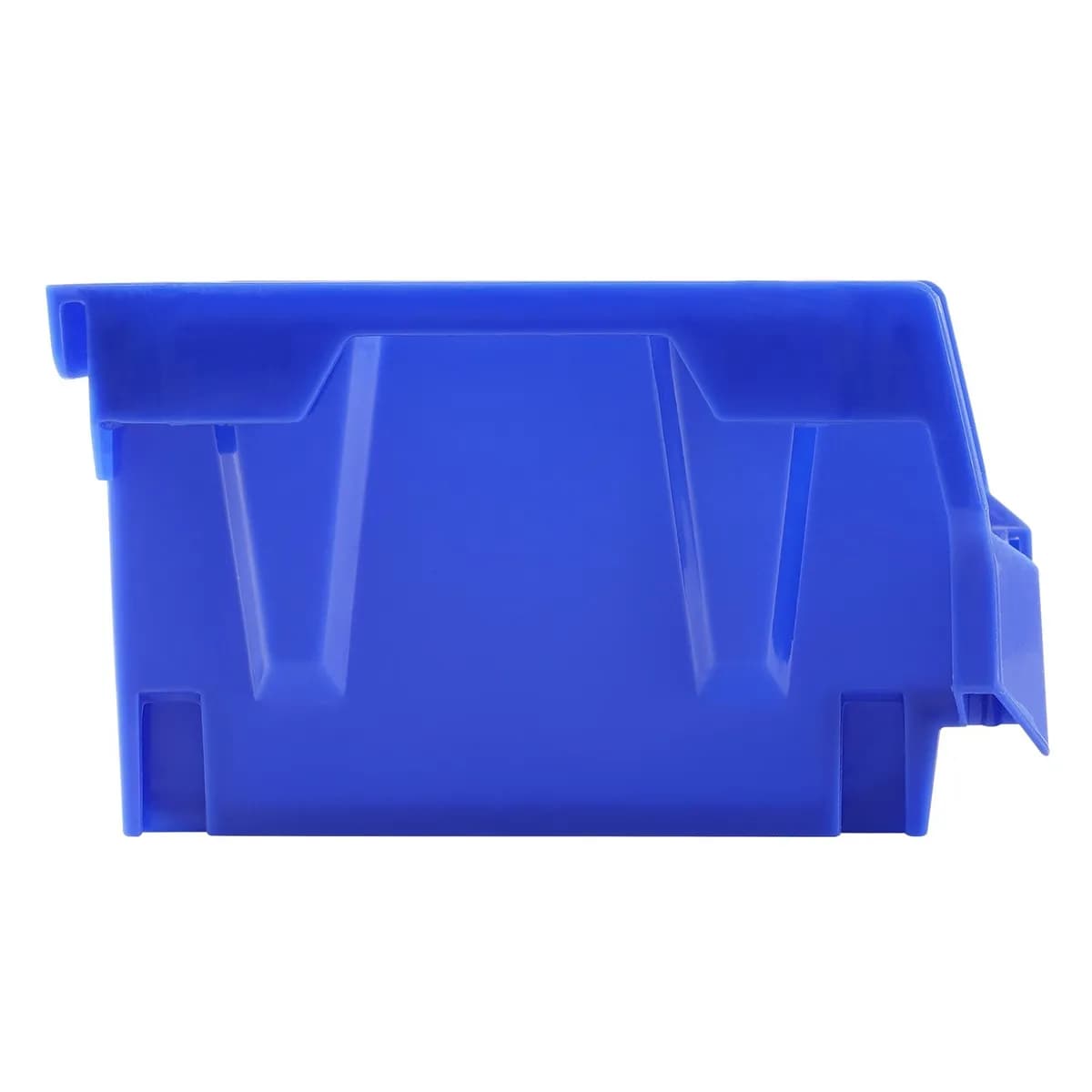
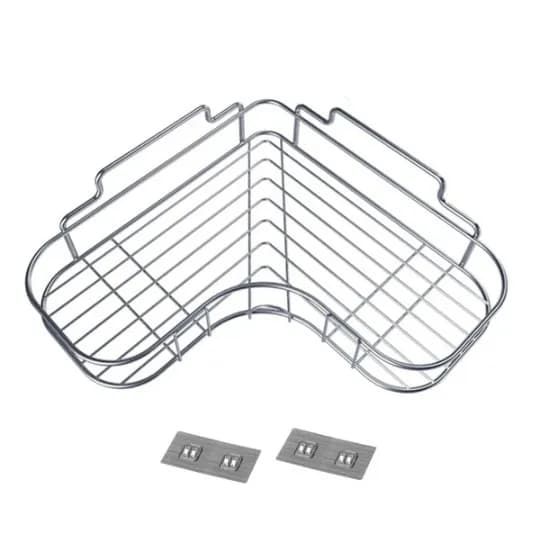
If you want to turn this guide into a real setup, start with Stackable Storage Bins, 24 Pack and Slide-Out Cabinet Drawer, Black Steel. For broader options, browse the Home & Decor collection so the article journey does not stop at reading only.
Our practical rule: choose one product that solves the main clutter problem first, then add supporting organizers only when the daily workflow is already clear. This keeps the shopping path useful, not pushy.
FAQ: Work From Home Lifestyle Questions Answered
Q: How do I stay motivated working from home when I'm feeling isolated or low-energy?
Motivation tends to follow action, not the other way around. Instead of waiting to feel motivated, build small rituals that create momentum: a morning routine, a defined start time, and a clear first task. Social connection also plays a huge role. Schedule a video call with a colleague or friend mid-week. Physical movement, even a short walk, resets your mood and energy more reliably than any productivity app.
Q: What's the most important thing I can do to improve my home office setup in 2026?
If you can only do one thing, clear your desk surface and keep only essential items on it. A clutter-free desk reduces cognitive load immediately. The second most impactful change is to solve your cable situation. Both of these are low-cost, high-reward changes you can make today.
Q: How do I stop working late when my office is in my home?
Create a physical and digital shutdown ritual. At your designated end time, close all work apps, write tomorrow's task list, and physically leave your workspace. If your desk is in your living room, turn your chair away from it. Remove email and Slack from your phone's home screen. These friction-adding steps make it just inconvenient enough to continue working that your brain accepts the signal to stop.
Q: Is it worth spending money on home office organization products?
Absolutely, within reason. You don't need to spend hundreds of dollars to transform your workspace. A few well-chosen items, a desk organizer tray, a cable management solution, a monitor riser, and some labeled storage boxes, can change how your workspace feels and functions dramatically. Check out the Sesoris best sellers for affordable, practical home office organization products that real people use every day.
Q: Can good organization really affect my work from home productivity?
Yes, and the evidence is solid. Cluttered environments increase cortisol levels, the stress hormone, and make it harder to focus. A Good Housekeeping guide on home organization notes that a tidy workspace reduces mental fatigue and helps workers shift into focused states more quickly. Physical order supports mental order. It's not decoration. It's function.
Conclusion: Build a Work From Home Lifestyle That Lasts
The work from home lifestyle in 2026 isn't a temporary arrangement or a pandemic-era workaround. For millions of Americans, it's simply how work happens now. And that means it deserves real attention, real structure, and a real investment in making it sustainable. The habits in this guide aren't about perfection. They're about building a rhythm that supports your productivity, your health, and your happiness over the long haul. Start with two or three that resonate most, practice them until they feel automatic, then layer in more. And when it comes to the physical side of your workspace, the desk setup, the storage, the organization systems, Sesoris has everything you need to make your home office a place you actually love working in. Live more organized, and let your space work for you.
Liked this guide?
Get new organizing guides and the occasional new product by email. No spam, unsubscribe anytime.
Related articles

Explore more articles
- 30+ Best Open Shelving Kitchen Ideas to Transform Your Cooking Space in 2026
- 25+ Best Yarn Storage Ideas to Keep Your Craft Room Organized in 2026
- Organizing Children's Closet: The Complete 2026 Guide to a Tidy, Kid-Friendly Wardrobe
- Newborn Closet Organization: The Complete 2026 Guide to a Perfect Baby Storage Space
- 30+ Best Playroom Storage Ideas to Create a Fun, Tidy Kids' Space in 2026
- 30+ Best Jewelry Storage Ideas to Keep Your Collection Organized in 2026
- Pantry Organization Bins: The Complete 2026 Guide to a Clutter-Free Kitchen
- 30+ Best Bathroom Cabinet Ideas to Maximize Every Inch of Your Space in 2026