
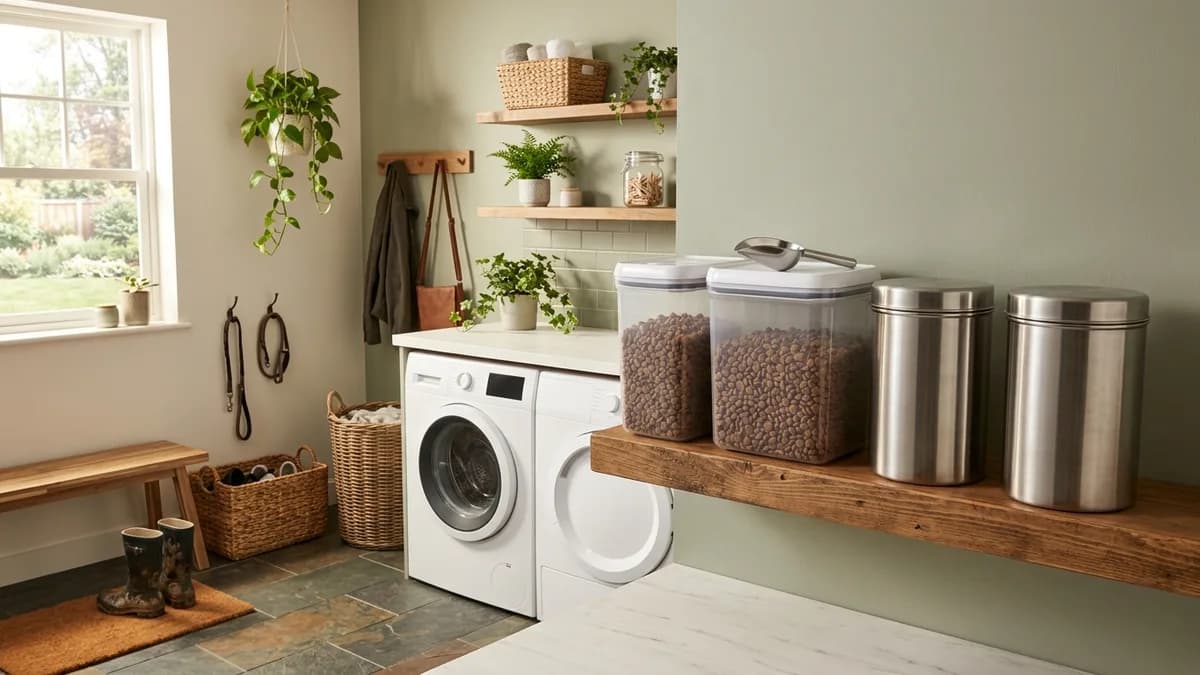
Storage Containers for Dog Food: Complete 2026 Guide to Keeping Your Pet's Kibble Fresh
If you share your home with a dog, you already know the struggle: a half-open bag of kibble sitting on the floor, going stale, attracting pests, or getting moisture inside. The solution is simpler than you might think. Investing in the right storage containers for dog food can protect your pet's nutrition, eliminate odors, and keep your home looking organized. In 2026, the market offers more options than ever, from airtight plastic bins to sleek stainless steel canisters. This review-style guide walks you through everything you need to know to pick the perfect container for your pup, your pantry, and your lifestyle.
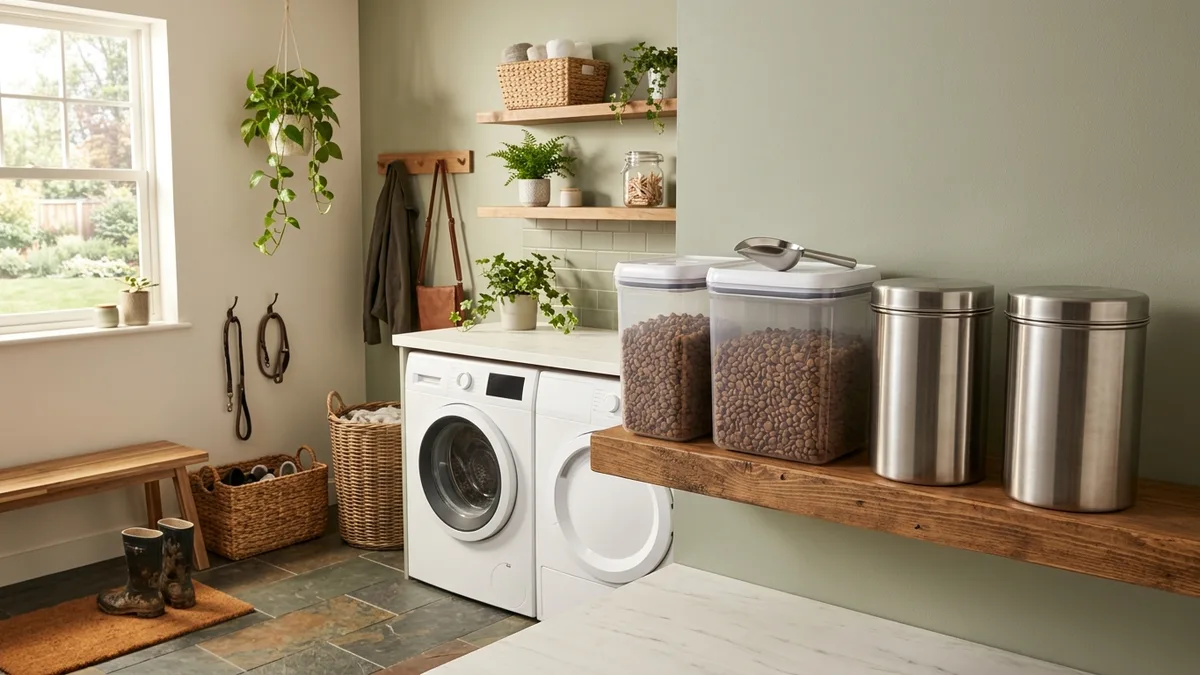
Why Storage Containers for Dog Food Actually Matter
It is easy to overlook pet food storage as a minor detail, but it has a real impact on your dog's health and your household. Dry kibble contains fats and oils that oxidize when exposed to air. According to The Spruce Pets, improper storage can cause fats in kibble to go rancid faster, reducing nutritional quality and making food less appealing to your dog. Beyond freshness, there are several other compelling reasons to upgrade your setup:
- Pest prevention: Open bags invite ants, cockroaches, and even rodents into your kitchen or garage.
- Moisture control: Humidity causes kibble to clump, mold, and spoil much faster than most pet owners realize.
- Odor containment: A properly sealed container traps pet food smells that can otherwise permeate your pantry or utility room.
- Portion consistency: A dedicated scoop stored with the container makes it easy to measure accurate daily servings.
- Home aesthetics: A tidy container on a shelf or in a mudroom looks far more intentional than a crinkled bag propped against the wall.
Choosing the right container is a straightforward investment that pays off in fresher food, a healthier dog, and a more organized home. Let's dig into what to look for.
Key Features to Look For in Dog Food Storage Containers
Not all containers are built equal. Here is a breakdown of the most important features to evaluate before you buy:
Airtight Seal
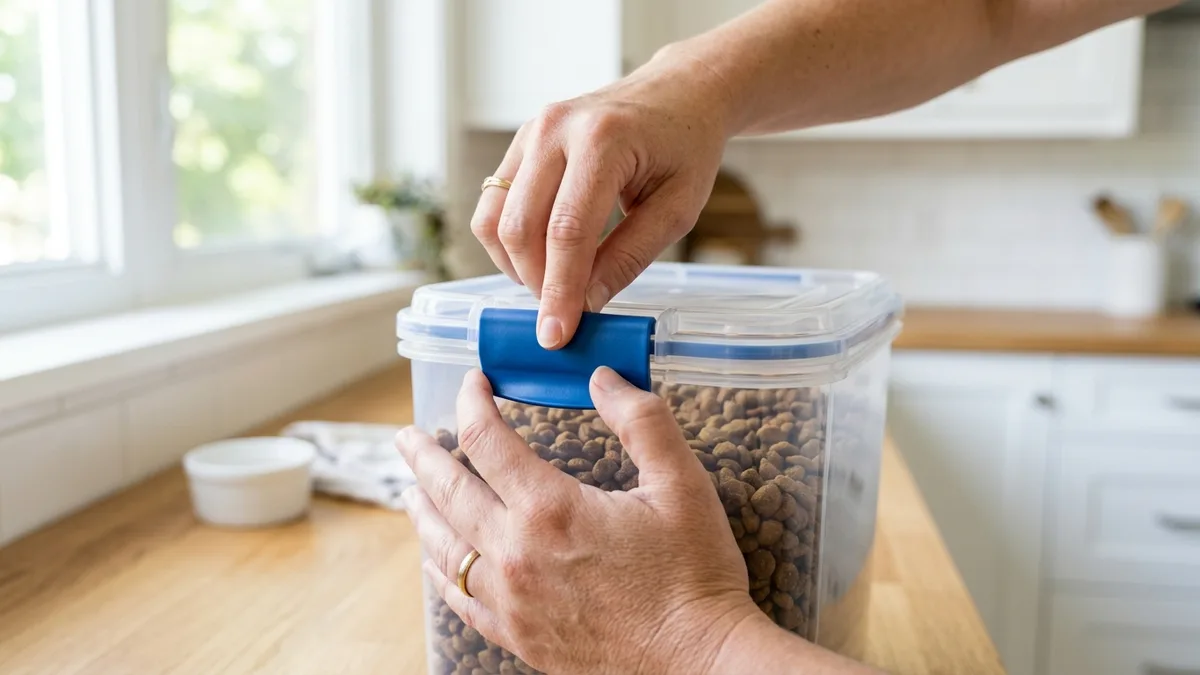
This is the single most critical feature. A genuine airtight seal, typically achieved with a rubber or silicone gasket around the lid, blocks oxygen and moisture from reaching the kibble. Look for lids that lock down with clamps or twist-and-lock mechanisms rather than simple friction-fit tops, which often let air sneak in over time.
Material Type
The three most common materials for dog food storage containers are plastic, stainless steel, and glass. Each has trade-offs:
- BPA-free plastic: Lightweight, affordable, widely available in large capacities. Ideal for high-volume households with big dogs. Look for food-grade, BPA-free labels to avoid chemical leaching.
- Stainless steel: Durable, rust-resistant, and odor-neutral. Great for long-term use and does not absorb smells the way plastic can over time.
- Glass: The most inert and easiest to clean, but heavy and breakable. Better suited for smaller dog breeds with lower food volumes.
Capacity
Dog food container size is measured in pounds or quarts. A general guideline:
- Small dogs (under 25 lbs) typically go through 10 to 15 pounds of kibble per month. A 10 to 15 quart container is usually sufficient.
- Medium dogs (25 to 60 lbs) may need a 30 to 40 pound capacity bin.
- Large and giant breeds can go through 30 to 50 pounds of kibble each month, requiring a 50 pound or larger container, often with wheels for easy movement.
Pro tip: Store only a 2-week supply of kibble at a time, even if your container holds more. Fats in dry dog food can still degrade over time even in an airtight container, so smaller batches mean fresher food.
Ease of Cleaning
Pet food containers need to be washed regularly. Look for wide-mouth openings that allow your hand or a sponge to reach the bottom. Dishwasher-safe lids are a bonus. You should wash your dog food container every time you open a new bag to prevent old fat residue from tainting fresh kibble.
Included Scoop
Many containers come with a measuring scoop, which is a genuinely useful feature. It takes the guesswork out of portioning and keeps the scoop hygienic by storing it inside the sealed container or hanging it from a hook on the side.
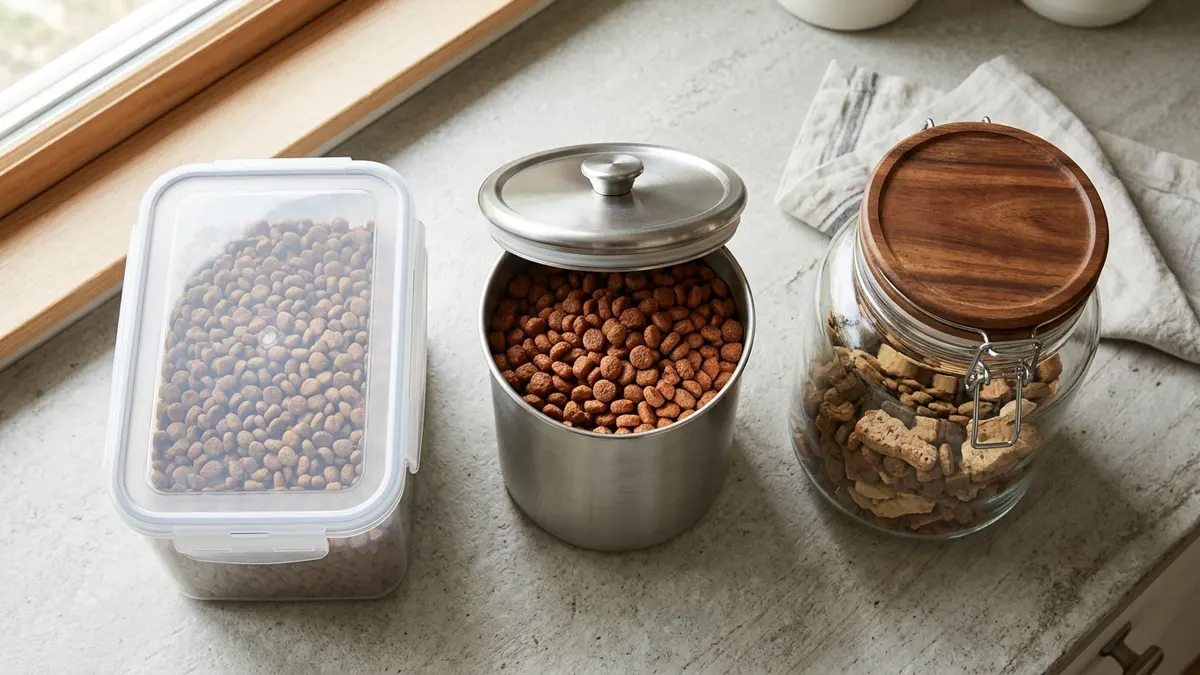
The Best Types of Storage Containers for Dog Food in 2026
Based on form factor and use case, here are the main categories of dog food storage containers available to American pet owners this year:
Large Floor-Standing Bins with Wheels
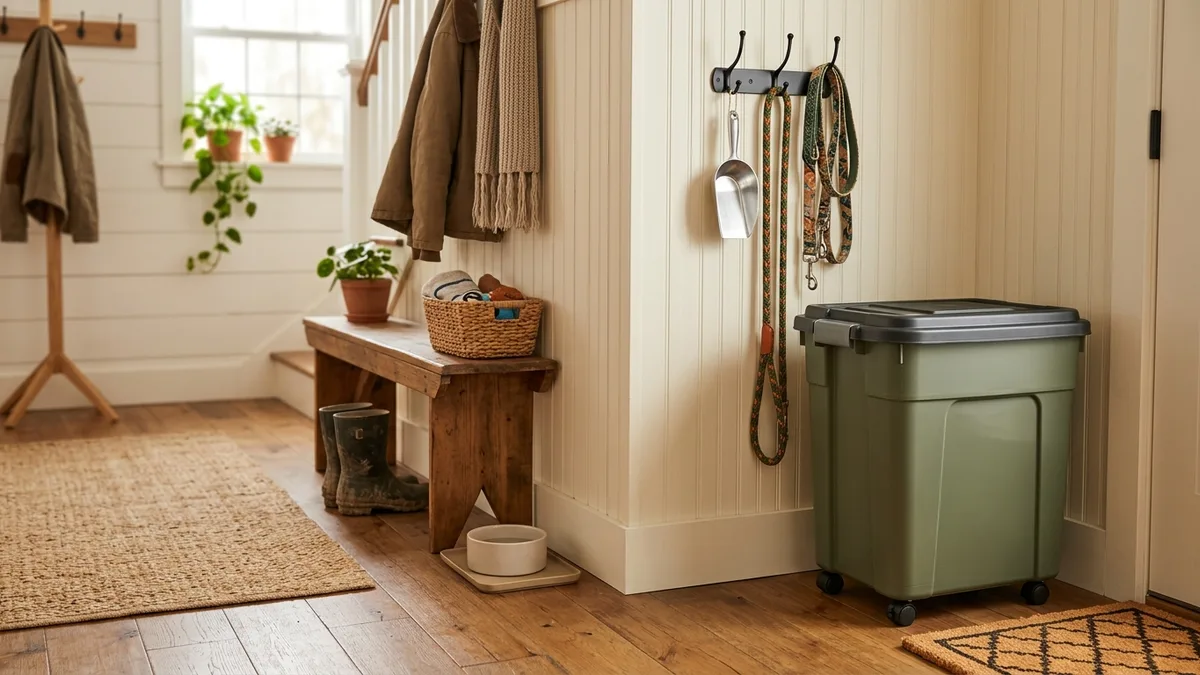
These are the go-to choice for large breed owners. Capacity typically ranges from 30 to 50 pounds of dry kibble. Wheels make it easy to roll them out of a pantry closet, mudroom, or garage for scooping and then tuck them back away. Many feature a latching lid and a bottom-mounted scoop holder. If you have a 70-pound Lab or a Great Dane, this is almost certainly the category you need.
Countertop Canisters
Compact and stylish, countertop canisters hold 5 to 15 pounds of food and are designed to sit on a shelf or kitchen counter. Stainless steel models look especially clean and modern. These work well for small to medium dogs and for households where aesthetics matter as much as function.
Stackable Modular Containers
For multi-pet households, stackable containers let you store cat food, small dog kibble, and large dog kibble side by side without taking up extra floor space. They interlock vertically and often feature a uniform design that keeps your pantry or laundry room looking cohesive. You can explore more stackable and modular storage solutions in the Sesoris Collections section.
Dispenser-Style Containers
These feature a gravity-fed dispenser at the bottom so kibble flows out when you open a small gate. While convenient, they are harder to fully seal and clean, and they may not be the best choice if freshness is your top priority. They work better for households that go through food quickly.
Ceramic and Decorative Canisters
For design-conscious pet owners who want something that looks intentional on a kitchen shelf, ceramic canisters with cork or wooden lids offer a stylish option. Keep in mind that the seal quality on decorative containers is often inferior to purpose-built pet food bins, so they are better suited for storing a few days' worth of kibble rather than an entire bag.
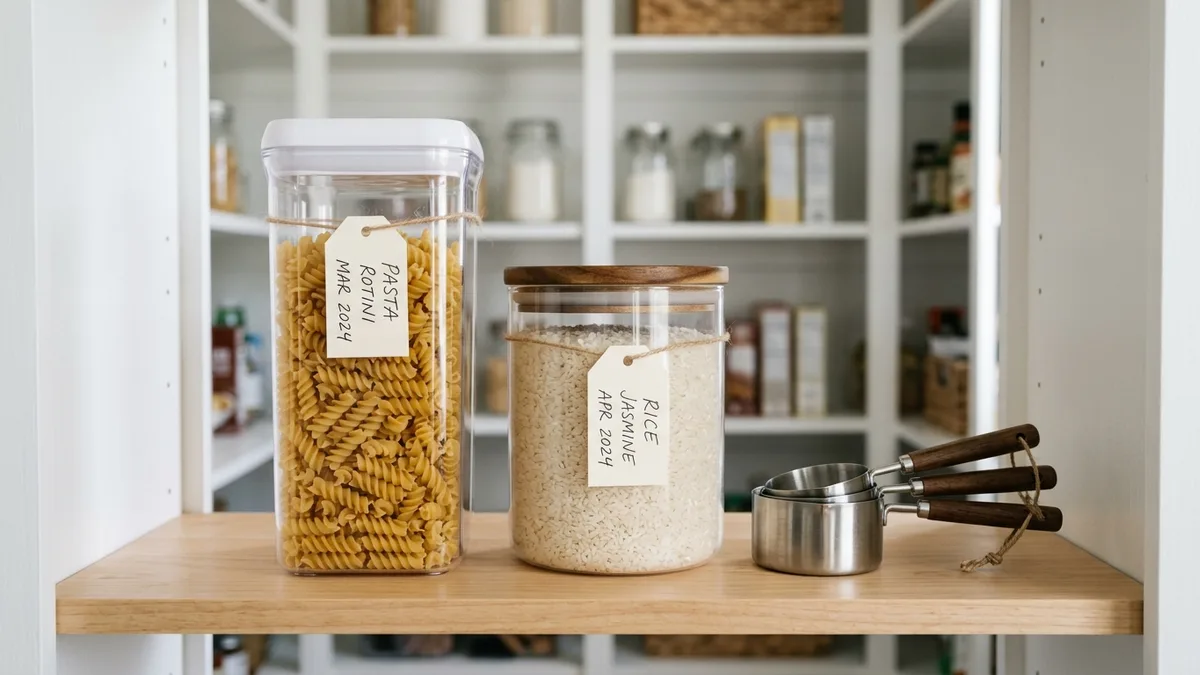
How to Choose the Right Size: A Simple Capacity Guide
Sizing your dog food storage container correctly is one of the most practical decisions you will make. Here is a simple framework:
Step 1: Check your current dog food bag weight. Most kibble bags in the US come in 5, 15, 25, 30, or 40 pound sizes.
Step 2: Decide how much you want to store at once. Nutritionists and vets generally recommend not storing more than a 4 to 6 week supply, as fats degrade over time even in sealed containers. For most dogs, 2 weeks is a sweet spot.
Step 3: Match container quart volume to pound weight. As a rough guide, 1 pound of dry kibble takes up approximately 1 quart of space, though denser kibbles may pack more tightly. A 10-pound bag needs about a 10 to 12 quart container.
Step 4: Add a little buffer. Choose a container slightly larger than your calculated need so the lid seals properly without the container being overfilled.
According to Good Housekeeping, pet food experts recommend keeping dry food in its original bag inside a storage container rather than pouring it directly in. The bag's inner lining provides an extra barrier against oxygen, and the bag retains the lot number you may need if there is ever a recall.
Where to Store Your Dog Food Container at Home
Even the best storage containers for dog food need to be placed in the right location to do their job effectively. Here are the best spots in a typical American home:
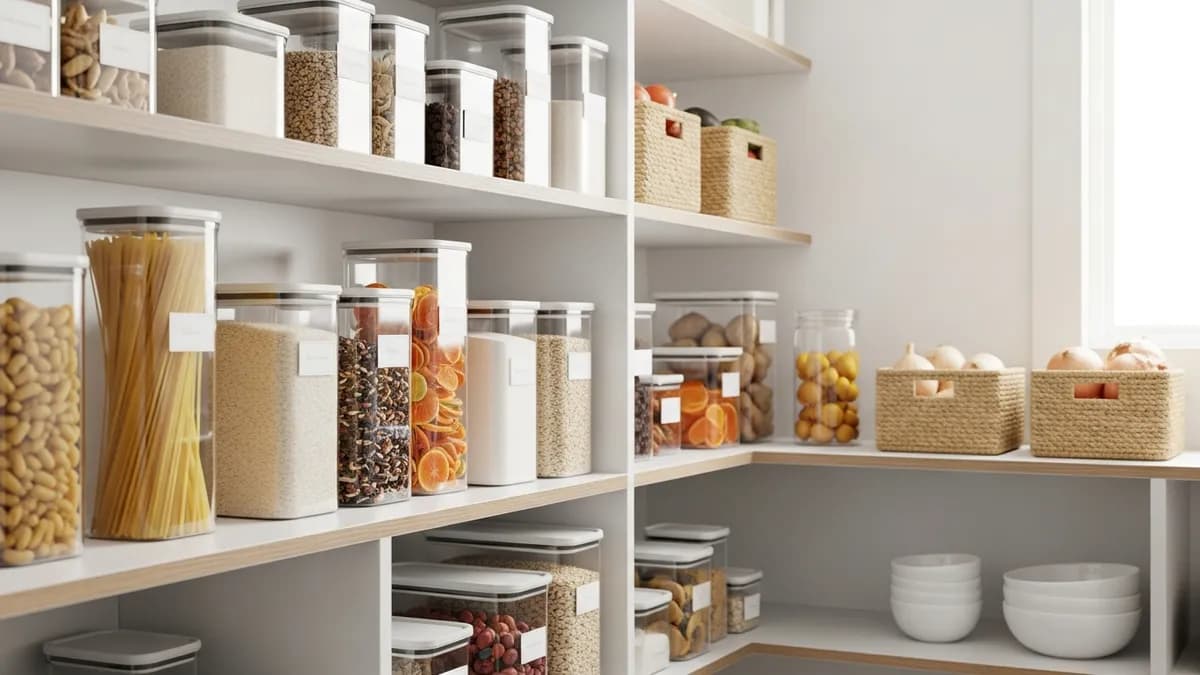
Pantry or Kitchen Closet
A cool, dry pantry is the ideal environment. It keeps kibble away from direct sunlight and heat, both of which can degrade food quality. If you are organizing your pantry, check out the Sesoris best sellers for shelving and organizer accessories that pair well with pet food containers.
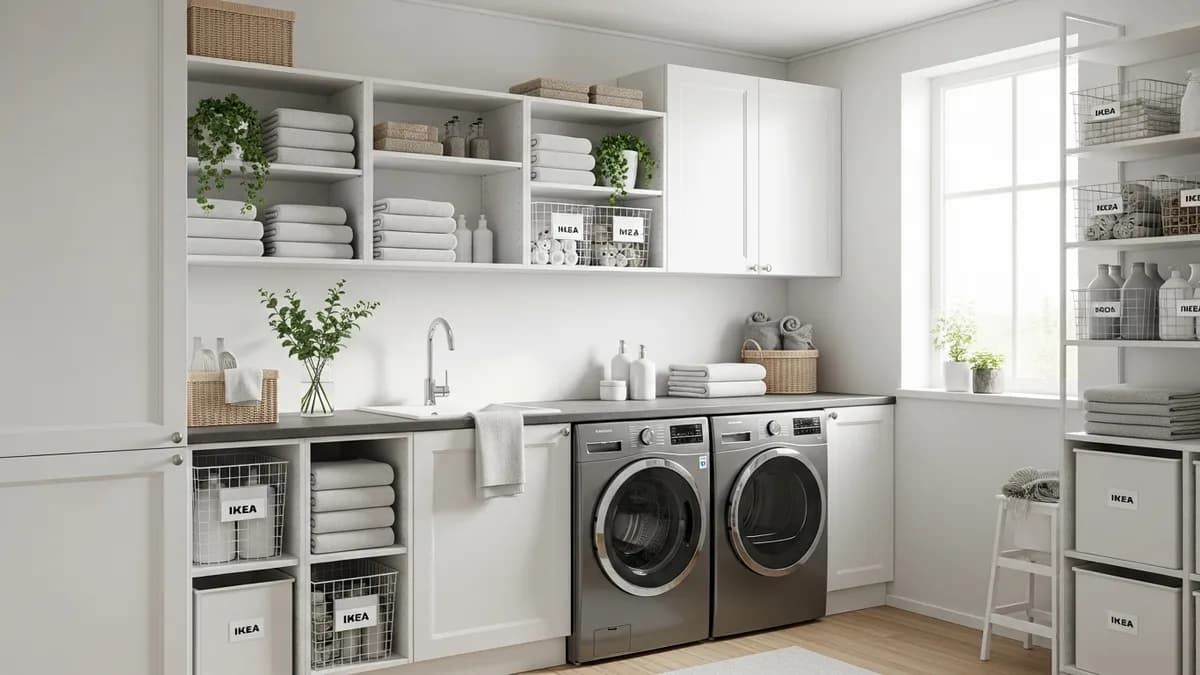
Mudroom or Laundry Room
For large-breed owners with 30 to 50 pound containers, a mudroom or laundry room is often more practical. The space is typically away from the main living area, so any residual odor is contained, and there is usually enough floor space for a wheeled bin.
Garage
Garages work as a last resort, but temperature swings can be a concern. Extreme heat in summer or cold in winter can affect kibble quality. If you use your garage, choose a container with a superior seal and check food freshness more frequently.
What to Avoid
- Direct sunlight: UV exposure breaks down nutrients in kibble over time.
- Near appliances that generate heat: Dishwashers, dryers, and refrigerators all emit warmth that raises the ambient temperature around your container.
- High-humidity areas: Bathrooms and poorly ventilated basements accelerate moisture infiltration even through small seal imperfections.
Maintenance Tips to Keep Your Dog Food Container in Great Shape
Buying a quality container is only half the equation. Proper maintenance ensures it continues to work well for years:
- Wash between every new bag. Empty the container completely, wash with warm soapy water, rinse thoroughly, and let it dry completely before refilling. This prevents rancid fat residue from contaminating fresh food.
- Check the gasket regularly. Silicone or rubber gaskets can crack or warp over time, especially if the container goes through temperature extremes. Replace the gasket or the lid if you notice it is no longer forming a tight seal.
- Never top-off old kibble. Pouring a new bag on top of old kibble accelerates spoilage for the fresh food. Always empty and clean before refilling.
- Label with the fill date. Use a piece of masking tape and a marker to note when you filled the container. This helps you track how long the food has been stored and compare it with the best-by date on the original bag.
- Keep the scoop inside or nearby, not in the bag. A dedicated scoop stored with the container prevents cross-contamination and keeps your measurement consistent.
For more food storage best practices that apply across your entire kitchen and home, take a look at our airtight storage containers for food complete guide and our roundup of best food storage solutions.
Storage Containers for Dog Food vs. Leaving Kibble in the Bag
A common question from pet owners is whether it is really necessary to transfer kibble out of the original bag. Here is an honest comparison:
Original bag only (no container):
- Bags are typically not resealable with a genuine airtight closure.
- Rolled and clipped bags still allow significant air exchange.
- Bags tear, tip over, and create spills.
- No pest resistance whatsoever.
Original bag inside an airtight container:
- Best of both worlds: the bag's inner lining acts as a secondary barrier.
- The container provides pest resistance, spill containment, and odor control.
- Lot numbers are preserved on the bag for recall tracking.
Kibble poured directly into the container:
- Simpler and cleaner-looking.
- Requires more diligent washing between bags.
- You lose lot number visibility, which matters if a recall is announced.
For most American pet owners, placing the original bag inside the container is the recommended approach, combining protection with practicality. The Real Simple guide on dog food storage echoes this recommendation from pet nutrition experts.
You can find a wide selection of food storage solutions at Sesoris that work equally well for human food and pet food alike, making it easy to build a cohesive, organized home system.
Related Products from Sesoris
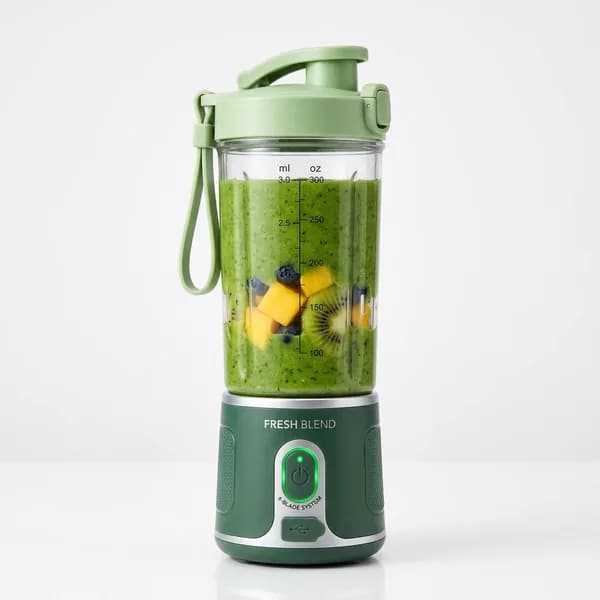
If you want to turn this guide into a real setup, start with Stainless Steel 2-Tier Dish Rack and Portable Blender. For broader options, browse the Kitchen & Dining collection so the article journey does not stop at reading only.
Our practical rule: choose one product that solves the main clutter problem first, then add supporting organizers only when the daily workflow is already clear. This keeps the shopping path useful, not pushy.
FAQ: Frequently Asked Questions About Storage Containers for Dog Food
Q: How long does dry dog food stay fresh in an airtight container?
Most dry kibble has a manufacturer shelf life printed on the bag. Once opened, kibble stored in a properly sealed airtight container typically stays fresh for 4 to 6 weeks. Always check the expiration date on the original bag and do not store kibble past that date regardless of container quality.
Q: Can I use a regular food storage container for dog food?
Yes, as long as it is food-grade, BPA-free, and has a genuine airtight seal. Many food storage containers for pantry work perfectly well for pet food. The main difference with purpose-built pet food containers is their larger capacity and sturdier build for heavier loads.
Q: Is it safe to store dog food in a metal container?
Stainless steel is an excellent choice. It is non-porous, does not absorb odors or oils, and is highly durable. Make sure the lid seal is high-quality, as some metal containers use friction-fit lids that are not truly airtight.
Q: How do I get rid of the plastic smell from a new container?
Before first use, wash the container with baking soda and warm water, rinse thoroughly, and let it air out for 24 to 48 hours with the lid open. This typically neutralizes any manufacturing odors. Placing the original bag inside the container also puts a barrier between the plastic and the food.
Q: Should I refrigerate dry dog food?
Generally, no. Dry kibble is shelf-stable and refrigeration can actually introduce moisture that accelerates spoilage. Keep it in a cool, dry location in a sealed container instead. Wet or canned food, once opened, should be refrigerated and used within 3 to 5 days.
Q: What size container do I need for a 30-pound bag of dog food?
A 30-pound bag typically requires a container with a capacity of at least 33 to 40 quarts to accommodate the full bag with the lid closing properly. However, remember the recommendation to store only 2 to 4 weeks worth of food at a time, so you may opt for a smaller container and keep the rest of the bag sealed in its original packaging.
Conclusion
Choosing the right storage containers for dog food is one of the simplest upgrades you can make for your pet's health and your home's organization in 2026. From compact countertop canisters for small breeds to large wheeled bins for working dogs and giant breeds, there is a container designed for every household need. The most important features to prioritize are a genuine airtight seal, food-safe materials, and a capacity that matches your dog's consumption rate without storing kibble for too long.
Remember to wash your container between every new bag, store the original packaging inside when possible, and keep your bin in a cool, dry location away from sunlight and heat sources. These simple habits make a meaningful difference in food quality and your dog's long-term nutrition.
Ready to find the right solution? Browse the full range of home organization and food storage products at Sesoris and check out our new arrivals for the freshest picks of 2026. A more organized home is always just a great container away.
Weekly Home Tips
Get home organization ideas, product picks, and exclusive deals delivered weekly.
No spam. Unsubscribe anytime.
Explore More Articles
- 25+ Best Makeup Vanity Organization Ideas to Transform Your Beauty Space in 2026
- 20+ Best Outdoor Plant Shelf Ideas to Elevate Your Patio & Garden in 2026
- 25+ Best Nightstand Organization Ideas to Transform Your Bedroom in 2026
- Small Linen Closet Organization: 20+ Smart Tips to Maximize Every Inch in 2026
- 25+ Best Book Storage Ideas for Small Spaces to Maximize Every Inch in 2026
- 25+ Best Office Supplies Organization Ideas to Build a Productive Workspace in 2026
- 30+ Best Office Desk Setup Ideas to Build a Productive Workspace in 2026
- 25+ Best Bathroom Storage Cabinet Ideas to Maximize Every Inch in 2026