
Food Storage Containers with Lids: The Complete 2026 Guide to Fresh, Organized Kitchens
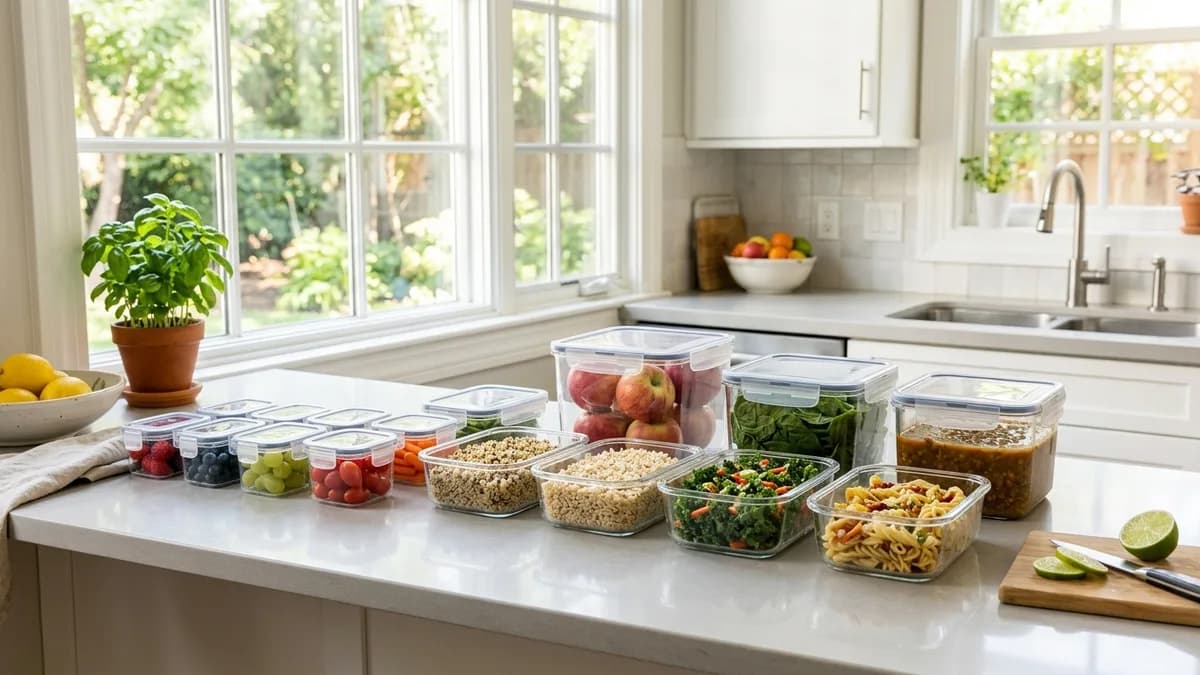
If there is one kitchen upgrade that quietly transforms your daily routine, it is investing in a reliable set of food storage containers with lids. Whether you are storing last night's leftovers, prepping a week's worth of lunches, or keeping your pantry dry goods fresh, the right container makes a bigger difference than most people expect. In 2026, the market is packed with options spanning glass, plastic, stainless steel, and more, and knowing what to look for before you buy can save you money, reduce food waste, and make your kitchen feel genuinely organized. This guide breaks down everything you need to know so you can choose, use, and maintain food storage containers with lids like a pro.
Why Food Storage Containers with Lids Are a Kitchen Game-Changer
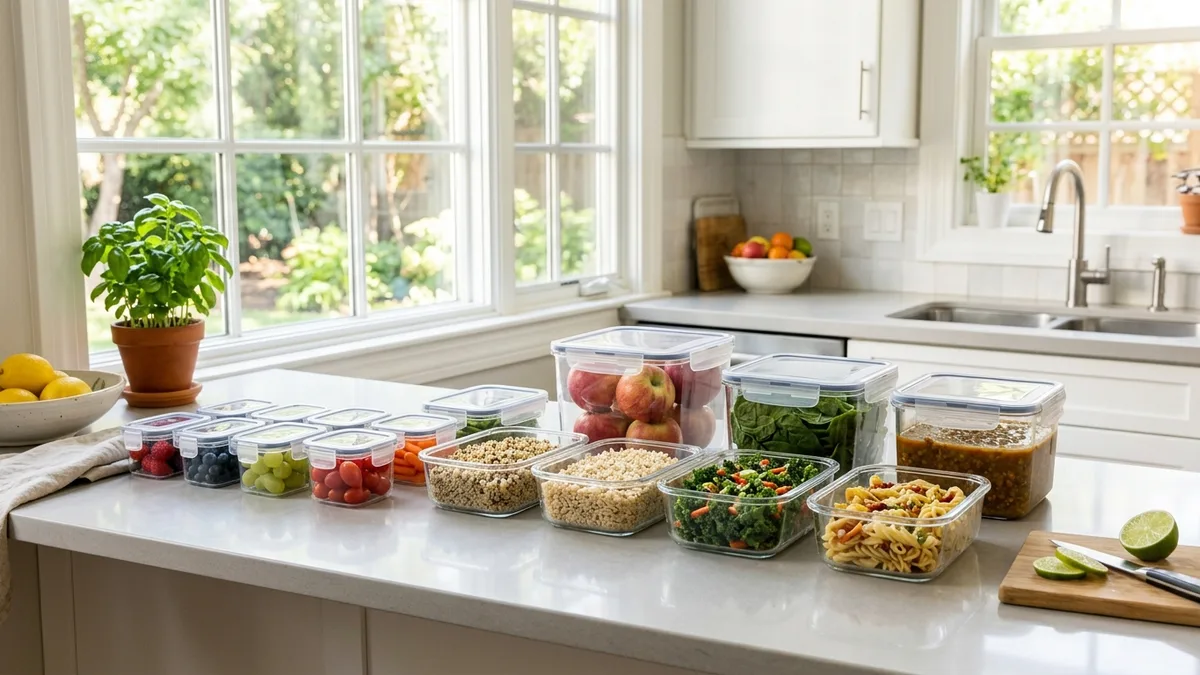
It is easy to underestimate how much a good set of lidded containers can change the way you use your kitchen. I started paying closer attention to my food storage setup a few years ago, and the impact was immediate. Food stayed fresher longer, my fridge stopped looking like a chaotic jumble of half-wrapped bowls and random zip-top bags, and my meal prep routine became dramatically smoother.
According to the USDA's food safety guidelines, storing food in sealed containers is one of the most effective ways to prevent cross-contamination and slow spoilage. Beyond safety, there is a genuine lifestyle benefit: a well-organized fridge and pantry reduce decision fatigue and make it easier to see what you actually have on hand, which helps cut down on unnecessary grocery spending.
Here is what a quality set of food storage containers with lids does for your home:
- Extends food freshness by limiting air exposure and locking in moisture at the right level
- Prevents cross-contamination between raw and cooked foods in the refrigerator
- Keeps pantry staples like flour, pasta, and oats protected from moisture and pests
- Simplifies meal prep by letting you portion and store individual servings ahead of time
- Reduces plastic waste compared to single-use bags and plastic wrap
- Creates visual order in your fridge, freezer, and pantry shelves
If you are also interested in broader food storage strategies, check out our guide on best food storage solutions for organizing your kitchen in 2026 for a comprehensive overview.
The Main Types of Food Storage Containers with Lids
Choosing the right container starts with understanding what each material brings to the table. Not every container works well for every situation, and mixing a few types strategically is usually the smartest approach.
Glass Containers with Lids
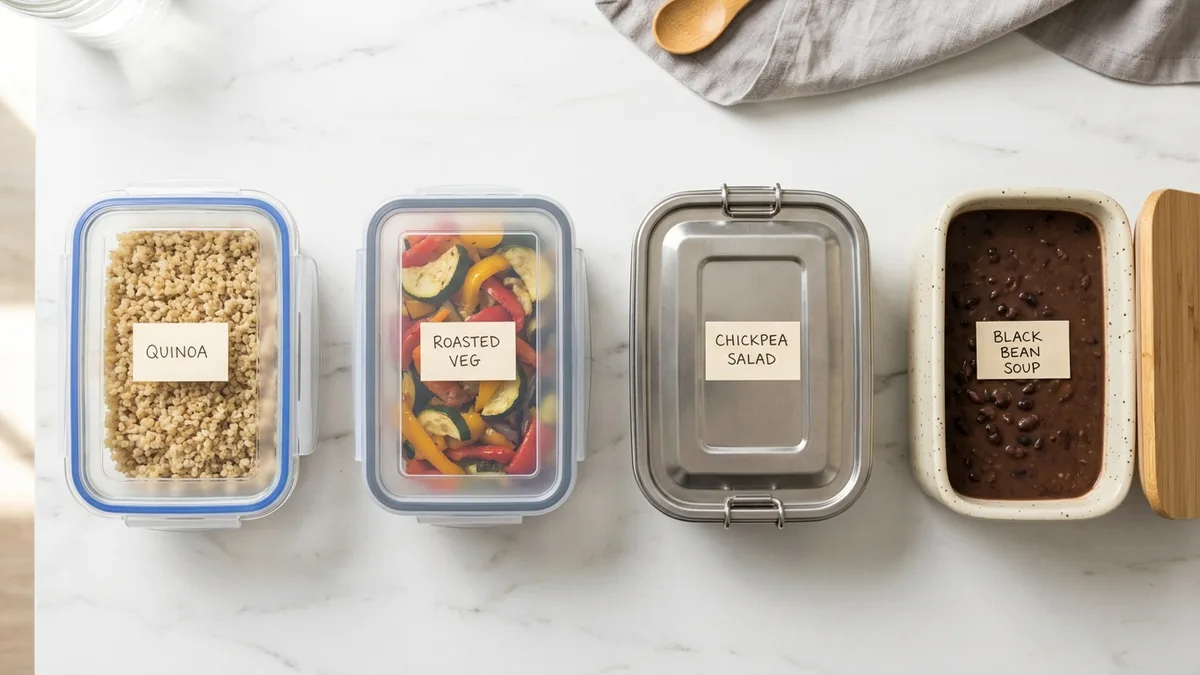
Glass is widely considered the gold standard for food storage containers. It is non-porous, meaning it does not absorb odors or stains the way plastic can, and it is safe to move from the fridge directly to the oven or microwave (without the lid in most cases). Tempered glass containers are especially durable and resistant to cracking from temperature changes.
The lids on glass containers typically come in plastic with silicone gaskets or snap-lock clasps, which create an airtight seal. Some premium sets use glass lids with silicone rims for an entirely plastic-free experience.
Best for: Leftovers, oven-to-table serving, meal prep, and long-term fridge storage. If you want to dive deeper, our article on best food storage containers glass: ultimate guide to premium kitchen organization in 2026 covers this category in detail.
Downsides: Heavier than plastic, can break if dropped, and usually more expensive per piece.
BPA-Free Plastic Containers with Lids
Plastic containers remain one of the most popular choices because they are lightweight, affordable, and practically shatter-proof. The key phrase to look for is BPA-free, which means the plastic is manufactured without bisphenol A, a chemical that has raised health concerns when it migrates into food. Most reputable brands in 2026 use BPA-free plastics as a standard.
Lid styles on plastic containers vary widely. Snap-lock lids with four-sided clasps offer the best seal for soups and liquids, while simple push-on lids are fine for dry goods and solid foods.
Best for: Packed lunches, travel, kids' meals, dry pantry goods, and everyday fridge storage. See our full breakdown in the BPA-free food storage containers complete guide.
Downsides: Can stain with tomato-based foods, may warp in high heat, and some lids lose their seal over time.
Stainless Steel Containers with Lids
Stainless steel containers have grown significantly in popularity among eco-conscious households. They are virtually indestructible, do not leach any chemicals into food, and have a sleek look that works well for packed lunches and outdoor use. Most stainless steel containers come with silicone-sealed or clip-top lids.
Best for: Packed lunches, school lunches, outdoor picnics, dry snacks, and anyone avoiding plastic entirely.
Downsides: Not microwave-safe, cannot see contents without opening, heavier than plastic, and typically more expensive.
Silicone Containers with Lids
Silicone is a flexible, lightweight, and freezer-safe material that has become popular for collapsible or space-saving storage bags and containers. Many silicone containers feature integrated lids that fold flat when empty, making them a smart pick for small kitchens.
Best for: Freezer storage, baby food, small snacks, and anyone short on cabinet space.
Downsides: Can pick up strong odors over time and may not stack as cleanly as rigid containers.
How to Choose the Best Food Storage Containers with Lids for Your Kitchen
With so many options available, narrowing down your choices comes down to a few practical questions. I always recommend thinking about where and how you will actually use the containers before buying.
1. Think About Where the Container Will Live
Fridge and freezer: Look for containers rated for freezer use. Glass and BPA-free plastic both work well. Make sure lids seal tightly to prevent freezer burn.
Microwave: Glass and microwave-safe plastic are your best options. Always check if the lid is microwave-safe separately, since most lids need to be vented or removed.
Pantry and dry goods: Airtight containers with secure lids are essential. Square and rectangular shapes use shelf space more efficiently than round ones.
Packed lunches: Leak-proof lids with snap-lock clasps on all four sides are a must. Lightweight plastic or stainless steel works well for portability.
2. Prioritize Lid Quality
The lid is arguably the most important part of a food storage container. A flimsy lid that warps, cracks, or loses its seal quickly renders the container nearly useless for anything liquid or odor-prone. When evaluating lid quality, look for:
- Silicone gaskets or seals along the rim for an airtight fit
- Four-sided snap locks for the most secure seal on liquids
- Hinged or clip-top designs for easy one-handed opening
- Interchangeable lids if you are buying a set with multiple container sizes
3. Consider Stackability and Storage
One of the most underrated features in a container set is whether the pieces nest or stack cleanly. Containers that stack when full maximize fridge and pantry shelf space. Containers that nest when empty minimize cabinet clutter. Square and rectangular shapes almost always outperform round containers for stackability.
Our article on food storage containers for pantry: complete guide to perfect organization in 2026 has excellent tips on maximizing pantry space with the right container shapes.
4. Check for Dishwasher Safety
Most people want containers they can toss in the dishwasher without worry. Most glass containers and BPA-free plastic containers are dishwasher safe, but lids are sometimes an exception. High heat in dishwashers can warp plastic lids over time. A top-rack-only recommendation is common for lids, and it is worth following that guidance to extend their lifespan.
5. Buy in Sets for Consistency
Mismatched containers where lids never quite fit right are one of the most common kitchen frustrations I hear about. Buying a coordinated set from a single line ensures that lids are interchangeable across sizes, containers stack uniformly, and your kitchen storage looks clean and intentional. Many sets in 2026 come in 10 to 24-piece configurations that cover everything from a quarter-quart snack size up to a 10-quart bulk storage container.
Smart Ways to Use Food Storage Containers with Lids Around Your Home
Great containers are only as useful as the systems you build around them. Here are the most practical ways to put your set to work throughout the week.
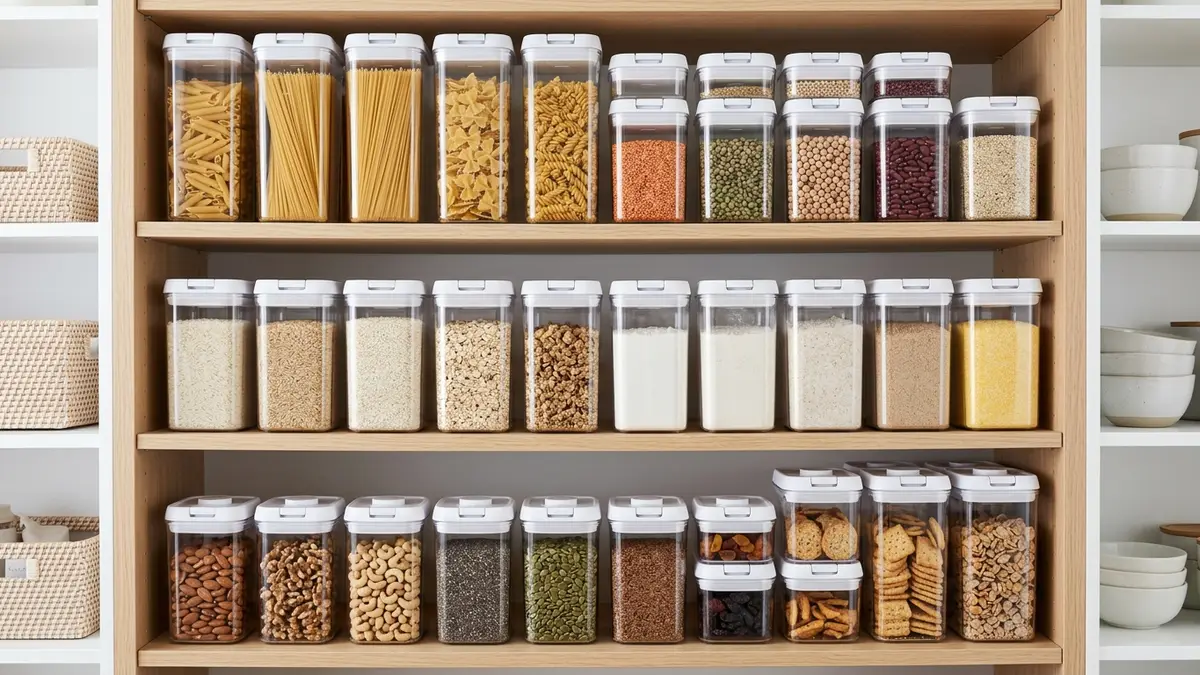
Pantry Organization
Decanting dry goods like flour, sugar, oats, pasta, rice, cereal, nuts, and snacks into matching airtight containers transforms a cluttered pantry into something genuinely functional and beautiful. Square containers with flat lids are especially efficient because they tile together without wasted space.
Label each container with a chalk marker or adhesive label so every family member knows what is inside. If you need labeling inspiration, our storage bin labels complete guide has plenty of ideas to get you started.
Refrigerator Meal Prep
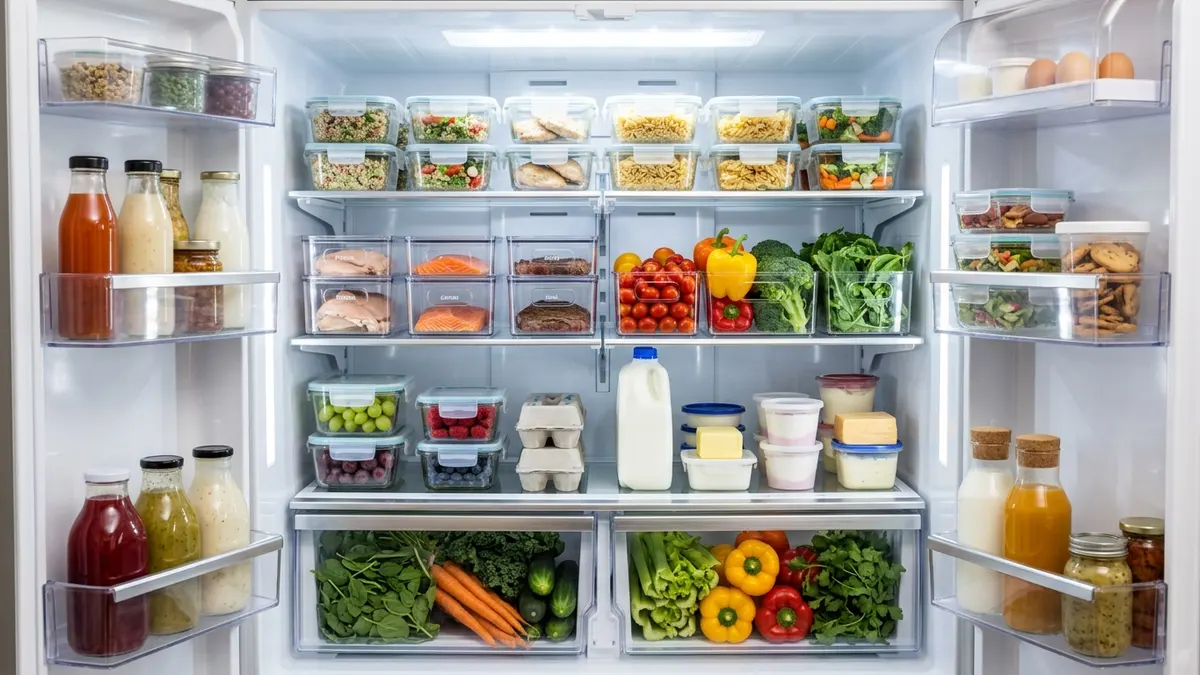
Meal prepping on Sunday evenings is one of the most popular weeknight cooking strategies in American households, and it only works smoothly when you have enough containers to portion out proteins, grains, and vegetables separately. Clear containers let you see exactly what you have without rummaging, and stackable sets maximize limited fridge shelf space.
For even more fridge organization inspiration, our fridge organization ideas guide covers this in depth.
Freezer Storage
Food storage containers with lids designed for freezer use are a smart investment for anyone who batch cooks soups, stews, sauces, or casseroles. Look for containers that are both freezer- and microwave-safe so you can go from frozen straight to reheated without transferring food to a different dish. Always leave about half an inch of headspace at the top of liquid-filled containers before freezing, since liquids expand as they freeze.
For a dedicated deep dive, our freezable food storage containers ultimate guide walks through everything you need to know.
Packed Lunches and On-the-Go Snacks
Leak-proof containers with secure locking lids are the backbone of a solid packed lunch routine. Divided containers with lids work especially well for keeping different foods from touching, which is ideal for kids' lunches or anyone who wants their dressing separate from their salad until the moment they eat.
Leftovers and Portion Control
Storing leftovers in individual portion-sized containers rather than one large communal container makes it much easier to grab a quick lunch or dinner without measuring or dividing. It also speeds up fridge cleanup since each person's portion is already separated.
Top Features to Look for in 2026's Best Food Storage Containers with Lids
The container market has evolved significantly, and in 2026 there are a few standout features worth prioritizing when you shop.
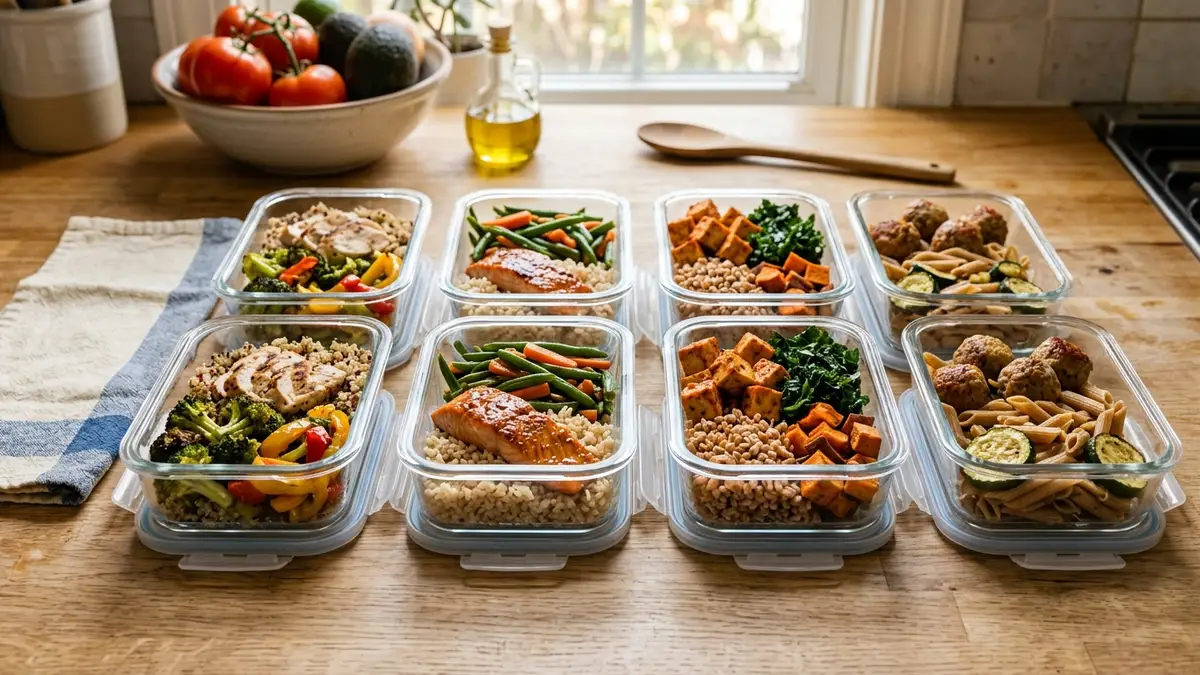
Airtight seals with pressure-lock technology: Many newer sets use a one-press center-lock or four-sided clip system that creates a genuinely airtight seal, not just a snug fit.
Crystal-clear bodies: High-clarity materials (whether glass or BPA-free plastic) let you identify contents at a glance without opening the container, which reduces food waste and saves time.
Modular sizing systems: Sets where every container shares the same footprint or stacks on the same base make it easy to build organized fridge and pantry shelving. Check out Good Housekeeping's food storage container reviews for well-researched picks organized by category.
Oven-safe glass options: Tempered glass containers with oven-safe ratings (typically up to 400 degrees Fahrenheit or higher) let you bake, store, and reheat in a single vessel, reducing dishwashing significantly.
Leak-proof gaskets: Silicone gasket rings inside the lid are the most reliable way to prevent leaks. Look for containers where the gasket is removable for thorough cleaning, since residue can build up in the groove over time.
Odor resistance: Glass is naturally odor-resistant. For plastic, look for lines that specifically market odor-resistance or that use a thicker, higher-grade plastic formulation.
As The Spruce notes, the best food storage containers balance material quality, lid security, and practical sizing, with no single feature worth sacrificing the others.
How to Care for and Maintain Food Storage Containers with Lids
Even the best containers will not last if they are not cared for properly. Here are the habits that extend the life of your set significantly.
1. Clean lids and gaskets separately. Remove silicone gaskets from lids and wash them individually. Food residue trapped in the gasket groove is a common source of odor and bacteria.
2. Use the top rack of the dishwasher for lids. High heat and direct water pressure in the lower rack can warp plastic lids. Top-rack placement keeps them safe.
3. Avoid abrasive scrubbers on glass. While glass is scratch-resistant, the printed measurement markings on some containers can fade if scrubbed aggressively.
4. Do not microwave non-microwave-safe plastics. Even BPA-free plastics vary in their heat tolerance. Look for the microwave-safe symbol (usually a microwave icon on the bottom) before heating.
5. Store lids separately or nest them inside containers. One of the most common storage frustrations is a chaotic lid drawer. Storing lids vertically in a small rack or nesting them inside matching containers eliminates that chaos entirely. Our kitchen food storage containers ultimate guide has practical tips on organizing your container collection.
6. Replace lids when seals wear out. Many manufacturers sell replacement lids, which is far more economical than replacing an entire set. If a lid no longer snaps firmly or the gasket is cracked, it is time to swap it out.
7. Inspect for cracks and chips regularly. A cracked glass container or a container with a chipped rim is no longer food-safe. Discard and replace any damaged pieces promptly.
Budget Guide: What to Expect to Spend on Food Storage Containers with Lids
Food storage containers span a wide price range, and the investment you make depends on your priorities and how frequently you use them.
Entry-level plastic sets (US$15 to US$30): Typically 10 to 18 pieces of BPA-free plastic with snap-on lids. Good for everyday use, lunch packing, and dry goods storage. Expect to replace them every couple of years with regular use.
Mid-range glass and premium plastic sets (US$35 to US$70): Usually 10 to 20 pieces with tempered glass or high-clarity plastic bodies and locking lids. Better durability, odor resistance, and often oven- or dishwasher-safe ratings across all pieces.
High-end glass and specialty sets (US$80 and up): Full tempered glass collections with matching glass lids, stainless steel sets with silicone seals, or large pantry canister sets. Built to last for many years and often the most aesthetically pleasing option for open shelving.
For most households, a mid-range glass set for the fridge and freezer paired with an affordable plastic set for packed lunches and pantry dry goods is a practical and cost-effective combination.
Related Products from Sesoris
If you want to turn this guide into a real setup, start with Stainless Steel 2-Tier Dish Rack and Portable Blender. For broader options, browse the Kitchen & Dining collection so the article journey does not stop at reading only.
Our practical rule: choose one product that solves the main clutter problem first, then add supporting organizers only when the daily workflow is already clear. This keeps the shopping path useful, not pushy.
FAQ: Frequently Asked Questions About Food Storage Containers with Lids
Q: Are plastic food storage containers with lids safe for hot food?
Most BPA-free plastic containers can handle warm food, but you should let very hot food cool slightly before sealing it in plastic to avoid steam pressure building under the lid. For truly hot food straight from the stovetop or oven, glass containers with oven-safe ratings are the safer choice. Always check the manufacturer's temperature guidelines on the bottom of the container.
Q: How long does food actually stay fresh in airtight containers?
This depends on the type of food and where you store it. According to general food safety guidelines, cooked leftovers stored in airtight containers in the refrigerator typically stay safe to eat for three to four days. Dry pantry goods stored in airtight containers can stay fresh for months to years depending on the product. Freezer-safe containers can keep food safe indefinitely, though quality is best within three to six months for most items.
Q: Can I use food storage containers with lids for liquids like soups and sauces?
Yes, but only if the container is specifically rated as leak-proof. Look for containers with four-sided snap-lock lids and a silicone gasket seal. Simple push-on or loosely fitting lids will not prevent leaks when containers are tilted or transported.
Q: How do I prevent staining in plastic containers?
Tomato-based sauces, curries, and berries are the most common culprits for staining plastic. To minimize staining, spray the inside of the container with a light coat of non-stick cooking spray before adding tomato-based foods. Soaking stained plastic containers in a diluted bleach solution (one tablespoon of bleach per cup of water) for about 30 minutes can help lift existing stains.
Q: What size food storage containers should I buy?
A well-rounded set typically includes small containers (around half a quart to 1 quart) for individual portions and snacks, medium containers (1.5 to 3 quarts) for leftovers and meal prep servings, and large containers (4 to 10 quarts) for bulk pantry staples and batch-cooked meals. Most 10 to 18-piece sets include a useful mix across these ranges.
Q: Is it better to buy individual containers or a set?
For most people, a set is the smarter buy. Sets are almost always more cost-effective per piece, and they are designed with interchangeable lids and consistent sizing so pieces work together as a system. Individual containers are useful when you need a very specific size or material that your existing set does not cover.
Conclusion
Choosing the right food storage containers with lids is one of the simplest and most impactful upgrades you can make to your kitchen routine in 2026. The right set keeps food fresher longer, simplifies meal prep, reduces waste, and turns a chaotic fridge and pantry into an organized system that actually works day after day. Whether you go with tempered glass for the fridge, BPA-free plastic for packed lunches, or stainless steel for a plastic-free lifestyle, the key is prioritizing lid quality, stackability, and the right material for how you actually cook and eat. Start with a core set, build your system around it, and you will wonder how you ever managed without it. Ready to find the perfect food storage containers with lids for your home? Browse the full collection of kitchen organization essentials at Sesoris and explore our best sellers to find the pieces that fit your kitchen and your lifestyle.
Weekly Home Tips
Get home organization ideas, product picks, and exclusive deals delivered weekly.
No spam. Unsubscribe anytime.
Explore More Articles
- 25 Brilliant Living Room Storage Ideas to Transform Your Space in 2026
- Best Desk Organizers for a Productive Work Desk
- Small Dish Racks: Perfect Solutions for Compact Kitchens 2026
- Best Garage Storage Solutions: Transform Your Space into an Organized Haven in 2026
- Enclosed Dish Racks: Dust-Free & Pest-Free Kitchen Storage
- Hanging Dish Racks: Perfect Solution for Kitchens Without Cabinet Storage
- Dry Bag: Complete Guide to Choosing Waterproof Bags for Outdoor Activities (2026)
- Guide to Choosing the Best Outdoor Backpack for Hiking and Camping (2026)