
How to Declutter Office: The Complete 2026 Step-by-Step Guide to a Clean, Productive Workspace
Learn how to declutter office spaces fast with practical, room-by-room tips for 2026. Reclaim your focus and productivity today!
If you have ever sat down to work and immediately felt overwhelmed by the piles of paper, tangled cords, and random items crowding your desk, you already know how urgently you need to declutter office spaces. A disorganized workspace is more than just an eyesore. Research consistently links clutter to increased stress and reduced concentration, which means the mess on your desk could be directly costing you productivity. Whether you work from home full time or use a dedicated office room a few evenings a week, this complete 2026 guide will walk you through every step you need to take to clear the chaos, create a system that actually holds up, and build an office you genuinely enjoy working in.
Why It Matters to Declutter Office Spaces in 2026
The way we work has evolved dramatically over the past several years. With remote and hybrid work arrangements still very common across the US in 2026, the home office is no longer an afterthought. It is a real, daily-use space that directly impacts your career performance and mental health. According to The Spruce's home office organization guide, a cluttered environment can make it harder to process information and complete tasks efficiently, reinforcing why a clean workspace is foundational rather than optional.
Beyond productivity, a well-organized office simply feels better to be in. When everything has a designated home, you spend less time searching for things and more time actually doing the work that matters. The good news? You do not need to spend a whole weekend on it. With the right approach, you can meaningfully declutter office spaces in as little as one to two focused hours.
Step 1: Set Up Your Declutter Office Game Plan
Before you touch a single item, take five minutes to think strategically. Walking into a cluttered office without a plan often leads to moving clutter from one spot to another rather than eliminating it. A strong game plan makes all the difference.
Define Your Office Zones
Start by identifying the functional zones you need in your office. Most home offices need at least three:
- Active work zone: Your desk surface and immediate reach area where daily tasks happen
- Reference zone: Shelves or a nearby cabinet for files, books, and materials you consult regularly but not constantly
- Supply zone: A drawer, caddy, or small cabinet where extra pens, paper, tape, and other consumables live
Knowing your zones before you start sorting prevents the common mistake of putting things back in random spots just to get them off the desk.
Gather Your Supplies Before You Start
You will need a few basics on hand before diving in:
- Three boxes or bins labeled: Keep, Donate/Recycle, and Trash
- A label maker or adhesive labels
- Cleaning spray and a microfiber cloth
- Cable ties or velcro straps for cord management
- Any new organizers or storage bins you have already purchased
Having everything ready upfront means you will not break your momentum by hunting for supplies mid-session.
Step 2: Clear Everything Off Your Desk First
This is the most powerful and psychologically satisfying step in the entire process. Remove every single item from your desk surface and place it on the floor or a nearby table. Yes, everything. Notebooks, monitors if movable, decorations, cups, random sticky notes, that phone charger you have had since 2022 and every pen in sight.
Once the desk is completely bare, wipe it down thoroughly. There is something about a clean, empty surface that makes it much easier to think clearly about what actually belongs on your desk versus what has just been sitting there out of habit.
The Rule of Daily Use
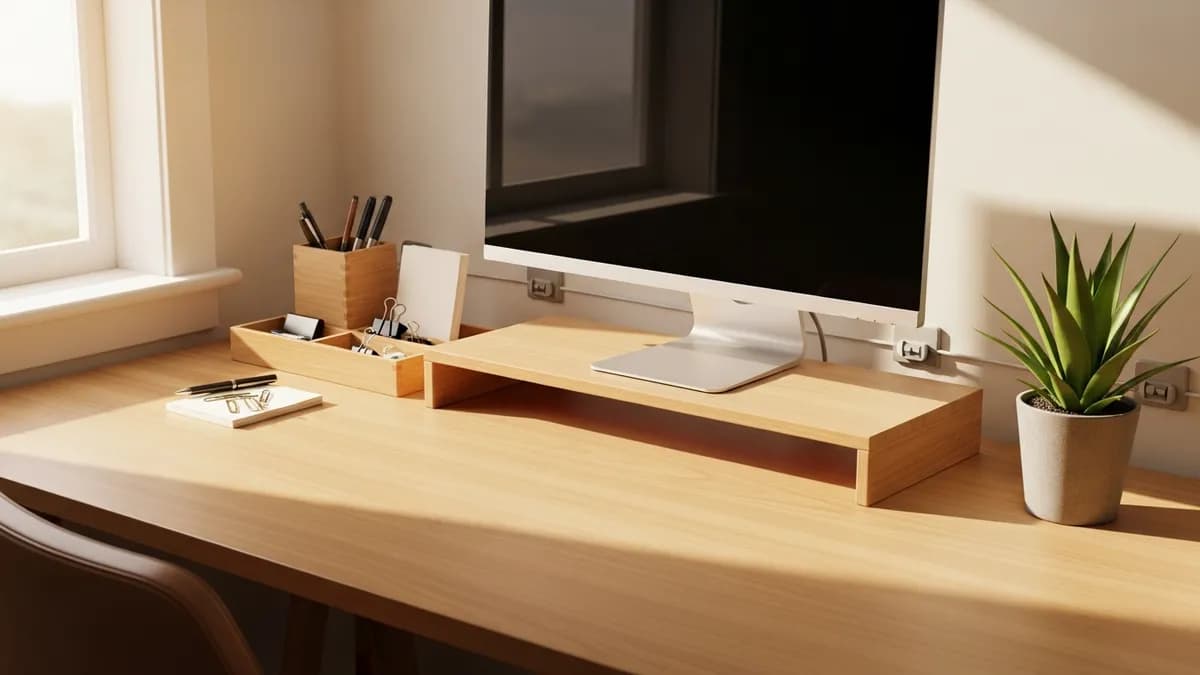
As you decide what goes back on your desk, apply one simple rule: if you do not use it every single workday, it does not belong on the desk surface. That means:
- Your monitor, keyboard, and mouse stay
- One notebook and one pen stay
- Your phone or a single charging cable stays
- A small plant or one personal photo can stay if it brings you genuine joy
Everything else gets assigned to a drawer, a shelf, or a bin. This rule alone can transform a chaotic desk into a calm workspace in under twenty minutes.
Step 3: Tackle Paper Clutter Head-On
Paper is almost always the biggest culprit when it comes to office clutter. Receipts, bills, notes, old mail, printed articles you meant to read, warranties for appliances you no longer own. It adds up fast.
A Simple Paper Sorting System
Sort all paper into four categories:
- Action required: Bills to pay, forms to fill out, tasks to complete. These go into an inbox tray on your desk or in an active folder.
- Reference: Documents you need to keep and may consult again, such as tax records, manuals, or contracts. File these in a labeled folder or binder.
- Archive: Documents that must be kept for legal or financial reasons but are rarely accessed. Store these in a file box or cabinet, clearly labeled by year.
- Shred or recycle: Everything else. Old magazines, expired coupons, random printouts, duplicate forms, and junk mail all go here.
Good Housekeeping recommends going paperless wherever possible to prevent future accumulation. Sign up for digital billing, scan important documents to a cloud service, and unsubscribe from catalogs and newsletters that arrive as physical mail.
Step 4: Organize Your Office Supplies Strategically
Once the paper situation is handled, turn your attention to supplies. Most people discover during a declutter office session that they own far more pens, sticky notes, paper clips, and rubber bands than they could ever use.
Audit Your Supplies
Pull everything out of your drawers and do an honest audit:
- Test every pen. Throw away ones that do not write.
- Consolidate duplicate items. Keep one stapler, not three.
- Toss dried-out markers, broken scissors, and dead batteries.
- Return items that belong in other rooms, like kitchen items, tools, or medicine.
Store Supplies by Frequency of Use
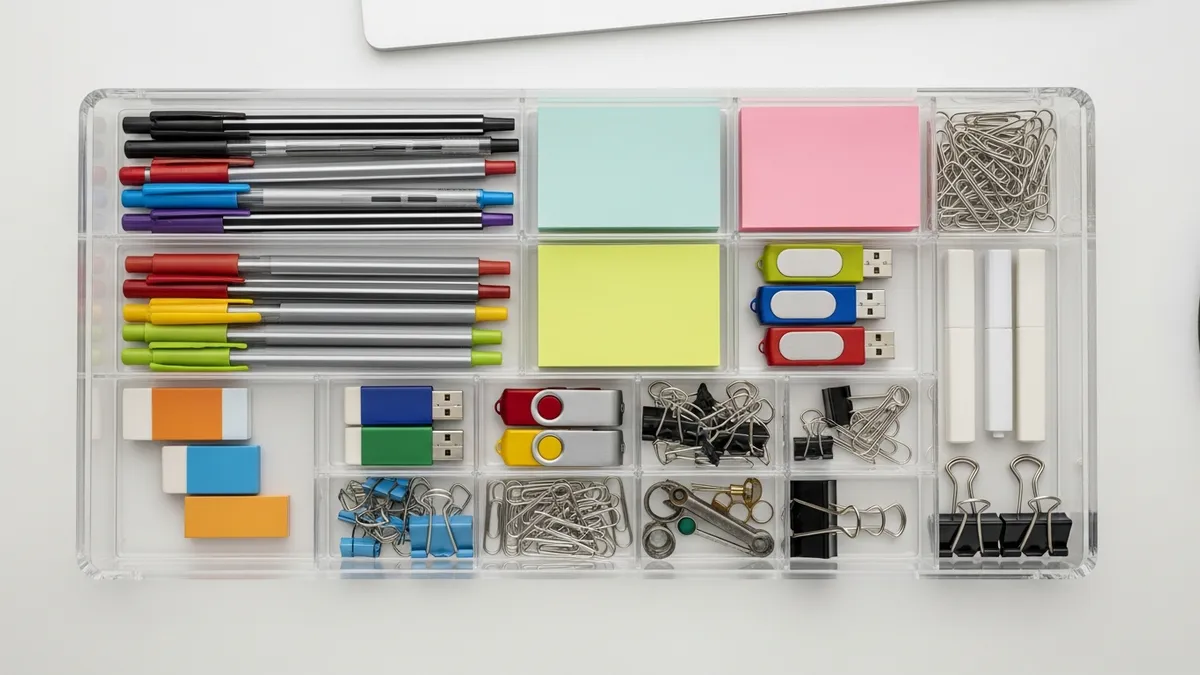
Once you know what you are keeping, store it intelligently. Items you reach for daily, like your main pen, scissors, and a highlighter, belong in an accessible desk organizer or the top drawer. Items used weekly go in a secondary drawer. Items used monthly or less go in a cabinet or supply box.
Drawer organizers with compartments are ideal for keeping small supplies sorted. Sesoris carries a range of desk organizers and workspace storage solutions designed to fit standard drawer sizes and keep supplies from sliding around.
Pro tip: Label every bin, drawer, and shelf. Labels are the single most effective way to maintain an organized space long term, because they tell you and everyone else exactly where things belong.
Step 5: Declutter Office Shelves and Storage Areas
Your desk is not the only surface that needs attention. Office shelves, bookcases, filing cabinets, and closets are prime gathering spots for items that were set down "just for now" and never moved.
Shelves
Remove everything from your shelves and clean them. Then sort the items using the same Keep, Donate/Recycle, Trash approach. Ask yourself honestly:
- Have I looked at this book or binder in the past year?
- Is this decorative item adding something positive to the space?
- Does this object have a reason to be in my office?
Return only items that genuinely serve a purpose in your work environment. Group like items together and use labeled storage boxes for anything that does not need to be displayed openly. For inspiration on shelf arrangement, The Spruce's office storage ideas show how shelving and cabinets can keep workspaces functional without visual overload.
Filing Cabinets and Drawers
Filing cabinets are often neglected because the clutter inside is hidden. Pull out every file and do a quick review. Purge anything outdated, duplicate, or no longer relevant. Reorganize remaining files with clear, consistent labels. If your filing system has become confusing over the years, now is a great time to start fresh with a simpler structure.
Step 6: Conquer Cable and Cord Chaos
Nothing undermines an otherwise tidy office like a nest of tangled cables snaking across the floor and behind the desk. Cable management is a crucial part of any office declutter project, and it is easier to tackle than most people expect.
Practical Cable Management Solutions
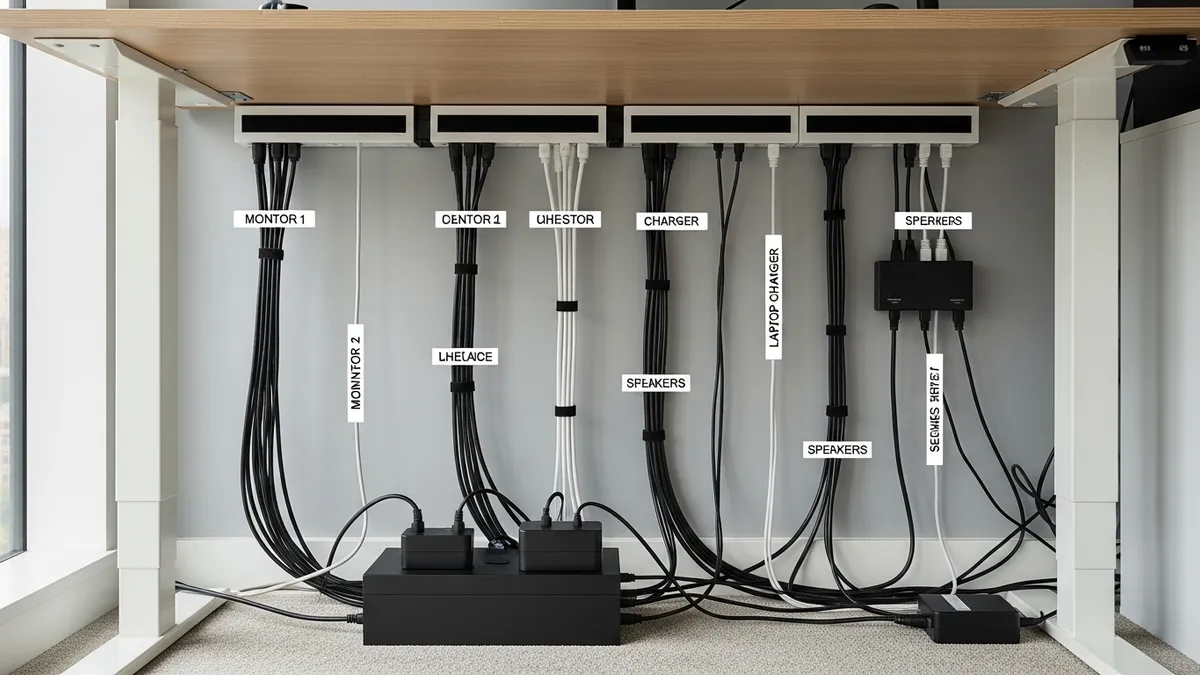
- Use velcro cable ties to bundle cords together and keep them from tangling
- Mount a cable management tray under your desk to hide power strips and excess cord length
- Use adhesive cable clips along the back edge of your desk to route cables neatly
- Label both ends of each cable so you always know what goes where
- Remove any cables that belong to devices you no longer own or use
Our desk cable management ideas guide goes into much greater detail with specific product picks and installation tips if you want to go deeper on this step.
Step 7: Set Up a Maintenance System So Clutter Does Not Return
The hardest part of any declutter office project is not the initial clean. It is keeping the space clean over time. Without a maintenance system, most offices return to their previous state within a few weeks.
The Daily Reset Habit
At the end of every workday, spend just two to three minutes doing a quick desk reset:
- Put away any supplies that came out during the day
- File or toss any paper that accumulated
- Wipe the desk surface quickly
- Close all open drawers and bins
Two to three minutes per day is far easier than a two-hour declutter session every few months. This small habit is the secret weapon of people who maintain genuinely organized offices year round.
Weekly and Monthly Reviews
In addition to the daily reset, schedule a slightly deeper review on a regular cadence:
- Weekly (5 minutes): Clear the inbox tray, process any outstanding action items, and check that supplies are back in their designated spots.
- Monthly (15-20 minutes): Review shelves and drawers for anything that has crept in and does not belong, purge unnecessary paper, and assess whether your current storage solutions are still working for you.
One In, One Out Rule
For physical items like books, supplies, and decorative objects, adopt a one-in-one-out rule. Every time something new comes into the office, something else leaves. This keeps the overall volume of stuff stable and prevents the slow accumulation that leads back to a cluttered space.
Best Storage Products to Help You Declutter Office Spaces
Having the right tools makes both the initial declutter and ongoing maintenance dramatically easier. Here are the categories of products most helpful for home offices in 2026:
- Desktop organizers: Multi-compartment caddies that hold pens, scissors, tape, and other daily use items without taking up excessive desk real estate
- Drawer organizers: Interlocking or adjustable trays that keep small supplies sorted and prevent drawer chaos
- Labeled storage boxes: Stackable boxes with labels for shelves and closets, ideal for archiving documents, storing seasonal supplies, or housing reference materials
- Cable management solutions: Clips, velcro ties, cable trays, and cord covers that eliminate visual and physical cord clutter
- Inbox and file trays: Tiered paper trays that give incoming documents a clear landing spot so they do not pile up on your desk
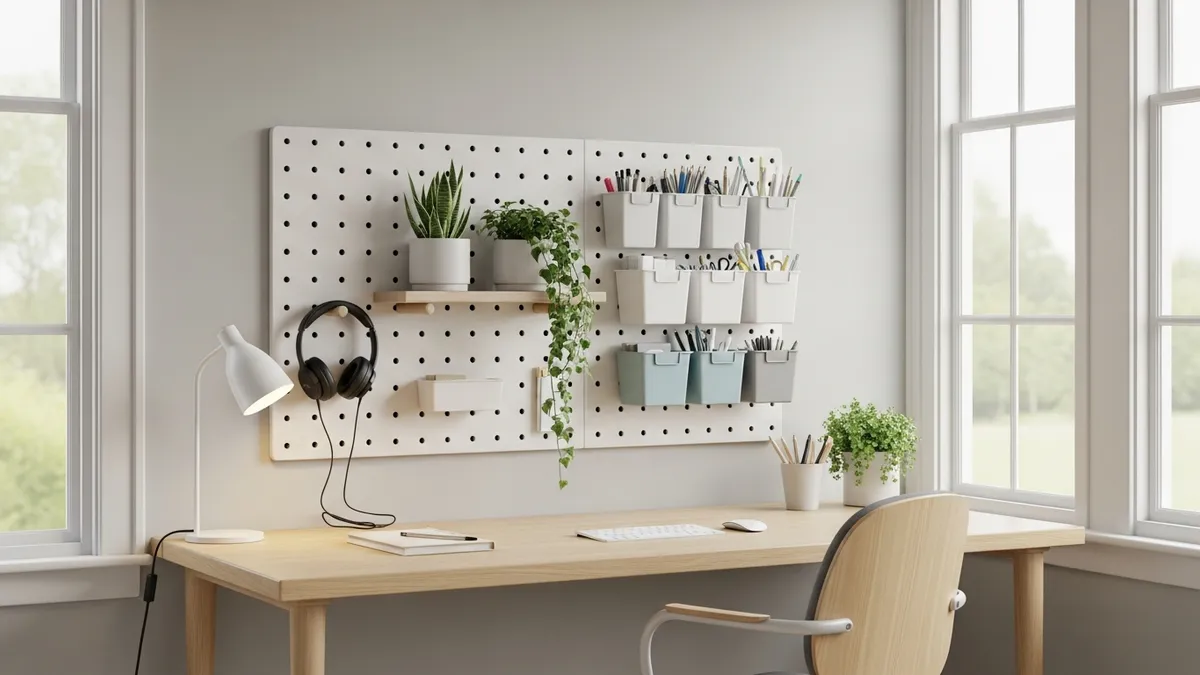
- Floating shelves: Wall-mounted shelves that add storage without eating into floor space, perfect for smaller home offices
Browse the Sesoris best sellers for top-rated home and office organization products that other US customers are already loving in 2026, or check out new arrivals for the latest additions to the workspace category.
Related Products from Sesoris
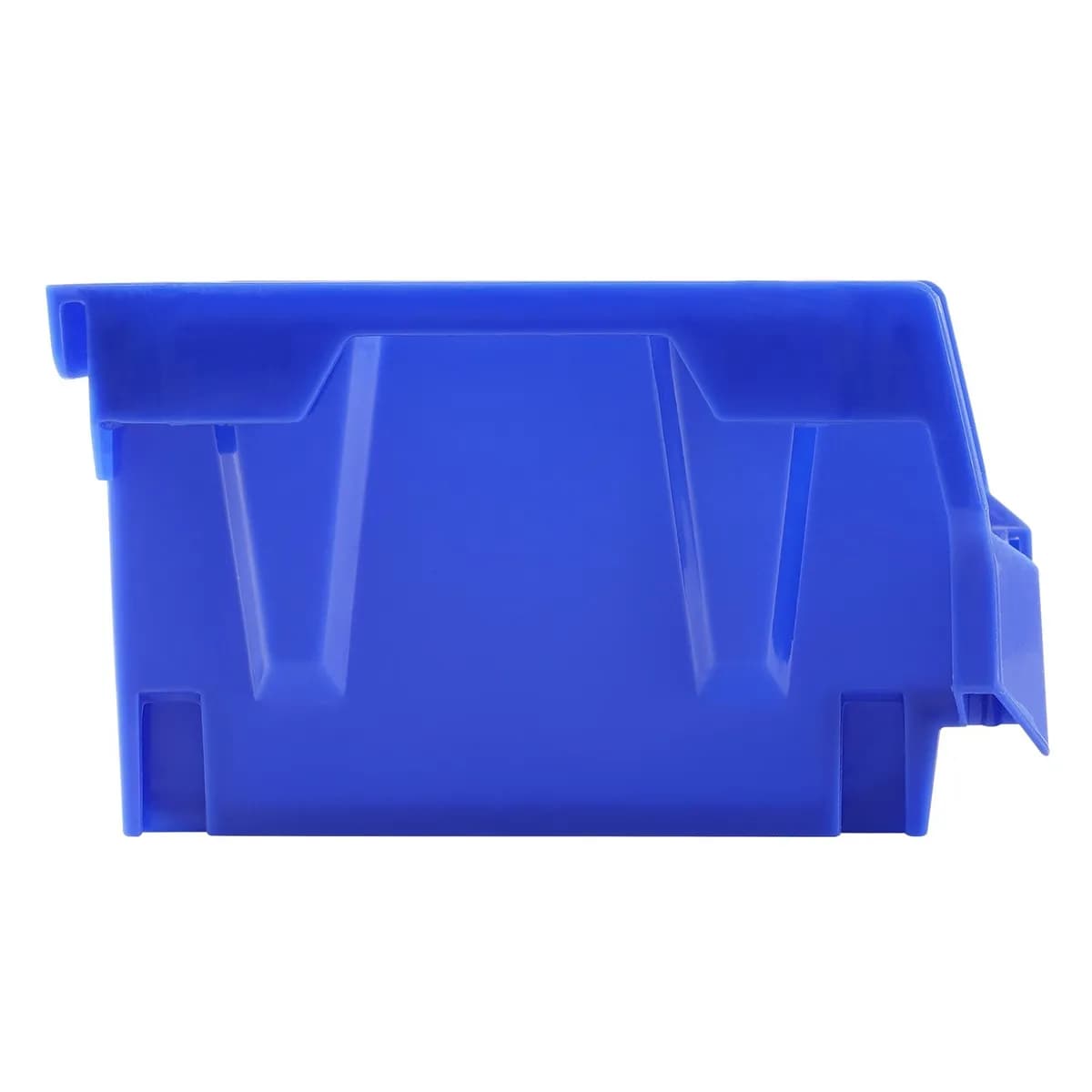
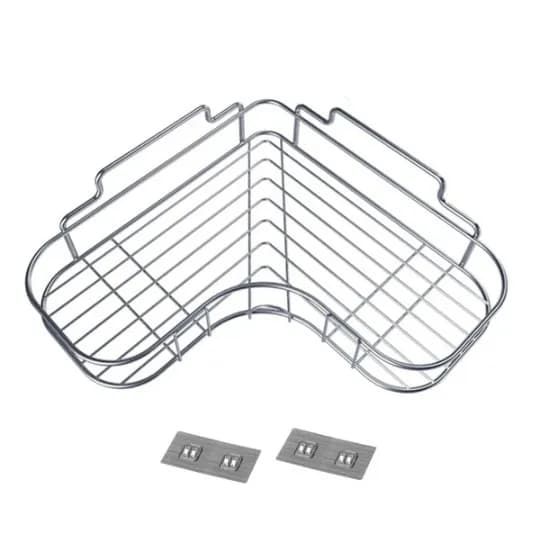
If you want to turn this guide into a real setup, start with Slide-Out Cabinet Drawer, Black Steel and Stackable Storage Bins, 24 Pack. For broader options, browse the Home & Decor collection so the article journey does not stop at reading only.
Our practical rule: choose one product that solves the main clutter problem first, then add supporting organizers only when the daily workflow is already clear. This keeps the shopping path useful, not pushy.
FAQ: Frequently Asked Questions About How to Declutter Office Spaces
How long does it take to fully declutter an office?
For most home offices, a thorough first-time declutter takes between two and four hours depending on how much stuff has accumulated. If you have not cleaned out your space in a year or more, budget a full afternoon. Once you have done the initial purge and set up a system, maintenance takes only a few minutes per day.
Should I declutter my office before buying organizers?
Yes, always declutter before you shop for organizers. A very common mistake is buying bins, trays, and boxes before knowing what you actually need to store. You might discover that once you have removed everything you do not need, you already have enough storage. Shop for organizers only after the purge so you buy the right sizes and quantities.
What do I do with office supplies I no longer need?
Gently used supplies like notebooks, binders, pens, and paper can be donated to local schools, community centers, thrift stores, or Buy Nothing groups in your neighborhood. Most schools are happy to receive office supply donations. Check with your local district to confirm their acceptance policies.
How do I stop paper from piling up again after a declutter?
Go as paperless as possible. Switch to digital billing, use a note-taking app instead of paper notebooks for non-critical notes, and process incoming mail the same day it arrives rather than letting it stack up. A simple two-slot inbox system with Action and To File slots also prevents paper from spreading across your desk.
Can a decluttered office actually improve my mental health?
Yes, meaningfully so. Visual clutter competes for your attention and contributes to background stress even when you are not consciously aware of it. Many people report feeling calmer and more focused within just a few days of working in a genuinely tidy space. The psychological benefit of an organized environment is well documented in behavioral research.
Conclusion: Take the First Step to Declutter Your Office Today
A cluttered office is not a permanent condition. It is a solvable problem, and the solution is simpler than most people expect. When you break the process down into clear, manageable steps, from setting up your zones and clearing the desk surface to tackling paper, organizing supplies, managing cables, and building a maintenance routine, the entire project becomes approachable and even satisfying.
The most important thing is to start. Pick one step from this guide and do it today, even if it is just clearing everything off your desk and wiping it down. That single action will give you momentum.
When you are ready to set up better storage systems, explore the full range of workspace and home organization products at Sesoris. From desk organizers to labeled storage boxes and cable management tools, everything you need to declutter office spaces and keep them that way is available at Sesoris.com. Live more organized, starting with the space where you spend your most productive hours.
Liked this guide?
Get new organizing guides and the occasional new product by email. No spam, unsubscribe anytime.
Related articles



Explore more articles
- How to Declutter Garage: The Complete 2026 Step-by-Step Guide to a Clean, Organized Space
- Free Printable Storage Bin Labels: The Complete 2026 Guide to a Perfectly Organized Home
- 25+ Best Entryway Closet Organization Ideas to Transform Your Home's First Impression in 2026
- 20+ Best Desk Cable Management Ideas to Build a Clean, Productive Workspace in 2026
- 30+ Stunning Indoor Plant Wall Shelf Ideas to Greenify Your Home in 2026
- 25+ Best Book Storage Ideas for Small Spaces to Maximize Every Inch in 2026
- 25+ Best Home Gym Organization Ideas to Build a Functional Workout Space in 2026
- How to Organize Your Desk: Complete 2026 Guide to a Productive Workspace