
Glass Containers Food Storage: The Ultimate Inspiration Guide to a Beautiful, Organized Kitchen in 2026
If you've ever opened your fridge and been greeted by a chaotic jumble of mismatched plastic tubs, you're not alone - and the solution might be simpler (and more beautiful) than you think. Glass containers food storage has become one of the biggest kitchen trends of 2026, combining elegant aesthetics with genuinely superior food preservation. Whether you're a meal-prep enthusiast, a sustainability-conscious home cook, or simply someone who wants a kitchen that looks as good as it functions, making the switch to glass containers is a transformation that touches every corner of your daily life. In this guide, we'll explore everything that makes glass food storage so inspiring - from the science behind why it works, to the most beautiful ways to style it in your home.
Why Glass Containers Food Storage Is Having a Major Moment in 2026
Glass storage has become a popular kitchen upgrade for people who want durable, reusable containers and a more intentional, coordinated space. The practical appeal is easy to understand: clear containers make contents visible, while matching shapes can simplify stacking and meal prep.
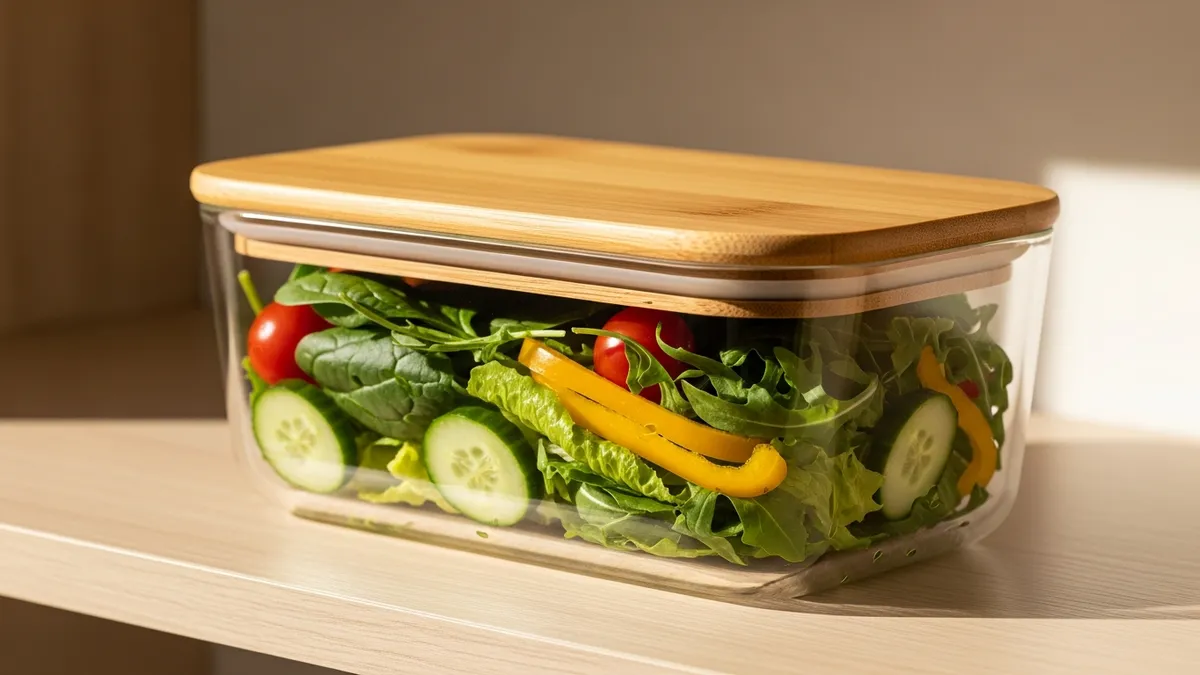
The core appeal of glass containers for food storage is elegantly simple: glass is inert. Unlike plastic, it doesn't absorb odors, stains, or flavors from your food. It doesn't contain BPA, phthalates, or any of the other chemicals that have made many consumers increasingly wary of plastic storage. And because glass is completely non-porous, bacteria have nowhere to hide - making it one of the most hygienic storage materials you can choose.
But beyond the health benefits, there's something undeniably inspiring about a kitchen filled with glass. When your leftovers, grains, and meal-prepped lunches are visible through clear walls of glass, you naturally waste less food, cook more intentionally, and feel a quiet pride every time you open the fridge or pantry. It turns the mundane act of food storage into a form of home artistry.
For more inspiration on transforming your kitchen into a beautifully organized space, check out our guide on best food storage solutions for your kitchen.
The Science Behind Glass: Why It Keeps Food Fresher Longer
Understanding *why* glass containers work so well for food storage makes you appreciate them even more. Let's get into the details that matter most.
Non-Reactive Material
Glass is chemically inert, meaning it does not react with the food stored inside. Acidic foods like tomato sauce, citrus-based marinades, or vinegar dressings can actually degrade certain plastics over time, allowing microscopic particles to migrate into your food. With glass, that simply doesn't happen - your spicy leftover curry tastes exactly as you made it, with zero container influence.
Temperature Resistance
Most quality glass food storage containers are made from borosilicate or tempered soda-lime glass, both of which are engineered to handle significant temperature swings. Borosilicate glass, in particular, can handle temperatures ranging from -40°F (-40°C) to 572°F (300°C), making it safe for the freezer, the microwave, the oven (always check the lid!), and the dishwasher. This versatility alone makes glass containers a remarkable kitchen investment.
Superior Odor and Stain Resistance
Have you ever stored leftover pasta sauce in a plastic container and found it permanently stained orange afterward? Glass eliminates this problem entirely. Its non-porous surface means no staining, no odor absorption, and no ghostly residue of last week's fish curry haunting your container indefinitely. A simple wash in hot soapy water (or the dishwasher) and your glass containers look brand new every single time.
Airtight Seals That Actually Work
The best glass containers come equipped with lids featuring silicone seals and snap-lock clamps that create a reliable barrier. A dependable seal helps protect food and makes containers easier to transport, but storage time still depends on the food and refrigerator temperature. The U.S. EPA's food-waste prevention guidance recommends clear, dated, labeled containers and effective storage practices so food is easier to use before it spoils.
For related insights, explore our deep-dive into airtight food storage containers to understand how sealing technology works across different container materials.
A Visual Guide to Glass Container Styles: Finding Your Perfect Match
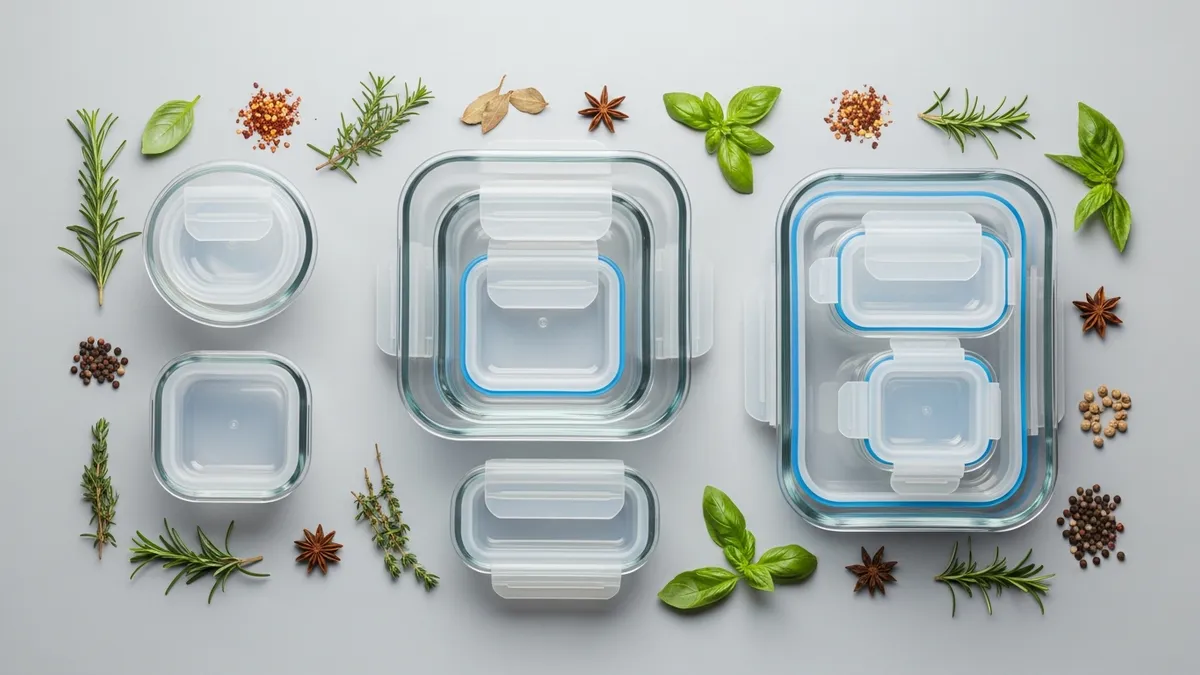
Part of the joy of glass containers food storage is the sheer variety available in 2026. There's genuinely a glass container for every need, every aesthetic, and every budget. Here's an inspiring look at the main styles:
Rectangular Snap-Lock Containers
The workhorse of the glass storage world. Rectangular containers stack efficiently in the fridge and pantry, making them ideal for meal-prepped lunches, leftover dinners, and sandwich fillings. They typically come in sizes ranging from 0.5 cups (perfect for sauces) to 8 cups (great for family-sized portions). Many sets are available starting at $24.99 for a 4-piece set, making them accessible for most budgets.
- Best for: Meal prep, leftovers, fridge organization
- Lid style: Snap-lock plastic lids with silicone gaskets are the most common
- Pro tip: Look for sets where all lids are interchangeable to reduce clutter
Round Storage Jars with Airtight Lids
Round glass jars with bamboo, stainless steel, or glass lids are the darlings of pantry organization. They're ideal for dry goods like grains, pasta, nuts, seeds, coffee, and spices. When lined up on an open shelf, matching round glass jars create a stunning apothecary-style aesthetic that regularly goes viral on home organization platforms. Sets of 6 round jars typically start at around $34.99.
- Best for: Pantry dry goods, cereals, coffee, tea
- Lid style: Bamboo lids for aesthetics; metal clamp lids for maximum airtightness
- Pro tip: Add uniform kraft paper labels for a cohesive, magazine-worthy look
Pyrex-Style Baking Dish Containers
These deeper rectangular glass containers double as both baking dishes and food storage containers - a genuinely brilliant dual-purpose design. You can bake a lasagna in them, let it cool, snap on the lid, and store it directly in the fridge or freezer. Prices for quality oven-safe glass storage containers start at around $18.99 for a single 3-quart piece. Our Pyrex glass food storage containers guide covers this category in detail.
- Best for: Batch cooking, baked goods, casseroles
- Lid style: Plastic snap-lock lids (remove before oven use)
- Pro tip: These are excellent for freezer-to-oven convenience cooking
Clip-Top Glass Jars (Weck Style)
Perhaps the most aesthetically beloved glass storage format, clip-top jars with rubber seals and metal clamps have a timeless, European farmhouse quality that feels simultaneously vintage and modern. They're airtight, beautiful, and perfect for everything from overnight oats to fermented vegetables. They typically start at $9.99 per jar or around $44.99 for a set of 6.
- Best for: Beverages, overnight oats, soups, fermentation
- Lid style: Glass lid with rubber seal and metal wire clamp
- Pro tip: The rubber seals are replaceable, making these containers a genuinely long-term investment
The Most Inspiring Ways to Use Glass Containers Food Storage in Your Home
This is where the real magic happens. Beyond simply keeping food fresh, glass containers food storage offers a genuinely transformative potential for how your kitchen looks, feels, and functions. Here are the most inspiring applications we're seeing across beautifully organized homes in 2026:
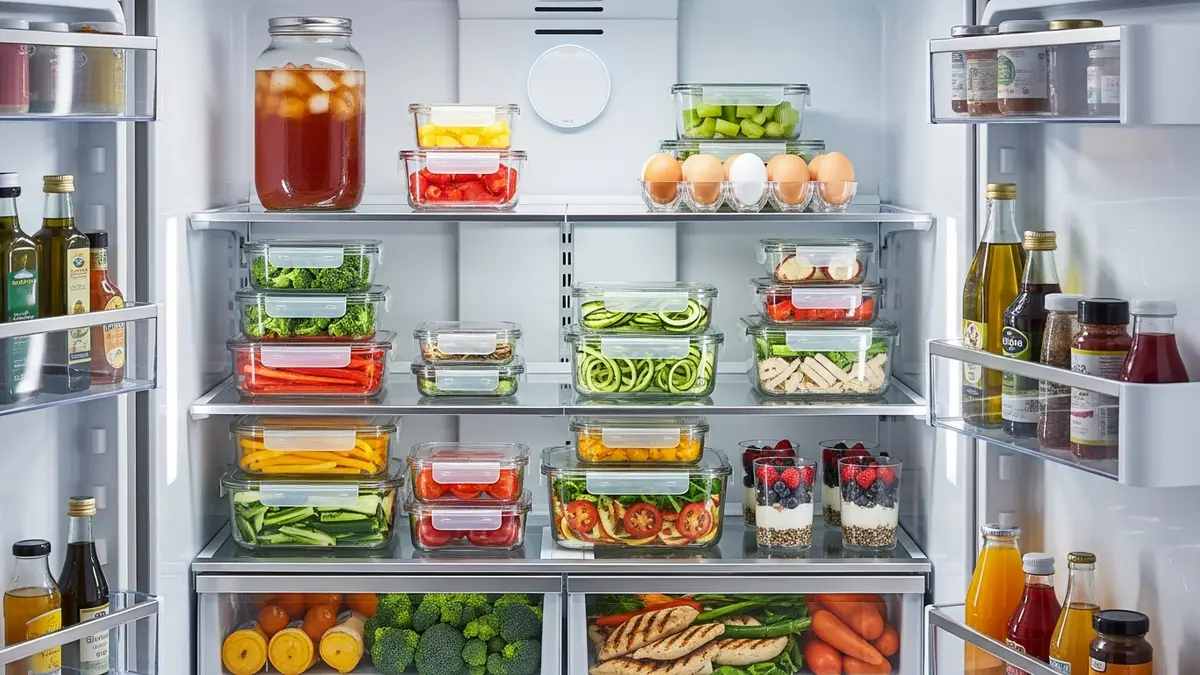
The Meal Prep Fridge of Your Dreams
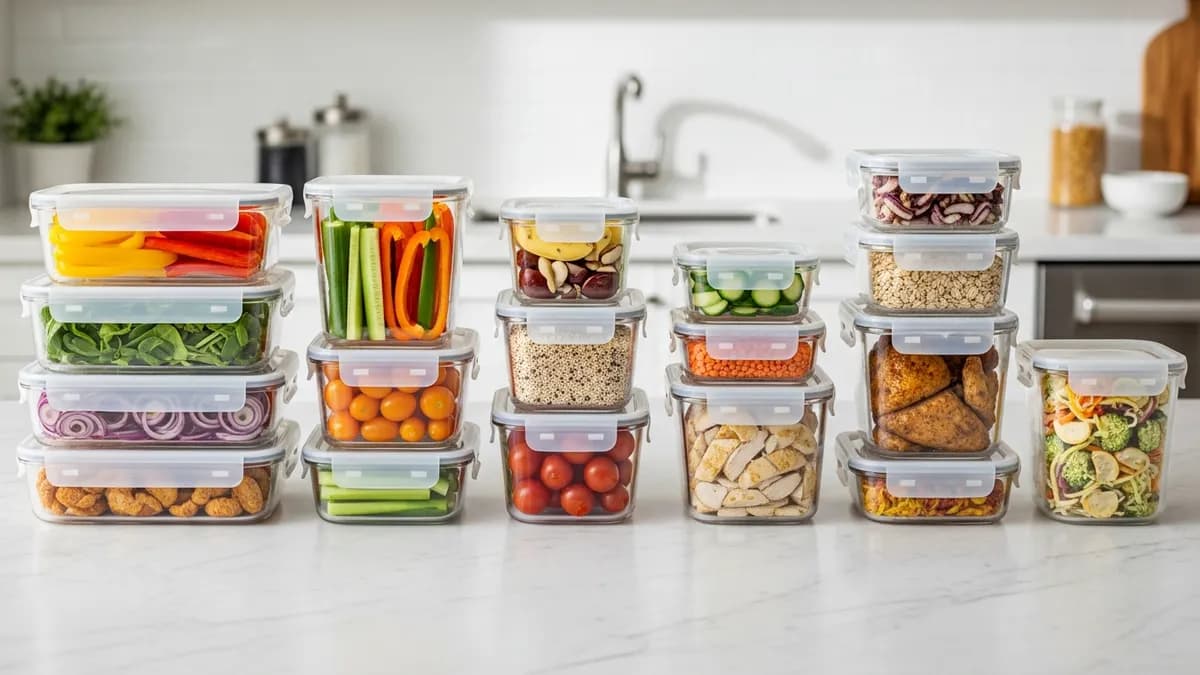
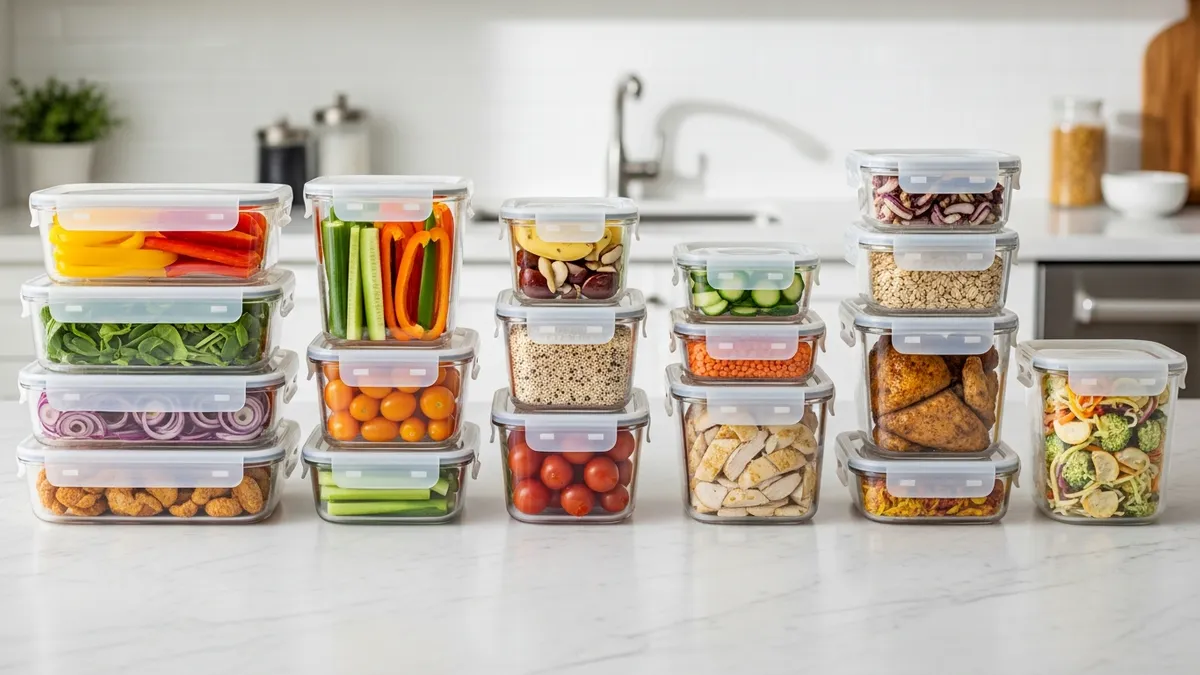
Imagine opening your refrigerator on a Monday morning to find a perfectly organized grid of matching glass containers, each one clearly showing its contents through transparent walls - overnight oats ready for breakfast, sliced vegetables for snacking, marinated chicken for dinner, homemade soups for the week ahead. This is the meal-prep fridge aesthetic that has captured millions of imaginations online, and it's entirely achievable with a coordinated set of glass storage containers.
The key is uniformity. Choose one brand or one set that offers multiple sizes with interchangeable lids, so every container in your fridge speaks the same visual language. Stack smaller containers on top of larger ones to maximize vertical space. Clear containers also make it easier to see what you have and prioritize food that should be used soon.
For a complete fridge organization approach, our guide on kitchen food storage containers offers an excellent deep-dive into building a cohesive kitchen storage system.
The Pinterest-Worthy Pantry
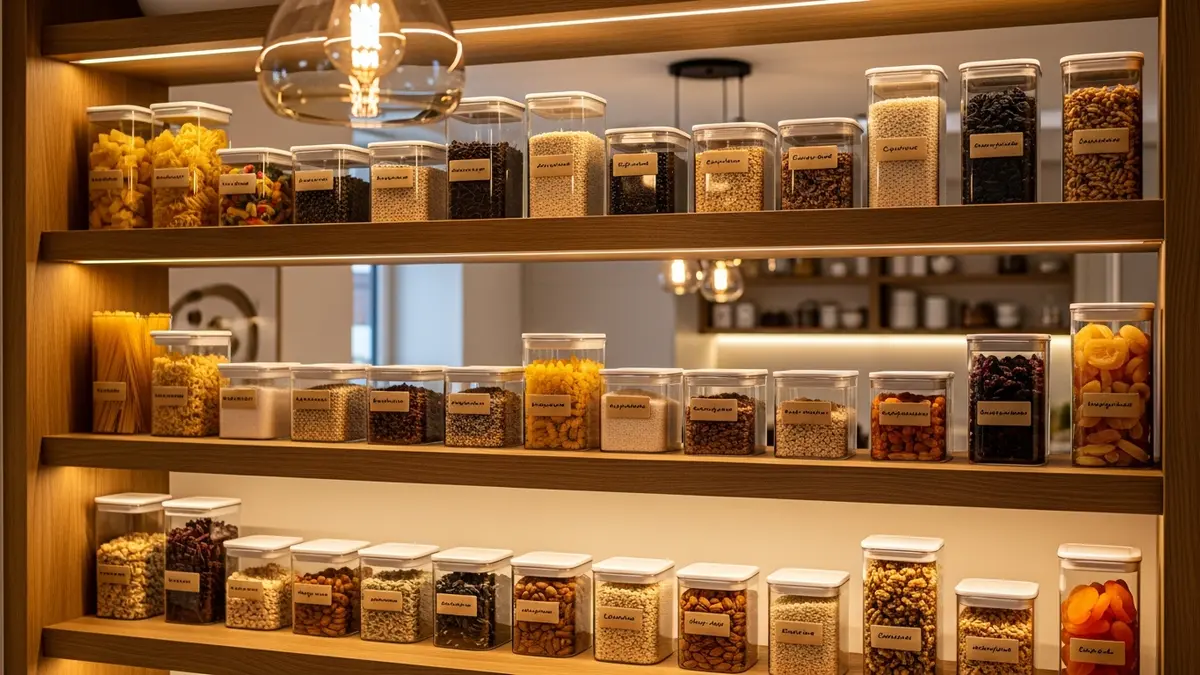
Open shelving in a pantry is one of the most dramatic design moves you can make in a kitchen - but it only works beautifully when the containers on display are worth showing off. This is where glass jars and containers truly shine. Filling a set of identical glass jars with pasta, quinoa, lentils, rolled oats, and brown sugar, then labeling them uniformly, creates a clean, coordinated pantry display.
Visual order can also make a pantry easier to use. When ingredients are visible, grouped, and clearly labeled, it takes less effort to check what is in stock and choose what to cook next.
- Start with a consistent jar size for all your dried staples (pasta, grains, legumes)
- Use a slightly larger size for cereals and snacks
- Use small jars for spices and baking essentials
- Choose one label style (hand-lettered, printed, or chalk labels) and stick to it
- Arrange by color or food category for maximum visual impact
The Minimalist Countertop Display
Not all glass food storage needs to be hidden away. A curated selection of beautiful glass jars on your countertop - holding coffee beans, cooking oils in decanters, wooden utensils, and fresh herbs - creates a functional still life that elevates the entire feel of your kitchen. This approach is especially powerful in small kitchens where countertop real estate is precious: when every item on the counter is beautiful and purposeful, the space feels intentional rather than cramped.
Zero-Waste Kitchen Champion
One of the most inspiring dimensions of glass containers food storage is its environmental story. A durable set can be reused many times, reducing reliance on disposable bags and containers. Longevity depends on careful handling, sound lids, and replacing damaged pieces rather than continuing to use chipped or cracked glass.
For those on a journey toward a more eco-conscious lifestyle, our article on sustainable living tips for your home pairs beautifully with a glass container upgrade as part of a broader zero-waste kitchen transformation.
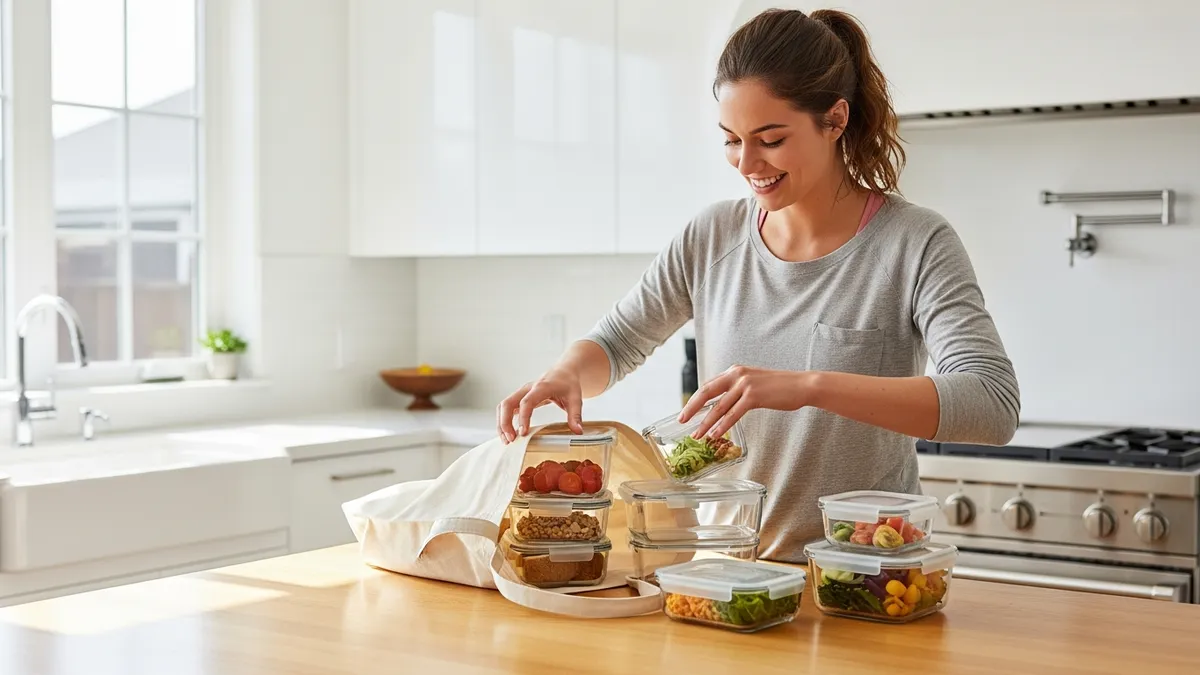
How to Style Glass Food Storage Containers for a Magazine-Worthy Kitchen
Styling your glass containers is genuinely one of the most enjoyable parts of this kitchen upgrade. Here's an inspirational framework for creating a cohesive, beautiful system:
Choose a Color Story for Your Lids
The container itself will always be clear glass - but lid colors can vary dramatically. In 2026, the most popular aesthetics are:
- Natural/Organic: Bamboo or wood lids, cream ceramic knobs - perfect for farmhouse or Japandi kitchens
- Modern Minimalist: Matte black metal lids or clear glass-on-glass - perfect for contemporary kitchens
- Warm Coastal: Cork lids or light oak - perfect for Mediterranean or Scandinavian-inspired kitchens
- Bold Contemporary: Colored silicone lids in terracotta, sage, or slate - perfect for eclectic or maximalist kitchens
The Rule of Three Sizes
For visual harmony on shelves, interior designers consistently recommend working with three container sizes in any given display zone. A large container, a medium container, and a small container create a pleasing rhythm that the eye naturally finds satisfying. Apply this rule to your pantry shelves, your countertop, and your fridge door organizers for an instantly polished result.
Lighting Makes Everything Better
Thoughtful organization and good lighting can make a kitchen feel polished without requiring a full renovation.
If you have under-cabinet LED lights or a pantry with interior lighting, glass containers become genuinely spectacular - the contents glow warmly, colors pop, and the whole display takes on a quality that goes far beyond mere storage. Consider adding simple LED strip lighting to open shelves where you display your glass container collection for a truly stunning effect.
Practical Tips for Getting the Most from Your Glass Food Storage System
Beyond aesthetics, here are the most practical tips for maximizing the performance and longevity of your glass containers food storage collection:
- Always cool hot food before sealing. Trapping steam inside a glass container can compromise the lid seal and create condensation that accelerates spoilage. Let food cool to room temperature or refrigerate uncovered for 30 minutes first.
- Leave headspace in the freezer. Liquids expand when frozen. Leave at least ½ inch (1.25 cm) of headspace in any glass container destined for the freezer to prevent cracking.
- Avoid sudden temperature changes with non-borosilicate glass. Standard soda-lime glass containers should not go directly from the freezer to a hot oven. Always allow gradual temperature transitions.
- Inspect gaskets regularly. The silicone seals on airtight lids are the most wear-prone part of any glass container system. Replace them annually or whenever they show signs of cracking or losing elasticity.
- Hand-wash bamboo and wood lids. Even if the glass is dishwasher-safe, natural material lids should always be hand-washed and dried immediately to prevent warping and cracking.
- Use drawer liners or shelf mats. Placing glass containers on bare hard shelves can lead to micro-chips at the base over time. A simple rubber shelf mat adds grip and cushioning.
- Store lids separately when not in use. Stacking glass containers without lids (and storing all lids in a dedicated drawer or organizer) saves significant space and makes finding the right lid effortless.
For a comprehensive look at lid management specifically, our food storage containers lids guide is an invaluable resource.
Glass vs. Plastic vs. Stainless Steel: Which Is Right for You?
To make a fully informed decision about glass containers food storage, it helps to understand how glass stacks up against the most common alternatives:
Glass vs. Plastic
Plastic containers are generally lighter and less expensive upfront. However, some can stain or absorb odors, and most are not oven-safe. Glass is heavier and breakable, but its non-porous surface and heat tolerance can make it a strong choice for home use. Always follow the manufacturer's temperature and handling instructions for either material.
For a detailed comparison of safe plastic alternatives, our BPA-free food storage containers guide is a great companion read.
Glass vs. Stainless Steel
Stainless steel containers are excellent - durable, completely non-reactive, and lightweight compared to glass. However, they have one significant limitation: you can't see what's inside without opening them. For fridge organization and pantry displays, the visibility factor of glass is a meaningful functional advantage, not just an aesthetic one. Stainless steel wins for portability (lunchboxes, outdoor use), while glass wins for home kitchen organization. Our stainless steel food storage containers guide explores that category in depth if you're weighing both options.
Related Products from Sesoris
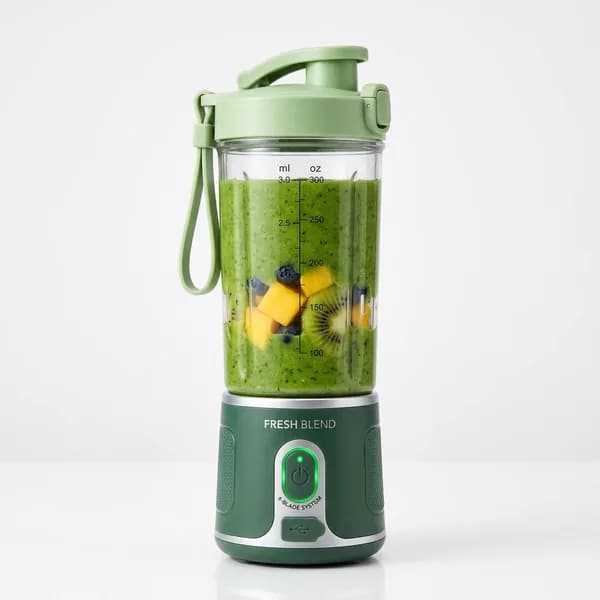
If you want to turn this guide into a real setup, start with Stainless Steel 2-Tier Dish Rack and Portable Blender. For broader options, browse the Kitchen & Dining collection so the article journey does not stop at reading only.
Our practical rule: choose one product that solves the main clutter problem first, then add supporting organizers only when the daily workflow is already clear. This keeps the shopping path useful, not pushy.
FAQ: Frequently Asked Questions About Glass Containers Food Storage
Q: Are glass food storage containers safe for the microwave?
Most glass containers are microwave-safe, but always remove the lid first unless the lid is specifically labeled microwave-safe. Borosilicate glass is the safest option for microwave use due to its superior thermal resistance. Check the manufacturer's labeling on the bottom of each container to confirm.
Q: Can I put glass containers directly in the freezer?
Yes - most tempered and borosilicate glass containers are freezer-safe. The key rules are: always leave at least ½ inch of headspace for liquid expansion, ensure the container is fully cooled before freezing, and avoid placing a frozen glass container directly into a hot oven or hot water. Gradual temperature changes are your friend.
Q: How do I remove stubborn stains or odors from glass containers?
Glass rarely stains or absorbs odors, but if it does (usually from turmeric or strong spices), fill the container with a mixture of 1 part white vinegar and 2 parts warm water, let it soak for 30 minutes, then wash normally. For persistent odors, a paste of baking soda and water left in the container overnight works beautifully.
Q: What is the best glass for food storage containers - borosilicate or soda-lime?
Both are safe for food storage. Borosilicate glass is superior for thermal resistance and durability (used in scientific glassware and premium kitchen brands), making it the better choice if you plan to use containers in the oven or move them between extreme temperatures. Soda-lime glass (the most common type) is perfectly safe for fridge, freezer, and microwave use and is typically more affordable.
Q: How many glass containers do I actually need?
A practical starter set for a household of 2-4 people typically includes: 4 large containers (3-4 cup capacity for full meals), 4 medium containers (1.5-2 cup capacity for sides and snacks), and 4 small containers (0.5-1 cup for sauces, dressings, and small portions). That's 12 containers total, and a quality set at this size typically costs between $45-$85 depending on the brand.
Q: Are glass containers worth the higher upfront cost?
They can be, especially if you use them frequently and care for them properly. Their non-porous surface, versatility, and reusability may offset the higher upfront price over time. Replace any container that becomes chipped or cracked, and replace lids when their seals no longer work reliably.
Conclusion: Elevate Your Kitchen with Glass Containers Food Storage
There are few kitchen upgrades as simultaneously practical, beautiful, and meaningful as making the switch to glass containers food storage. In 2026, this isn't just about keeping your leftovers fresh - it's about creating a kitchen that inspires you every single day. It's about reducing your environmental footprint, protecting your family from unnecessary chemical exposure, and building a home that reflects your values as much as your aesthetic.
Whether you start with a simple 12-piece set of rectangular containers for meal prep, a row of matching glass jars to transform your pantry, or a mix of beautiful clip-top jars for your countertop display, every glass container you add to your kitchen is a small investment in a more organized, more beautiful, more intentional way of living.
Ready to start your glass container journey? Explore the full range of home organization and food storage solutions at Sesoris - where every product is chosen to help you organize your life with ease. Browse our collections for curated sets, or check out our best sellers to see what other home organizers are loving right now. Your dream kitchen is closer than you think.
Weekly Home Tips
Get home organization ideas, product picks, and exclusive deals delivered weekly.
No spam. Unsubscribe anytime.

Explore More Articles
- Best Containers for Dog Food Storage: Keep Your Pet Food Fresh in 2026
- Minimalist House Paint Colors: 25+ Best Ideas for Modern Homes 2026
- 30+ Best Garage Cabinet Ideas to Transform Your Storage Space in 2026
- Playroom Organization: 30+ Smart Ideas to Create a Fun, Tidy Kids' Space in 2026
- 30+ Best Bedroom Organization Ideas to Transform Your Sleep Space in 2026
- 30+ Best Small Pantry Ideas to Maximize Every Inch of Your Kitchen Storage in 2026
- 30+ Best Dresser Drawer Organization Ideas to Transform Your Bedroom in 2026
- 30+ Best Small Entryway Organization Ideas to Transform Your Home's First Impression in 2026