
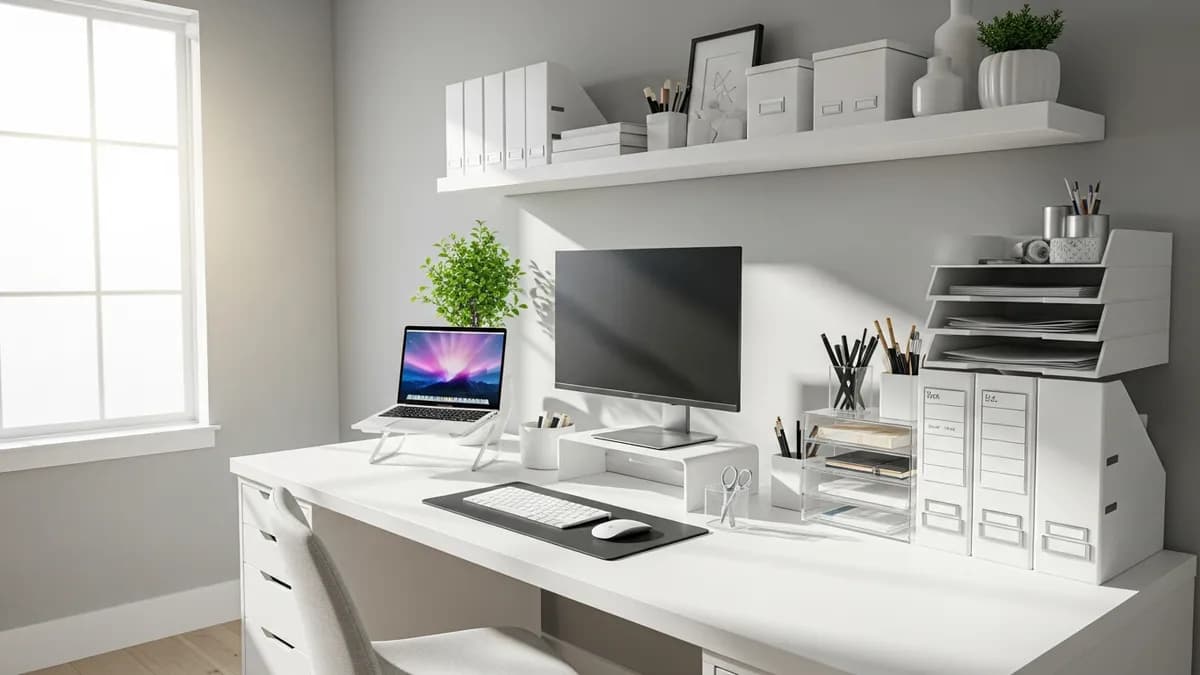
Complete Guide to Home Office Organization for Maximum Productivity in 2026
Creating an efficient workspace at home has become more crucial than ever, with remote work continuing to dominate in 2026. Organization for home office spaces directly impacts productivity, focus, and overall work satisfaction. Studies show that well-organized workspaces can increase productivity by up to 65% while reducing stress levels significantly. Whether you're setting up a dedicated office room or carving out a productive corner in your living space, mastering home office organization is essential for professional success and personal well-being.
From our perspective shipping daily to homes across Indonesia, smaller spaces often end up more organized because their owners are more disciplined.
Essential Elements of Home Office Organization Systems
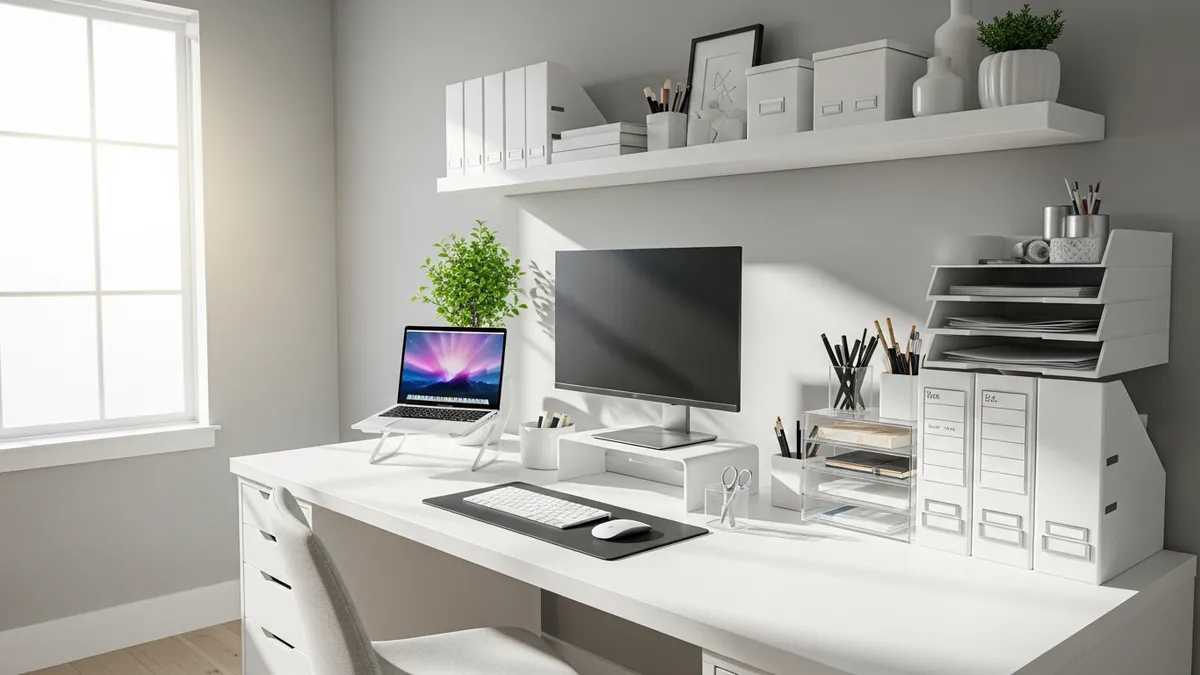
Successful organization for home office environments starts with understanding the core components that make any workspace functional. The foundation includes designated zones for different activities, proper storage solutions, and systems that support both digital and physical workflow management. For additional information, also see the guide from The Spruce.
Key Takeaways: > - Choose products with clear safety labels (food-grade, BPA-free) for daily use > - Investing slightly more in quality materials (glass, grade 304 stainless steel) saves long-term costs > - Match sizes to family needs, neither too large nor too small > - Local marketplaces like Tokopedia, Shopee, and Sesoris offer competitive prices with maintained quality
The Three-Zone Approach to Office Layout
Professional organizers recommend dividing your home office into three distinct zones: the active work zone (your desk area), the reference zone (frequently accessed materials), and the storage zone (archived documents and supplies). This approach ensures everything has a designated place and reduces time spent searching for items by approximately 40%.
- Active Zone: Immediate desk area within arm's reach
- Reference Zone: Shelving and storage within 3 feet of your chair
- Storage Zone: Less frequently used items in cabinets or closets
- Supply Station: Centralized location for office supplies and equipment
Creating Workflow-Based Storage Systems
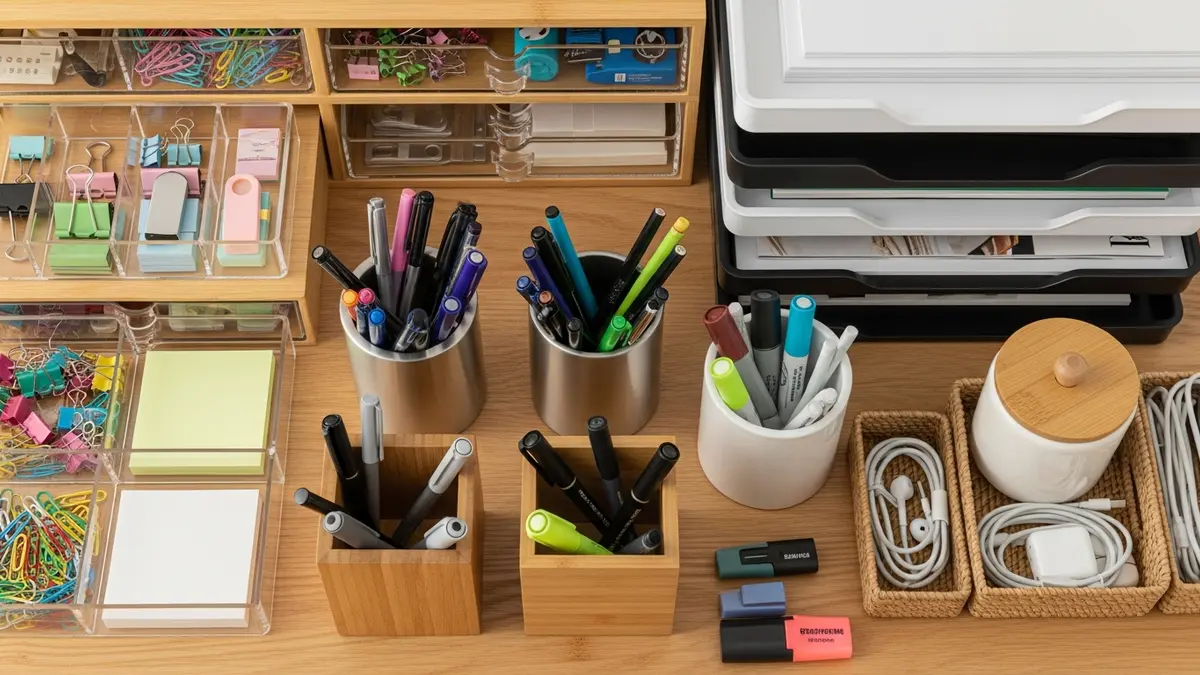
Organize materials based on how frequently you use them rather than by category. Items used daily should be within immediate reach, while weekly items can be stored in nearby drawers or shelves. Monthly or seasonal items belong in less accessible but still organized storage areas.
Step-by-Step Tutorial: Setting Up Your Home Office Organization
This comprehensive tutorial will guide you through creating a fully organized home office system that maintains itself with minimal daily effort. The process typically takes 4-6 hours for a complete setup but saves countless hours of searching and stress throughout the year. For additional information, also see the guide from Real Simple.
Step 1: Complete Workspace Assessment and Decluttering
Begin by removing everything from your office space and sorting items into four categories: keep and use regularly, keep but use occasionally, relocate to another room, and donate or discard. Most home offices contain 30-40% more items than necessary for optimal function.
Step 2: Design Your Storage Infrastructure
Invest in quality storage solutions that match your specific needs. Sesoris storage containers offer excellent options for home office organization, with clear containers starting at $13 that allow easy identification of contents.
- Desk Organizers: Drawer dividers and desktop organizers for immediate access items
- File Systems: Both physical filing cabinets and digital organization tools
- Supply Storage: Clear containers for office supplies, labeled and easily accessible
- Archive Solutions: Sealed boxes for long-term document storage
Step 3: Implement Digital Organization Systems
Modern organization for home office success requires mastering both physical and digital clutter. Create folder structures on your computer that mirror your physical filing system for consistency. Use cloud storage with clear naming conventions and regular backup schedules.
Step 4: Cable Management and Tech Organization
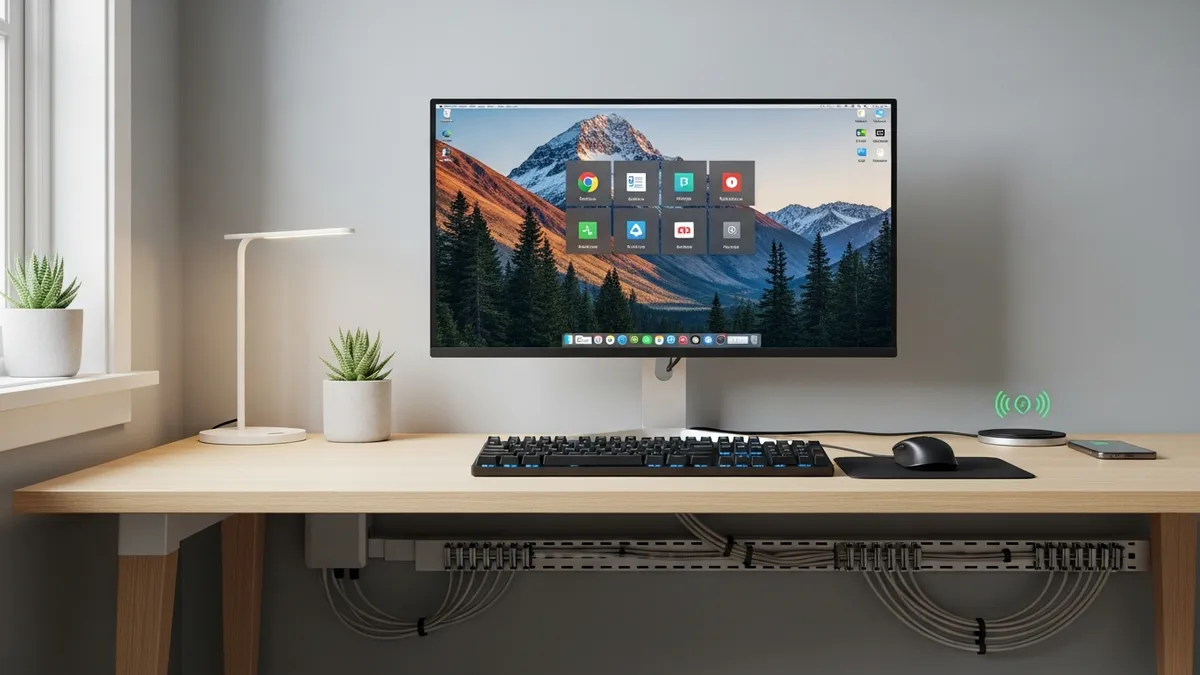
Tangled cables can make even the most organized desk look chaotic. Implement a cable management system using cord organizers, cable trays, and wireless charging stations where possible. This reduces visual clutter and makes cleaning significantly easier.
Smart Storage Solutions for Different Home Office Sizes
Organization for home office spaces must adapt to available square footage while maintaining functionality. Whether you have a dedicated room or a compact corner, strategic storage solutions can maximize every inch of available space.
Large Home Office Organization (150+ sq ft)
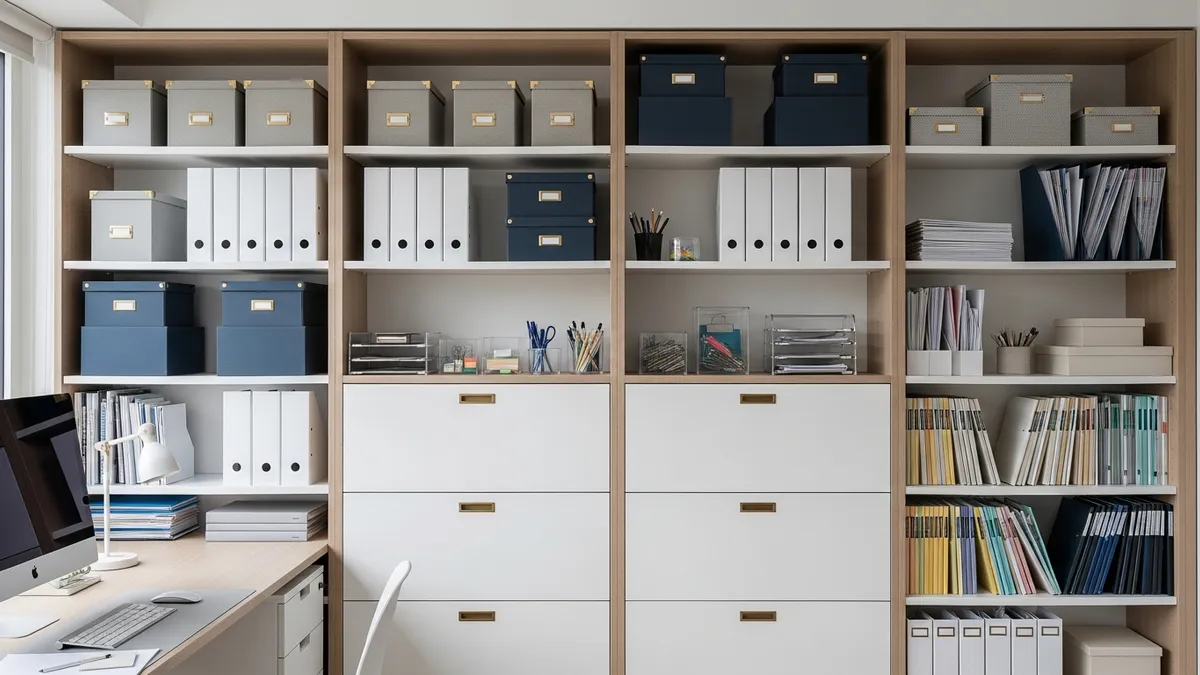
Spacious offices allow for comprehensive storage systems including full-height bookcases, filing cabinets, and dedicated supply closets. Focus on creating distinct zones and ensuring each area serves a specific purpose without becoming cluttered.
Medium Home Office Setup (75-150 sq ft)
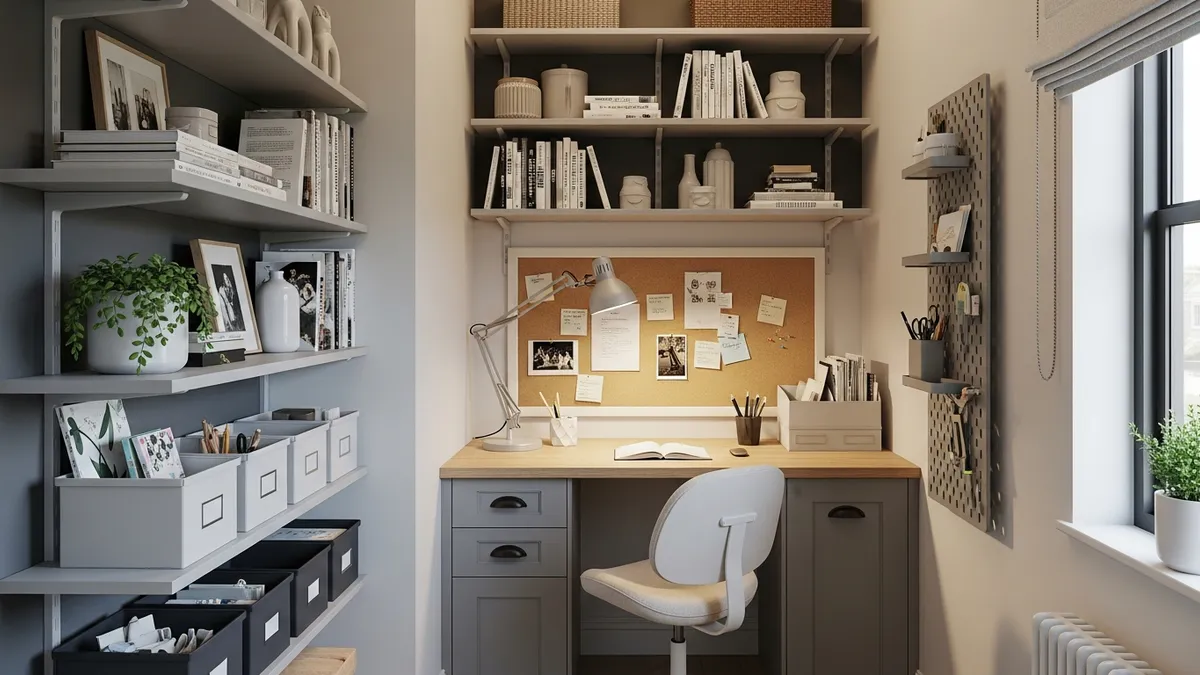
Medium-sized offices benefit from vertical storage solutions and multi-functional furniture. Consider desks with built-in drawers, wall-mounted shelving, and storage boxes that can double as seating when needed.
Small Home Office Solutions (Under 75 sq ft)
Compact offices require creative storage approaches including over-door organizers, under-desk storage carts, and wall-mounted systems that don't consume floor space. Every storage solution should serve multiple purposes to maximize efficiency.
Digital Organization Strategies for Home Offices
Physical organization for home office spaces is only half the equation. Digital organization prevents electronic clutter from undermining your productivity and ensures important files remain accessible and secure.
File Naming and Folder Structure Systems
Implement consistent naming conventions using dates, project codes, and descriptive titles. Create master folders for major categories (Clients, Projects, Administration, Resources) with logical sub-folders that match your physical filing system.
Email Management and Productivity
Uncontrolled email can derail even the most organized office. Set up filtered folders, use scheduling tools for non-urgent correspondence, and maintain inbox zero through daily processing routines. Research from Good Housekeeping shows organized email systems save an average of 45 minutes daily.
Maintaining Your Home Office Organization System
Creating organization systems is only the beginning; maintaining them requires consistent daily habits and periodic reviews to ensure they continue serving your evolving needs effectively.
Daily Maintenance Routines (5-10 minutes)
End each workday with a quick reset routine: clear your desk surface, file any loose papers, return supplies to designated locations, and review tomorrow's priorities. This small investment prevents organization systems from deteriorating.
- Clear desk surface completely
- File or scan loose documents
- Return supplies to designated spots
- Empty trash and recycling
- Prepare tomorrow's priority items
Weekly Organization Reviews (15-20 minutes)
Dedicate time each week to deeper organization maintenance including emptying and reorganizing desk drawers, backing up digital files, and assessing whether current systems are meeting your needs effectively.
Monthly System Optimization
Monthly reviews allow you to identify patterns in your work habits and adjust storage systems accordingly. Consider whether frequently used items need to move closer to your active work zone or if seasonal supplies can be archived.
Budget-Friendly Home Office Organization Ideas
Effective organization for home office spaces doesn't require expensive custom solutions. Many highly functional storage systems can be created using affordable materials and creative repurposing of household items.
DIY Storage Solutions Under $50
Transform everyday items into organizational tools: use mason jars for desk supplies, repurpose shoe boxes as drawer dividers, and create filing systems using binders and sheet protectors. These solutions often work as well as expensive alternatives while staying within tight budgets.
Affordable Storage Products That Deliver Results
Invest strategically in key organizational tools that provide maximum impact. Quality desk organizers starting at $9 can transform workspace functionality, while basic filing systems prevent document chaos for under $25
Specialized Organization for Different Work Types
Organization for home office needs vary significantly based on your profession and work style. Customizing your approach ensures maximum efficiency for your specific requirements and workflow patterns.
Creative Professionals and Artists
Creative work requires easy access to supplies while maintaining inspiration through organized display of materials. Use clear containers for art supplies, create inspiration boards with proper lighting, and ensure adequate storage for works in progress.
Digital Workers and Consultants
Technology-focused professionals need robust digital organization combined with minimal physical storage. Prioritize cable management, backup systems, and ergonomic equipment while maintaining clean, distraction-free environments.
Hybrid Workers (Office + Home)
Workers splitting time between home and office need portable organization systems. Use laptop bags with built-in organizers, duplicate essential supplies in both locations, and maintain synchronized digital filing systems across all devices.
Common Home Office Organization Mistakes to Avoid
Even well-intentioned organization for home office efforts can fail due to common planning mistakes. Understanding these pitfalls helps create sustainable systems that truly improve productivity and reduce stress.
Over-Organizing and System Complexity
Complex organization systems often fail because they require too much daily maintenance. Keep systems simple enough to maintain consistently, even during busy periods. The best organization system is one you'll actually use regularly.
Ignoring Personal Work Patterns
Generic organization advice doesn't account for individual work styles and preferences. Pay attention to how you naturally work and organize systems to support these patterns rather than fighting against them.
"The most effective home office organization system is the one that feels natural to maintain and evolves with your changing work needs."
Related Articles
Explore other guides from Sesoris to complement your knowledge:
Digital vs. Physical Organization: Finding the Right Balance
Modern home and office organization must address both digital and physical clutter. Research from The Spruce indicates that 68% of remote workers struggle with managing both digital files and physical documents in shared spaces.
Physical organization remains crucial for items you handle daily: supplies, reference materials, and equipment. However, digitizing documents, receipts, and reference materials can reduce physical storage needs by up to 60%. The key is creating parallel systems where physical and digital organization complement rather than complicate each other.
Digital Organization Strategies:
- Cloud-based filing systems that mirror physical folder structures
- Digital scanning apps for paper document reduction
- Shared digital calendars for household and work scheduling
- Password managers for secure credential organization
Ergonomic Organization for Health and Comfort
Proper organization of home office must consider ergonomic principles to prevent health issues. An ergonomically organized workspace can reduce physical strain by 45% and increase daily comfort significantly.
Monitor and Equipment Positioning
Position your equipment to support healthy posture:
- Monitor at eye level to prevent neck strain
- Keyboard and mouse at elbow height for comfort
- Frequently used items within arm's reach
- Document holders to reduce neck rotation
Lighting and Visual Organization
Proper lighting organization reduces eye strain by 30%. Position your desk perpendicular to windows to minimize glare, and use task lighting for detailed work.
FAQ: Frequently Asked Questions About Home Office Organization
Q: How long does it take to organize a home office completely?
A complete home office organization typically takes 4-8 hours depending on the size and current state of your space. Plan to spread this work over several sessions to avoid fatigue and make better decisions about what to keep, relocate, or eliminate.
Q: What are the most essential storage items for home office organization?
The foundation items include desk organizers for daily supplies, a filing system for important documents, storage containers for office supplies, and cable management solutions. Start with these basics before investing in specialized storage solutions.
Q: How do I maintain organization when working from home with family?
Establish clear boundaries around your organized workspace and create systems that can be quickly reset after interruptions. Consider portable organization solutions that allow you to pack up and protect your work area when needed.
Q: Should I organize by color, category, or frequency of use?
Organize primarily by frequency of use, with the most-used items in the most accessible locations. You can incorporate color coding and category groupings as secondary organizational methods, but accessibility should be the primary consideration.
Q: How often should I reorganize my home office?
Perform daily 5-minute resets, weekly 15-minute maintenance sessions, and monthly reviews to assess system effectiveness. Complete reorganization is typically only needed annually or when your work requirements change significantly.
Conclusion
Mastering organization for home office spaces is an investment that pays dividends in increased productivity, reduced stress, and improved work satisfaction throughout 2026 and beyond. The key lies in creating simple, sustainable systems that support your unique work style while remaining flexible enough to evolve with changing needs. Start with basic storage solutions and gradually refine your approach based on what works best for your specific situation. Remember that the most effective organization system is one you'll consistently maintain, not necessarily the most elaborate or expensive option. Transform your workspace today with quality storage solutions from Sesoris and experience the productivity benefits of a truly organized home office environment.
About Tim Sesoris
The Sesoris editorial team consists of experienced writers in home organization, minimalist lifestyle, and Indonesian e-commerce. We test products, review market trends, and craft guides based on in-depth research and field experience. All recommendations are curated to give you accurate, practical, and relevant information for Indonesian households.
For questions or suggestions, contact us through the Sesoris contact page.
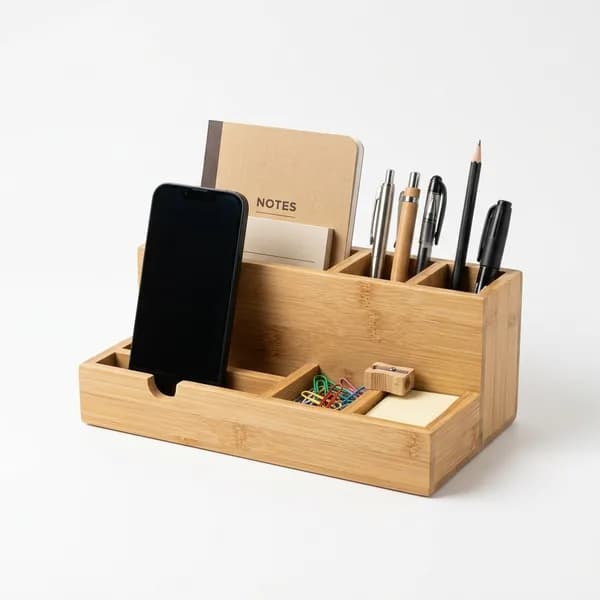
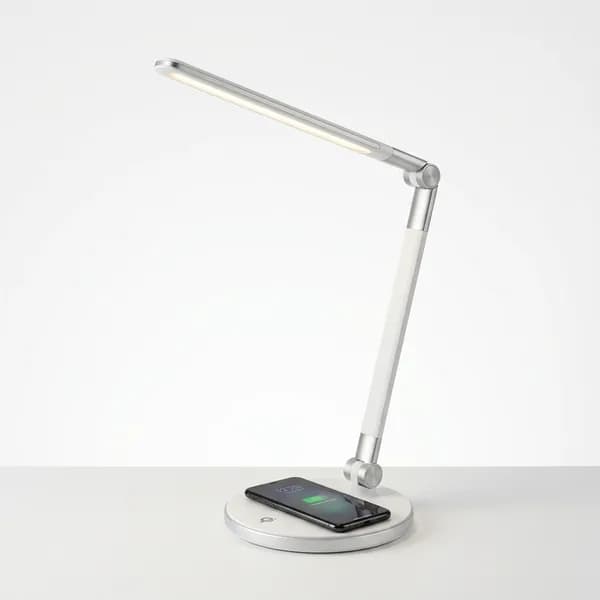
Pair these ideas with the Bamboo Desk Organizer and the LED Desk Lamp with Wireless Charger from our Office & Desk collection.
Weekly Home Tips
Get home organization ideas, product picks, and exclusive deals delivered weekly.
No spam. Unsubscribe anytime.

Explore More Articles
- 30+ Best Playroom Storage Ideas to Create a Fun, Tidy Kids' Space in 2026
- 30+ Best Shoe Rack Ideas to Organize Your Home in 2026
- How to Declutter Your House: The Complete 2026 Room-by-Room Guide
- How to Build DIY Garage Shelves: Complete Step-by-Step Guide for 2026
- Spice Rack Organization: The Complete 2026 Guide to a Tidy, Functional Kitchen
- 30+ Best Small Entryway Organization Ideas to Transform Your Home's First Impression in 2026
- 25+ Best Car Organization Ideas to Keep Your Vehicle Tidy in 2026
- 30+ Best Under Sink Organization Ideas to Maximize Every Inch in 2026