
Best Garage Storage Solutions: A Source-Backed Practical Guide for 2026
Discover the best garage storage solutions backed by research and real specs. Practical tips to maximize wall space, floor space, and overhead areas in 2026.
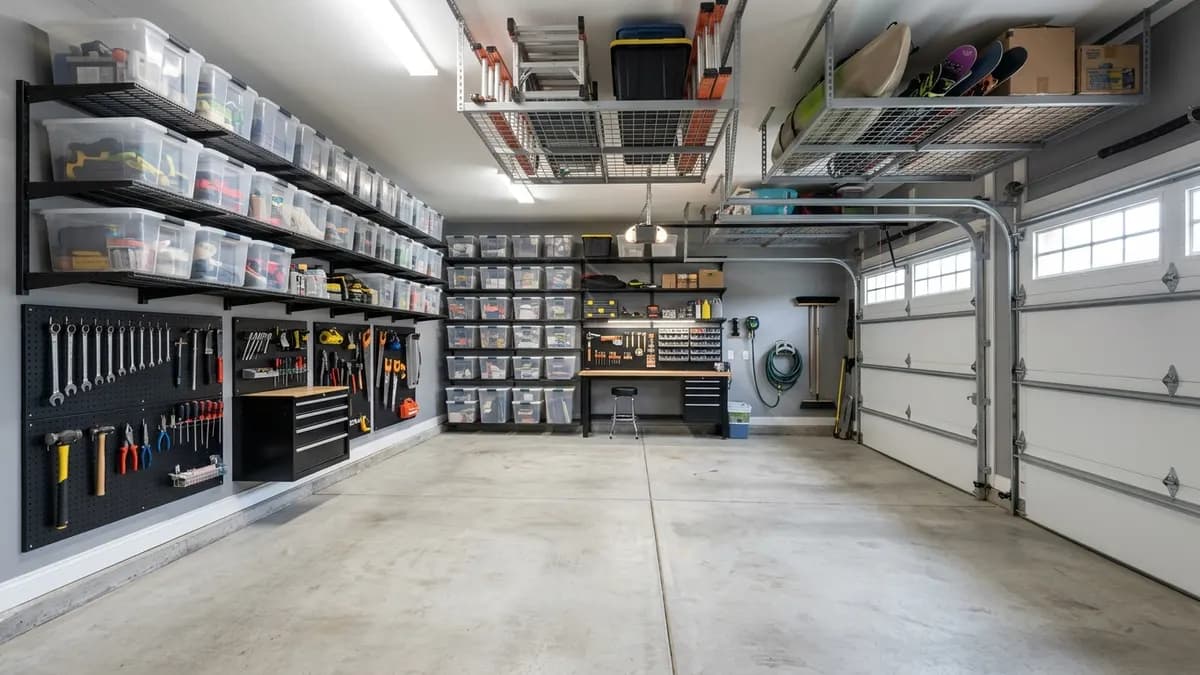
If you have been hunting for the best garage storage solutions, you already know the frustration: bikes blocking the car, power tools buried under cardboard boxes, and holiday decorations that seem to multiply every year. What most guides miss, though, is the difference between browsing appealing photos and actually understanding what the hardware specifications behind each product mean for your specific garage. This article takes a source-backed, practical angle, separating what manufacturers officially specify from what experienced DIYers and professional organizers document through hands-on use, so you can make a genuinely informed decision before you spend a dollar.
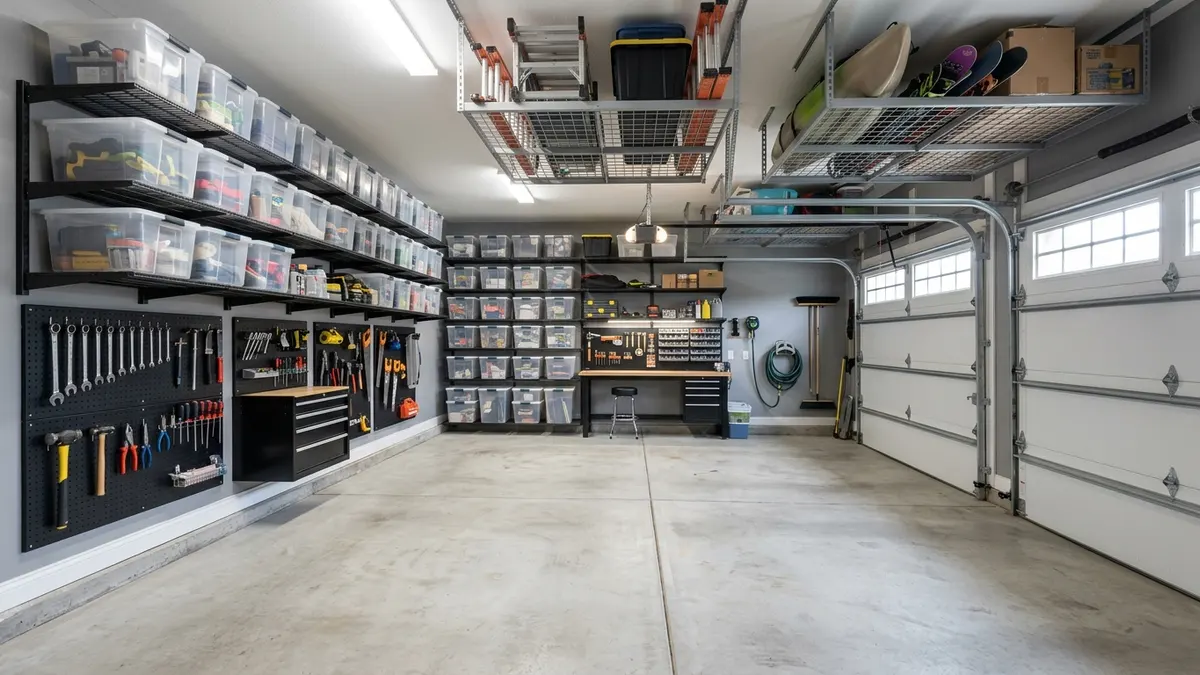
Why the Best Garage Storage Solutions Start with a Zone Plan
Before you buy a single shelf bracket or storage bin, the single most impactful step you can take is dividing your garage into activity zones. According to The Spruce's garage organization guide, grouping items by activity rather than by object type dramatically reduces the time you spend searching for things and makes it far easier to spot when a zone is creeping over its boundary.
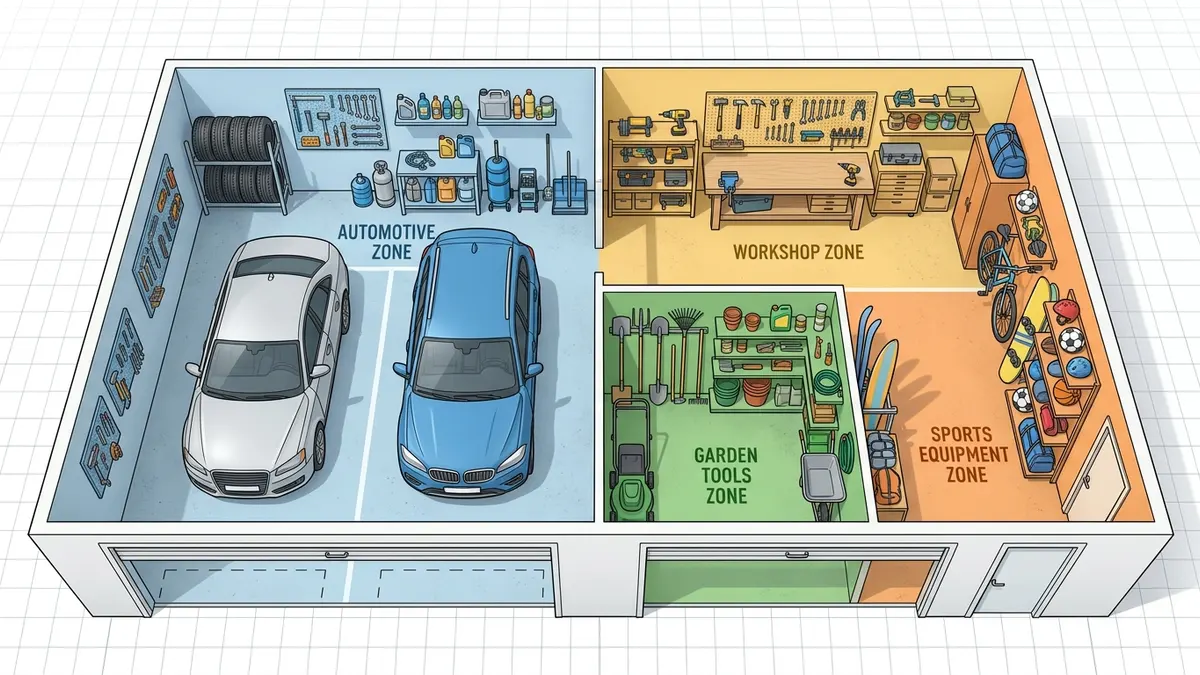
A practical zone layout for a standard two-car garage might look like this:
- Automotive zone near the garage door: fluids, jumper cables, tire inflators, and car care products
- Garden and outdoor zone along a side wall: shovels, rakes, hoses, and fertilizers on hooks and bins
- Workshop zone at the back wall: workbench, power tools, and hand tools on a pegboard
- Sports and recreation zone near a secondary door: bikes, helmets, balls, and seasonal gear
- Household overflow zone on upper shelves or ceiling: holiday decorations, archived paperwork boxes, and rarely used items
Once zones are drawn, even roughly with painter's tape on the floor, every storage product you research has a clear job to do. That clarity prevents the most common mistake: buying a trendy storage solution that does not match the actual load, dimensions, or access frequency of the items you need to store.
Understanding Official Specifications vs. Real-World Performance
One of the most important consumer skills when shopping for the best garage storage solutions is reading manufacturer specifications critically. Here is what the official specs typically tell you, and what they do not.
Weight Capacity Ratings
Heavy-duty freestanding steel shelving units commonly advertise weight capacities between 1,000 and 4,000 pounds total. However, Houzz's storage planning resources note that those rated capacities are almost always for evenly distributed loads across every shelf simultaneously. In documented real-world use reported by professional organizers, a single shelf loaded unevenly with dense items like paint cans or engine parts can flex or fail well below the total unit rating. Always look for the per-shelf capacity figure, not just the total unit capacity.
Ceiling Mount Load Ratings
Overhead ceiling storage platforms are among the most space-efficient products on the market, since they reclaim the area above your car and above garage doors. Manufacturers typically specify load limits of 200 to 600 pounds. What the spec sheet does not tell you is the joist spacing requirement. Most ceiling storage systems are engineered to anchor into 24-inch on-center or 16-inch on-center joists. If your garage has a non-standard framing layout, you may need additional blocking, which is a structural step that should be handled according to local building codes.
Pegboard Thickness and Hook Gauge
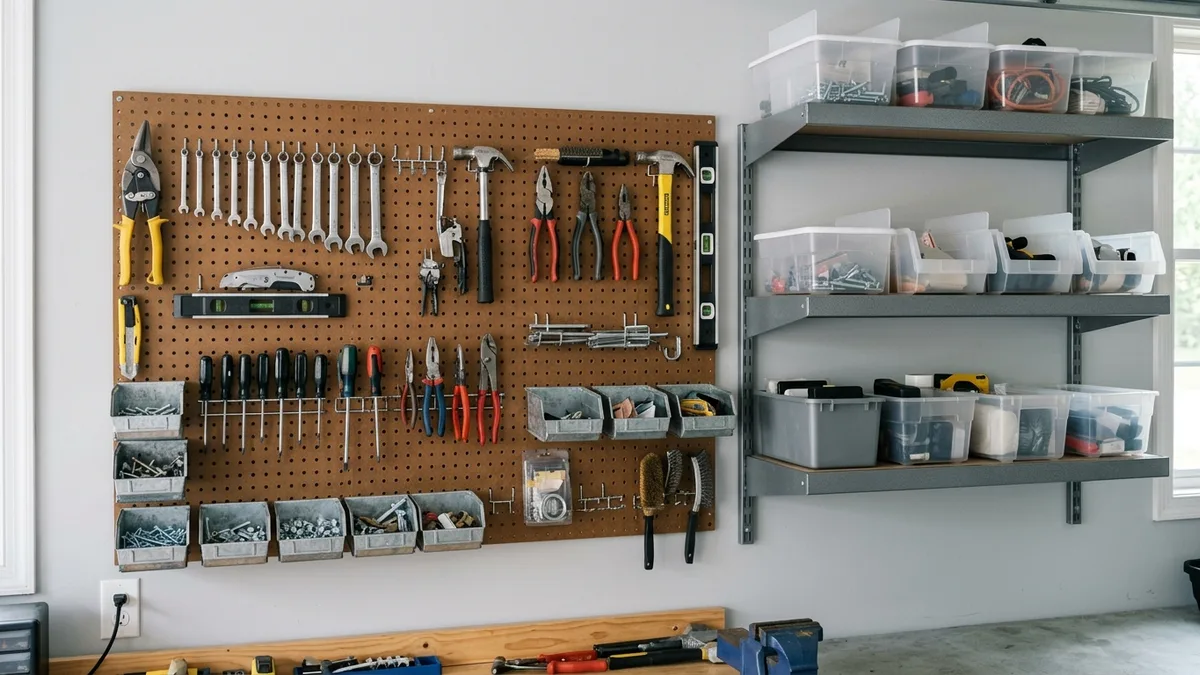
Standard pegboard sold at home improvement stores comes in either 3/16-inch or 1/4-inch thickness. The 1/4-inch panels support heavier hook loads and are significantly less prone to bowing over time when you hang dense power tools. Hooks rated for heavier loads are specified in wire gauge, where a lower gauge number means thicker, stronger wire. This is a detail many product listings bury in the fine print but that experienced garage organizers consistently flag as critical.
The Best Garage Storage Solutions by Category
Now that you understand how to read specs critically, here is a breakdown of the main storage system categories, what they are best suited for, and the key spec checkpoints for each.
1. Freestanding Steel Shelving Units
Freestanding steel wire or solid-shelf units are the workhorse of garage storage. They require no wall anchoring and can be repositioned as your needs change. Look for units with adjustable shelf heights at 1-inch or 1.5-inch increments, which lets you accommodate tall paint cans, short toolboxes, and everything in between without wasted vertical space.
Key specs to verify:
- Per-shelf capacity (not just total unit capacity)
- Shelf depth: 18 inches is standard for most bins; 24 inches accommodates larger totes
- Steel gauge: 18-gauge steel is considered heavy-duty for residential use
- Floor levelers: rubber-tipped adjustable feet prevent rust contact and allow leveling on uneven concrete
2. Wall-Mounted Shelving and Track Systems
Wall-mounted systems anchor directly into studs and free up floor space entirely, which is particularly valuable in single-car garages. Track-and-bracket systems allow you to slide shelf brackets horizontally, meaning you can reconfigure the layout without new hardware.
Key specs to verify:
- Stud finder confirmation before installation (16-inch or 24-inch on-center)
- Bracket load rating: most residential wall-mounted brackets are rated between 100 and 200 pounds per pair
- Shelf material: powder-coated steel resists humidity; melamine-coated particleboard is budget-friendly but susceptible to moisture over time in unfinished garages
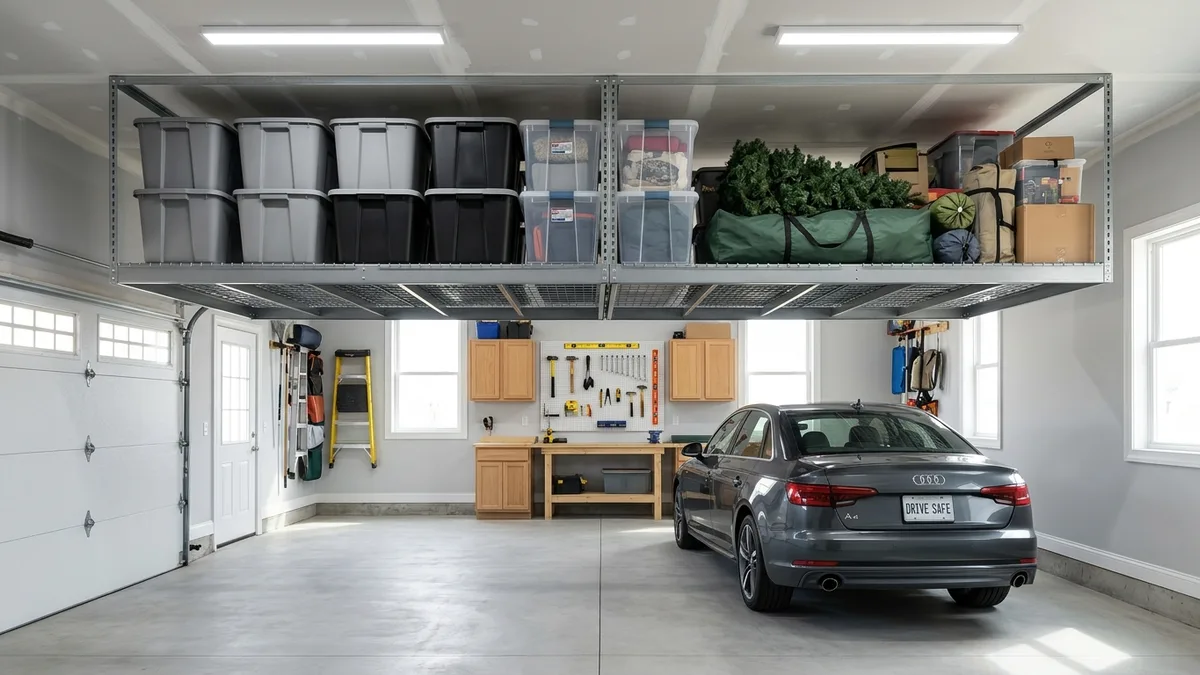
3. Overhead Ceiling Storage Platforms
Ceiling platforms are ideal for the household overflow zone described earlier: seasonal bins, camping gear, and items accessed only a few times per year. Most platforms are adjustable in height, typically hanging between 22 and 40 inches below the ceiling, allowing clearance for a standard vehicle roof.
Key specs to verify:
- Joist spacing compatibility (16-inch or 24-inch on-center)
- Adjustable drop-rod length and whether it accommodates your specific ceiling height
- Platform dimensions: common sizes are 4 x 8 feet, which aligns with standard lumber dimensions and fits most two-car garage ceiling layouts efficiently
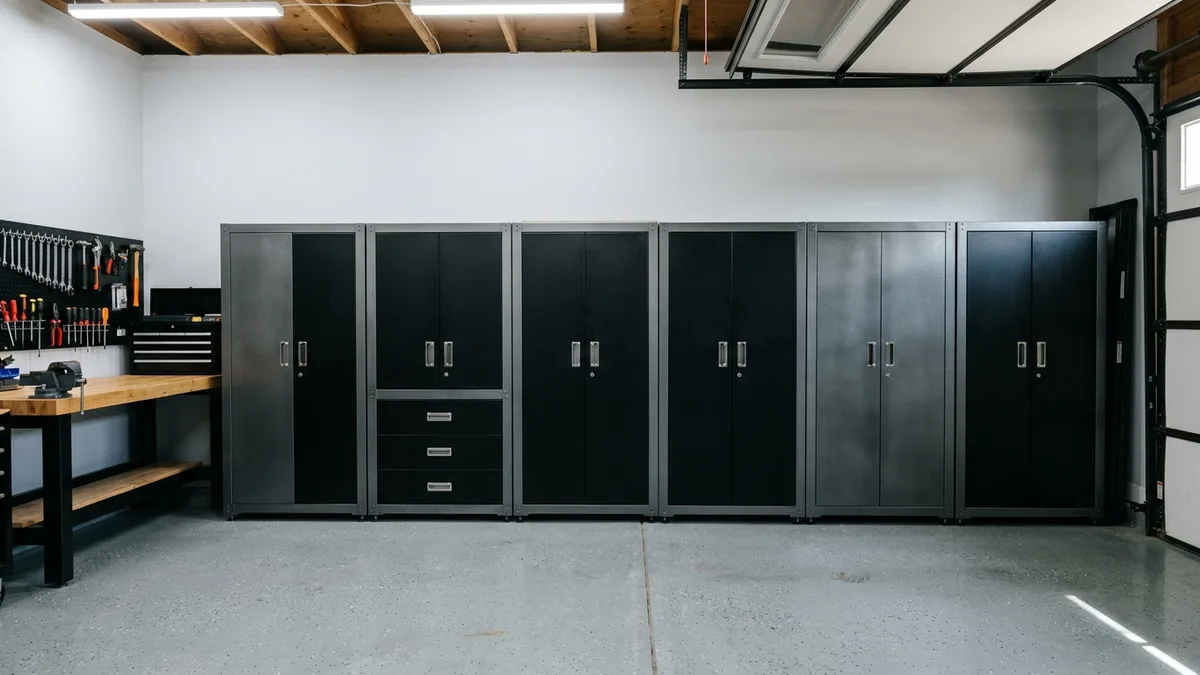
4. Garage Cabinets (Freestanding and Wall-Mounted)
Cabinets keep contents out of dust and off the visual clutter radar, making them a favorite in garages that double as workshops or mudrooms. Steel cabinets are the most durable choice for a garage environment; wood cabinets can warp with humidity fluctuation unless the garage is climate-controlled.
Key specs to verify:
- Door locking mechanism if you store chemicals or power tools
- Interior shelf adjustability
- Cabinet depth: 18-inch-deep wall-mounted cabinets are common; 24-inch floor cabinets allow more storage but project further into your floor footprint
- Powder-coat finish quality, especially at the door edges and corners where chipping most commonly begins
5. Pegboard and Slotted Wall Panels
Pegboards and heavier-duty slotted metal wall panels (sometimes called slatwall) are the most flexible vertical storage formats available. They work best in the workshop zone for tools and in the sports zone for hanging bikes, helmets, and rackets.
Key specs to verify:
- Panel thickness (1/4 inch minimum for tool storage)
- Spacing of peg holes or slat channels, which determines hook compatibility
- Whether the product ships with standoff spacers, which are required to create the air gap behind the board that allows hooks to insert properly
Choosing the Right Storage Bins and Containers
Even the best shelving system underperforms if the bins sitting on it are the wrong size or type. Here is what to look for when selecting containers for garage use specifically, since garage conditions differ significantly from indoor pantry or closet storage.
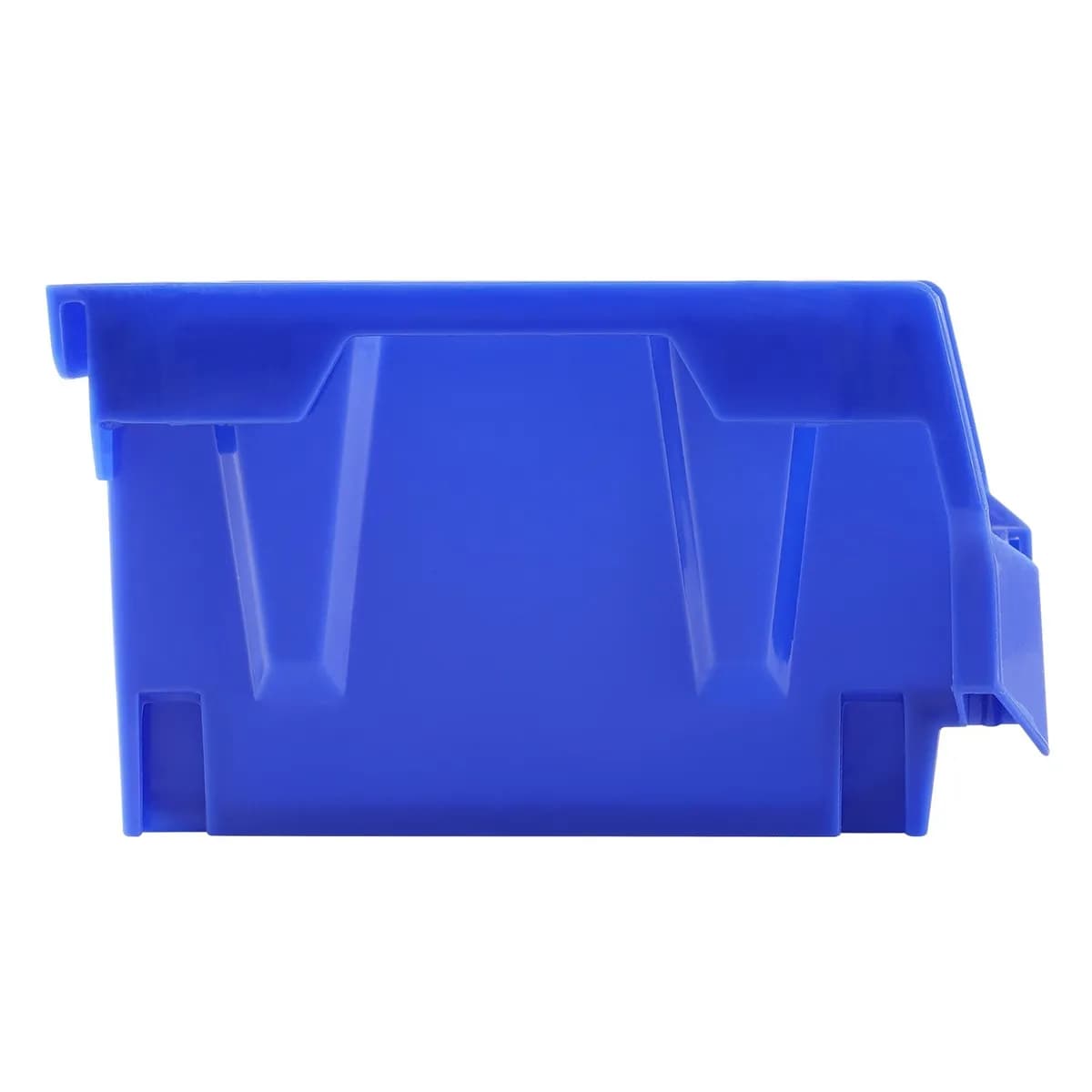
Stackability: Look for bins with interlocking lids or recessed bottoms that prevent sliding on smooth shelves. In a garage setting where temperature swings can cause slight warping, a positive stacking interlock matters more than it does indoors.
Labeling surface: Bins with a flat label window on the short end allow you to read contents without pulling the bin off the shelf, which is a small detail that saves a surprising amount of time.
UV resistance: If your garage receives direct sunlight through windows or a skylight, standard clear plastic bins can yellow and become brittle. Look for bins specifically marketed with UV stabilizer additives in the product description.
Size standardization: Choosing one or two bin sizes across your entire garage makes shelf depth planning simpler. Common standardized sizes that fit neatly on 18-inch-deep shelves include 12-gallon and 27-gallon tote formats.
According to Good Housekeeping's guide to garage organization, labeling every single bin before it goes onto a shelf is one of the most consistently recommended habits from people who have maintained organized garages for years. The label does not need to be fancy: a strip of painter's tape and a permanent marker works just as well as a label maker for most households.
How to Match Storage Systems to Your Garage Dimensions
Garage dimensions in the United States vary considerably. A single-car garage is typically around 12 x 20 feet, while a two-car garage is commonly 20 x 20 feet or 22 x 22 feet. Your storage system plan should account for the following dimension checkpoints:
- Door swing clearance: Side-hinged cabinet doors need 18 to 24 inches of clearance in front. If your garage is tight on floor space, consider sliding-door cabinets or open shelving instead.
- Vehicle clearance: Leave at least 36 inches on the driver side and 24 inches on the passenger side for comfortable entry and exit. Map this out before placing any freestanding units.
- Wall stud locations: Photograph your stud locations with a stud finder and a piece of tape before any wall-mounted installation. This saves significant rework.
- Ceiling height: Standard residential garage ceiling height is 8 feet. If you have a 9-foot or 10-foot ceiling, you have more overhead storage potential but will need a taller drop-rod kit for ceiling platforms.
- Garage door opener clearance: Ceiling storage platforms must not interfere with the garage door opener rail. Most rails run along the center of the ceiling, so flanking the rail with two smaller platforms is often more practical than one large centered platform.
Maintenance Considerations That Most Buyers Overlook
The best garage storage solution is one that holds up in the specific environment of your garage, not just in a climate-controlled showroom. Garages in humid climates, or those that are uninsulated, present real durability challenges that spec sheets rarely address directly.
Rust resistance: Powder-coated steel resists rust far better than chrome-plated or plain steel. For coastal or high-humidity climates, look for products with epoxy powder-coat finishes, which professional installers document as providing a thicker, more moisture-resistant barrier than standard polyester powder coat.
Concrete moisture wicking: Metal shelving legs sitting directly on concrete can wick moisture and develop rust at contact points over time. Rubber-tipped feet or small plastic furniture pads placed under each leg leg create a moisture break that noticeably extends the life of a unit.
Seasonal temperature expansion: Plastic bins and shelving components expand and contract with temperature. If your garage reaches above 90 degrees Fahrenheit in summer or drops below freezing in winter, check that the product materials are specified for that temperature range. Most standard polypropylene bins are rated for temperatures between minus 10 and 120 degrees Fahrenheit, but some thinner plastic products are not.
Building a Phased Garage Storage Plan That Fits Any Budget
You do not need to overhaul your entire garage in a single weekend or a single budget cycle. A phased approach, organized by impact per dollar spent, is how most successfully organized garages get built.
Phase 1 (Highest impact, lowest cost): Declutter first. Remove everything, sort into keep, donate, and discard categories, and only bring back what you use. This is the step that determines how much storage you actually need, which prevents overbuying. Our declutter garage guide walks through this step by step.
Phase 2 (Foundation infrastructure): Install one or two freestanding steel shelving units in your most used zones. These provide immediate, flexible storage while you plan permanent wall systems.
Phase 3 (Vertical wall systems): Once you know exactly what you are storing and where, invest in wall-mounted track shelving or pegboard for your workshop and tool zones. Wall systems have higher upfront cost but return significant floor space.
Phase 4 (Overhead and specialty storage): Ceiling platforms and bike hoists are the final layer, handling the seasonal and rarely accessed items that do not need to be within easy reach.
This phased approach also gives you time to live with each layer of organization before committing to the next, which is how experienced organizers consistently avoid the trap of buying a system that looked great in a catalog but did not work for their actual habits.
For specific product ideas that connect to your overall home storage ecosystem, the Sesoris collections page and best sellers are worth browsing alongside your garage planning.
Related Products from Sesoris
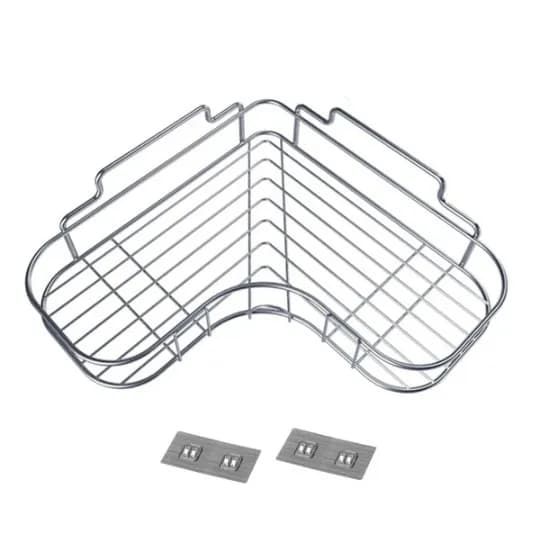
If you want to turn this guide into a real setup, start with Stackable Storage Bins, 24 Pack and Pull-Out Cabinet Organizer, 17 in. Wide. For broader options, browse the Home & Decor collection so the article journey does not stop at reading only.
Our practical rule: choose one product that solves the main clutter problem first, then add supporting organizers only when the daily workflow is already clear. This keeps the shopping path useful, not pushy.
FAQ: Frequently Asked Questions About the Best Garage Storage Solutions
Q: What is the most space-efficient garage storage system for a single-car garage?
Wall-mounted track shelving combined with a pegboard tool wall tends to deliver the highest storage density in a single-car garage because both systems keep the floor completely clear. Overhead ceiling storage adds a third layer without consuming any wall or floor space.
Q: How much weight can a standard garage ceiling support for overhead storage?
This depends on your joist size, spacing, and span, which vary by home construction. A 2x6 joist on 16-inch centers handles a different load than a 2x4 on 24-inch centers. Most ceiling storage products are engineered for specific joist configurations and state this in their installation requirements. When in doubt, consult a structural engineer or a licensed contractor before installing any ceiling-mounted storage system.
Q: Are plastic or metal shelves better for a garage?
Steel shelves generally outperform plastic in a garage environment for load capacity, longevity, and resistance to temperature extremes. Heavy-duty plastic shelving can work well for lighter items in climate-controlled garages, but powder-coated steel is the standard recommendation from professional organizers for uninsulated or high-humidity garages.
Q: How do I keep garage storage bins organized long-term?
The two habits that professional organizers most consistently document as effective are: labeling every bin before it goes on the shelf, and doing a 15-minute reset after any large project like moving, seasonal decoration swaps, or automotive work. Returning items to their zone immediately after use is far easier than a full reorganization every few months.
Q: What size storage bins work best on standard garage shelving?
For shelves with 18-inch depth, 12-gallon totes fit without overhanging. For 24-inch-deep shelves, 27-gallon totes are a common standard size that makes efficient use of the shelf space. Standardizing to one or two bin sizes across your entire garage simplifies both shelf planning and future reorganization.
Conclusion
Finding the best garage storage solutions for your home is less about picking the most popular product and more about matching the right system to your zone plan, your garage dimensions, your climate, and your actual storage habits. By reading manufacturer specifications critically, comparing per-shelf load ratings rather than total unit ratings, checking joist compatibility for ceiling systems, and choosing materials suited to your garage environment, you set yourself up for storage that actually lasts and actually works. Start with a declutter, build in phases, and let the data guide every purchase. When you are ready to explore storage products for your garage and every other room in your home, browse the Sesoris shop or check out new arrivals at Sesoris, where the goal is always to help you live more organized.
Liked this guide?
Get new organizing guides and the occasional new product by email. No spam, unsubscribe anytime.
Related articles


Explore more articles
- 25+ Best Over the Toilet Storage Ideas to Maximize Every Inch of Your Bathroom in 2026
- 30+ Best Pantry Storage Ideas to Transform Your Kitchen Organization in 2026
- Kitchen Organization Dish Rack Alternatives: 10 Smart Solutions for a Tidier Kitchen in 2026
- Pantry Organization Bins: The Complete 2026 Guide to a Clutter-Free Kitchen
- 30+ Best Basement Storage Ideas to Transform Your Underground Space in 2026
- How to Declutter Your House: The Complete 2026 Room-by-Room Guide
- 30+ Best Small Pantry Ideas to Maximize Every Inch of Your Kitchen Storage in 2026
- 30+ Best Lego Storage Ideas to Tame the Brick Chaos in 2026