

30+ Best Open Shelving Kitchen Ideas to Transform Your Cooking Space in 2026
If you have been searching for fresh open shelving kitchen ideas to breathe new life into your cooking space, you are in the right place. Open shelves have become one of the most popular kitchen design trends in 2026, and it is easy to see why. They create an airy, accessible, and visually engaging alternative to bulky upper cabinets, giving you the chance to put your favorite dishes, jars, and decor on full display. Whether you are working with a tiny apartment galley or a spacious farmhouse kitchen, there are open shelving ideas that can work beautifully for your space and your lifestyle.
Why Open Shelving Kitchen Ideas Are So Popular in 2026
Open shelving has been gaining serious momentum in American homes over the past several years, and in 2026 it is showing no signs of slowing down. According to Houzz's annual kitchen trends survey, open shelving consistently ranks among the top design choices homeowners request during kitchen remodels. But why exactly has this style captured so many hearts?
For one, open shelves make kitchens feel larger and more inviting. When you remove the visual bulk of upper cabinets, the room opens up, light travels more freely, and the space feels less enclosed. For smaller kitchens, that sense of openness can be genuinely transformative.
Beyond aesthetics, open shelving is incredibly practical. Everything you reach for daily is right in front of you. No more digging through stacked cabinets to find that one mixing bowl buried in the back. Your most-used items live exactly where you can grab them at a glance.
Open shelving also gives you the opportunity to turn organization into decor. A row of neatly labeled airtight food storage containers looks just as beautiful as any styling object, and it is functional at the same time.
30+ Open Shelving Kitchen Ideas Organized by Style
Let's dig into the ideas. I have grouped these by style and approach so you can find the look that fits your kitchen's personality.
1. Classic Farmhouse Open Shelves
Thick, solid wood planks in a warm walnut or white oak finish are a staple of the farmhouse kitchen aesthetic. Pair them with black iron pipe brackets for an industrial-farmhouse hybrid look, or use simple wooden corbels for a more traditional feel. Style them with white ceramic dishes, mason jars filled with pantry staples, and a few sprigs of dried lavender.
2. Minimalist Floating Shelves
For a clean, Scandinavian-inspired kitchen, opt for thin floating shelves in light birch or white-painted wood. Keep the styling deliberately sparse. A few matching white bowls, a single potted herb, and one or two glass containers are all you need. The restraint is the point.
3. Matte Black Metal Shelves
Matte black metal shelving units or brackets have become a go-to for modern and industrial kitchens. The dark finish creates a striking contrast against white subway tile or light-colored walls. This style pairs especially well with clear glass storage containers and simple white dishware.
4. Corner Open Shelving
Dead corner space is one of the most wasted areas in any kitchen. Installing open corner shelves, whether floating triangular units or L-shaped wrap-around shelves, turns that awkward spot into prime real estate for spices, cookbooks, or decorative items.
5. Open Shelving with Integrated Lighting
Adding LED strip lighting underneath each shelf tier is a small detail that makes a huge difference. The subtle under-shelf glow highlights your organized items, creates ambiance during evening cooking, and makes it far easier to spot what you need.
6. Floor-to-Ceiling Open Shelving
Going vertical is one of the smartest strategies in any small space. A floor-to-ceiling open shelving unit on one wall of your kitchen acts as a statement pantry, displaying everything from everyday dishes on lower shelves to infrequently used serving pieces up high.
7. Open Shelving Below the Counter
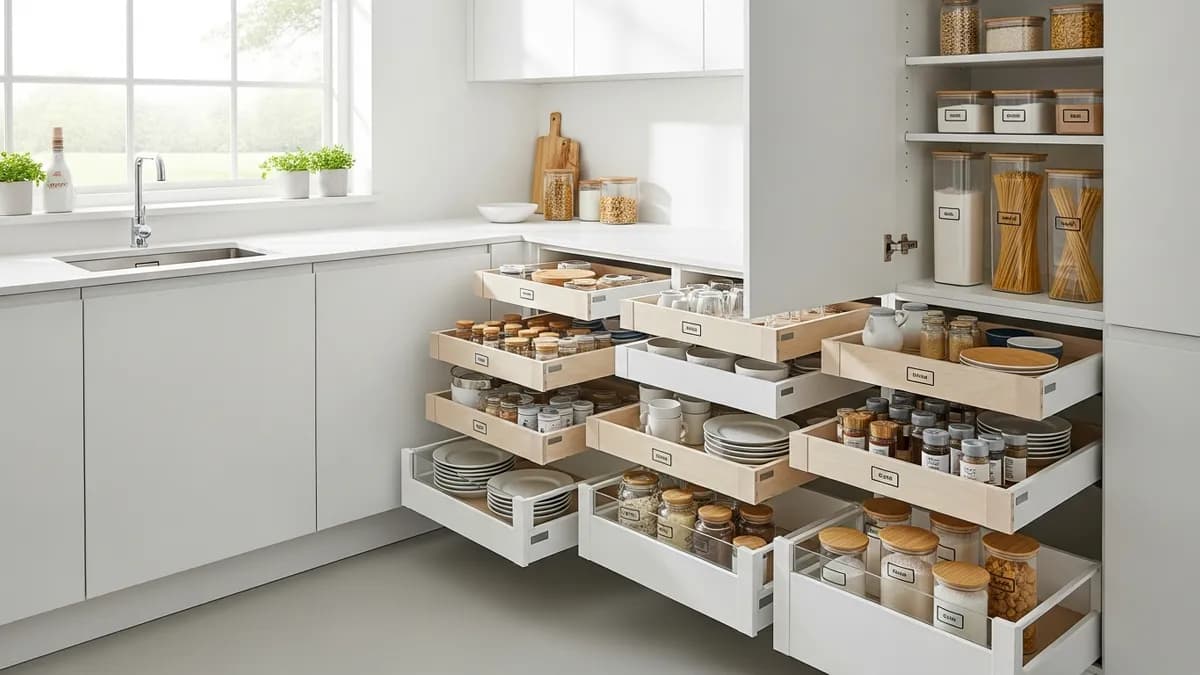
Open shelving does not have to live above the counter. Removing lower cabinet doors and replacing them with open shelving creates easy access to pots, pans, and mixing bowls. This works especially well in kitchens where you need to maximize visible space without a full remodel.
8. Shiplap or Brick Backdrop Open Shelves
Mount your open shelves against a shiplap accent wall or exposed brick for instant character. The textured backdrop adds warmth and makes your shelving display feel intentional rather than improvised.
9. Glass and Metal Shelves
Tempered glass shelves with slim metal brackets are perfect for contemporary or glam kitchens. They are nearly invisible, which makes smaller kitchens feel even more open, and they create a beautiful effect when lit from above.
10. Open Shelving in a Kitchen Nook
If you have a breakfast nook or a small alcove in your kitchen, that is prime territory for built-in open shelving. Frame the nook with shelves on either side and use the space to display cookbooks, a small plant collection, or a curated set of mugs.
Open Shelving Kitchen Ideas by Design Aesthetic
Bohemian Kitchen Open Shelves
Layer in rattan baskets, a collection of mismatched vintage plates, trailing pothos plants, and hand-painted ceramic mugs for a boho kitchen shelf vibe. The key is intentional chaos. Every item should look like it belongs, even if the overall effect feels eclectic.
Coastal Kitchen Open Shelves
Light driftwood-toned shelves, white dishes, woven baskets, and a few shells or sea glass accents bring a breezy coastal feel to your kitchen walls. Keep the palette soft and neutral with pops of sandy beige and soft blue.
Mid-Century Modern Open Shelves
Teak or walnut shelves with angled hairpin-style metal brackets channel the mid-century modern look perfectly. Pair with ceramic pieces in earthy tones and a few vintage-inspired glass canisters.
Contemporary Open Shelves
Sleek, handle-free floating shelves in white or light gray, styled with matching sets of dishes and clear glass containers, deliver a polished contemporary look. Consistency is key here. Use sets rather than mixing and matching too much.
Rustic Open Shelves
Reclaimed wood shelves with visible grain, knots, and natural imperfections are the foundation of a rustic kitchen aesthetic. Pair with cast iron cookware displayed on hooks below the shelves, vintage crocks, and earthy pottery.
Practical Open Shelving Kitchen Ideas for Small Kitchens
If your kitchen is on the smaller side, open shelving can genuinely be your best friend. Here is how to make it work in a compact space.
Keep only what you actually use. Open shelves in a small kitchen should hold your everyday items only. Anything you reach for less than once a week belongs in a cabinet, closet, or pantry.
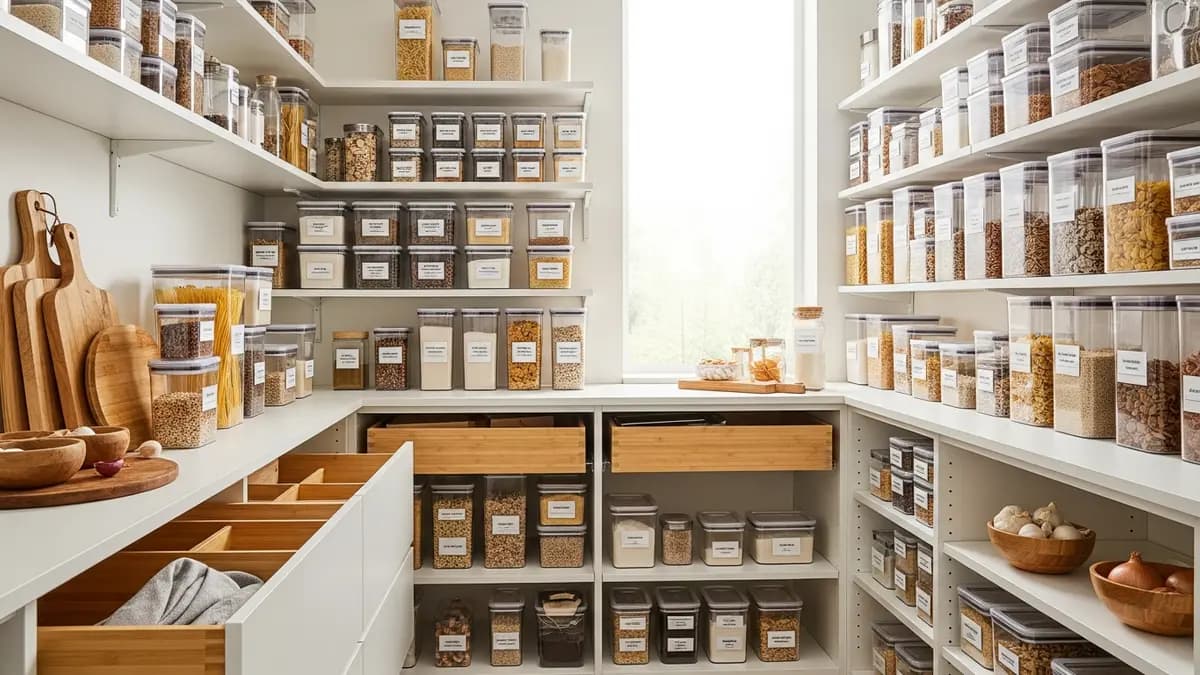
Use uniform containers. A collection of matching airtight pantry storage containers on open shelves creates a sense of order and makes the overall look feel intentional rather than cluttered. Label each one clearly.
Stack vertically. Use the full height of your shelf by stacking plates, bowls, and containers. Plate risers and shelf dividers help you create more layers without adding more shelves.
Limit decor items. In a small kitchen, every inch counts. Allow yourself one or two truly decorative items per shelf, and fill the rest with things that earn their place by being useful.
Add hooks below. Mount small hooks on the underside of open shelves to hang mugs, measuring spoons, or small utensils. This frees up shelf surface for items that cannot hang.
According to The Spruce, one of the most common mistakes with open shelving in small kitchens is overcrowding shelves, which creates the visual chaos you were trying to avoid. Edit ruthlessly and refresh your display seasonally.
How to Style Open Kitchen Shelves Like a Pro
Styling open shelves is genuinely a skill, but it is one anyone can learn with a few guiding principles. Here is my go-to approach.
The Rule of Three
Group items in odd numbers, especially threes. A tall glass jar, a medium ceramic bowl, and a small potted plant feel balanced and visually interesting. Symmetry has its place, but odd-numbered groupings tend to feel more natural and less staged.
Vary Heights and Textures
Alternate between tall and short items, smooth and textured surfaces, and opaque and transparent materials. This variation keeps the eye moving across the shelf and prevents the display from looking flat.
Use a Consistent Color Palette
You do not have to match everything perfectly, but working within a defined color palette of two to four colors will tie everything together. Neutrals like white, cream, natural wood, and black are the easiest palette to work with and the most forgiving.
Let Functional Items Do the Styling Work
This is one of my favorite open shelving strategies. A row of uniform glass food storage containers filled with rice, lentils, pasta, and oats looks gorgeous. A 3-tier spice rack with labeled jars adds structure and visual interest. Your organizational tools are also your decor.
Leave Breathing Room
Resist the urge to fill every inch of shelf space. Empty space is not wasted space. It actually makes everything else on the shelf look more intentional and curated.
"The best-styled open shelves look effortless because every item has been deliberately chosen. Edit before you display."
What to Store on Open Kitchen Shelves
Not everything belongs on open shelves. Here is a practical breakdown of what works well and what to keep hidden.
Great candidates for open shelves:
- Your most beautiful and most frequently used dishes, bowls, and mugs
- Clear glass or matching airtight containers for pantry staples
- A curated set of spice jars in a uniform style
- Cookbooks you actually read and reference
- One or two small potted herbs or plants
- A few carefully chosen decorative objects that reflect your personality
- Dish towels folded neatly or rolled into a basket
Items that work better in cabinets:
- Mismatched plastic containers and lids
- Rarely used appliances or gadgets
- Cleaning supplies
- Expired pantry items (this is a good time to declutter)
- Anything that looks messy or worn
Open Shelving Kitchen Ideas: Materials and Hardware Guide
Choosing the right materials for your open shelves is just as important as the styling. Here is a quick breakdown of the most popular options in 2026.
Wood Shelves
Solid wood is the most popular choice for open kitchen shelves. It adds warmth, texture, and a timeless quality that suits almost every design style. Popular wood choices include white oak, walnut, pine, and maple. Solid wood shelves typically range from around 1.5 inches to 2 inches thick for a sturdy, substantial look.
MDF or Plywood Shelves
For a budget-friendly option, MDF (medium-density fiberboard) or plywood shelves painted in your desired color are a smart choice. They are smooth, easy to paint, and widely available. Just be mindful of moisture in your kitchen, as MDF can swell if exposed to steam or spills over time.
Metal Shelves
Stainless steel, powder-coated steel, and aluminum shelving units are durable, easy to clean, and bring an industrial edge to your kitchen. They are especially practical near the stove or sink where splashes are common.
Shelf Brackets and Hardware
Bracket style dramatically changes the look of your shelves:
- Pipe brackets - industrial, raw, and bold
- Hairpin brackets - mid-century modern, delicate, and stylish
- Wooden corbels - traditional, farmhouse, and charming
- Floating shelf hardware - clean, minimalist, and seamless
- L-brackets - simple, versatile, and budget-friendly
For inspiration on bracket styles and shelf configurations, Architectural Digest is a great resource for seeing how professional designers approach open shelving in real kitchen projects.
Installation Tips for Open Kitchen Shelves
Whether you are mounting a single floating shelf or installing an entire wall of shelving, a few principles will help you get the job done right.
- Always locate studs before drilling. Use a stud finder and anchor your brackets or floating shelf hardware into wall studs whenever possible. If studs are not where you need them, use heavy-duty drywall anchors rated for the weight you plan to place on each shelf.
- Use a level religiously. A shelf that is even a fraction of an inch off level will be visually noticeable, especially when you load it with items that have straight edges like books and containers.
- Plan your shelf heights before installation. Standard spacing between kitchen shelves is typically 12 to 15 inches, but you should test this with your actual items first. Tall pitchers or blenders may need more clearance.
- Seal wood shelves properly. In a kitchen environment, your shelves will be exposed to steam, cooking oils, and cleaning products. Seal wood shelves with a food-safe finish, polyurethane, or a durable wax to protect them from moisture and staining.
- Consider weight capacity. Most floating shelf hardware is rated for a specific weight limit per shelf. Dishes and containers are heavier than they look. Check the weight rating of your hardware and err on the side of caution.
Open Shelving Kitchen Ideas on a Budget
You do not have to spend a fortune to create beautiful open shelving in your kitchen. Here are some genuinely budget-friendly approaches.
- Repurpose old cabinet shelves. If you are removing upper cabinet doors to create open shelving, the existing shelf boards can often be sanded, painted, and remounted as floating shelves.
- Shop lumber yards for live-edge or reclaimed wood slabs. A single live-edge wood plank as a shelf is a stunning statement piece at a fraction of the cost of custom cabinetry.
- Use affordable pipe brackets. Black iron pipe fittings from hardware stores are an inexpensive and stylish option for industrial-style shelving.
- Invest in uniform containers instead of new shelves. Sometimes the fastest and cheapest way to make existing shelves look amazing is simply to replace mismatched containers with a matching set. The transformation is remarkable.
- Paint the wall behind your shelves. A contrasting paint color or a painted accent strip directly behind your shelves creates definition and makes the whole display pop without spending money on additional materials.
Maintaining Your Open Kitchen Shelves
Open shelves require more frequent upkeep than closed cabinets because everything is exposed. Here is how to keep them looking their best.
Dust regularly. Open shelves collect dust faster than closed cabinets. Incorporate a quick wipe-down into your weekly kitchen cleaning routine.
Wipe down containers. Sticky residue from cooking oils and food prep will settle on containers over time. A quick wipe with a damp cloth each week keeps them looking fresh.
Edit seasonally. Every few months, pull everything off your shelves and reassess. Rotate items, remove things that no longer serve you, and freshen up the display.
Use shelf liners. A simple shelf liner not only protects the wood surface from scratches and moisture but also makes cleaning far easier.
Invest in quality containers. Containers that seal properly protect your pantry items from humidity, pests, and odors, which is especially important when those containers are sitting out in the open. Check out the best airtight storage containers for food to find options that are both functional and beautiful on display.
Related Products from Sesoris
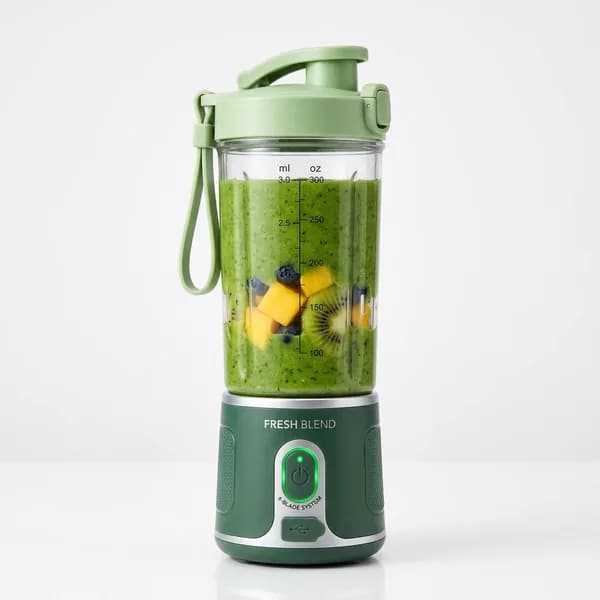
If you want to turn this guide into a real setup, start with Stainless Steel 2-Tier Dish Rack and Portable Blender. For broader options, browse the Kitchen & Dining collection so the article journey does not stop at reading only.
Our practical rule: choose one product that solves the main clutter problem first, then add supporting organizers only when the daily workflow is already clear. This keeps the shopping path useful, not pushy.
FAQ: Frequently Asked Questions About Open Shelving Kitchen Ideas
Q: Are open kitchen shelves hard to keep clean?
Open shelves do require more frequent cleaning than closed cabinets because they are exposed to kitchen dust, grease, and steam. However, with a simple weekly wipe-down routine and a few protective measures like shelf liners and sealed containers, maintaining them is very manageable.
Q: What is the best wood for open kitchen shelves?
White oak and walnut are two of the most popular choices in 2026 for their durability, beautiful grain patterns, and versatility across design styles. Pine is a more budget-friendly option that takes paint and stain well. Whatever wood you choose, make sure it is properly sealed to withstand kitchen moisture.
Q: How deep should open kitchen shelves be?
For storing standard dishes and containers, a shelf depth of 10 to 12 inches works well. If you plan to store larger items like pitchers, vases, or small appliances, going to 14 or even 16 inches gives you more flexibility. Keep in mind that deeper shelves can feel heavier and more visually imposing.
Q: How do I prevent open shelves from looking cluttered?
The key is editing ruthlessly. Only display items you love and actually use. Use uniform containers where possible, leave deliberate empty space between groupings, and stick to a limited color palette. Revisit and declutter your shelves at least once a season.
Q: Can I do open shelving in a rental apartment?
Yes, with some creativity. Command strips and removable adhesive hooks now support surprising amounts of weight, and there are many freestanding shelf units that require no wall mounting at all. Some renters also use tension rod systems or lean-to shelf ladders that rest against the wall without any permanent installation.
Q: Should I use open shelving for my entire kitchen or just part of it?
A hybrid approach is what most designers recommend and what most American homeowners prefer. Keep closed cabinets for items you want to hide, like cleaning products, plastic containers, and rarely used gadgets, while using open shelves for everyday items, pantry staples in beautiful containers, and display pieces. This gives you the best of both worlds.
Conclusion
The beauty of open shelving kitchen ideas is that they are endlessly adaptable. Whether you are aiming for a sleek minimalist aesthetic, a cozy farmhouse vibe, or something bold and eclectic, open shelves give you a canvas to express your personality while keeping your kitchen genuinely functional and organized. The secret to making them work is equal parts curation and organization. Choose what you display thoughtfully, invest in containers and storage tools that are as attractive as they are practical, and maintain the display with a simple regular routine.
If you are ready to bring these ideas to life, start by browsing the Sesoris collections for kitchen organization products that are designed to look just as good on open shelves as they are functional in your daily routine. From airtight pantry containers to spice rack solutions, everything you need to create a beautifully organized open shelf kitchen is right there. And if you are just getting started with kitchen organization overall, check out our best sellers for the products our customers love most in 2026.
Live more organized, one beautifully styled shelf at a time.
Weekly Home Tips
Get home organization ideas, product picks, and exclusive deals delivered weekly.
No spam. Unsubscribe anytime.
Explore More Articles
- Spring Cleaning Checklist 2026: Room-by-Room Deep Clean
- Dish Rack for Kitchen Cabinet: 2026 Buying Guide
- Storage Bins with Lids: Complete 2026 Home Guide
- Spice Storage Containers: Best 2026 Buying Guide
- Minimalist Kitchen Decor Ideas: 25+ Modern Looks 2026
- Multipurpose Kitchen Rack: The Complete Buying Guide
- Food Storage Containers Airtight: Complete Tutorial Guide to Keeping Food Fresh in 2026
- 30+ Brilliant Small Space Kitchen Storage Ideas to Maximize Every Inch in 2026