
3 Tier Spice Rack: Complete 2026 Buying Guide
Choosing a 3 tier spice rack? Compare materials, sizes, US prices, and smart setup ideas for a tidier kitchen counter. Start organizing today.
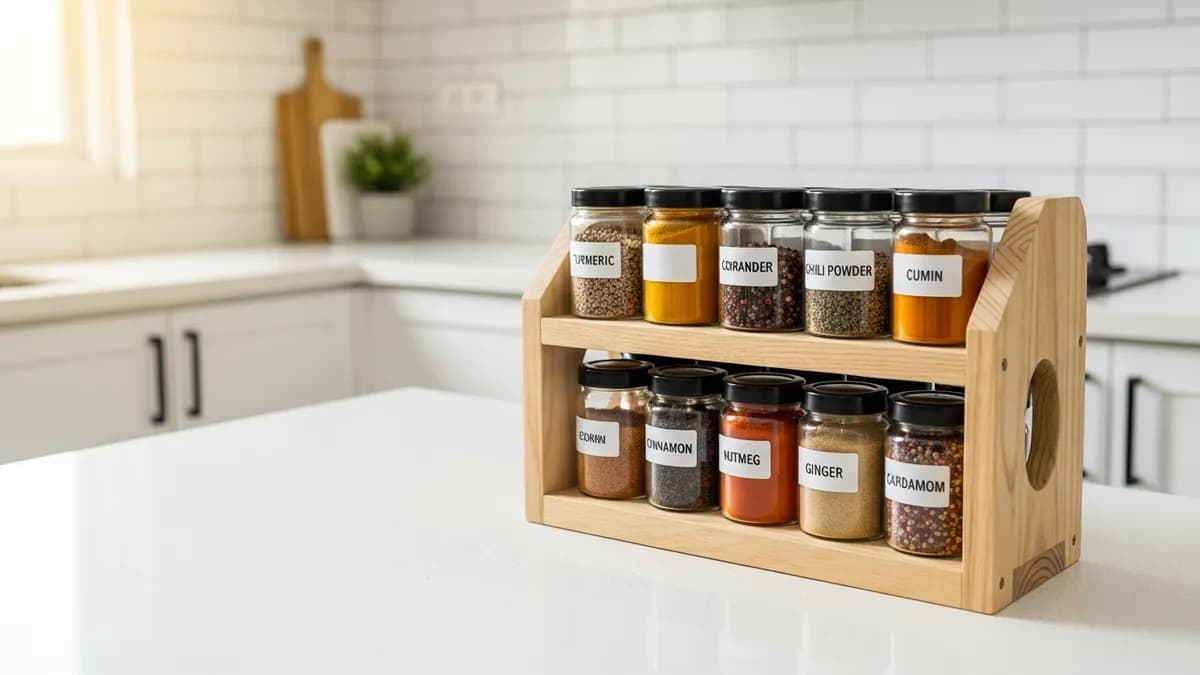
If you cook more than a couple of times a week, you have almost certainly lost a few minutes digging through a cabinet for the smoked paprika while a pan sat waiting on the burner. A 3 tier spice rack fixes that problem with almost no effort and no renovation. Three stepped levels let you keep dozens of jars in one spot where every label stays visible and every lid stays within arm's reach, which is exactly why this style has become a staple on American kitchen counters in 2026. This guide covers everything worth knowing before you buy, from materials and real dimensions to arrangement systems, placement rules, and the maintenance habits that keep a rack looking good for years.
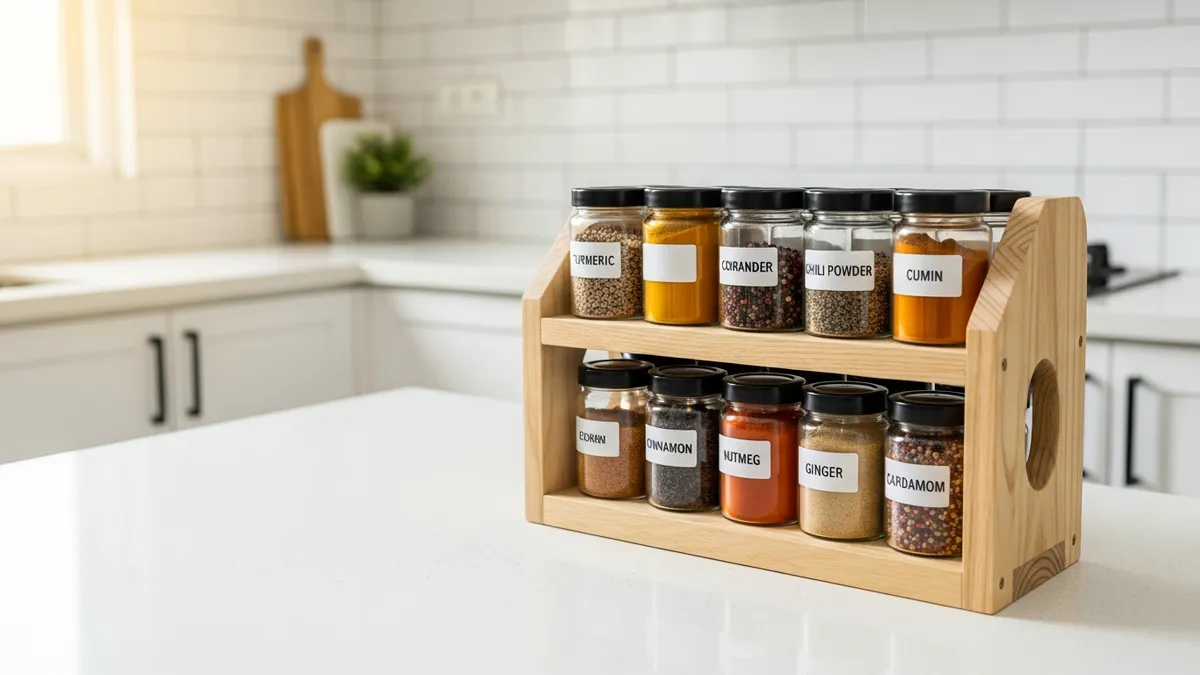
What Is a 3 Tier Spice Rack and Why Your Kitchen Needs One
A 3 tier spice rack is a three-level shelf built specifically to hold spice jars and small containers in an organized, front-facing way. The word "tier" simply means layer, so the rack gives you three stacked storage levels rather than one flat surface. Because each row sits higher than the one in front of it, every jar stays readable from where you stand instead of hiding behind its neighbors.
Compared with a single flat shelf, the three-tier design roughly triples your usable capacity within the same countertop footprint. That difference matters most in small apartment kitchens, narrow galley layouts, and older homes where counter space is the scarcest resource in the room. You are building upward into space that was doing nothing before.
According to The Spruce, one of the core principles of kitchen organization is keeping frequently used ingredients reachable without rummaging through a cabinet first. A tiered spice rack is one of the simplest and cheapest ways to put that principle into practice.
Real Benefits of a Three-Tier Spice Shelf
- Saves counter space because the stepped vertical design builds upward instead of spreading sideways across your prep area
- Maximum visibility so you can read every label at a glance without shuffling containers around one at a time
- Faster cooking since the seasoning you need is findable in a couple of seconds instead of a couple of minutes
- A cleaner, more intentional kitchen, especially when the rack is paired with a matching set of jars
- Less waste because you know exactly what you already own, what is running low, and what does not need restocking again
3 Tier Spice Rack Materials You Will Find on the Market
Before you add anything to a cart, it helps to understand what each material actually does over years of daily use next to a hot stove. Every option carries trade-offs in price, durability, and looks, and the right pick depends on how heavily you cook and the style of the kitchen it will live in.
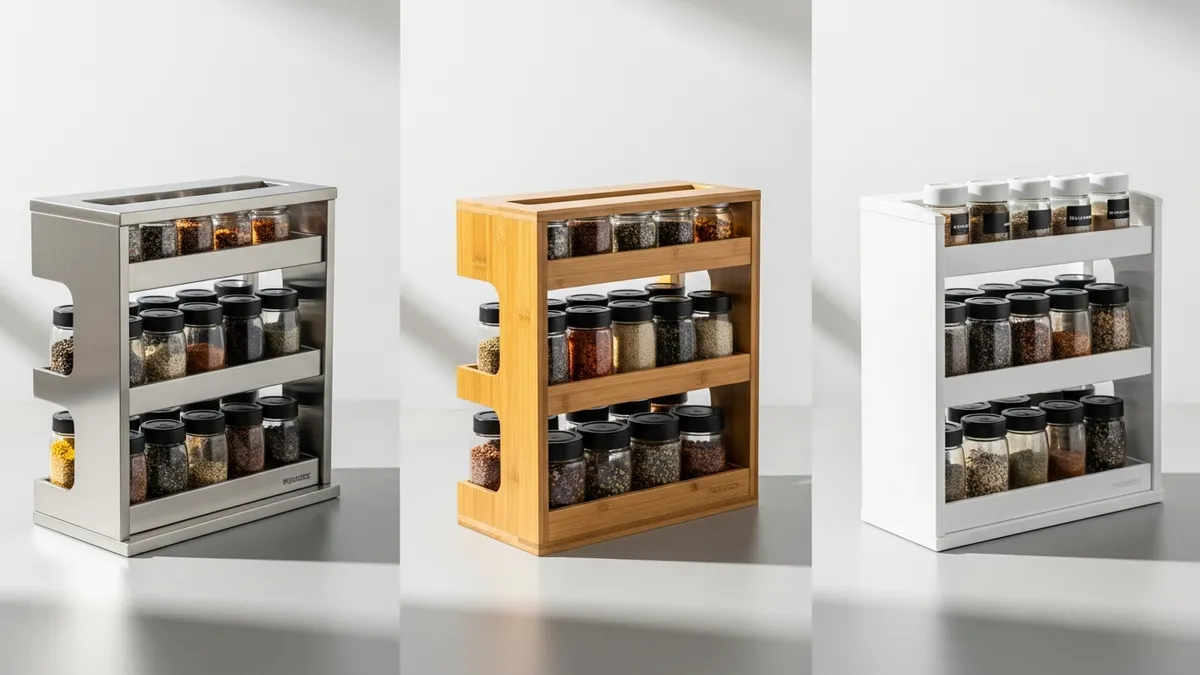
1. Stainless Steel Three-Tier Spice Racks
Stainless steel is the rust-resistant standard for serious kitchen gear. Racks built from it hold up remarkably well against humidity, the steam rolling off a simmering pot, and the fine film of cooking oil that eventually settles on every surface near a range.
- Pros: Long lasting, wipes clean in seconds, modern and professional look, will not rust when exposed to steam
- Cons: Costs more than plastic, and can read as cold or clinical unless you balance it with warmer materials elsewhere in the room
- Best for: Modern, industrial, and minimalist kitchens
You can explore more metal storage options in our guide to aluminum and stainless steel kitchen racks if you want a broader comparison before deciding.
2. Bamboo and Wood Three-Tier Spice Racks
Bamboo and hardwood bring warmth and natural texture into a kitchen that is otherwise full of hard surfaces. The Japandi trend (a blend of Japanese restraint and Scandinavian simplicity) has kept wooden racks in steady demand through 2026, and they look genuinely good sitting out on an open counter.
- Pros: Warm natural finish, bamboo is a fast-renewing material, light in weight yet surprisingly strong under load
- Cons: Needs occasional care so it does not absorb moisture or develop mildew, and it should never sit directly beside a burner or heat source
- Best for: Natural, Japandi, rustic, and Scandinavian kitchens
For more on bringing wood into your kitchen without maintenance headaches, our guide to wooden spice racks is a useful next read.
3. Plastic Three-Tier Spice Racks
Plastic is the most affordable and by far the lightest option on the shelf. Plastic racks come in a wide range of colors and profiles, so they slot into almost any kitchen theme without much planning, and they are easy to move when you rearrange.
- Pros: Lowest price of any material, lightweight, easy to wash in the sink, available in plenty of colors
- Cons: Less durable than steel or wood, and it can yellow over time if it sits in direct sunlight or near constant heat
- Best for: Tight budgets, rentals, dorms, or a temporary fix before you invest in something permanent
Stackable plastic options get a full breakdown in our stackable plastic spice rack guide.
4. Powder-Coated Steel Three-Tier Spice Racks
Powder-coated steel (a baked-on dry finish that resists rust far better than paint) now shows up in matte black, crisp white, and the sage green shades trending this year. It delivers a genuinely stylish look at a mid-range price point.
- Pros: Modern appearance in several finishes, strong enough to carry a full row of heavy glass jars, sits in the middle of the price range
- Cons: The coating can chip if the rack takes a hard knock, and any scratched spot should be kept dry so rust does not creep in underneath
How to Choose the Right 3 Tier Spice Rack for Your Kitchen
Picking a spice rack is not purely a design decision. A handful of practical details decide whether the rack earns the counter space it occupies or quietly becomes clutter itself within a month.
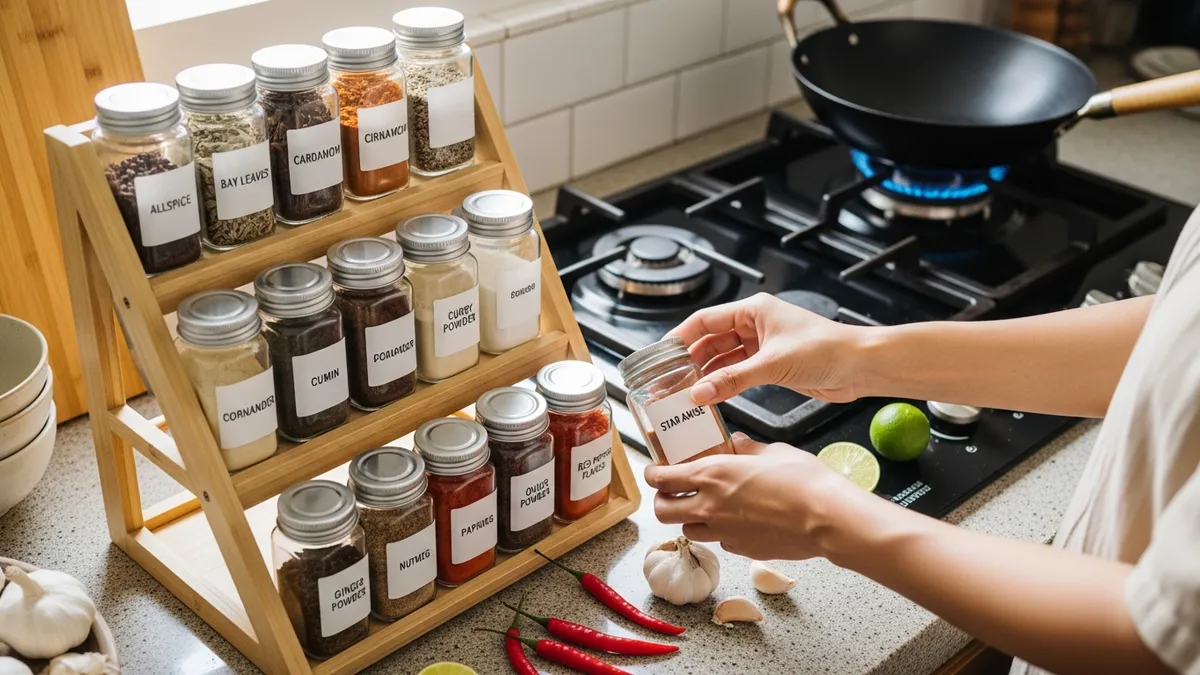
Start With Size and Capacity
Count how many spices you actually reach for in a normal month, not how many you own. A single tier typically holds 4 to 6 standard jars depending on how wide the rack is, which means a 3 tier spice rack usually handles somewhere between 12 and 18 jars in total.
If you cook a lot of spice-forward food, from a weeknight chili to a full holiday roast, look for a rack at least 12 inches wide per tier so the whole collection fits without doubling up. If counter space is tight, measure the exact area you have available before you order anything.
Check the Depth of Each Tier
The depth of each shelf decides which jars will physically fit. Most tiered racks run 4 to 6 inches deep from front edge to back. Match that number against the jars you already own, or the ones you plan to buy, before you commit to a specific model.
Confirm the Weight It Can Hold
Glass spice jars get heavy fast, especially a full row of them across three levels. Make sure the rack you choose is rated to carry that load without sagging in the middle. Stainless steel and coated steel frames handle glass far better than lightweight plastic does.
Match It to Your Kitchen Style
As Good Housekeeping points out, attractive kitchen tools are not only about looks, they are about building a space you genuinely enjoy spending time in. Pick a finish and color that sits comfortably alongside your cabinet hardware, your backsplash, and the rest of the room.
Think About Cleaning
Any surface near a stove eventually collects grease and steam residue. Choose a rack you can wipe down in a few seconds with one cloth. Ornate cut-out detailing looks lovely in product photography and turns into a genuine chore the first time it gets sticky.
How to Arrange Spices on a 3 Tier Rack
Once the rack is on the counter, the arrangement is what makes it genuinely useful during a weeknight dinner rush rather than just decorative.
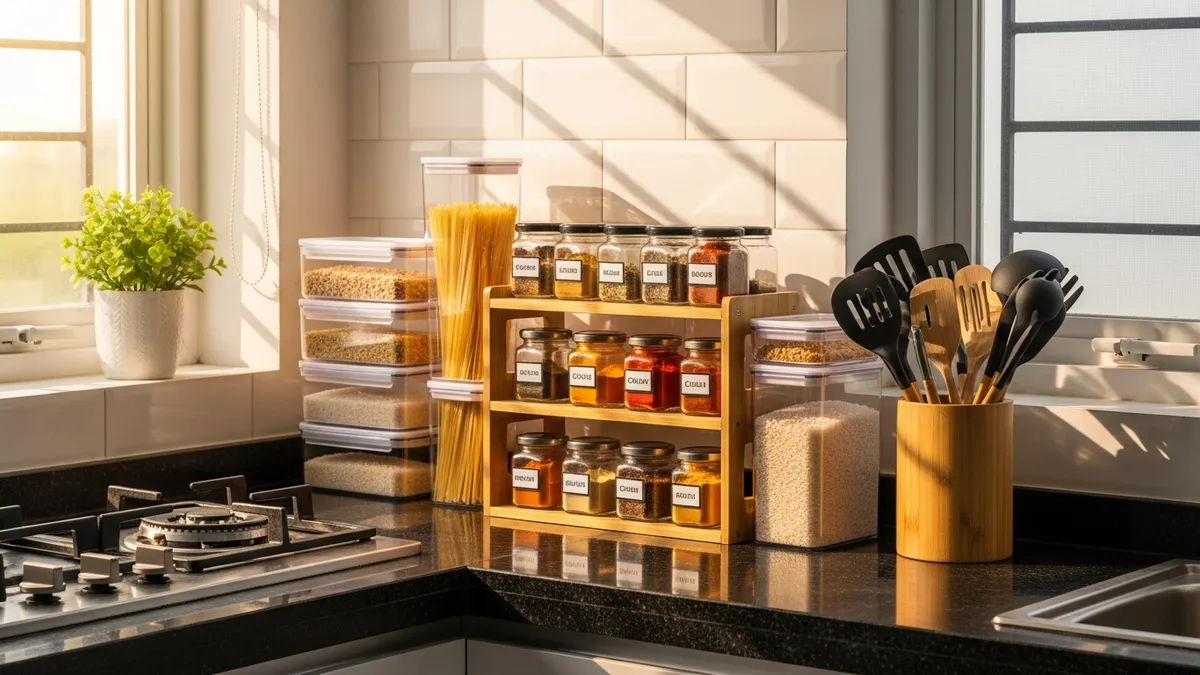
Arrange by How Often You Use Each Spice
This is the single most effective habit you can adopt, and setting it up takes about ten minutes:
- Front tier (the easiest to reach): Everyday staples such as salt, black pepper, garlic powder, and onion powder
- Middle tier: Spices you reach for a few times a week, like smoked paprika, cumin, chili powder, and dried oregano
- Back tier (the least accessible): Occasional players such as cinnamon sticks, whole cloves, cardamom, or specialty blends you open twice a year
Arrange Alphabetically
The other proven system is straightforward A to Z ordering, left to right across each tier. It works especially well once your collection passes twenty jars and you keep forgetting where the coriander ended up. After about a week of muscle memory, you will reach for the correct jar without reading a single label.
Arrange by Cuisine or Cooking Style
If you cook across a lot of different cuisines, grouping by category can beat both systems above:
- Tier 1: Baking spices (cinnamon, nutmeg, allspice, ground ginger)
- Tier 2: Everyday seasonings (salt, pepper, garlic powder, bouillon)
- Tier 3: Global blends (oregano, smoked paprika, thyme, cumin, curry powder)
Use Matching Jars
The fastest way to make a kitchen look genuinely put together is to standardize the containers. Cylindrical or square glass jars with airtight lids are the popular choice for good reason: they look tidy on an open rack and they keep ground spices tasting fresher for longer than the flimsy shakers most spices ship in.
If you do not have decent containers yet, our roundup of spice storage containers is a good place to start.
Label Every Single Jar
Labels are what hold the whole system together once the original packaging is gone. Use something legible, whether that is printed labels or neat handwriting on a clean surface. Include the spice name and, ideally, the date you opened it, since ground spices lose their punch long before they actually spoil. Our label organizer guide covers labeling systems in more detail.
The Best Places to Put a 3 Tier Spice Rack
Where the rack lives has just as much impact on your daily routine as which rack you decided to buy.
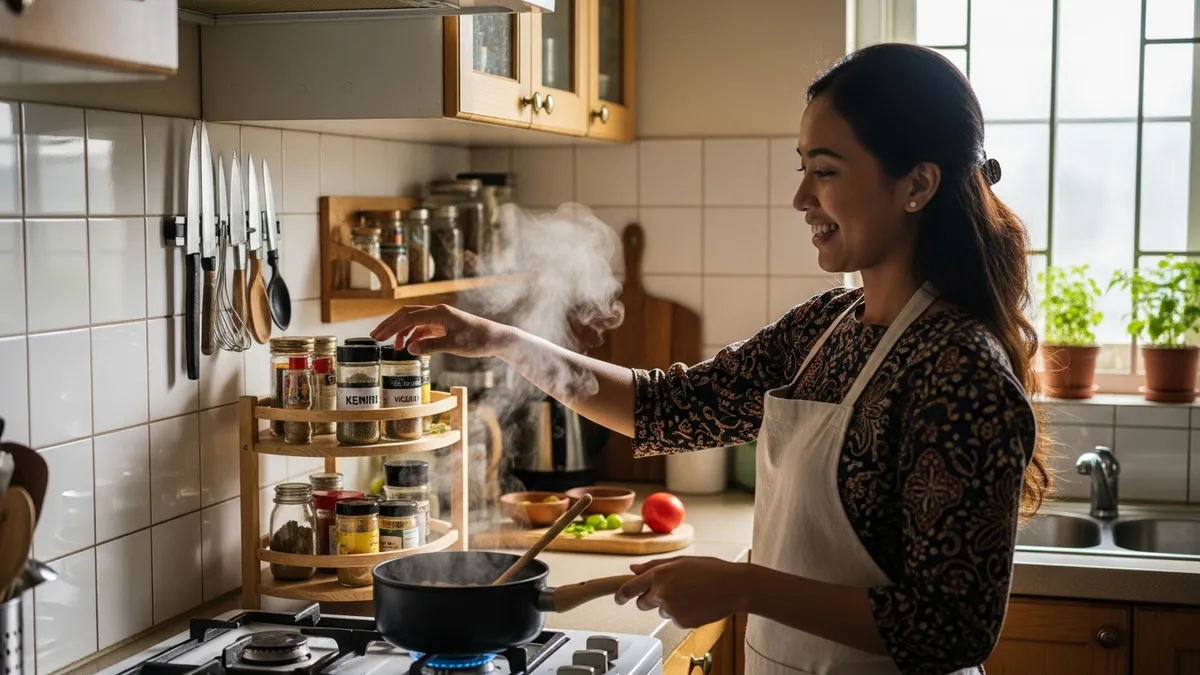
On the Counter Near the Stove
This is the most common spot and the most functional one. Keeping the rack within arm's reach of the range means you never have to step away mid-sauté to hunt for something. Leave at least 12 inches of clearance from the burners so the jars are not sitting in direct heat and rising steam all evening.
Inside a Cabinet
If you prefer completely clear counters, a three-tier rack works beautifully inside a standard cabinet. Measure the interior depth and the shelf height first so the jars stay visible and reachable the moment the door swings open, rather than tipping over every time you pull one out.
On a Wall Shelf
In a really tight kitchen, you can pair a 3 tier spice rack with wall storage and free up the counter entirely. Some tiered racks are designed to mount directly to the wall rather than sit on a surface. Our full guide to the wall mounted spice rack covers that route in depth.
One Placement Rule Worth Remembering
Keep your spice rack out of direct sunlight. Prolonged UV exposure fades the color of ground spices, dulls their aroma, and flattens their flavor long before the printed date on the jar ever arrives.
Also keep the rack away from the sink and anywhere it can catch splashes. Even a completely rust-proof frame will not protect what is inside the jars, and ground spices clump, cake, or grow mold once moisture works its way in past a loose lid.
Caring for a 3 Tier Spice Rack So It Lasts
A well maintained rack easily lasts for years of daily use. Here is what upkeep actually looks like, broken down by material:
Caring for Stainless Steel
- Wipe the frame with a damp microfiber cloth at least once a week
- Use a dedicated stainless steel cleaner for stubborn spots and fingerprints
- Skip steel wool and abrasive pads, which leave permanent scratches in the finish
- Dry the frame right after wiping so hard water spots do not build up over time
Caring for Bamboo and Wood
- Wipe with a dry or barely damp cloth, and never let the wood sit soaking wet
- Apply food-safe mineral oil every few months to keep the grain conditioned and prevent cracking
- Keep it away from the sink and anywhere steam regularly collects
- Treat stains with warm water and a drop of mild dish soap, then dry the surface immediately
Caring for Plastic
- Wash with warm soapy water on a regular schedule
- Do not let it soak for long periods, since that can loosen the joints and snap-fit clips
- Keep it out of direct sun and away from heat sources so it does not warp or discolor
Creative Ways to Get More Out of a 3 Tier Rack
A tiered spice rack does not have to hold spices at all. A few ideas worth stealing if you end up with a spare:
- Coffee and tea station: Keep pods, tea bags, sweeteners, and creamer together in one tidy corner of the counter
- Desk organizer: Outside the kitchen, the same rack keeps pens, sticky notes, and small accessories off your work surface
- Bathroom shelf: In a larger bathroom, use it for hair products or skincare bottles that would otherwise crowd the vanity
- Medicine organizer: Group everyday household medications in one visible place, stored well out of reach of small children
- Mini plant display: For indoor gardeners, the stepped shelves make a natural stage for succulents and small cacti
For a wider look at organizing every zone in the room, read our guide on how to keep your kitchen organized.
There is also endless inspiration on Pinterest, where you will find thousands of real-kitchen setups from around the world that you can adapt to your own layout, budget, and taste.
Related Products from Sesoris
If you want to turn this guide into a real setup, start with Pull-Out Cabinet Organizer, 14 in. Wide and Double-Layer Bamboo Bread Box. For broader options, browse the Kitchen & Dining collection so the article journey does not stop at reading only.
Our practical rule: choose one product that solves the main clutter problem first, then add supporting organizers only when the daily workflow is already clear. This keeps the shopping path useful, not pushy.
FAQ: Common Questions About 3 Tier Spice Racks
How many jars does a standard 3 tier spice rack hold?
A standard rack, roughly 12 inches wide, typically holds 12 to 18 small or medium spice jars. The exact number comes down to the width of each tier and the diameter of the jars you use, so a set of slim square jars will always fit more than round ones.
Can a 3 tier spice rack be used outside the kitchen?
Absolutely. The same rack works in a bathroom for skincare and hair products, on a desk as a supply organizer, in a craft room for beads and paints, or as a small display shelf for potted succulents. Nothing about the design is kitchen-specific.
Which material lasts longest in a steamy, heavily used kitchen?
Stainless steel is the most durable choice for a kitchen that sees a lot of boiling, frying, and steam. Bamboo and wood also last for years as long as they get oiled occasionally and stay out of the wettest zones near the sink and dishwasher vent.
Is there an ideal height between tiers?
Look for roughly 4 to 6 inches of clearance between tiers, which comfortably fits standard spice jars that stand 3 to 5 inches tall. If you plan to use taller jars or small bottles, choose a rack with more vertical spacing so nothing has to lie on its side.
What is the best way to label spice jars?
You have three good options: printed adhesive labels, rewritable chalkboard labels, or clear stickers written with a fine permanent marker. Chalkboard labels are the most flexible because you can change them whenever a jar gets refilled with something different.
How much does a 3 tier spice rack cost in 2026?
Pricing tracks material and brand more than anything else. Plastic three-tier racks generally start around US$12 to US$25. Bamboo and wood models tend to land between US$20 and US$45. Stainless steel and premium powder-coated steel racks usually run from US$30 to US$70 depending on size, finish, and build quality.
Final Thoughts
A 3 tier spice rack is one of the highest-return upgrades you can make to a kitchen for the money. Three stepped levels turn dead vertical space into genuinely usable storage, put every jar within sight, cut real minutes off dinner prep, and make the whole counter look deliberate instead of accidental.
The formula for getting it right is short: pick a material that suits your kitchen and your budget, commit to one arrangement system (by frequency, alphabetical, or by cuisine), standardize your jars, and label every one of them clearly.
In 2026, an organized kitchen is less a social media aesthetic than a practical decision about how you want your daily routine to feel, which is exactly what our tagline Live More Organized is about. Start with one small change, like the right spice rack, and you will notice the difference every single day.
Ready to build the tidy kitchen you keep picturing? Visit Sesoris for a full range of kitchen organization gear, from spice racks to food storage containers, all available in our shop. Take a look at our best sellers and new arrivals while you are there.
Liked this guide?
Get new organizing guides and the occasional new product by email. No spam, unsubscribe anytime.
Related articles

Explore more articles
- Glass Storage Food Containers with Lids: The Complete 2026 Review & Buying Guide
- 30+ Best Organization Ideas: Closet Transformations to Maximize Every Inch in 2026
- 30+ Best Open Shelving Kitchen Ideas to Transform Your Cooking Space in 2026
- DIY Shelf Brackets: Complete 2026 Guide to Building Strong, Stylish Shelves on Any Budget
- 30+ Best Pantry Storage Ideas to Transform Your Kitchen Organization in 2026
- 30+ Best Kitchen Floating Shelf Ideas to Transform Your Cooking Space in 2026
- 30+ Best Jewelry Storage Ideas to Keep Your Collection Organized in 2026
- DIY Room Divider Ideas: 20+ Creative Ways to Split Your Space in 2026