
Home Organization as a Lifestyle: How Everyday Habits Build a Calmer, More Organized Home in 2026
Discover how making home organization a lifestyle in 2026 transforms daily stress into calm. Practical habits, mindset shifts, and product tips inside.
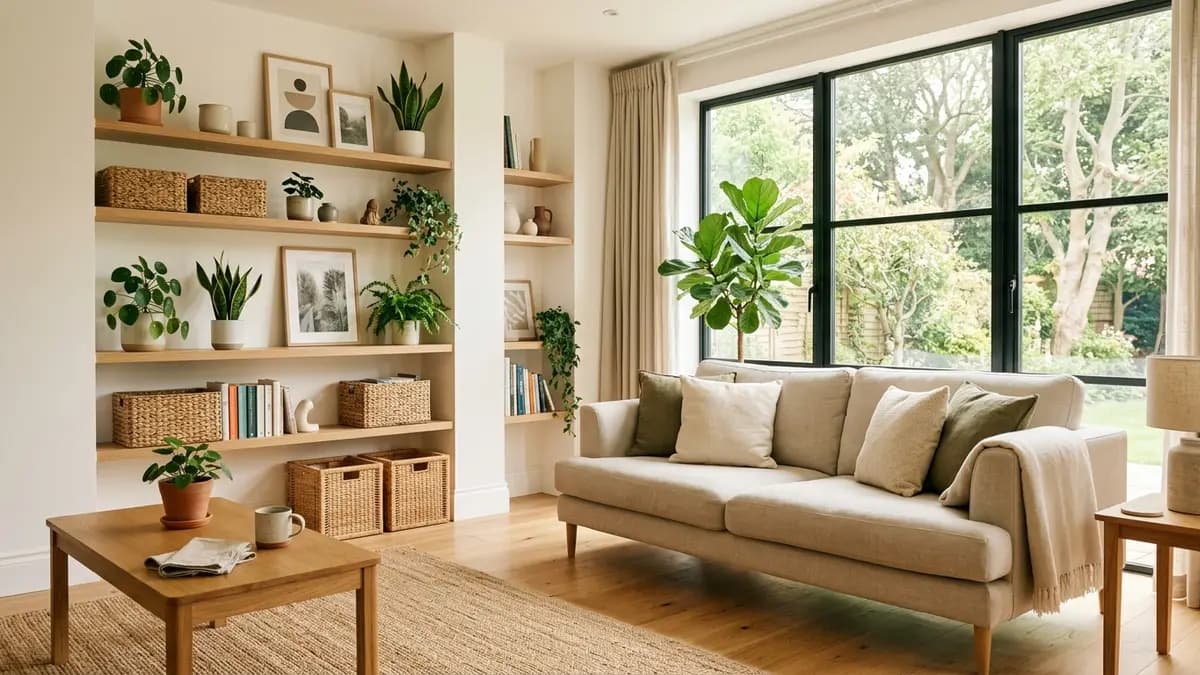
If you have ever looked around your home on a Monday morning and felt an immediate sense of dread at the clutter staring back at you, you are definitely not alone. The good news is that home organization as a lifestyle is not about perfection or spending a fortune on matching storage bins. It is about building small, repeatable daily habits that keep your space calm, functional, and genuinely enjoyable to live in throughout 2026 and beyond. When organization stops being a weekend project you dread and starts becoming part of how you naturally move through your day, everything shifts. This guide is here to help you make that shift, one practical habit at a time.
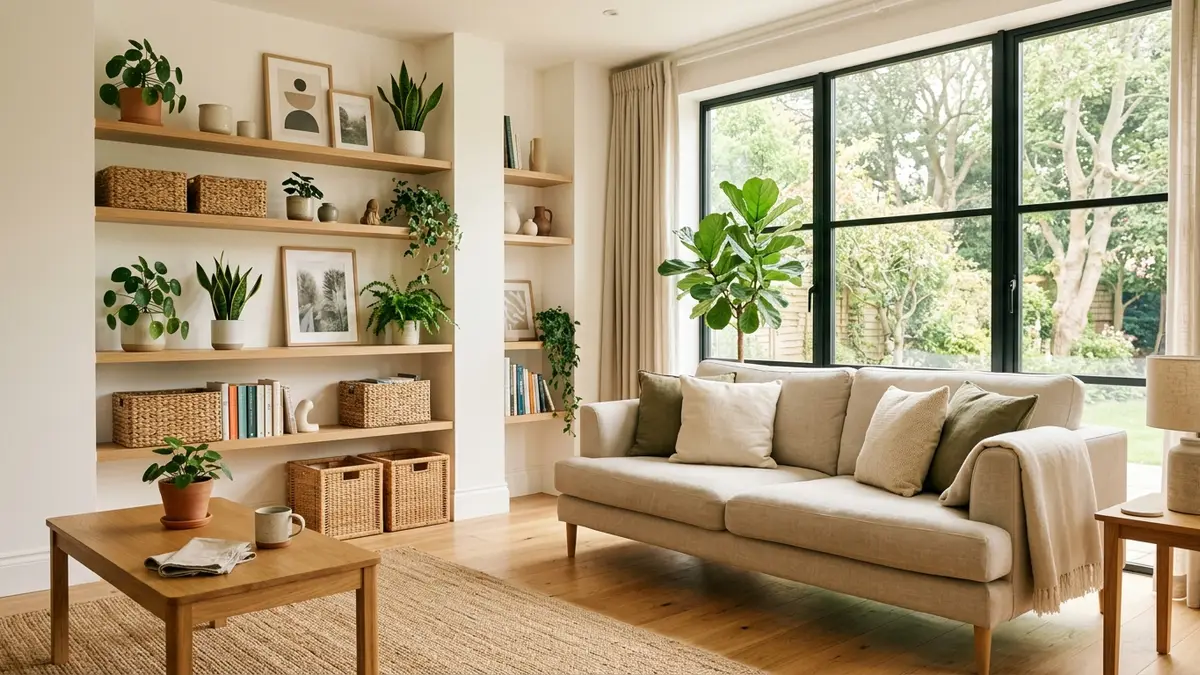
Why Home Organization as a Lifestyle Beats One-Time Decluttering
Most of us have experienced the satisfaction of a big declutter session, only to find the same chaos creeping back within a few weeks. That is because a single tidying marathon addresses the symptom, not the root cause. When home organization becomes a lifestyle rather than an event, you stop fighting your home and start designing it to work with your actual habits.
Research in environmental psychology consistently shows that cluttered environments elevate cortisol levels and contribute to feelings of overwhelm. According to a widely cited study published through the National Institutes of Health, the physical environment of a home has a measurable effect on psychological well-being, with disorganized spaces linked to higher self-reported stress. That connection between physical clutter and mental load is exactly why treating organization as a long-term lifestyle choice, rather than a chore to cross off a list, produces real and lasting results.
The lifestyle approach means you make tiny, consistent decisions every single day: you put things back where they belong, you reset your spaces before bed, you buy with intention rather than impulse. Over time, those micro-habits compound into a home that genuinely feels easy to maintain.
The Mindset Shift That Makes Home Organization Stick
Before any bin, basket, or label system will work long-term, a mindset shift has to happen. The most important reframe? Organization is not about making things look good for guests. It is about reducing the daily friction in your own life.
Here are the core mindset shifts that underpin a truly organized lifestyle in 2026:
1. Everything Needs a Home
The single biggest driver of clutter is items that do not have a designated place. When something lacks a home, it lands on the nearest flat surface and stays there. Start by auditing your most cluttered zones and asking: does every item here have a specific place to return to? If the answer is no, that is your starting point.
2. One In, One Out
Every time a new item enters your home, something else leaves. This simple rule, borrowed from minimalism, prevents the slow accumulation that eventually overwhelms even the most beautifully organized spaces. It applies to kitchen gadgets, clothing, kids' toys, and yes, even storage containers.
3. Reset, Do Not Reorganize
True lifestyle organizers do not constantly reorganize from scratch. They do regular, small resets. A five-minute reset before bed, a Sunday reset routine on the weekend, a quick kitchen counter wipe-down after every meal. These micro-resets prevent the build-up that eventually requires a full overhaul.
4. Systems Over Willpower
Relying on motivation or discipline to stay organized is exhausting and unreliable. Instead, design systems that make the organized choice the easiest choice. Labeled bins mean you never have to think about where something goes. A dedicated drop zone by the door means bags, keys, and mail have one place and only one place.
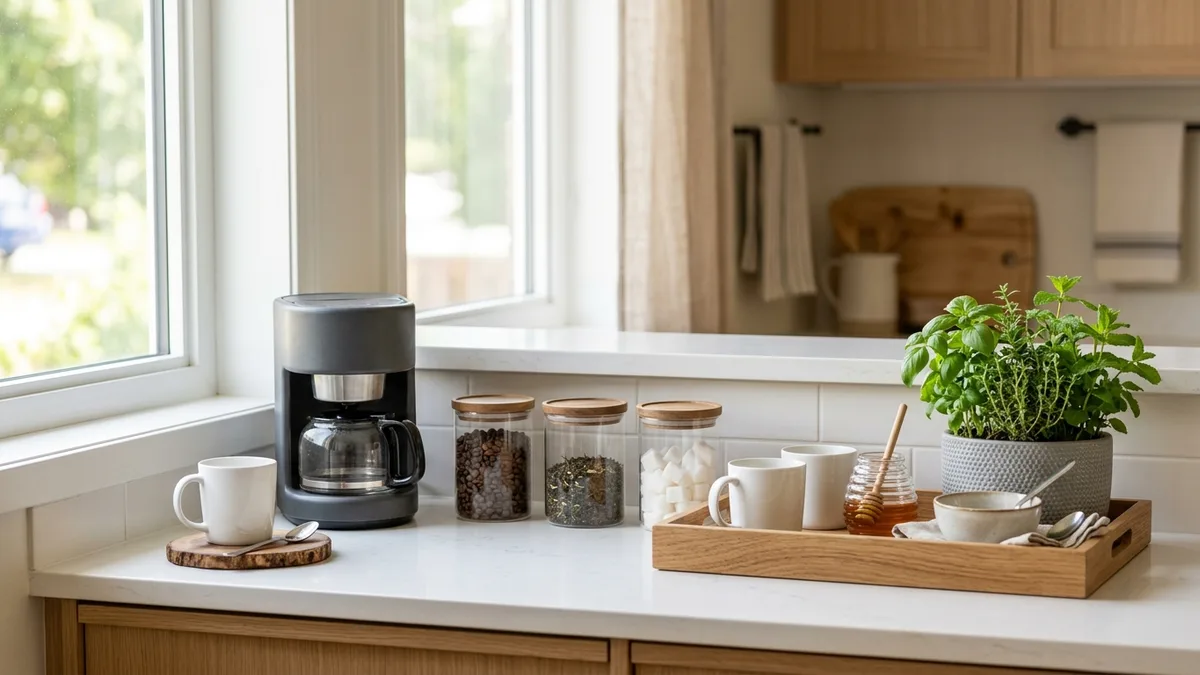
Building a Home Organization Lifestyle: Room by Room
Translating the mindset into action works best when you approach your home zone by zone. Trying to overhaul everything at once almost always leads to burnout. Instead, embed organizational habits into each room sequentially, then maintain them as your new normal.
Use this room-by-room summary to pick one daily habit that keeps each space under control.
| Room | One daily habit | Time it takes |
|---|---|---|
| Entryway | Hang keys and bags on the same hooks every time | Under a minute |
| Kitchen | Clear and wipe counters after the last meal | A few minutes |
| Living room | Return items to their bins before bed | A few minutes |
| Bedroom | Make the bed and clear the nightstand | A few minutes |
| Bathroom | Put products back in their caddy after use | Under a minute |
The Kitchen: Your Daily Command Center
The kitchen is where most household chaos originates. Groceries come in, meals go out, and everything in between tends to pile up on the counter. The lifestyle habits that keep kitchens functioning well include:
- Clear the counter every night. Pick a time, usually right after dinner cleanup, to return every countertop item to its designated spot. A clear counter in the morning genuinely changes the energy of your whole day.
- Use airtight, labeled storage. Pantry organization becomes nearly effortless when every canister is transparent and labeled. Check out our guide to airtight storage containers for food to find containers that keep dry goods fresh and your shelves looking sharp.
- Apply the produce rotation habit. Each time you unpack groceries, move older items to the front and newer ones to the back. This one habit alone dramatically cuts food waste.
- Keep a running shopping list visible. Whether it is a magnetic notepad on the fridge or a shared digital list, having a single place to capture what is running low prevents the chaos of mental grocery lists.
The USDA Food Safety and Inspection Service provides clear guidance on safe food storage temperatures and timeframes, which is worth bookmarking so your kitchen habits align with food safety best practices too.
The Entryway: Your Home's First and Last Impression
Your entryway sets the tone for every transition into and out of your home. When it is chaotic, the chaos follows you in and out. When it is calm and functional, you leave and arrive with less mental noise.
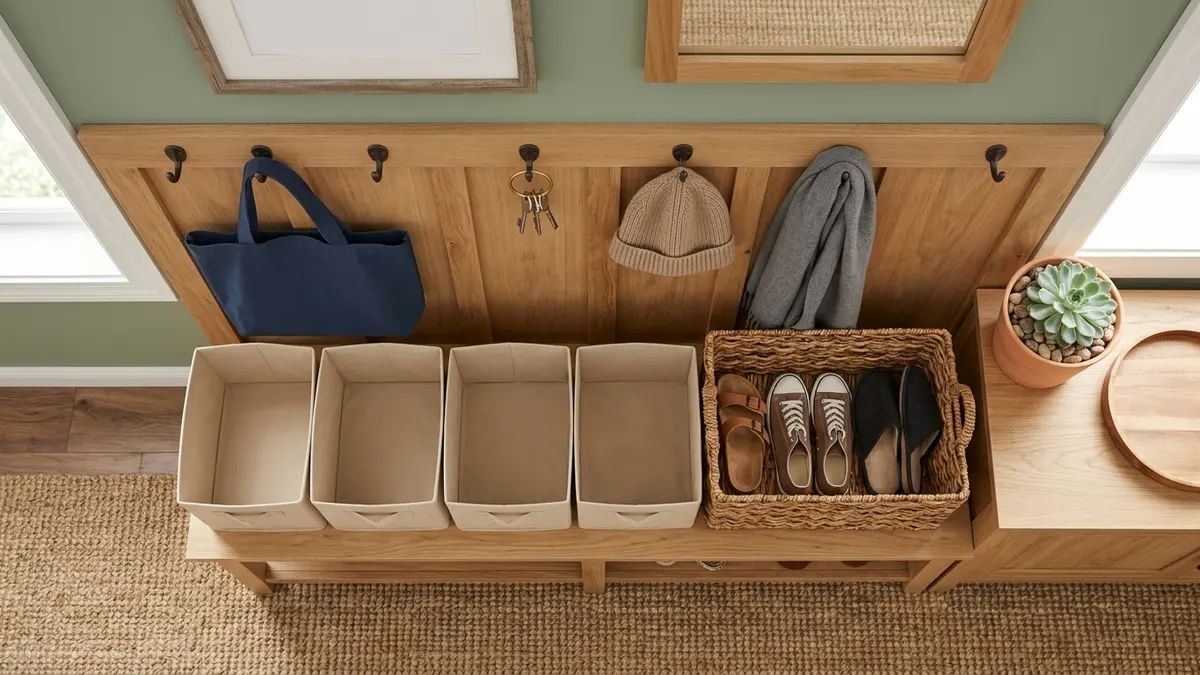
The lifestyle habits that sustain a functional entryway include:
- Install enough hooks for every household member's daily bag or jacket. When there are not enough hooks, things end up on the floor.
- Use a labeled bin or basket for shoes near the door. If the system is easy enough for kids to use independently, it will actually get used.
- Create a dedicated spot for keys, mail, and small daily-carry items. A small tray or shallow dish works perfectly.
- Do a 60-second entry reset each evening, returning anything that drifted from its home.
For more detailed ideas on creating a high-functioning entryway, our entryway organization complete guide covers layouts and storage solutions for every size of space.
The Pantry and Food Storage Zone
A well-organized pantry is one of the highest-leverage investments you can make in your kitchen lifestyle. When you can see everything you have, you cook more intentionally, waste less food, and avoid buying duplicates of things already sitting on the shelf.
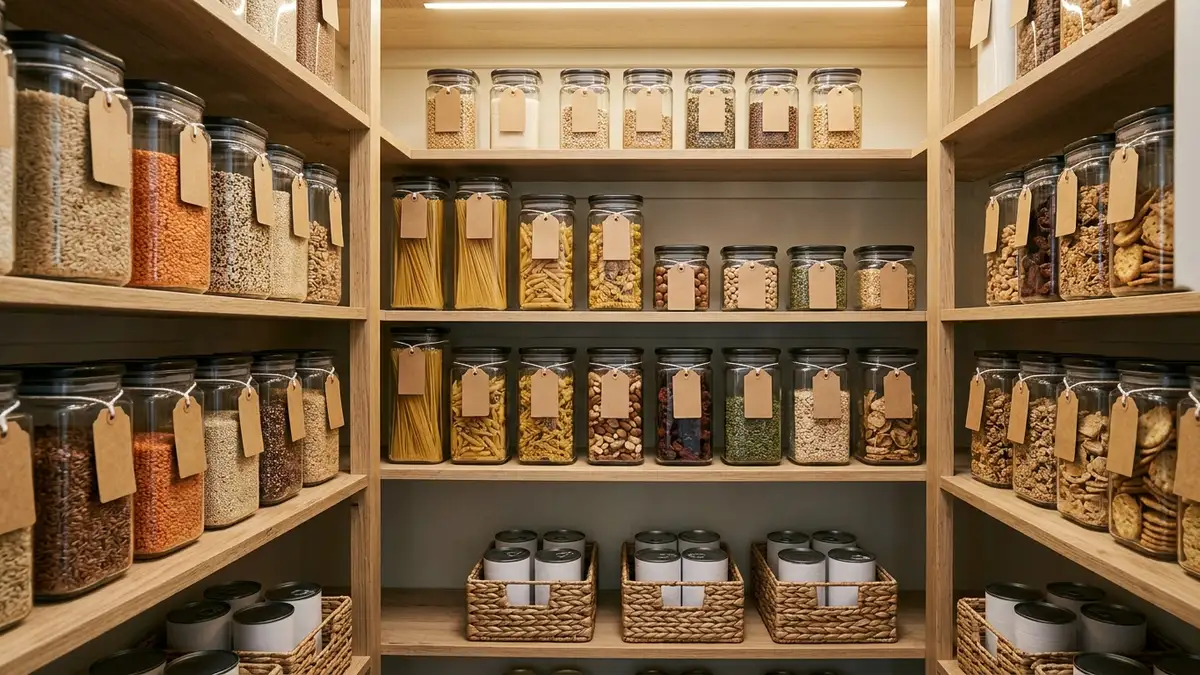
"A pantry that works for you means spending less time searching and more time actually cooking. That is what organization as a lifestyle looks like in the kitchen."
Key lifestyle habits for a functional pantry:
- Group by category and meal type. Baking supplies together, grains together, canned goods together. When everything has a zone, grocery unpacking takes half the time.
- Use uniform containers for bulk staples. Square or rectangular clear containers stack more efficiently than mixed packaging and allow you to see quantities at a glance. Browse our best pantry organization containers guide for recommended options at various price points.
- Label everything. Even if you think you will remember what is in a canister, a label removes one more micro-decision from your daily routine.
- Schedule a monthly pantry audit. Once a month, pull everything forward, check expiration dates, and make a note of what needs to be used up first.
The Bedroom: Your Rest and Recovery Zone
An organized bedroom has a direct impact on sleep quality. According to research cited by the National Sleep Foundation, sleeping in a cluttered room is associated with sleep disturbances in some individuals, because visual chaos keeps the brain in a low-grade alert state rather than winding down properly.
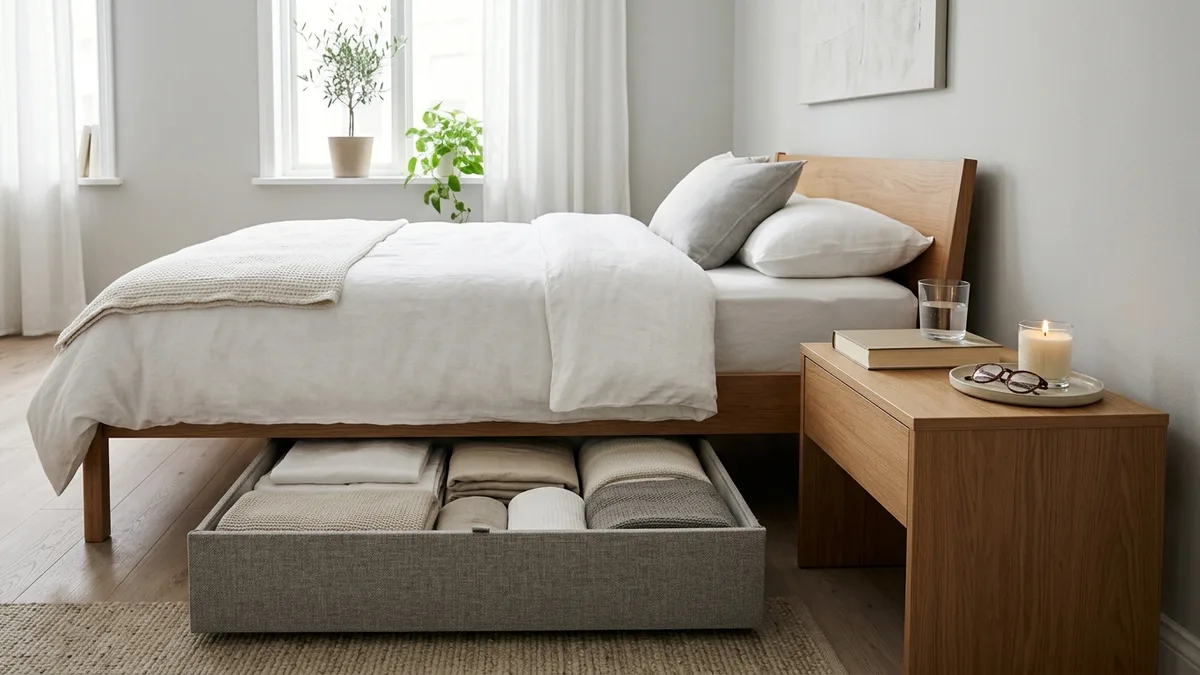
The bedroom lifestyle habits worth building in 2026:
- Make the bed every morning. This is one of the most well-documented keystone habits because it triggers a cascade of other tidy behaviors throughout the day.
- Use under-bed storage intentionally. Under-bed space is valuable real estate. Flat fabric drawers or lidded boxes keep seasonal items accessible without cluttering the floor. See our best under-bed storage containers guide for flat-profile options that actually fit most bed frames.
- Practice the nightly surface reset. Bedside tables have a way of accumulating everything from cups to chargers to books. A 90-second reset before sleep keeps this from becoming a weekly excavation project.
- Rotate your wardrobe seasonally. Keeping only the current season's clothing accessible and boxing up off-season items reduces daily decision fatigue dramatically. Our clothes storage organizer guide has practical methods for this.
The Role of the Right Products in an Organized Lifestyle
Here is an honest truth about home organization as a lifestyle: the right tools genuinely help, but only when the habits come first. A beautiful set of clear pantry canisters will not organize your kitchen on their own, but paired with a weekly grocery-sorting habit, they make that habit frictionless and sustainable.
When choosing organizational products, the Sesoris team recommends filtering by these criteria:
- Visibility. Clear or open-front containers let you see contents instantly, removing the need to search.
- Uniform sizing. Products that stack and nest together use space more efficiently and create visual calm.
- Durability. Products that hold up to daily use over years rather than months are a better investment than cheap options that need replacing seasonally.
- Ease of cleaning. If a container is annoying to wash, it will not get washed, and that creates hygiene and organizational problems over time.
Our best sellers collection pulls together the storage and organization tools that real customers reach for again and again, filtered by the criteria above.
For those building out a new organization system from scratch, the Sesoris collections page lets you browse by room and category so you can find exactly the right solution without getting overwhelmed by choices.
How to Sustain Home Organization as a Lifestyle Long-Term
Starting an organized lifestyle is relatively straightforward. Sustaining it, especially through busy seasons, moves, new babies, or major life changes, is where most people struggle. Here are the habits and strategies that help home organization remain a lifestyle rather than a one-off project:
Weekly Reset Rituals
Designate one block of time per week, even just 20 to 30 minutes, as your household reset. Use it to return stray items to their zones, wipe down surfaces, check the pantry and fridge, and prep for the week ahead. Our detailed Sunday reset routine tutorial gives you a step-by-step framework for making this feel like self-care rather than a chore.
Seasonal Declutter Sessions
Four times a year, set aside a longer block of time, perhaps two to three hours, to do a more thorough review of each zone. Ask: what has not been used this season? What is broken and waiting to be fixed but never will be? What no longer fits, physically or lifestyle-wise? Items that clear these filters leave the home, creating space for what actually serves your current life.
Involve Every Member of Your Household
An organized lifestyle cannot be sustained by one person alone in a shared home. When kids, partners, and roommates understand the systems and why they matter, maintenance becomes a shared responsibility rather than a single person's endless frustration. Keep systems simple enough that a child can follow them independently. Complexity is the enemy of consistency.
Celebrate Progress, Not Perfection
One of the most corrosive beliefs around home organization is that it needs to look magazine-perfect to count. An organized lifestyle in the real world means your kitchen functions well even if the junk drawer has a few mysteries in it. It means you can find your keys in under ten seconds and your pantry does not stress you out, even if the shelves are not color-coded. Progress over perfection is the sustainable path.
As Real Simple notes in its ongoing coverage of home organization, the homes that stay organized over years are consistently the ones where the systems are built around real life rather than aspirational aesthetics.
Connecting Your Organized Home to a Broader Lifestyle
An organized home does not exist in isolation. It is the physical foundation of a broader approach to living intentionally in 2026. When your kitchen is functional, you cook at home more often and rely less on takeout. When your bedroom is calm, you sleep better and have more energy. When your entryway runs smoothly, mornings feel less chaotic and you start each day on steadier footing.
This is the lifestyle promise of home organization: not a perfectly staged interior, but a home that actively supports the life you want to be living. For deeper reading on connecting organized spaces to a more intentional daily rhythm, our slow living at home guide offers a thoughtful perspective on the relationship between your environment and your sense of ease.
Platforms like Houzz and The Spruce are excellent for visual inspiration when you are reimagining a room's layout or exploring new storage solutions that fit your home's style. Seeing how other people have solved similar organizational challenges can spark ideas that are genuinely useful for your own space.
Related Products from Sesoris
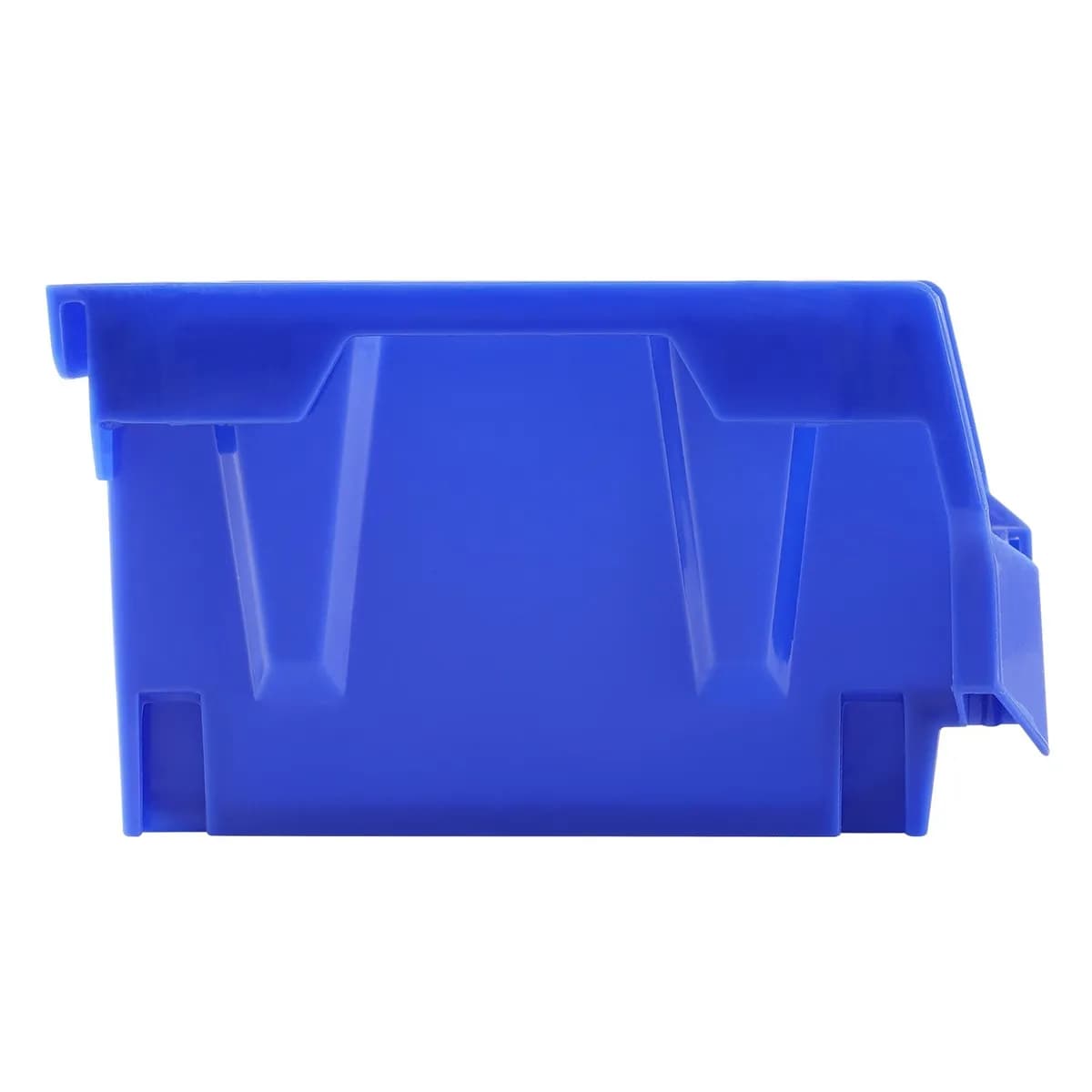
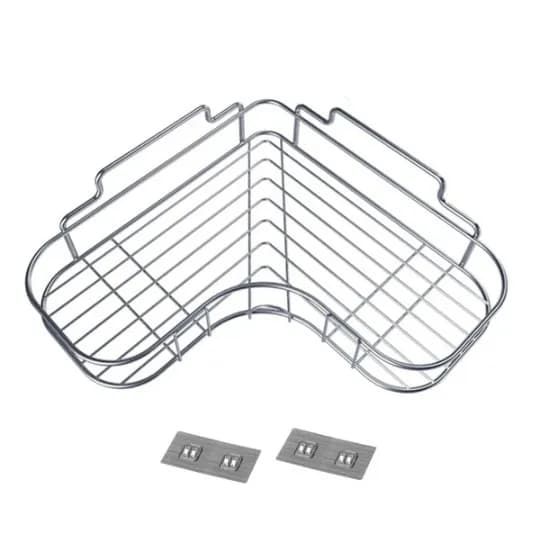
If you want to turn this guide into a real setup, start with Stackable Storage Bins, 24 Pack and Pull-Out Cabinet Organizer, 17 in. Wide. For broader options, browse the Home & Decor collection so the article journey does not stop at reading only.
Our practical rule: choose one product that solves the main clutter problem first, then add supporting organizers only when the daily workflow is already clear. This keeps the shopping path useful, not pushy.
FAQ: Frequently Asked Questions About Home Organization as a Lifestyle
Q: How long does it actually take to build an organized lifestyle?
Research on habit formation, including work summarized by Phillippa Lally and colleagues at University College London, suggests that new habits take anywhere from 18 to 254 days to become automatic, with a median closer to 66 days. For most people, committing to a consistent organizational habit for about two months is enough to make it feel natural rather than effortful.
Q: Where should I start if my whole home feels overwhelming?
Start with one small, high-traffic zone that bothers you the most, typically the kitchen counter, the entryway, or the bathroom vanity. Get that zone completely functional and easy to maintain before moving to the next. Early wins build momentum and confidence for tackling larger spaces.
Q: Do I need to buy a lot of new storage products to get organized?
Not at all. In fact, buying products before you have decluttered often makes things worse by giving clutter a fancier home. The right order is: declutter first, then assess what you actually need to store, then choose products that fit the real quantity of items you are keeping. Our all products page lets you browse by function so you can find targeted solutions rather than buying a broad haul.
Q: How do I keep kids from destroying my organization systems?
Kid-proof systems are simple, low-friction, and visually obvious. Open bins at reachable heights, picture labels for younger children who cannot read yet, and designated dumping zones for toys that are easy to reset all help. The key is designing systems that are easier to use correctly than to ignore.
Q: Is it possible to stay organized in a very small home?
Absolutely. In fact, small homes often benefit most from organizational systems because every square foot counts. Vertical storage, multi-purpose furniture with built-in storage, and strict one-in-one-out policies are especially powerful in compact spaces. Our home organization ideas for small spaces guide is a great starting point.
Q: What is the difference between decluttering and organizing?
Decluttering decides what stays and what goes. Organizing gives every remaining item a home that makes sense for how you use it. Declutter first, then organize, so you are not buying storage for things you do not need.
Q: How do I stay organized when life gets busy?
Lower the bar instead of skipping the habit. A two-minute reset of one surface, one drop zone by the door, and one weekly catch-up session keep things from piling up during busy weeks.
Q: Which organizing habit makes the biggest difference for most homes?
Putting things back right after use is often the most effective habit because it prevents piles from forming in the first place. Pair it with easy-to-reach storage so the right place is also the most convenient place.
Conclusion: Make Home Organization a Lifestyle That Lasts in 2026
The difference between a home that stays organized and one that cycles through chaos is not intelligence, budget, or the perfect set of bins. It is the decision to treat home organization as a lifestyle, a set of small, consistent habits layered into everyday life rather than a dramatic weekend project. Start with your most stressful zone, build one system at a time, involve everyone in your household, and let go of the idea that it needs to be perfect to be worthwhile.
When your home works for you rather than against you, every single day becomes a little lighter. That is the real reward. Ready to build the organized home lifestyle you have been picturing? Explore our full range of home organization products at Sesoris and browse our new arrivals for the freshest additions to our lineup. Your calmer, more organized home in 2026 starts with one small habit today.
Liked this guide?
Get new organizing guides and the occasional new product by email. No spam, unsubscribe anytime.
Related articles
Explore more articles
- Guide to Choosing the Best Outdoor Backpack for Hiking and Camping (2026)
- Very Small Closet Organization Ideas: Transform Your Tiny Storage Space in 2026
- Pyrex Glass Food Storage Containers: The Complete Guide to Premium Kitchen Storage in 2026
- Minimalist House Paint Colors: 25+ Best Ideas for Modern Homes 2026
- How to Organize Your Pantry Step by Step: Complete Tutorial for a Functional, Clutter-Free Kitchen in 2026
- Best Indoor Plant Pots and Planters for Home Organization: Complete 2026 Review & Buying Guide
- Indoor Plants and Home Organization: The Lifestyle Guide to a Greener, Tidier Home in 2026
- Bedroom Lifestyle Habits That Actually Keep Your Sleep Space Calm and Organized in 2026