
Winter Home Maintenance Checklist: What to Do Before the First Freeze
A winter home maintenance checklist that covers heating service, chimney checks, smoke and CO alarms, frozen pipe prevention, gutters, drafts, outage supplies and seasonal storage.
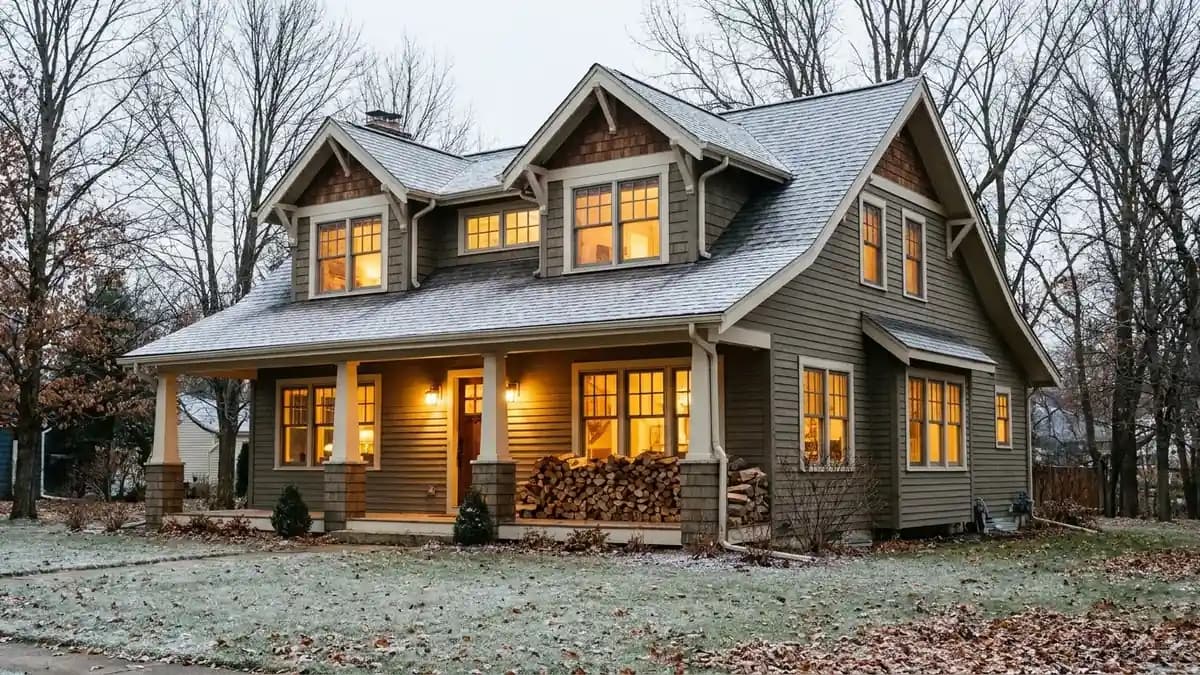
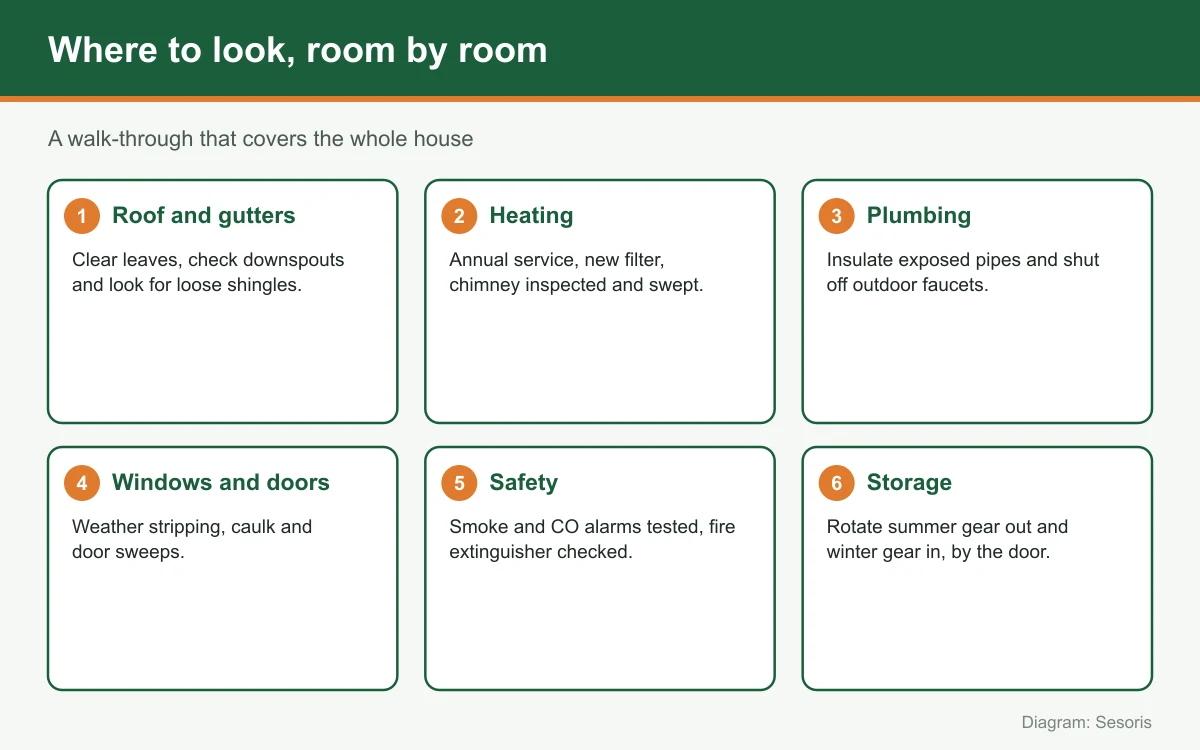
A good winter home maintenance checklist covers four jobs before the cold settles in: get the heating system serviced, protect the plumbing from freezing, seal the drafts around windows and doors, and test every smoke and carbon monoxide alarm. Add a few organizing tasks, like moving winter gear to the door and packing summer things away, and the house runs through the season with fewer surprises. This guide walks through each task in the order that makes sense, explains why it matters and points to the official safety guidance behind it.
Winter is hard on a house because everything works harder at once. The furnace runs for hours, pipes sit in cold walls and crawl spaces, gutters fill with leaves and then ice, and the family spends more time indoors with doors and windows shut. Most of the damage people pay for in late winter, such as burst pipes, ice dams or a furnace that quits on the coldest night, starts with a small job that was skipped in the fall. A checklist turns those jobs into a short weekend plan instead of an emergency call.
Winter Home Maintenance Checklist at a Glance
Use this table as the master list. The timing column tells you when each task does the most good, so you can spread the work over a few weekends instead of doing it all at once.
| Task | When | Why it matters | Who does it |
|---|---|---|---|
| Annual heating system service | Before the first freeze | A qualified technician checks burners, venting and safety controls | Professional |
| Chimney and flue inspection | Before the first fire | Blocked chimneys can push carbon monoxide back into the home | Professional |
| Replace the furnace filter | Start of season, then check monthly | A clogged filter makes the system work harder | You |
| Test smoke and CO alarms | Start of season and when clocks change | Alarms only help if the batteries and sensors work | You |
| Drain and store garden hoses | Before the first freeze | Water left in hoses and outdoor faucets can freeze and crack them | You |
| Insulate exposed pipes | Before the first freeze | Pipes in cold spaces are the first to freeze | You or a plumber |
| Clean gutters and downspouts | Late fall | Clogged gutters hold water that can refreeze at the roof edge | You or a pro |
| Seal drafts | Late fall | Weather stripping and caulk keep heat in | You |
| Stock outage supplies | Before winter storms | Storms can cut power for days | You |
| Swap seasonal storage | Late fall | Winter gear by the door, summer gear packed away | You |
The rest of this guide goes through the list in the same order, starting with the jobs that protect the family's safety and ending with the organizing tasks that make winter mornings easier.
Get the Heating System Serviced Before the First Freeze
Heating equipment is the one system you cannot do without in January, and it is also the one that can create real danger when it is neglected. The CDC's carbon monoxide guidance recommends having your heating system, water heater and any other gas, oil or coal burning appliances serviced by a qualified technician every year. The service visit checks burners, heat exchangers, vents and safety switches that you cannot see from the outside.
Book the appointment early. Technicians are busiest after the first cold snap, when everyone discovers their furnace does not start. A visit in early fall usually means shorter waits and time to order parts if something needs replacing. If you rent, ask your landlord when the heating system was last serviced and put the request in writing.
While you wait for the visit, do the simple checks yourself. Make sure nothing is stored against the furnace or water heater, clear the area around supply and return vents in each room, and look at the vent pipes. The CDC notes that horizontal vent pipes for appliances such as water heaters should rise slightly as they run toward the outdoors, which prevents carbon monoxide from leaking at loose joints.
Change the Furnace Filter and Keep Vents Clear
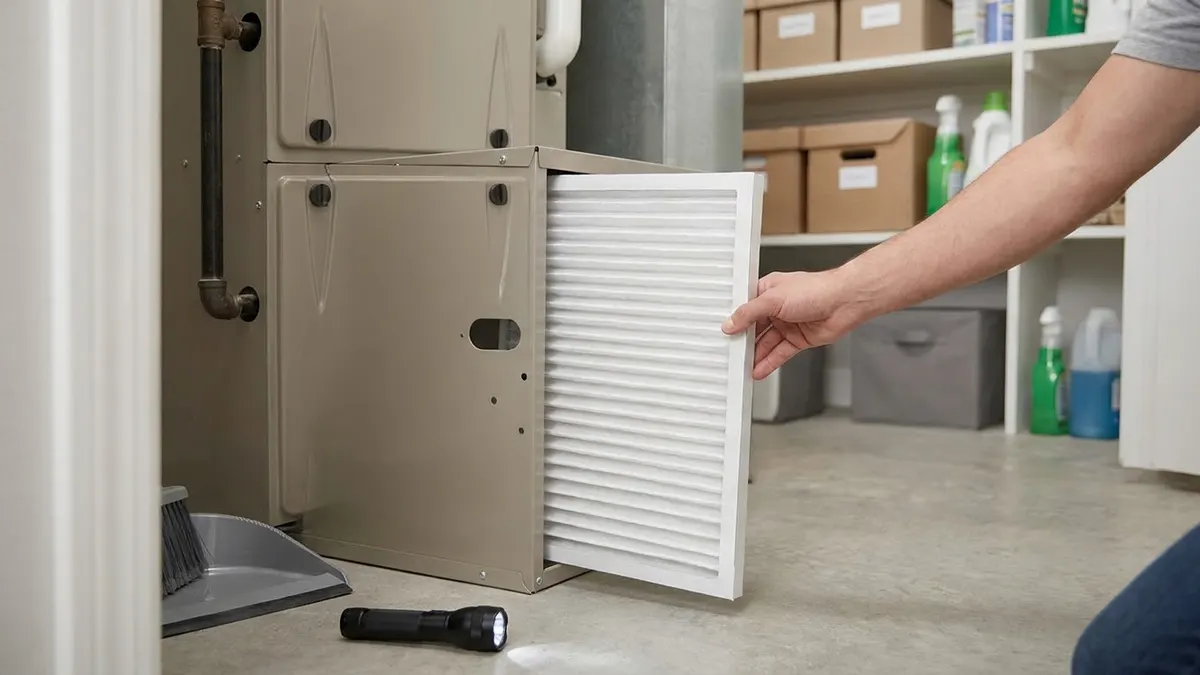
The filter is the easiest heating task you can do yourself. A dirty filter restricts airflow, makes the blower work harder and lets more dust circulate through the house. Check the size printed on the frame of the old filter before you buy a new one, slide the new filter in with the airflow arrow pointing toward the furnace, and write the date on the frame so you know when it went in.
How often to change it depends on the filter type, pets, dust and how hard the system runs, so follow the interval in your furnace manual or on the filter package. A practical habit is to look at the filter once a month during the heating season and replace it when it looks gray and clogged. Keep two spare filters on a shelf near the furnace so a change takes five minutes instead of a trip to the store.
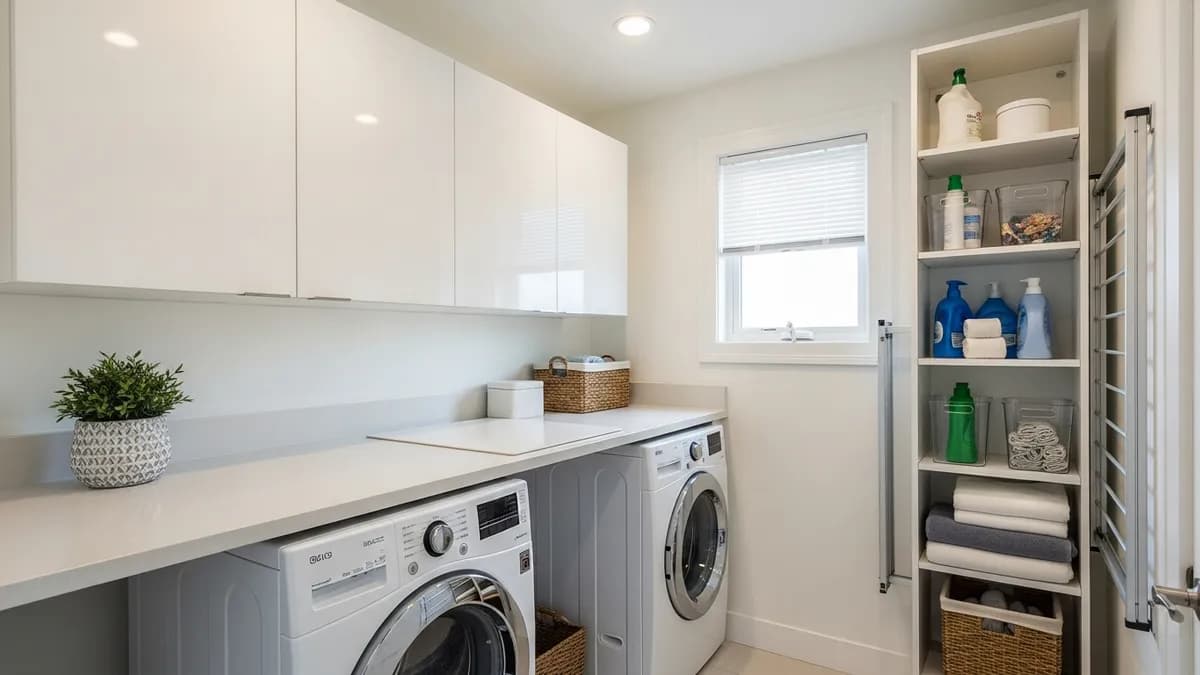
Inside the house, walk room by room and make sure furniture, rugs and curtains are not blocking supply registers or return grilles. Blocked vents leave some rooms cold, which tempts people to bring in space heaters. If you store things in the utility closet, keep the area in front of the furnace clear; our guide to laundry room organization has shelving ideas that keep supplies off the floor around appliances.
Have the Chimney Checked and Use Heaters Safely
If you have a fireplace or wood stove, the chimney needs attention before the first fire. The CDC advises having your chimney checked or cleaned every year, because chimneys can be blocked by debris and cause carbon monoxide to build up inside. The U.S. Fire Administration gives the same advice for fire safety: have heating equipment and chimneys cleaned and inspected each year by a professional.
Space heaters and fireplaces also need clearance. The U.S. Fire Administration recommends keeping anything that can burn at least 3 feet away from all heat sources, including fireplaces, wood stoves, radiators, space heaters and candles, and turning space heaters off when you leave the room or go to bed. It also warns never to use an oven to heat your home.
This is a good moment to rethink storage near heat sources. Firewood stacked right beside the hearth, blankets piled next to a radiator or a basket of kindling beside the hearth all count as things that can burn. Move them to a spot at least 3 feet away. For throws and extra blankets, a lidded basket across the room works better; see our blanket storage ideas for the living room.
Test Smoke and Carbon Monoxide Alarms
Alarms are the safety net for every other task on this list. Ready.gov recommends installing and testing smoke alarms and carbon monoxide detectors with battery backups as part of preparing for winter weather. The CPSC recommends battery-operated CO alarms or CO alarms with battery backup on every level of the home and outside sleeping areas, and notes that interconnected alarms are best because when one sounds, they all sound.
The CDC suggests checking CO detector batteries when you change the clocks each spring and fall, and replacing the detector following the manufacturer's instructions or every 5 years. Write the install date on the back of each alarm so the replacement date is never a guess. Press the test button on every smoke and CO alarm, replace weak batteries and vacuum dust from the vents of older units.
Know the warning signs too. The CPSC lists the symptoms of carbon monoxide poisoning as headache, dizziness, weakness, nausea, vomiting, sleepiness and confusion. If you suspect CO poisoning, get outside to fresh air immediately and then call 911.
| Alarm | Where | Test | Replace |
|---|---|---|---|
| Smoke alarm | Every level and near sleeping areas | Press the test button at the start of the season | Follow the manufacturer's date on the alarm |
| CO alarm | Every level and outside sleeping areas (CPSC) | Test and check batteries when clocks change (CDC) | Per manufacturer or every 5 years (CDC) |
Protect the Plumbing From Freezing
Frozen pipes are one of the most expensive winter problems, and most of the prevention happens before the first hard freeze. Ready.gov lists learning how to keep pipes from freezing as a core winter preparation step. Start outside: disconnect garden hoses, drain them and store them, and shut off and drain outdoor faucets if your home has an inside shutoff valve for them.
Next, find the pipes that run through cold spaces such as crawl spaces, unheated garages, exterior walls and under sinks on outside walls. Foam pipe insulation from a hardware store slips over exposed pipes and is one of the cheapest jobs on this list. Learn where the main water shutoff is and make sure every adult in the house can reach and turn it. If a pipe ever bursts, those few minutes matter.
During a deep cold snap, keep the house heated even when you are away, and open the cabinet doors under sinks on outside walls so warm air reaches the pipes. Clear the cabinet first so the doors can stay open safely; our guide to under-sink organization ideas shows how to keep cleaning products in a caddy you can lift out in seconds.
Clean the Gutters and Check the Roof Line
Gutters do their most important work in late fall, when leaves clog them right before the first freeze. A gutter full of wet leaves holds water against the roof edge, and when that water freezes it can build up into ice along the eaves. Clean the gutters after most leaves have fallen, flush the downspouts with a hose before you put it away, and make sure the downspouts empty well away from the foundation.
From the ground, look along the roof line for missing or lifted shingles, sagging gutters and gaps around vent pipes. Use binoculars instead of climbing if you are not comfortable on a ladder, and hire a pro for anything on the roof itself. After heavy snow, check that furnace and water heater exhaust vents on the outside wall are not buried, since a blocked vent can push exhaust back inside.
Seal Drafts Around Windows and Doors
Drafts make a house feel colder than the thermostat says and push people to turn the heat up. Ready.gov recommends preparing your home to keep out the cold with insulation, caulking and weather stripping. On a windy day, hold the back of your hand near window frames, door edges, outlets on exterior walls and the attic hatch. Anywhere you feel moving air is a candidate for sealing.
Weather stripping goes on the moving parts of doors and windows, caulk fills the fixed gaps around trim, and a door sweep closes the gap under exterior doors. Most of these are renter friendly if you choose removable products, but ask before you caulk in a rental. Heavy curtains help at night, as long as they stay clear of radiators and space heaters.
Stock Supplies for Storms and Outages
Winter storms can cut power for days. Ready.gov recommends gathering supplies in case you need to stay home for several days without power, keeping each person's specific needs in mind, including medication, and remembering pets. Keep extra batteries for radios and flashlights. If heating costs are a struggle, Ready.gov points households to the Low Income Home Energy Assistance Program (LIHEAP) for help with heating bills and weatherization.
Generators need extra care. The CPSC warns never to use a portable generator inside a home or garage, even with doors and windows open, and to run generators outside only, at least 20 feet away from the home with the exhaust pointing away. The CDC adds that you should never heat your house with a gas oven and never use a portable gas camp stove indoors.
Store outage supplies together in one clearly labeled bin in a spot everyone can reach in the dark, like a hall closet floor. A single bin with flashlights, batteries, a radio, phone power banks, a first aid kit and a few days of water and shelf-stable food is easier to grab than supplies spread across the house.
Swap Seasonal Storage: Winter Gear In, Summer Gear Out
The organizing side of winter prep is what makes the season feel calmer day to day. Pack away summer items like beach towels, fans, sandals and pool toys, and bring winter coats, boots, hats and blankets to where you actually use them. Clear, labeled bins or zippered fabric bags keep packed items dust free and easy to identify in spring.
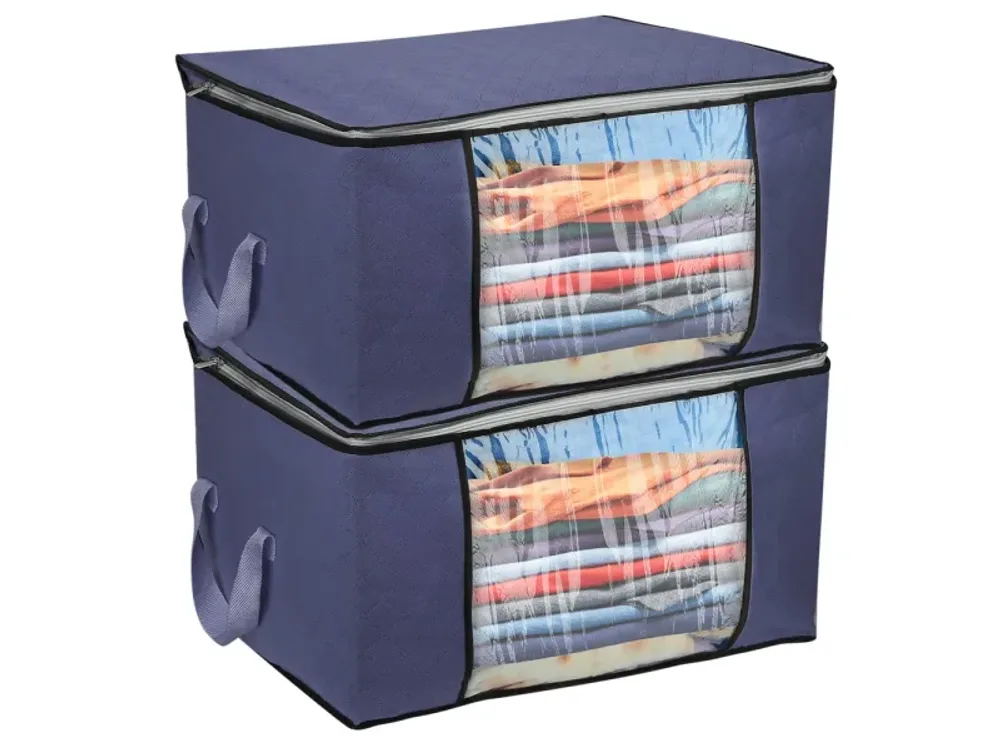
For bulky items, two large bags with windows let you see what is inside without opening them. Our 90 L clothes storage bags measure 23.6 x 15.7 x 13.8 in. each and fold flat when empty, which suits a closet shelf or the space under a bed. Label each bag on the end that faces out, so you can find the summer clothes in April without unpacking the whole shelf.
By the door, give each person a hook and a spot for boots. A boot tray catches melting snow, and a basket per person keeps hats and gloves from piling up; our winter hat and glove storage ideas and mudroom storage solutions cover the setups that work in busy households. If you do not have a mudroom, small entryway organization ideas and outdoor shoe storage ideas help you make room for wet boots.
A Two-Weekend Plan
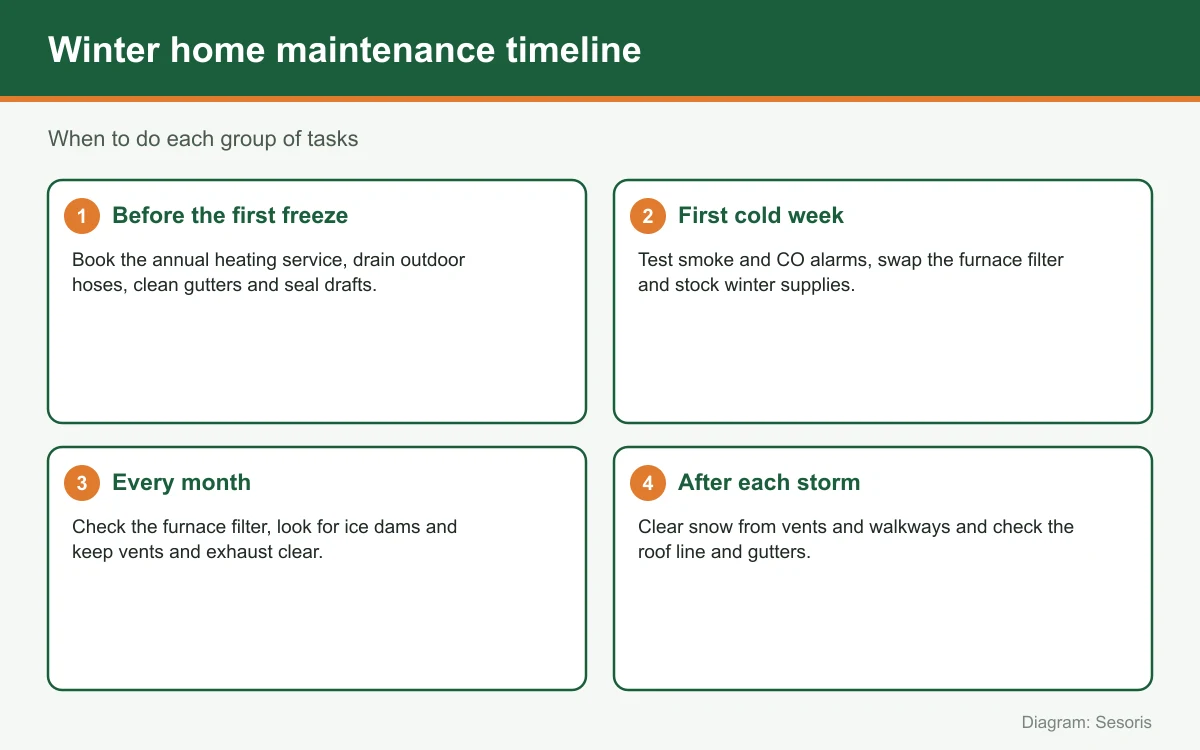
You do not need to do everything in one day. Split the list into two weekends in the fall and one short check each month during winter.
- Weekend one, outside: clean gutters and downspouts, drain and store hoses, shut off outdoor faucets, check the roof line from the ground and move firewood to a dry, covered spot. 2. Weekend one, phone calls: book the heating service and the chimney sweep if you have a fireplace. 3. Weekend two, inside: replace the furnace filter, test every smoke and CO alarm, insulate exposed pipes and seal drafts. 4. Weekend two, storage: pack summer gear away, set up the winter entry zone and assemble the outage bin. 5. Every month: check the filter, clear snow from outside vents after storms and look for ice building up at the eaves.
If you also do a deep clean before the holidays, our spring cleaning checklist works just as well in late fall, and entryway closet organization ideas help when guests arrive with coats.
Common Winter Maintenance Mistakes
- Waiting for the first cold night to test the furnace. That is when technicians are busiest. Book early. - Forgetting the outdoor faucets. A hose left connected can trap water that freezes back into the pipe. - Storing things against the furnace or water heater. Keep the area clear for airflow, service and safety. - Placing space heaters too close to furniture or curtains. Keep anything that can burn at least 3 feet away. - Assuming the alarms still work. Test them, check the batteries and replace old units. - Running a generator in the garage. Generators belong outside, at least 20 feet from the home.
Frequently Asked Questions
What should be on a winter home maintenance checklist?
The essentials are an annual heating system service, a chimney inspection if you have a fireplace, a new furnace filter, tested smoke and carbon monoxide alarms, drained hoses and outdoor faucets, insulated exposed pipes, clean gutters, sealed drafts and a bin of outage supplies.
When should I start winter home maintenance?
Start in early to mid fall, before the first freeze. Book the heating service first because technicians fill up after the first cold snap, then do the outdoor tasks on a dry weekend while the weather is still mild.
How often should a furnace be serviced?
The CDC recommends having your heating system, water heater and other fuel-burning appliances serviced by a qualified technician every year.
How often should I change my furnace filter in winter?
Follow the interval in your furnace manual or on the filter package, since it depends on the filter type, pets and dust. Checking the filter once a month during the heating season and replacing it when it looks clogged is a practical habit.
Where should carbon monoxide alarms go?
The CPSC recommends battery-operated CO alarms or alarms with battery backup on every level of the home and outside sleeping areas. Interconnected alarms are best because they all sound together.
How far should space heaters be from furniture?
The U.S. Fire Administration recommends keeping anything that can burn at least 3 feet away from heat sources, including space heaters, fireplaces, wood stoves, radiators and candles.
How do I keep pipes from freezing?
Disconnect and drain hoses, shut off and drain outdoor faucets, insulate pipes in crawl spaces, garages and exterior walls, keep the house heated during cold snaps and open sink cabinets on outside walls so warm air reaches the pipes.
Is it safe to use a generator during a winter power outage?
Only outdoors. The CPSC warns never to run a portable generator inside a home or garage, even with doors and windows open, and to keep it at least 20 feet from the home with the exhaust facing away.
Final Thoughts
A winter home maintenance checklist is really two lists: the safety jobs that protect the people inside, and the house jobs that protect the building. Service the heating system and chimney, test the alarms, protect the pipes, clean the gutters and seal the drafts before the first freeze. Then make winter easier day to day by moving the right gear to the door and packing the rest away. Two weekends in the fall saves a lot of cold, expensive surprises later.
Liked this guide?
Get new organizing guides and the occasional new product by email. No spam, unsubscribe anytime.
Related articles


Explore more articles
- Best Budget Kitchen Racks in 2026: Top Picks for Every Home
- Simple Kitchen Decor Ideas: 25+ Easy Looks for 2026
- Clothes Storage Organizer: The Complete 2026 Guide
- Wall Mounted Dish Rack: Complete Buying & Install Guide 2026
- Minimalist Shelf Ideas: 25+ Stylish Picks for 2026
- Kitchen Storage Rack: How to Choose the Best One 2026
- Laundry Room Organization Containers: Complete Tutorial Guide to Transform Your Space in 2026
- 30+ Brilliant Craft Closet Organization Ideas to Transform Your Creative Space in 2026