
30+ Kitchen Food Storage Ideas for a Tidy 2026
Discover 30+ of the best kitchen food storage ideas for 2026. Practical, space-saving, and guaranteed to make your kitchen tidier!
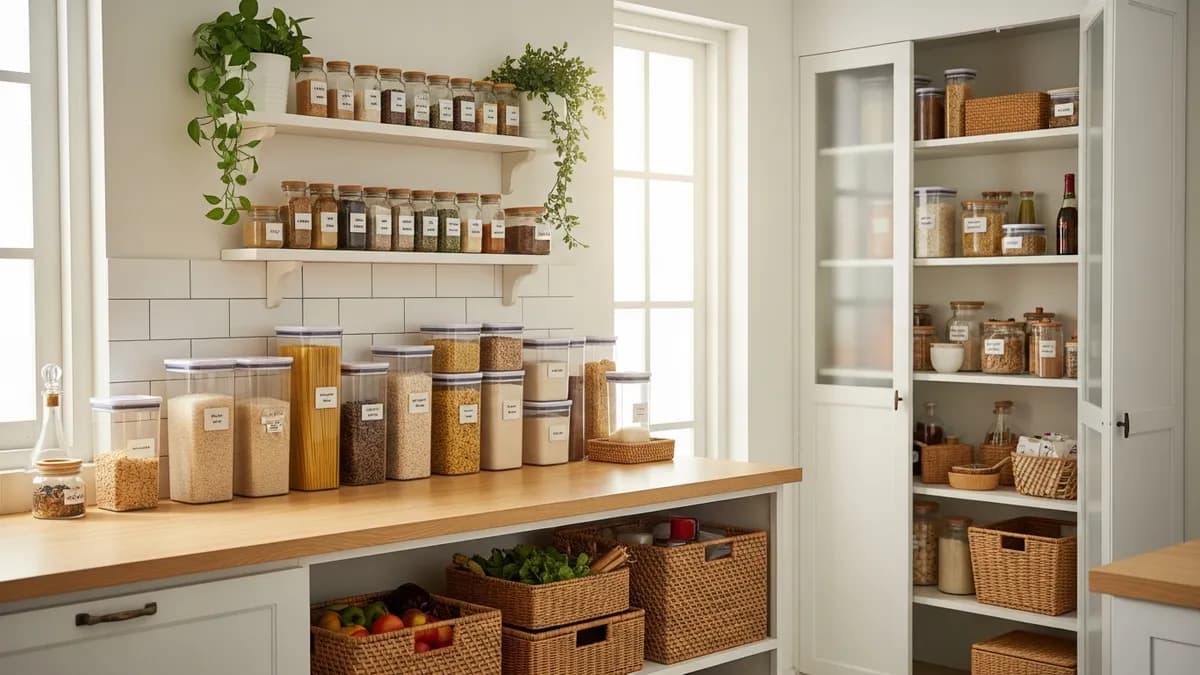
If you have ever opened a kitchen cabinet and immediately gotten lost trying to find the flour or sugar, you are not alone. Plenty of households run into the same problem: the kitchen feels cramped, ingredients are scattered everywhere, and cooking becomes inefficient. This is where the right kitchen food storage ideas can change everything. With a smart food storage strategy, your kitchen can look tidier, your ingredients can last longer, and everyday cooking feels far more enjoyable. This article rounds up more than 30 kitchen food storage ideas you can put to work at home in 2026.
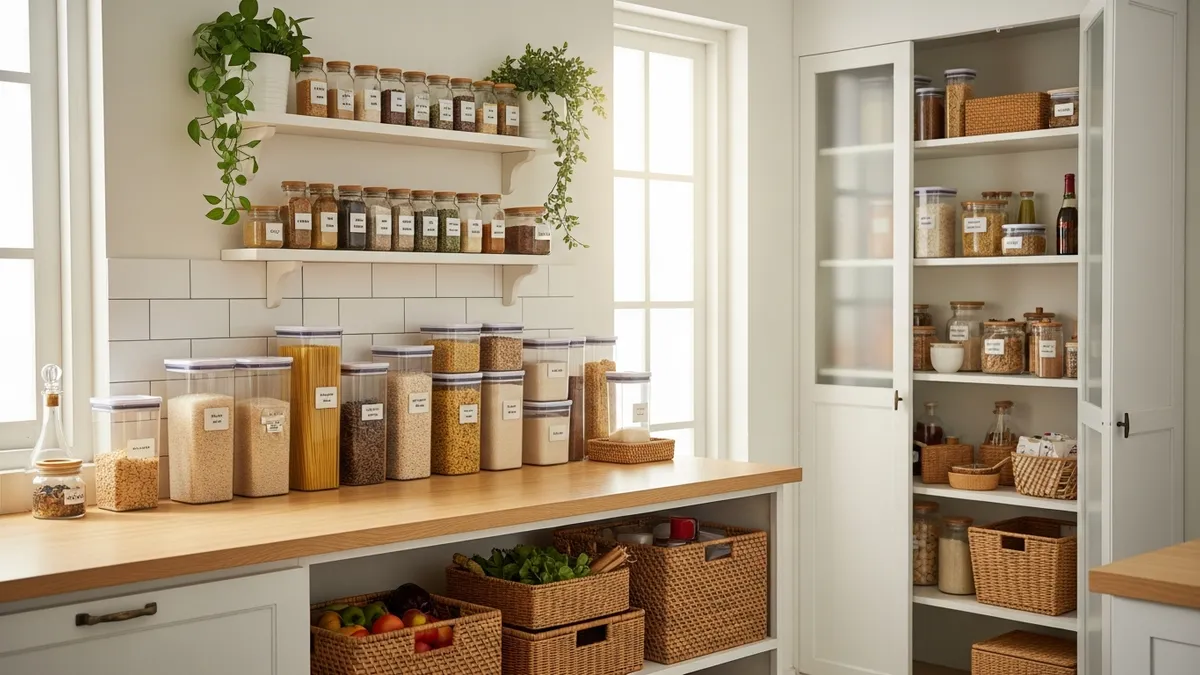
Why Kitchen Food Storage Ideas Matter for Your Kitchen in 2026
The kitchen is more than just a place to cook. It is one of the most-used rooms in the home, and its condition shapes your mood and efficiency every single day. When ingredients are not stored well, food spoils faster, the kitchen feels cramped, and you can waste money buying more of something you actually already have but that is buried behind a pile of other stuff.
According to The Spruce, a good food storage system does not just make the kitchen more organized, it also helps cut food waste significantly. That is especially relevant for busy households that love to cook in big batches and stock up on all kinds of dry goods.
A few key benefits of putting a good food storage system in place:
- Save money because food does not go to waste from spoiling or getting buried
- Save time while cooking because every ingredient is easy to find
- A cleaner, tidier kitchen even if it is small
- Better quality and freshness for your ingredients, for longer
- Less stress when getting a meal ready for the family
Kitchen Food Storage Ideas for Dry Goods and the Pantry
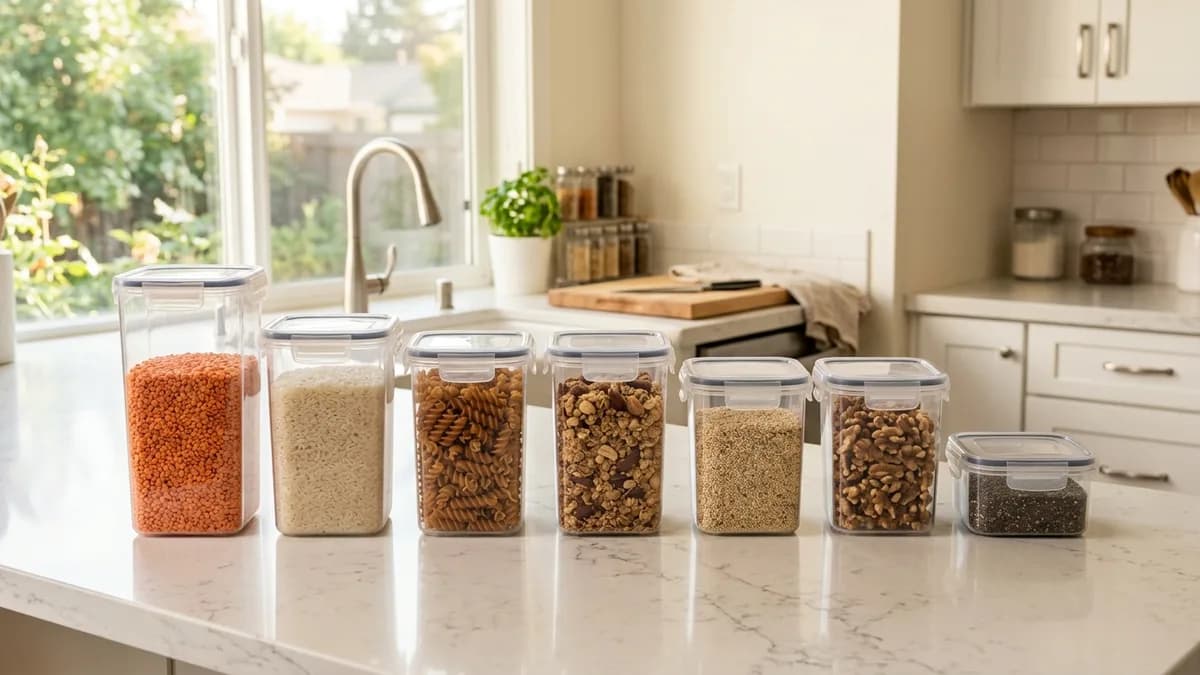
Dry goods like rice, flour, sugar, pasta, and beans are among the most commonly stored items in the kitchen. The key to storing them well is airtight containers and a clear labeling system.
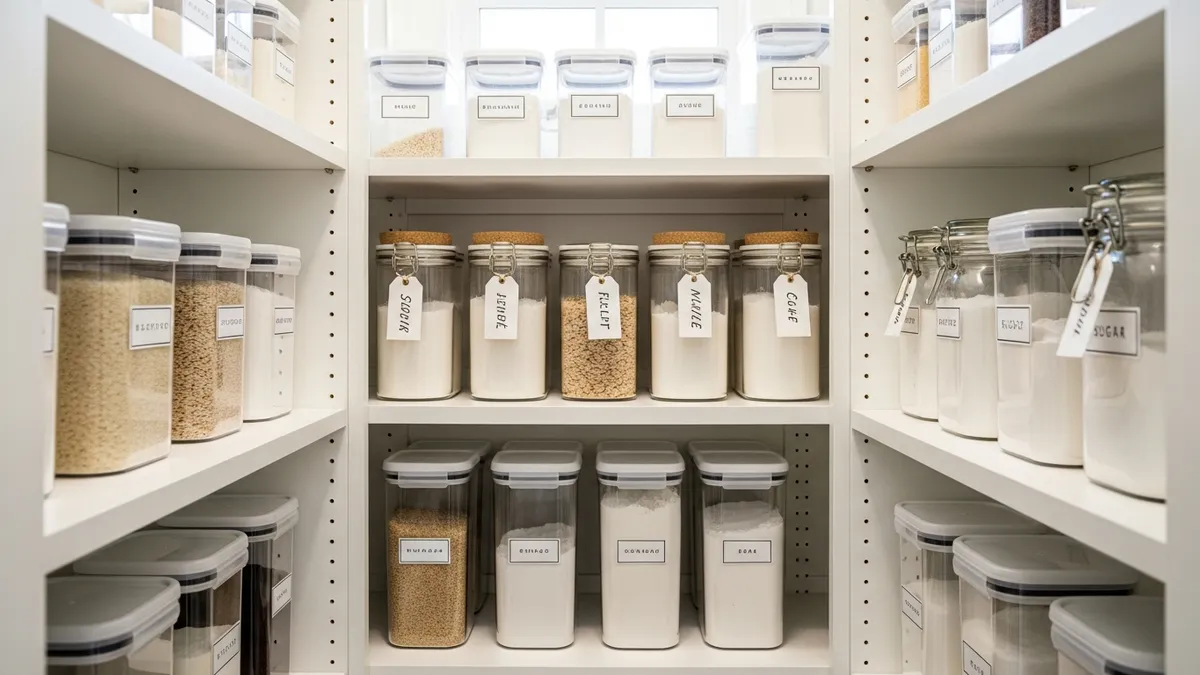
1. Use Clear Airtight Containers
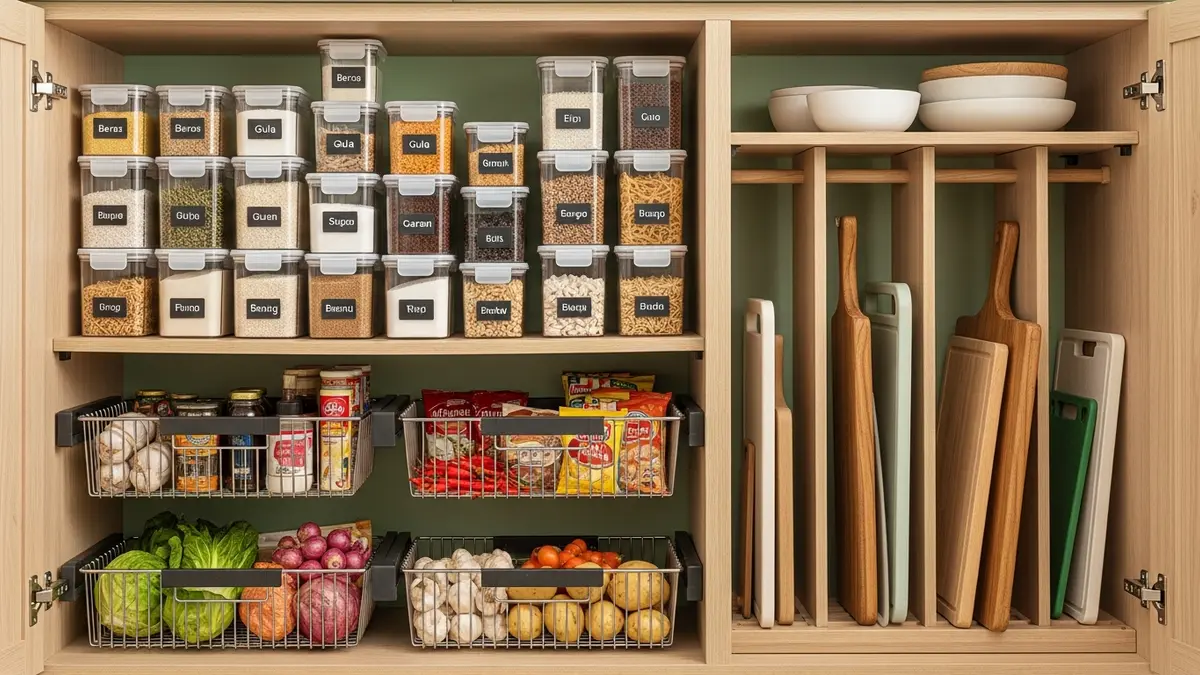
Clear *airtight containers* are the best investment for your pantry. With see-through containers, you can check the contents and how much is left without opening each one. Choose *stackable* containers so you can use shelf space vertically.
Look for the best food storage containers already available at Sesoris in a range of sizes, from small ones for spices to large ones for rice and flour.
2. Follow the FIFO System (First In, First Out)
FIFO is a method where whatever came in first should be used first. Here is how: when you restock, put the older ingredients in front and the newer ones in back. This simple trick keeps food from expiring without you noticing.
3. Label Every Container
Labeling is a step that often gets overlooked, but its impact is huge. Write the ingredient name, purchase date, and expiration date on each container. You can use plain stick-on labels, erasable *chalkboard labels*, or even a small label printer.
4. Group Ingredients by Category
Arrange your pantry shelves by grouping ingredients by type: carbs (rice, noodles, pasta), dry spices, beans, canned goods, and so on. This grouping makes cooking much faster because you know exactly which zone an ingredient lives in.
5. Use Tiered Shelves Inside Cabinets
If your pantry cabinet is too deep, the back often goes unused. Install a tiered shelf or *step shelf organizer* inside the cabinet to keep items in the back visible and easy to reach.
6. Use Baskets or Category Bins
For items with irregular packaging like spice sachets, snacks, or instant products, use a basket or plastic bin as a group container. This keeps things from scattering and lets you grab everything in one category at once.
Kitchen Food Storage Ideas for a More Organized Fridge
The fridge is the most dynamic food storage area. Every day ingredients come in and go out, so without a good system the fridge gets messy fast and food gets forgotten until it spoils.
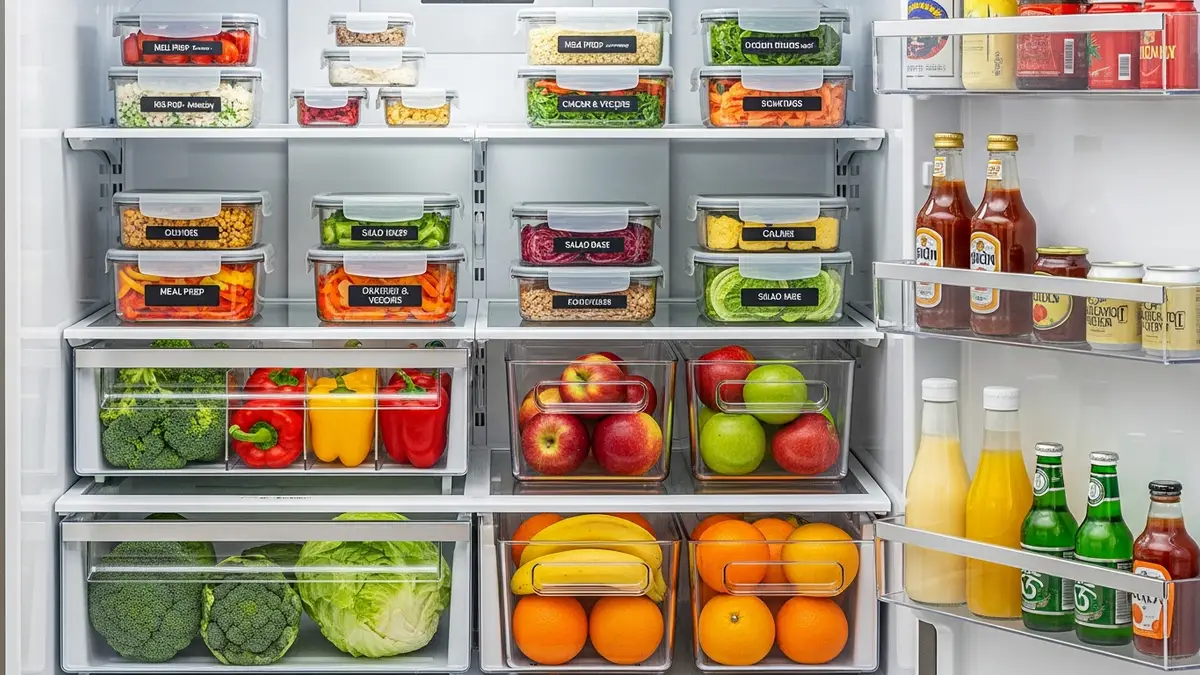
7. Use Clear Stackable Containers on Every Shelf
A clean, organized fridge shelf starts with uniform, clear containers. Use square or rectangular storage boxes that stack so no space goes to waste. Separate vegetables, fruit, meat, and prepared items into different zones.
8. Store Leftovers in Labeled Containers
Stashing leftovers straight in the pot or pan in the fridge takes up a lot of space and is not very hygienic. Move leftovers into a lidded storage container, label it with the date, and keep them in one dedicated zone so they are easy to spot when it is time to reheat.
You can read more in our meal prep container guide for beginners, which is very handy for managing leftovers in the fridge.
9. Use Dedicated Fridge Organizers
There are plenty of fridge organizer accessories these days, like produce storage bins, add-on egg trays, can organizers for drinks, and small drawers for spice sachets. These products make the most of every corner of your fridge.
10. Set Up Fridge Zones
Divide the fridge into zones based on the type of ingredient:
- Top shelf: leftovers, dairy products, drinks
- Middle shelf: ready-to-eat food, eggs, cheese
- Bottom shelf: raw meat and fish (the coldest zone)
- Crisper drawer: fresh vegetables and fruit
- Fridge door: bottled condiments, sauces, small packaged drinks
11. Do Not Forget the Freezer
The freezer is often the messiest area. Use labeled plastic containers or zip-lock bags to store frozen items separately. Group by category: chicken, beef, frozen prepared meals, and stock.
For long-term frozen storage, consider freezable food storage containers to keep your food's quality intact.
Food Storage Ideas for the Stovetop and Counter Areas
The area around the stove and counter is the most active zone while you cook. Storing frequently used ingredients here saves a lot of time.
12. A Spice Rack Near the Stove
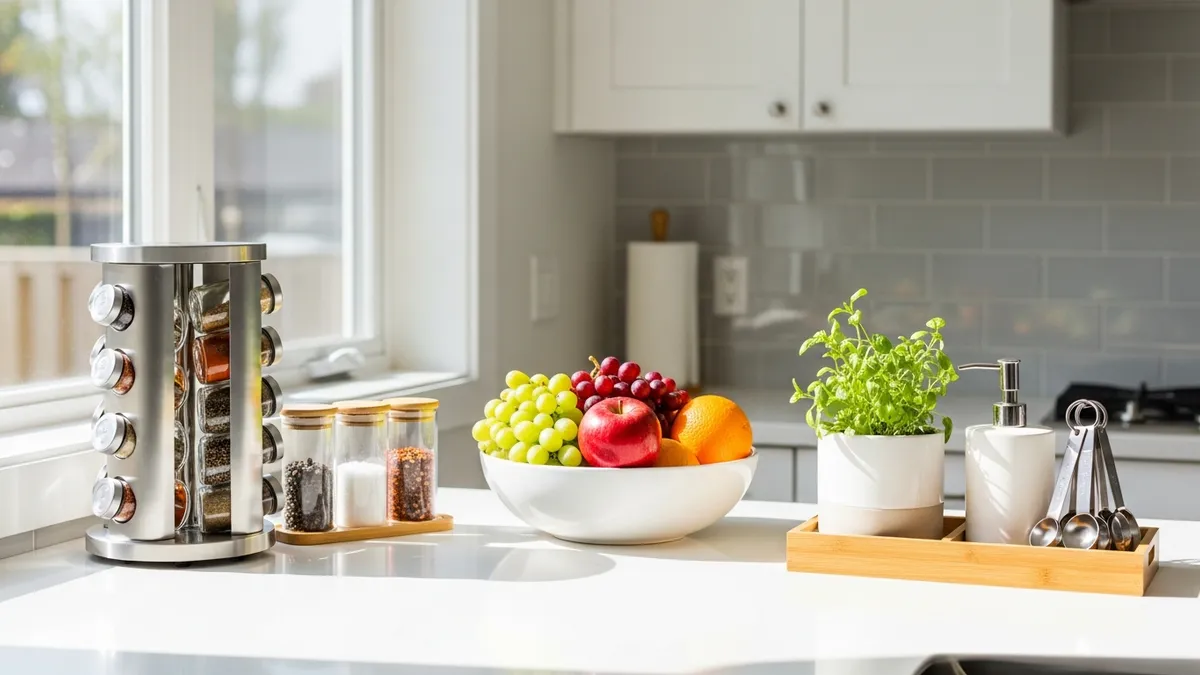
Everyday seasonings like salt, pepper, soy sauce, and seasoning blends are best kept on a spice rack within easy reach of the stove. Choose a wall rack, a *rotating rack*, or a tiered rack to match the space you have.
Find more inspiration in our article on kitchen spice rack ideas, which is full of creative spice rack options for kitchens of every size.
13. Use Matching Jars for Ground Spices
Swapping the factory packaging your spices come in for matching, tightly sealed jars does not just make the kitchen look more polished, it also keeps your spices fresh longer by protecting them from air and humidity.
14. Put Your Kitchen Walls to Work With Mounted Racks
An empty kitchen wall is potential storage space that often gets ignored. Install small wall shelves or a *magnetic strip* to store spices, lightweight cooking tools, or small containers. This frees up counter space and keeps your go-to ingredients within reach.
15. An All-Purpose Bin on the Counter for Daily Ingredients
For ingredients you use every day like shallots, garlic, chili peppers, and potatoes, use a rattan basket or open woven bin on the counter. Beyond being functional, it also gives the kitchen a natural, warm look.
16. A Standing Organizer for Oil and Sauce Bottles
Cooking oil, soy sauce, hot sauce, and vinegar often end up lined up messily near the stove. Use a standing organizer or a caddy with a handle to gather all the bottles into one tidy zone that is easy to move when you wipe down the counter.
Kitchen Food Storage Ideas for Cabinets and Drawers
Cabinets and drawers are the main storage space in the kitchen. With the right setup, you can maximize their capacity far beyond your first guess.
17. Use Stackable Containers in Lower Cabinets
Lower kitchen cabinets are usually fairly deep and tall. Take advantage of that height with containers that stack vertically. Put the items you use most in the front and on top so they are easy to reach.
18. Add Extra Shelves Inside Cabinets
If a cabinet has only one built-in shelf, add an extra one using an adjustable shelf or a *cabinet shelf riser*. This can double your storage capacity with no remodeling required.
19. Drawer Organizers for Small Tools
Kitchen drawers often become a jumble of small tools. Use drawer dividers to separate spoons, forks, spatulas, peelers, and everything else. You can find more inspiration in our article on kitchen drawer organizer ideas.
20. Store Container Lids Separately
One of the biggest sources of chaos in kitchen cabinets is loose container lids. Use a dedicated lid box or set a few short wooden dowels in a drawer to store lids upright and organized.
21. A Cabinet Door Rack for Small Spices
The inside of a cabinet door is almost always wasted space. Install a cabinet door organizer, a small rack, to store spice sachets, clip bags, or thin kitchen tools like a paring knife.
Tips for Choosing the Right Food Storage Containers
Not all food storage containers are created equal. Choosing the right container makes your storage system far more effective and longer-lasting.
Container Material: Which One Is Best?
There are a few main material options for food storage containers:
1. BPA-Free Plastic
The most economical and lightweight option. Make sure to choose ones labeled BPA-free for food safety. Great for dry goods and fridge storage. Learn more about BPA-free plastic food containers.
2. Glass
More hygienic, does not absorb odors, and microwave-safe. It is heavier and pricier, but it lasts longer. Ideal for leftovers and ingredients you reheat often.
3. Stainless Steel
Very durable, rust-proof, and does not react with acidic foods. Great for long-term dry goods storage. The downside is that it is not see-through, so you need consistent labeling.
4. Ceramic
Attractive and great for display on the counter, but less practical for active storage since it is heavy and not always airtight.
Features to Look For When Choosing Containers
- Airtight lid: make sure the lid seals fully to keep ingredients fresh
- A range of sizes: keep a few sizes on hand for different ingredients
- Stackable: essential for space efficiency
- Easy to clean: choose *dishwasher safe* options or ones that are easy to hand-wash
- Clear or semi-clear: makes it easy to identify contents without opening the container
Visit the Sesoris product collection to see a varied, high-quality selection of food storage containers.
Budget-Friendly Kitchen Food Storage Ideas
Not every kitchen storage idea has to be expensive. Plenty of effective solutions work on a tight budget.
22. Repurpose Old Glass Jars
Jam jars, pickle jars, or old coffee jars that have been washed clean make lovely storage for dry spices. Give them a consistent look with matching stick-on labels.
23. Use Shoe Boxes for Pantry Cabinets
Clear plastic shoe boxes make a cheap and cheerful pantry organizer. Use them to group ingredients by category inside a cabinet.
24. Woven Baskets
Woven rattan or bamboo baskets are very affordable and great for storing vegetables, fruit, or ingredients that do not need a tight seal. Their natural look also adds to the kitchen's style.
25. Repurpose Trays and Serving Boards
A plastic tray or an old wooden serving board can work as a storage zone inside the fridge or on the counter. With this, you can pull out everything in one zone at once instead of moving items one at a time.
Money-Saving Tip: Before buying new storage products, take stock of what you already have at home. Often you have plenty of containers that can be repurposed with a little creativity.
A Food Storage System Based on Your Kitchen Size
The ideal storage strategy differs depending on the size of your kitchen. Here is a quick guide based on the kitchen sizes you commonly run into:
For a Very Small Kitchen
Focus on vertical storage and multi-functionality. Use your walls fully with mounted racks. Choose containers that stack high. Cut down on rarely used tools and keep counters as minimal as possible.
Get more inspiration in how to organize a tiny kitchen, which digs into strategies for very small kitchens in detail.
For a Medium-Sized Kitchen
You already have more room to work with. Add a more complete pantry system, consider a small island if there is space, and separate your storage zones by ingredient type in more detail.
For a Large Kitchen
Take advantage of the space by creating a separate pantry or walk-in pantry. Invest in a more premium, comprehensive storage system. Consider walk-in pantry organization ideas for extra reference.
Good Habits for Keeping Your Kitchen Organized
Even the best storage system will not last long without consistent habits. Here are a few simple habits that keep your kitchen tidy every day:
- Do a weekly stock audit: set aside 10 to 15 minutes each week to check your stock, toss expired items, and note what you need to buy
- Put ingredients back right after using them: do not leave things sitting on the counter after you finish cooking
- Refill containers as soon as they are empty: do not let empty containers pile up
- Clean the fridge every two weeks: pull everything out, wipe the shelves, and reorganize
- Shop with a structured shopping list: this prevents overbuying that packs your pantry too full
According to Good Housekeeping, a simple regular habit like a weekly pantry audit is the most effective way to keep your kitchen organization system running over the long haul.
Kitchen Food Storage Trends in 2026
The world of kitchen organization keeps evolving. In 2026, the following trends are on the rise and worth considering:
Monochrome, Minimalist Aesthetics
Neutral-colored storage containers (white, cream, gray) with clean typographic labels dominate the modern kitchen. Consistent color and shape make a kitchen look more spacious and polished even when it is small.
Modular, Configurable Containers
*Modular* containers in sizes that combine and arrange into different configurations are growing in popularity for their flexibility. One set of containers can adapt to different shelf and cabinet sizes.
Sustainability-Focused Storage
The sustainable living trend is pushing many families toward glass and stainless steel containers that last longer than single-use plastic. These choices are also more eco-friendly.
Digital Labeling and QR Codes
Some families are starting to use labels with QR codes linked to expiration-date notes on their phones. This makes stock management easier, especially for kitchens with many different ingredients.
To see more current trends, visit home organization trends 2026, which covers a range of innovations in the home organization world.
Related Products from Sesoris
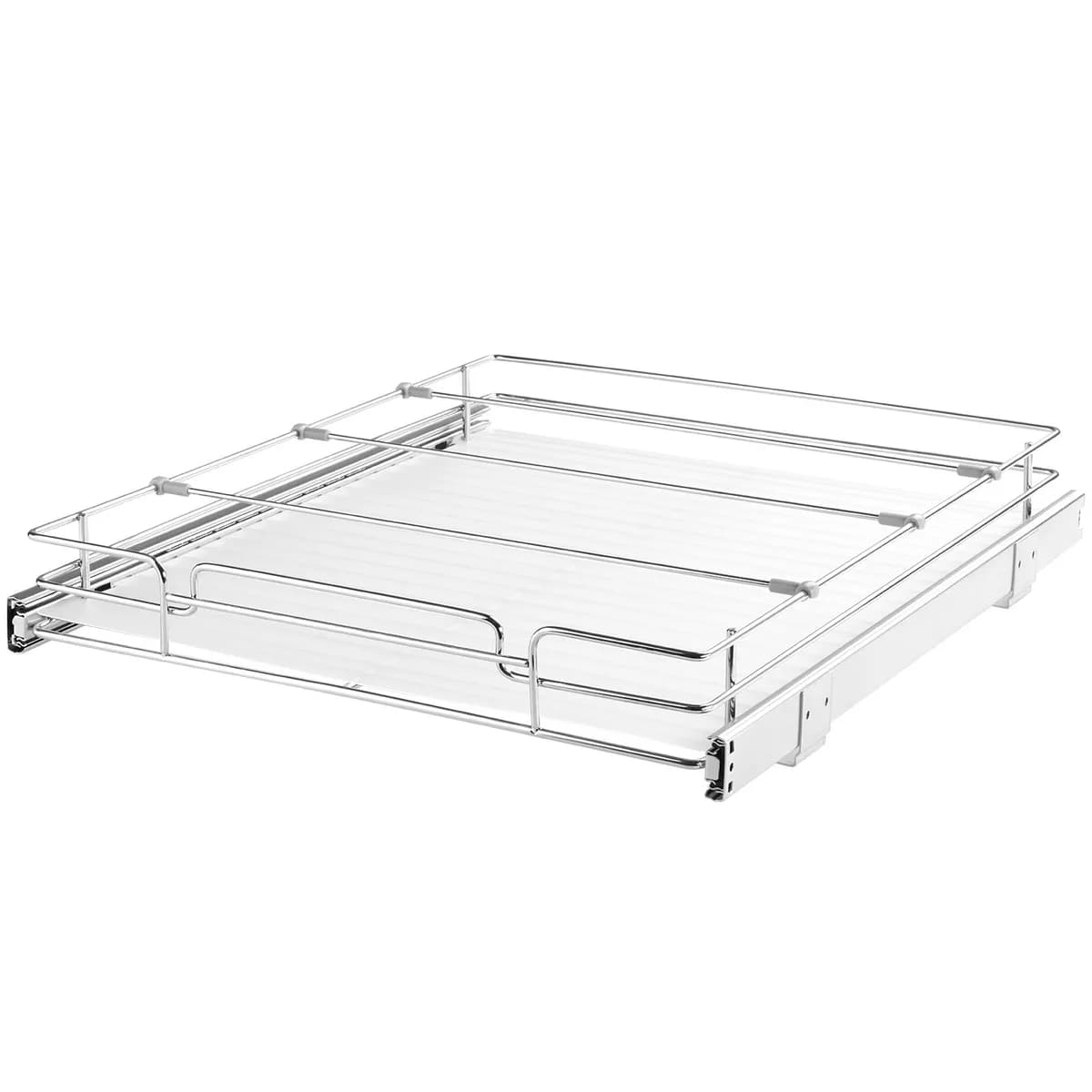
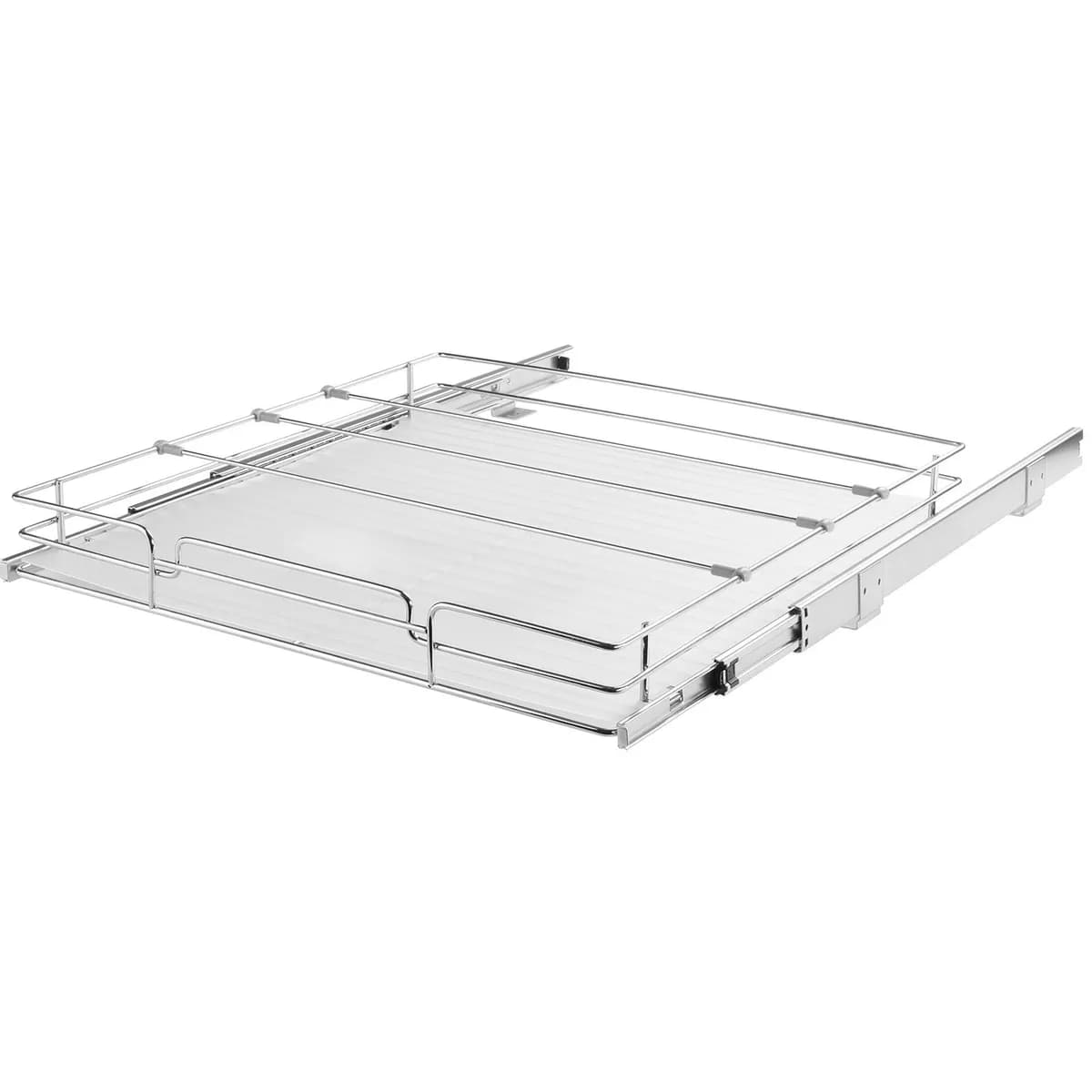
If you want to turn this guide into a real setup, start with Pull-Out Cabinet Organizer, 14 in. Wide and Double-Layer Bamboo Bread Box. For broader options, browse the Kitchen & Dining collection so the article journey does not stop at reading only.
Our practical rule: choose one product that solves the main clutter problem first, then add supporting organizers only when the daily workflow is already clear. This keeps the shopping path useful, not pushy.
FAQ: Common Questions About Kitchen Food Storage Ideas
How long can dry goods last when stored in an airtight container?
Dry goods like rice, flour, and sugar can generally last 6 to 12 months in an airtight container kept in a cool, dry spot, far longer than in their original opened packaging. Still, always check the manufacturer's expiration date as your main guide.
Is all plastic safe for storing food?
Not all plastic is safe. Make sure to choose containers labeled food-grade and BPA-free. Avoid using plastic containers that were not designed for food, like paint buckets or industrial containers, because they can contain harmful chemicals.
What is the best way to store shallots and garlic?
Shallots and garlic are best kept in a cool, dry, well-ventilated spot, not in the fridge. An open woven basket or a hanging mesh bag is the best choice because it allows good air circulation.
Does every food need to be stored in a special container?
Not necessarily. Prioritize dry goods you use often and that are easily exposed to air or pests. Sealed, unopened packaged items do not need to be moved to another container.
What is the minimum budget to start setting up a kitchen storage system?
You can start with a budget of about $15 to $30 for a few basic plastic containers and sticker labels. Investing gradually is far wiser than buying everything at once before you know your exact needs.
Are glass containers better than plastic for fridge storage?
Each has its own strengths. Glass containers are more hygienic, do not absorb odors, and are microwave-safe. BPA-free plastic containers are lighter and less likely to break. The best choice depends on your needs and preferences.
Conclusion
Putting the right kitchen food storage ideas into practice is a real step toward a tidier, more efficient, and more enjoyable kitchen. From an organized pantry system to a fridge arranged by zone to making full use of your walls and cabinets, every small step makes a big difference in your daily cooking comfort.
Most important, you do not have to do it all at once. Pick the one area that bothers you most, apply an idea from this article, and feel the difference. Once you see the results, you will be motivated to tackle the next area.
To start your journey toward a more organized kitchen, explore the full range of food storage products and kitchen accessories at Sesoris. From airtight containers, spice racks, and fridge organizers to all kinds of other storage solutions, everything is here to help you build your dream kitchen. Check out our best sellers and new arrivals that round out your kitchen organization system in 2026. Live More Organized, starting in the kitchen!
Liked this guide?
Get new organizing guides and the occasional new product by email. No spam, unsubscribe anytime.
Related articles

Explore more articles
- Food Storage Containers with Lids: Complete Guide to Fresh Food Organization in 2026
- Minimalist House Paint Colors: 25+ Best Ideas for Modern Homes 2026
- Kitchen Lifestyle Habits That Actually Keep Your Home Organized in 2026
- Indoor Plants and Home Organization: The Lifestyle Guide to a Greener, Tidier Home in 2026
- Best Over-the-Sink Dish Drying Racks: Complete 2026 Review & Buying Guide for a Smarter Kitchen
- Best Garage Storage Solutions: A Source-Backed Practical Guide for 2026
- 30+ Best Storage Ideas for Small Space: Maximize Every Inch of Your Home in 2026
- Stainless Steel Food Storage Containers: The Complete 2026 Tutorial Guide to Durable, Healthy Kitchen Organization