
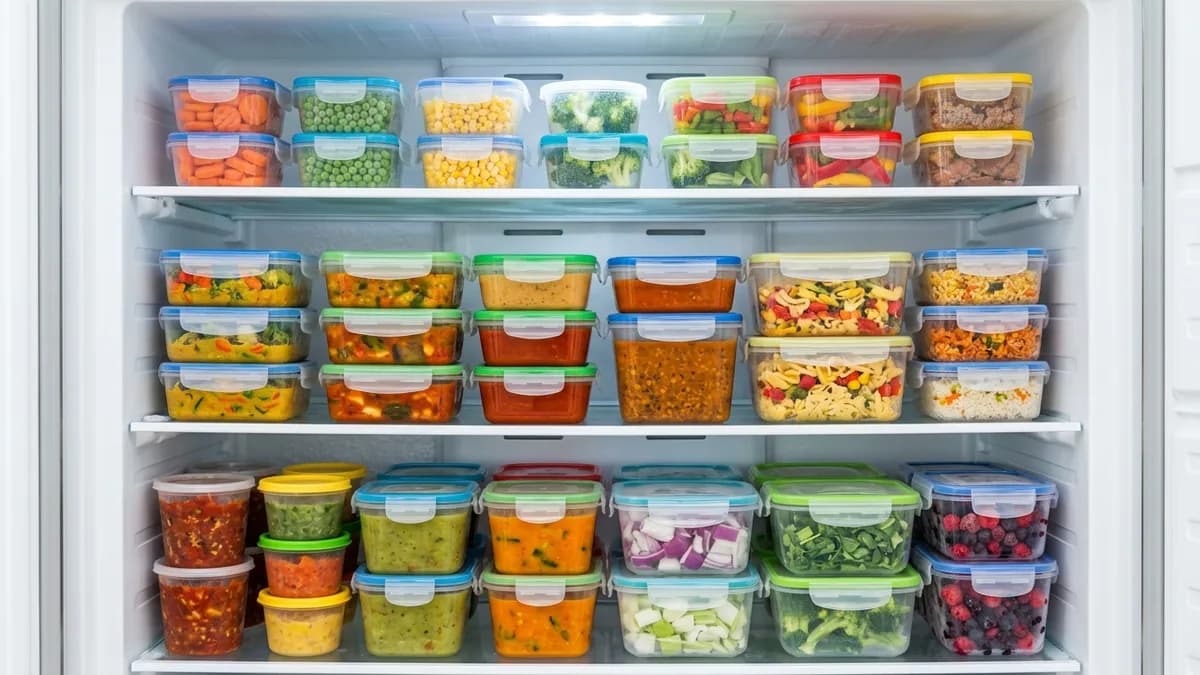
Freezable Food Storage Containers: The Complete 2026 Guide to Safe Freezer Organization
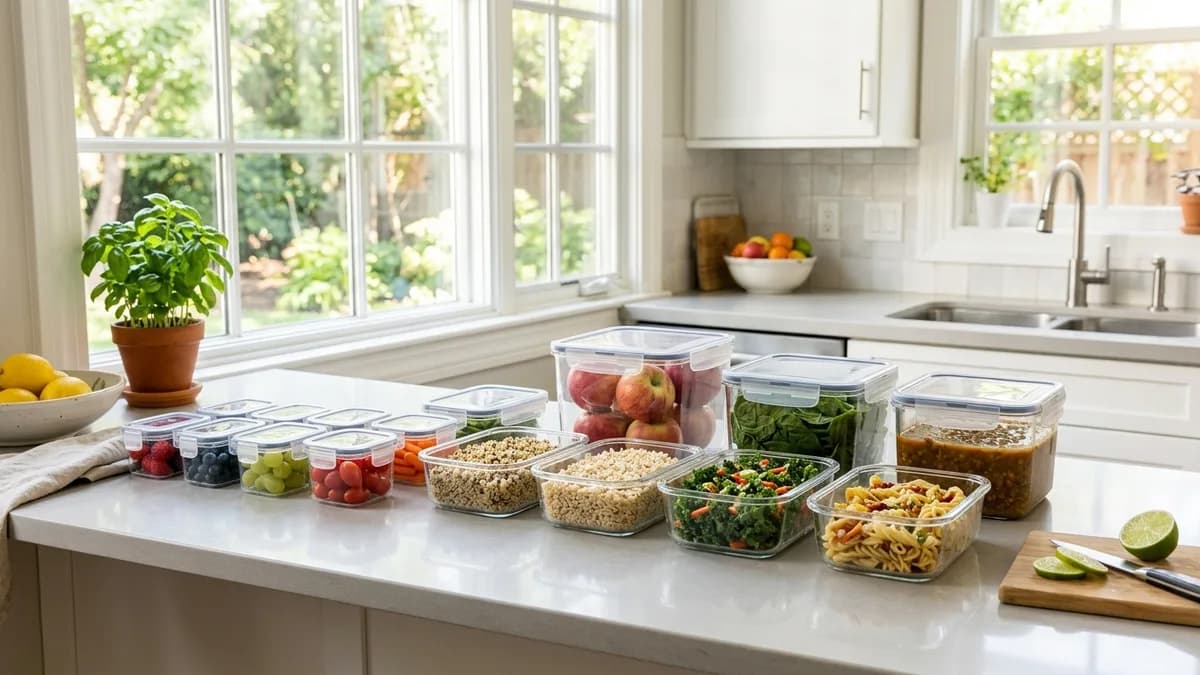
If you batch cook on Sundays, prep soups ahead of a busy week, or simply hate throwing away leftovers, freezable food storage containers are one of the best investments you can make for your kitchen. The right freezer-safe container keeps meals fresh for weeks or even months, prevents freezer burn, and transforms a chaotic icebox into a genuinely useful meal-planning tool. In 2026, the options are better than ever, spanning tempered glass, BPA-free plastic, silicone, and stainless steel, each with its own set of strengths. This comprehensive guide walks you through everything you need to know to choose, use, and organize freezable food storage containers like a pro.
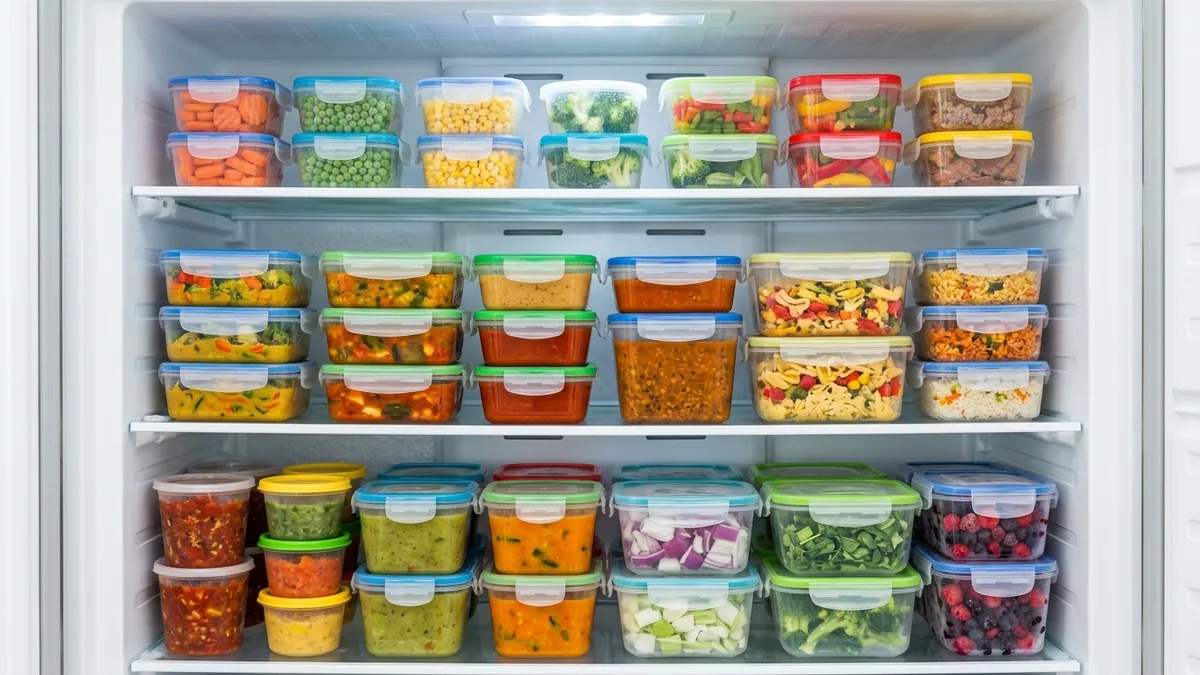
Why Freezable Food Storage Containers Matter for Every Household
The freezer is one of the most underused tools in the American kitchen. According to Real Simple, meal prepping and batch freezing can significantly cut down on food waste and weekly grocery spending, two goals that resonate with most US households right now. But none of that works well if you're relying on flimsy zip-lock bags, mismatched takeout containers, or single-use plastic wrap.
Freezable food storage containers solve several problems at once:
- They create an airtight or near-airtight seal that dramatically slows moisture loss and freezer burn.
- They stack uniformly, letting you use every cubic inch of freezer space efficiently.
- They're reusable, making them a far more sustainable choice than single-use plastics.
- They're often microwave- or oven-safe, so food goes straight from freezer to reheating without dirtying extra dishes.
Beyond practicality, using proper freezer containers is a genuine lifestyle upgrade. Once you have a well-labeled, well-organized freezer, weeknight dinners become almost effortless. Pair your container setup with a solid kitchen food storage system and you'll wonder how you ever managed without it.
What Makes a Container Truly Freezer-Safe?
Not every container you own belongs in the freezer. In fact, putting the wrong material in the freezer can lead to cracked lids, warped bases, and even contaminated food. When shopping for freezable food storage containers, look for these key indicators:
The Freezer-Safe Symbol
Genuine freezer-safe products carry a snowflake symbol molded into the base or printed on the packaging. This symbol indicates the material has been tested to withstand temperatures as low as -4°F without cracking, warping, or leaching chemicals. If a container lacks this symbol, do not assume it is safe for the freezer.
Wall Thickness and Rigidity
Thin plastic deforms under extreme cold. Look for containers with noticeably thick side walls and bases. A gentle squeeze test in-store helps: good freezer containers feel solid, not flimsy.
Lid Seal Quality
A loose lid is the enemy of frozen food. The best freezable containers use one of three seal types:
- Locking tabs on all four sides, which create even pressure across the lid.
- Silicone gaskets built into the lid rim, which compress against the container lip for an airtight seal.
- Snap-on lids with a raised inner rim that seats tightly inside the container opening.
Expansion Room
Liquids expand as they freeze. Always leave at least half an inch of headspace when filling a container with soup, broth, sauce, or any liquid-heavy food. Overfilling is one of the top causes of burst lids and cracked glass in the freezer.
Pro tip: Fill containers only about three-quarters full when storing any liquid-based food. That extra quarter-inch of space gives expanding liquid somewhere to go without forcing the lid off.
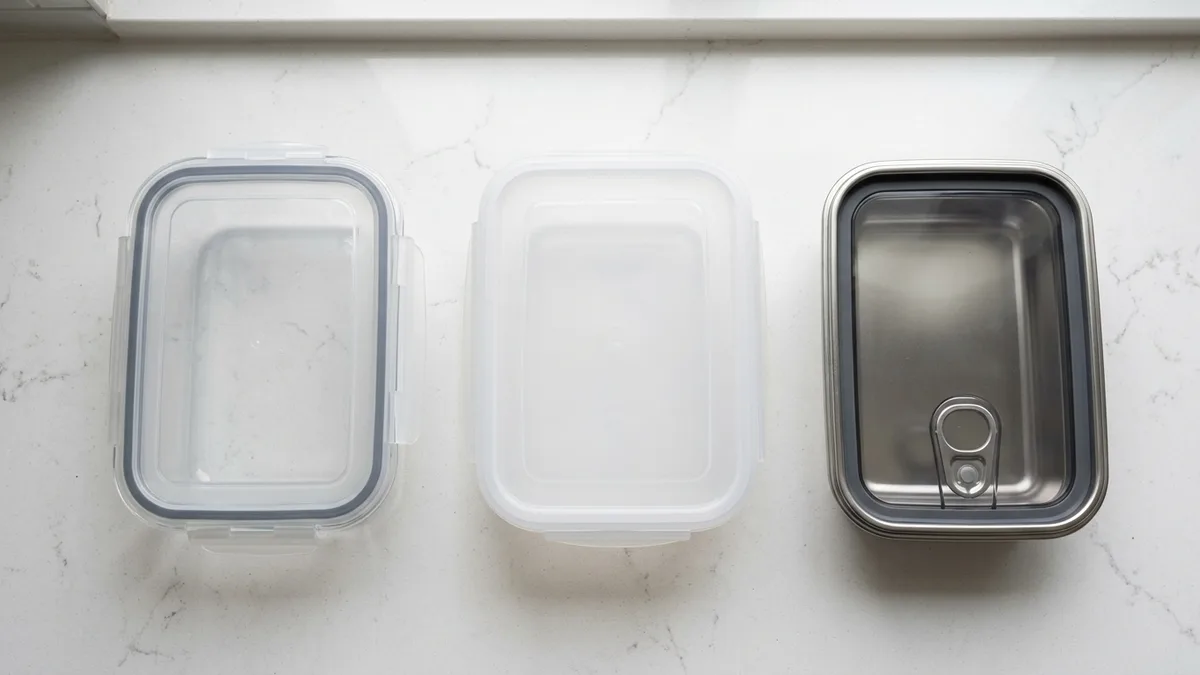
The 4 Best Materials for Freezable Food Storage Containers
Choosing the right material is the single most important decision you'll make. Each material has genuine strengths and real tradeoffs. Here's an honest breakdown.
1. Tempered Glass
Tempered glass containers are the gold standard for many home cooks. They are non-porous, meaning they don't absorb odors or stains, and they go seamlessly from freezer to oven (when using oven-safe glass) without transferring food to another dish. Brands like Pyrex have been trusted American staples for decades, though many excellent generic options exist at a lower price point.
Best for: Casseroles, lasagna, soups, marinated proteins, and any dish you plan to bake directly from frozen.
Watch out for: Thermal shock. Never move a glass container directly from the freezer to a hot oven without allowing it to temper at room temperature for at least 10 to 15 minutes. Most tempered glass is designed to handle gradual temperature changes, not sudden ones.
Typical price range: US$15 to US$50 for a set, depending on the number of pieces and brand.
2. BPA-Free Plastic
High-quality BPA-free plastic is lightweight, inexpensive, and practical for everyday freezer use. Look for plastics labeled #2 (HDPE), #4 (LDPE), or #5 (PP), all of which are considered safe for freezer storage. Avoid #7 plastics, which can contain BPA or other bisphenols even if not explicitly labeled.
For a deeper dive into safe plastic options, check out our guide to BPA-free food storage containers.
Best for: Portioned leftovers, frozen fruits, grains, shredded meat, and kid-friendly meal prep.
Typical price range: US$10 to US$30 for a set.
3. Silicone
Silicone bags and containers have surged in popularity as a reusable alternative to single-use freezer bags. They're flexible, which makes them easy to squeeze frozen contents out of, and they fold flat for compact storage when empty. Silicone is inherently non-stick and odor-resistant.
Best for: Smoothie packs, pureed baby food, individual cookie dough balls, and portioned meats.
Typical price range: US$12 to US$40 for a set of bags or cubes.
4. Stainless Steel
Stainless steel is the most durable option and a favorite among zero-waste households. It won't crack, warp, or stain, and it's completely free of plastics. The downside is that it's not microwave-safe and typically more expensive per unit.
Best for: Long-term freezer storage, camping meal prep, and households committed to plastic-free living.
Typical price range: US$20 to US$60 for a set.
How to Organize Your Freezer with Freezable Food Storage Containers
Owning great containers is only half the battle. Organization is what turns a freezer full of mystery lumps into a functional meal-planning system. Good Housekeeping recommends treating your freezer like a mini grocery store: oldest items in front, newest in back, and like categories grouped together.
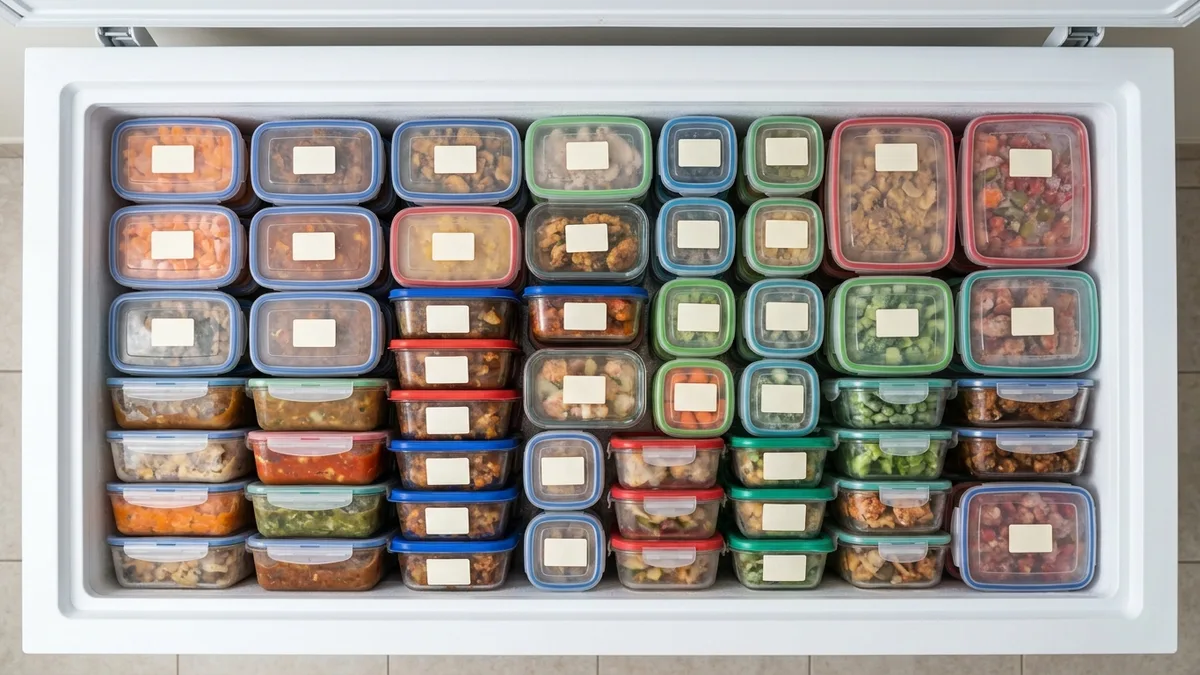
Step 1: Standardize Your Container Sizes
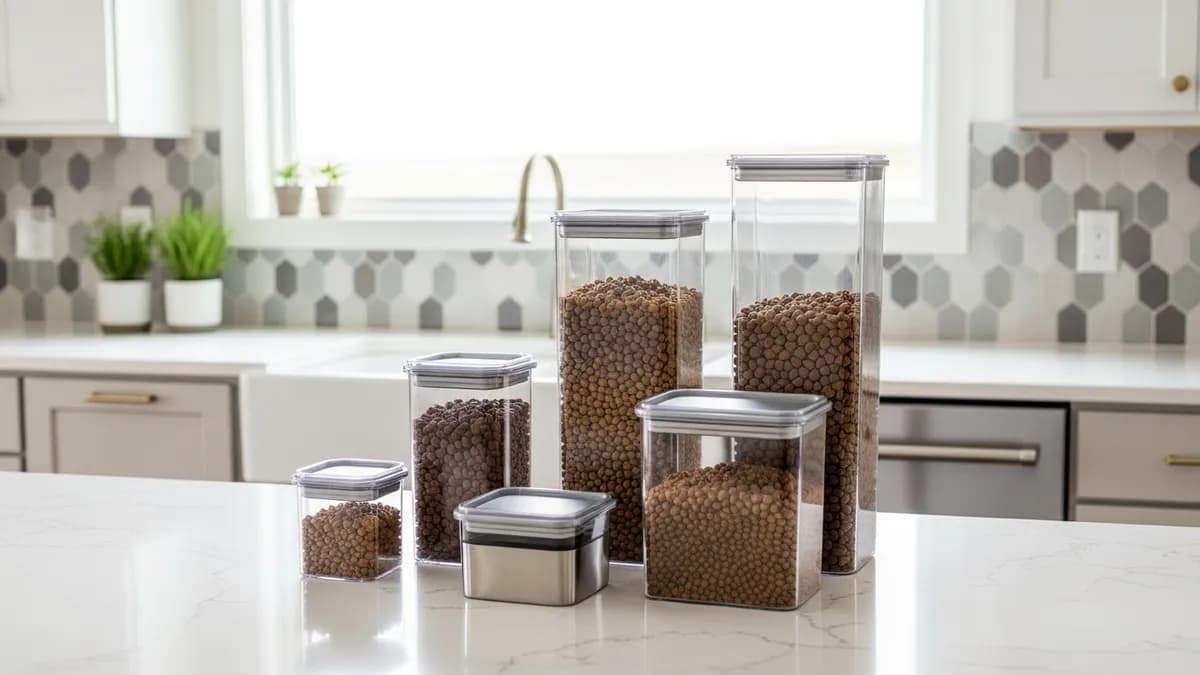
Using three or four standard sizes (for example, 1 quart, 2 quart, and 4 quart) means every container stacks flush against the next. Mismatched containers create wasted air space and instability. I recommend starting with a 10- to 12-piece set that includes multiple sizes rather than buying individual pieces.
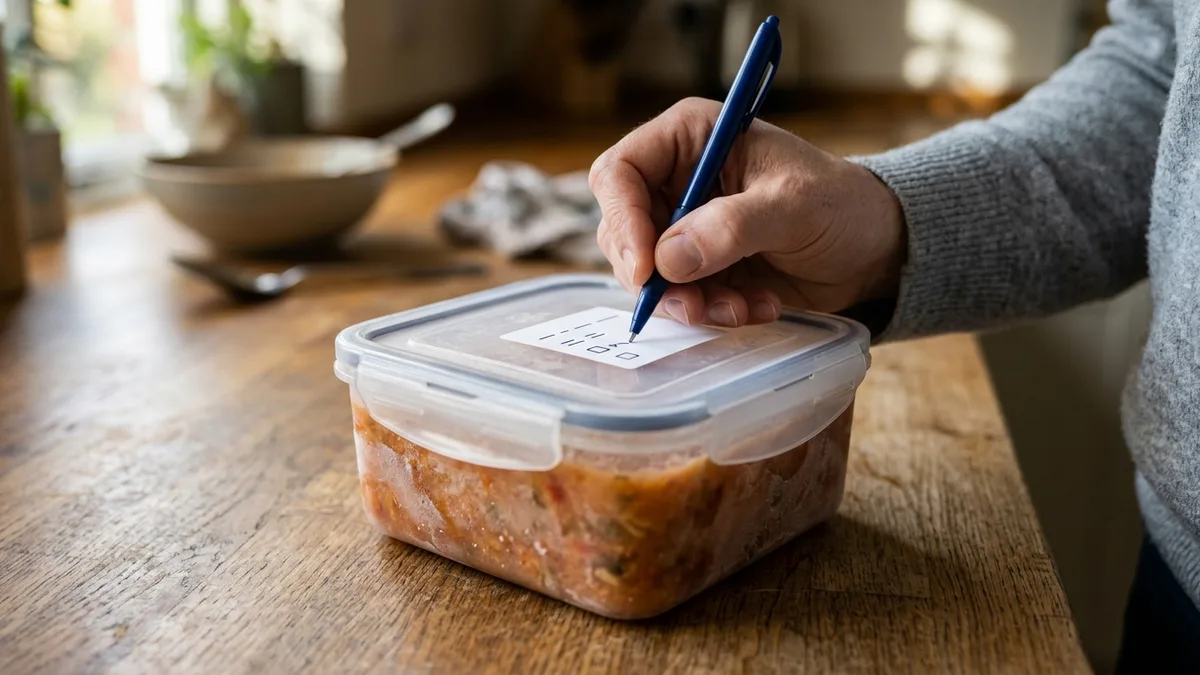
Step 2: Always Label Everything
This cannot be overstated. Even the most recognizable meal looks identical to three other meals once it has been frozen. At minimum, label every container with:
- The name of the dish
- The date it was frozen
- Any reheating instructions if needed
Use freezer-safe labels or a simple piece of masking tape with a permanent marker. You can also keep a running inventory list on the outside of your freezer door.
Step 3: Group by Category
Organize your freezer into zones, just as you would a well-organized pantry. Common zones include:
- Proteins: raw chicken, ground beef, portioned fish
- Prepared meals: soups, casseroles, stews
- Grains and sides: cooked rice, quinoa, roasted vegetables
- Fruits and smoothie packs: frozen berries, sliced bananas, mango chunks
- Baked goods: muffins, banana bread, cookies
Grouping by category cuts down on the time you spend rummaging and reduces the chance of frozen items being overlooked until they're past their best quality window.
Step 4: Use the FIFO Method
FIFO stands for First In, First Out. Place newly frozen items at the back of each zone and pull from the front. This is the same inventory rotation system used in commercial kitchens and grocery stores, and it works just as well in a home freezer. Pairing FIFO with consistent labeling virtually eliminates the problem of forgotten frozen food.
For more ideas on organizing your entire refrigerator and freezer, see our fridge organization guide.
How Long Can Food Stay in Freezable Food Storage Containers?
Even the best freezable food storage containers can only do so much if the food inside has been frozen for too long. Here are general freezer storage timelines that most food safety authorities recommend:
- Soups and stews: 2 to 3 months for best quality
- Cooked meat and poultry: 2 to 6 months
- Raw ground meat: 3 to 4 months
- Raw whole chicken: up to 12 months
- Cooked vegetables: 8 to 12 months
- Bread and baked goods: 2 to 3 months
- Fruits: 8 to 12 months
Note that these timelines refer to best quality, not safety. Food kept at a constant 0°F is technically safe indefinitely, but texture and flavor degrade over time. Always use your senses as a final check before eating anything from the freezer.
For more guidance on maximizing food freshness across all your storage systems, our how to store food to last longer guide is a great companion read.
Sizes and Shapes: Matching Containers to Your Needs
One of the most overlooked aspects of buying freezable food storage containers is sizing. Getting the size wrong means either cramming food in or wasting space with air. Here is a practical sizing guide for common freezer needs:
Small Containers (1 cup to 1 quart)
- Single-serve soups or stews
- Portioned baby food
- Individual cookie dough portions
- Leftover sauces or gravies
Medium Containers (1 to 2 quarts)
- Family-size servings of soup or chili
- Cooked grains for the week
- Marinated raw chicken breasts
- Sliced fruit for smoothies
Large Containers (3 to 4 quarts)
- Full batches of soup or stew
- Large casseroles
- Batch-cooked pulled pork or shredded chicken
- Holiday leftovers like turkey or stuffing
Shape matters too. Rectangular and square containers stack far more efficiently than round ones. If freezer space is limited, rectangular is almost always the smarter choice. Round containers work well for single-serve portions or items where shape doesn't affect stacking (like a smoothie pack drawer).
Common Mistakes to Avoid with Freezer Containers
Even experienced home cooks make these errors. Avoiding them will save you money, food, and frustration.
- Using containers not rated for the freezer. Regular glass, thin plastic, and certain ceramics can crack at freezer temperatures. Always verify the freezer-safe symbol.
- Overfilling liquid-based foods. As mentioned earlier, liquids expand when frozen. Leaving less than half an inch of headspace is a recipe for a burst container.
- Skipping the label. Three weeks from now, you will not remember what is in that container. Label it every single time.
- Freezing hot food directly. Hot food raises the internal freezer temperature, potentially partially thawing neighboring items. Let food cool to room temperature or refrigerate it briefly before transferring to the freezer.
- Ignoring container shape inconsistencies. Mixing round and rectangular containers in the same freezer zone creates gaps and wasted space. Standardizing shapes dramatically improves organization.
- Not checking lid integrity before freezing. A lid with a cracked rim or broken locking tab will not maintain a proper seal. Replace damaged lids promptly. For information on finding replacement lids, see our article on food storage containers lids.
Caring for Your Freezable Containers
Good containers last for years when properly maintained. Here are the key care tips:
- Wash before first use and between each use with warm, soapy water or in the dishwasher (check the manufacturer's guidance first).
- Inspect lids and seals regularly. Silicone gaskets can dry out or tear over time. Replace them as soon as you notice any damage.
- Store lids separately or nest them on top of their containers to prevent warping and make finding the right lid easier.
- Avoid abrasive scrubbers on plastic as they can create micro-scratches that harbor bacteria.
- Allow glass containers to reach room temperature before washing after freezer use to reduce thermal shock risk.
For a broader look at airtight food storage containers and the role they play across the whole kitchen, that guide pairs well with this one.
Sustainable Living and Freezable Food Storage Containers
One of the most meaningful things you can do in your kitchen in 2026 is reduce food waste. According to The Spruce, freezing leftovers and meal-prepped food in proper containers is one of the most effective household strategies for cutting down on what ends up in the trash. High-quality freezable food storage containers support that goal by lasting for years instead of months and eliminating the need for single-use freezer bags.
Choosing glass or stainless steel containers also means fewer plastic items entering the waste stream over time. If sustainability is a priority in your home, investing a little more upfront in durable, reusable freezer containers is genuinely worth it. For more eco-friendly kitchen ideas, explore our zero waste kitchen guide.
Related Products from Sesoris
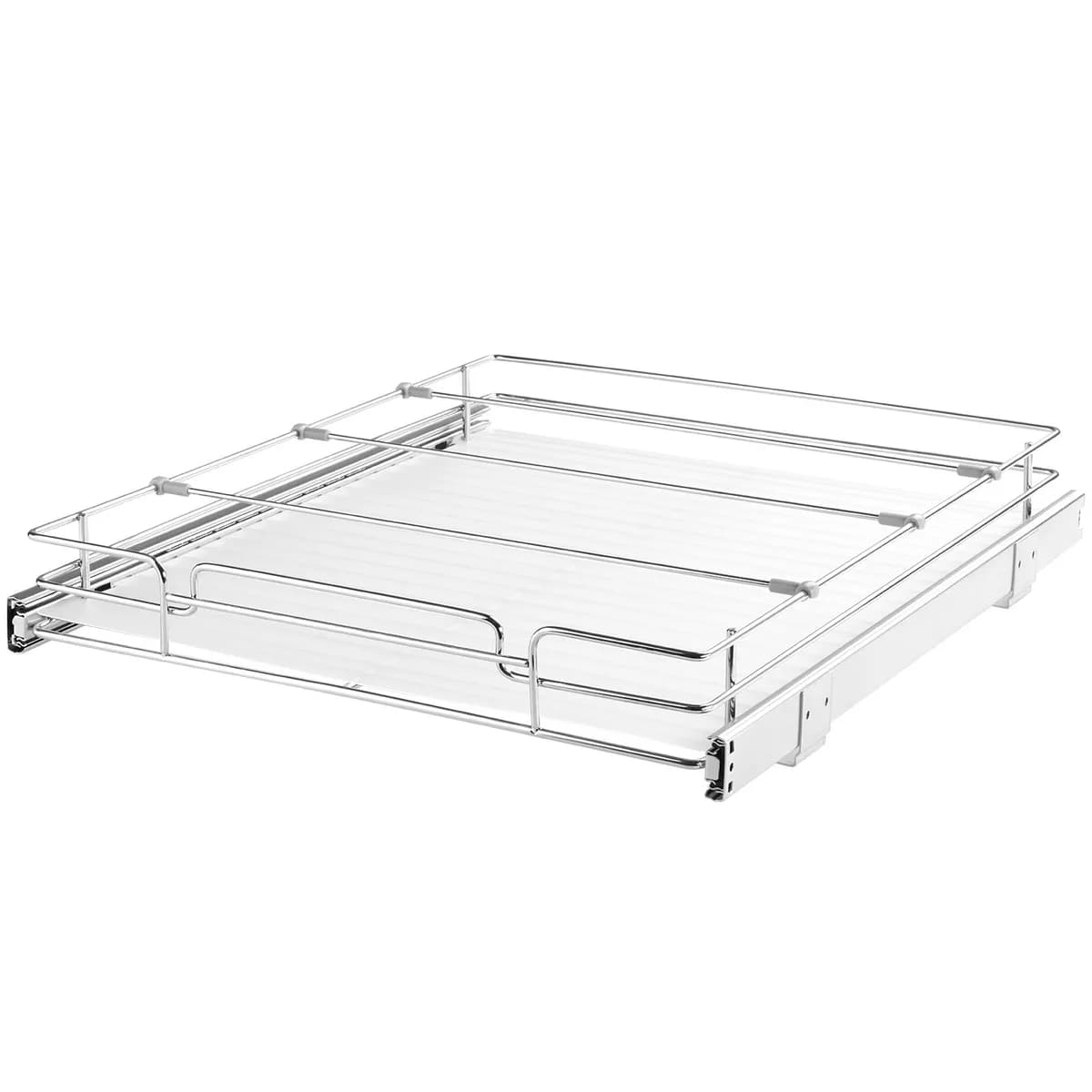
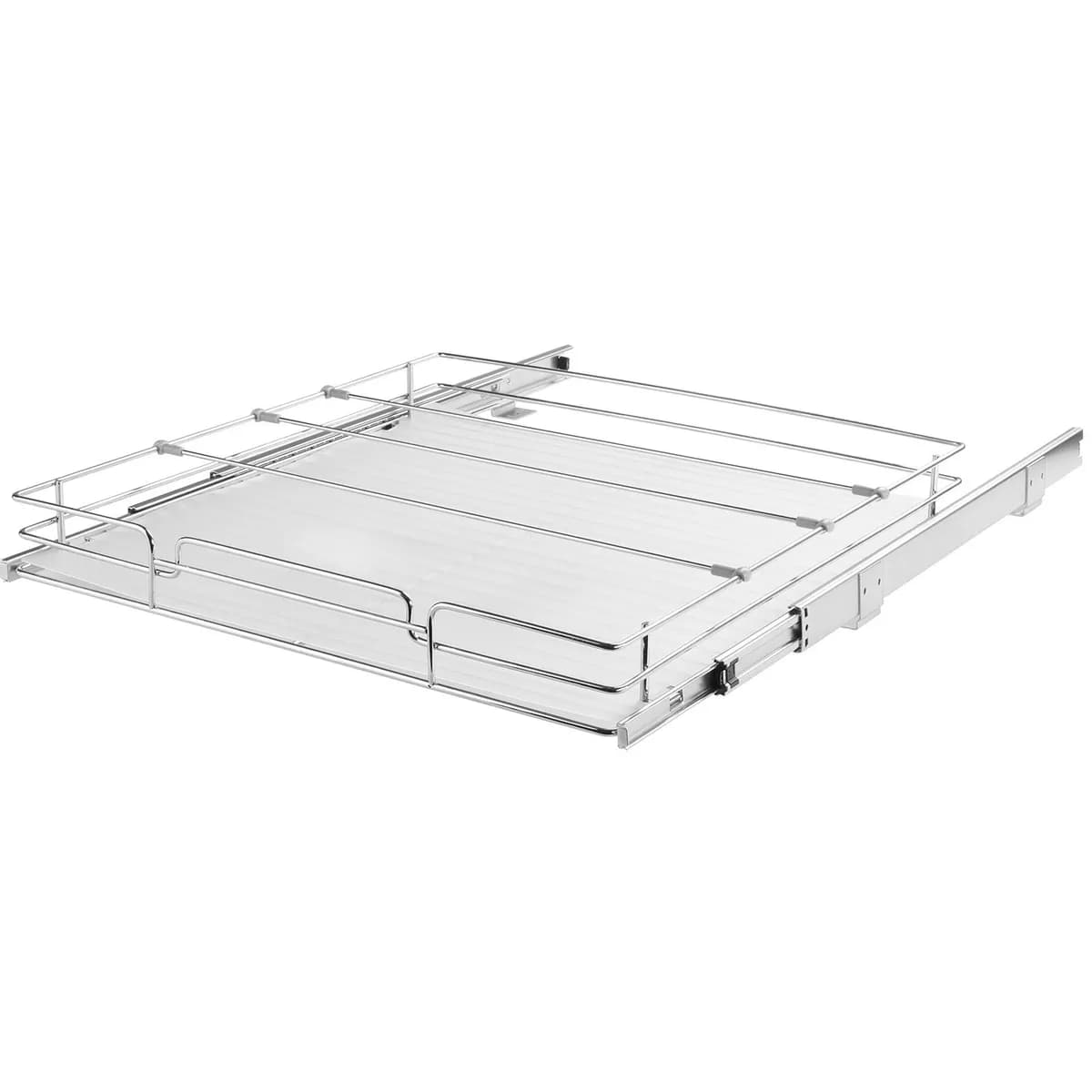
If you want to turn this guide into a real setup, start with Pull-Out Cabinet Organizer, 14 in. Wide and Double-Layer Bamboo Bread Box. For broader options, browse the Kitchen & Dining collection so the article journey does not stop at reading only.
Our practical rule: choose one product that solves the main clutter problem first, then add supporting organizers only when the daily workflow is already clear. This keeps the shopping path useful, not pushy.
FAQ: Frequently Asked Questions About Freezable Food Storage Containers
Q: Can I put glass containers directly from the freezer into the oven?
Only if they are made from oven-safe tempered glass. Even then, allow the container to sit at room temperature for 10 to 15 minutes before placing it in a preheated oven to minimize thermal shock risk. Never place a cold glass container into a very hot oven.
Q: Are all BPA-free plastics safe for the freezer?
BPA-free simply means the container does not contain bisphenol-A. It does not automatically mean the container is freezer-safe. Always look for the snowflake symbol or a manufacturer's explicit statement that the product is rated for freezer temperatures.
Q: How do I prevent freezer burn even with a good container?
Press out as much air as possible before sealing, use containers that match the volume of food (less air gap means less freezer burn risk), and ensure the lid seals completely. For extra protection on items prone to freezer burn like meat, wrap them in parchment paper before placing in the container.
Q: Can silicone containers go in the freezer?
Yes. Food-grade silicone is extremely flexible and handles freezer temperatures well. It is also easy to squeeze frozen contents out of. Just make sure the silicone is rated as food-grade and check for a freezer-safe marking.
Q: What is the best container for freezing soup?
For soup, a wide-mouth container with a locking lid is ideal. Rectangular or square shapes stack well, and medium sizes (1 to 2 quarts) are practical for family servings. Leave at least half an inch of headspace since soup expands as it freezes.
Q: Can I freeze food in the containers I buy takeout in?
Generally, no. Takeout containers are designed for single use and are not rated for freezer temperatures. They may crack or warp, and the thin plastic may leach chemicals when exposed to extreme cold. Always transfer food to proper, freezer-rated containers.
Conclusion: Build a Smarter Kitchen with the Right Freezable Food Storage Containers
Choosing the right freezable food storage containers is one of those small household decisions that pays off every single week. When your freezer is organized, properly stocked, and clearly labeled, batch cooking becomes easier, food waste drops, and weeknight dinners stop being stressful. Whether you prefer the durability of glass, the lightweight convenience of BPA-free plastic, or the eco-friendly appeal of stainless steel, there is a perfect freezer container out there for your kitchen in 2026.
Start by identifying your most common freezer needs, choose two or three standardized sizes, and commit to labeling every container before it goes in. Small habits, combined with the right tools, make an enormous difference over time.
Ready to upgrade your kitchen storage game? Explore our full range of food storage and kitchen organization products at Sesoris and find the right freezable food storage containers to match your lifestyle. Check out our best sellers and new arrivals for the freshest picks in 2026.
Weekly Home Tips
Get home organization ideas, product picks, and exclusive deals delivered weekly.
No spam. Unsubscribe anytime.
Explore More Articles
- 25+ Best Nightstand Organization Ideas to Transform Your Bedroom in 2026
- 25+ Best Kids Book Storage Ideas to Create a Tidy, Reading-Friendly Space in 2026
- How to Organize Your Desk: Complete 2026 Guide to a Productive Workspace
- 20+ Smart Bathroom Towel Storage Ideas to Keep Your Space Tidy in 2026
- 30+ Best Book Storage Ideas to Organize Your Home Library in 2026
- 30+ Best Small Bathroom Storage Ideas to Maximize Every Inch in 2026
- 40+ Best Kitchen Decor Inspiration Ideas to Transform Your Cooking Space in 2026
- 25+ Under Sink Organizer Ideas for a Tidy 2026