
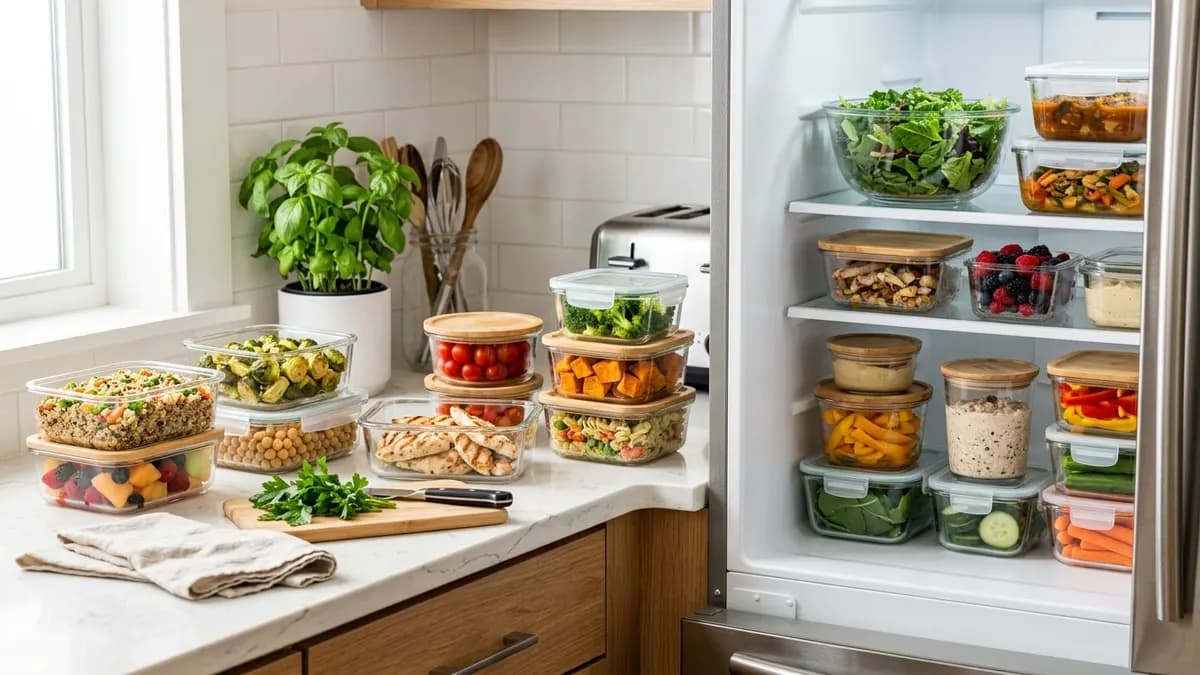
Glass Containers for Food Storage: The Complete 2026 Review & Buying Guide
If you've been thinking about upgrading your kitchen storage, switching to glass containers for food storage is one of the smartest moves you can make in 2026. Whether you're an avid meal prepper, a parent trying to keep the fridge organized, or simply someone who wants food to stay fresher for longer, glass containers check every box. They're safe, durable, non-toxic, and honestly, they just look great on a refrigerator shelf. In this complete review and buying guide, I'll walk you through everything you need to know, from the different types available to the top features worth paying for, so you can find the perfect set for your home.
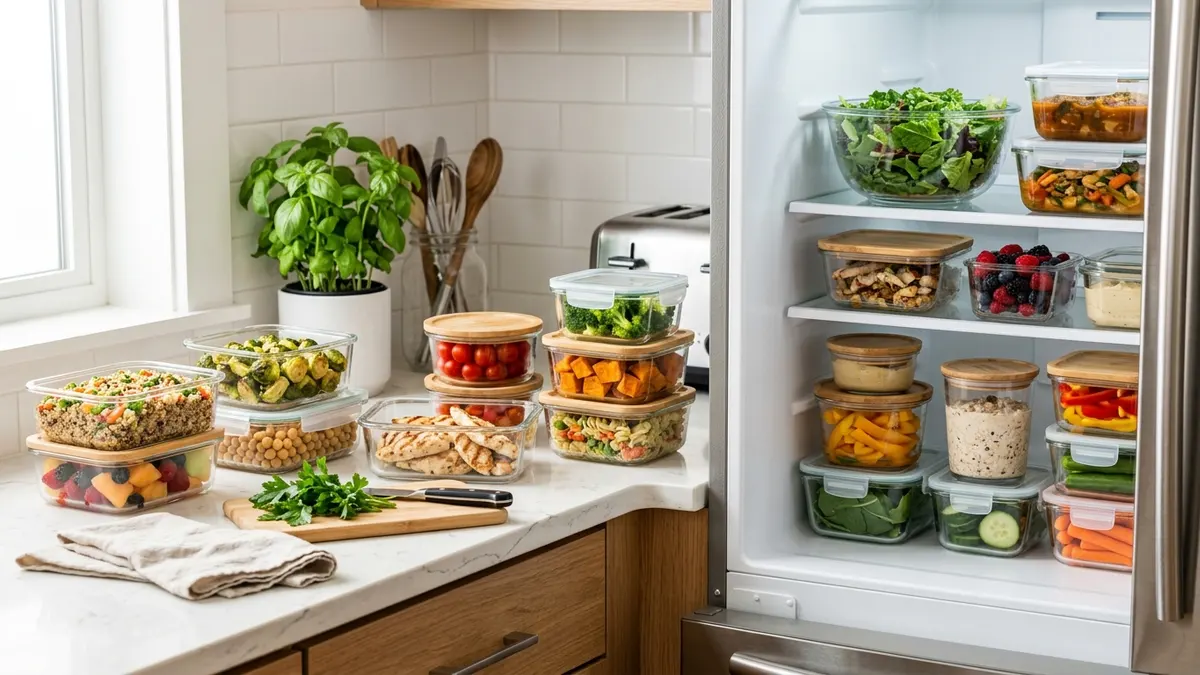
Why Glass Containers for Food Storage Are Worth It in 2026
The popularity of glass food storage has surged over the last few years, and that momentum has only grown heading into 2026. The biggest reason? People are more aware than ever of what touches their food. Unlike plastic, glass is non-porous, meaning it doesn't absorb odors, stains, or bacteria. It also doesn't leach any chemicals into your food, which is a huge win for health-conscious households.
According to The Spruce, glass containers are considered one of the gold standards for safe food storage because they're free from BPA, phthalates, and other chemicals commonly found in some plastics. That peace of mind alone is worth the investment.
Here are the core reasons why glass containers for food storage have become a kitchen essential:
- Non-toxic and food-safe - No chemical leaching, even when heated
- Odor and stain resistant - Your container won't smell like last Tuesday's leftover curry
- Oven, microwave, and dishwasher safe - Most tempered glass models can handle all three
- Crystal-clear visibility - You can see exactly what's inside without opening the lid
- Eco-friendly - Glass is recyclable and built to last for years, reducing plastic waste
- Freezer safe - Great for batch cooking and long-term meal storage
If you're already exploring airtight food storage containers for your kitchen, glass is absolutely worth adding to that conversation.
Types of Glass Containers for Food Storage: A Complete Breakdown
Not all glass containers are created equal. Before you buy, it's helpful to understand the different styles available so you can match the right container to your specific needs.
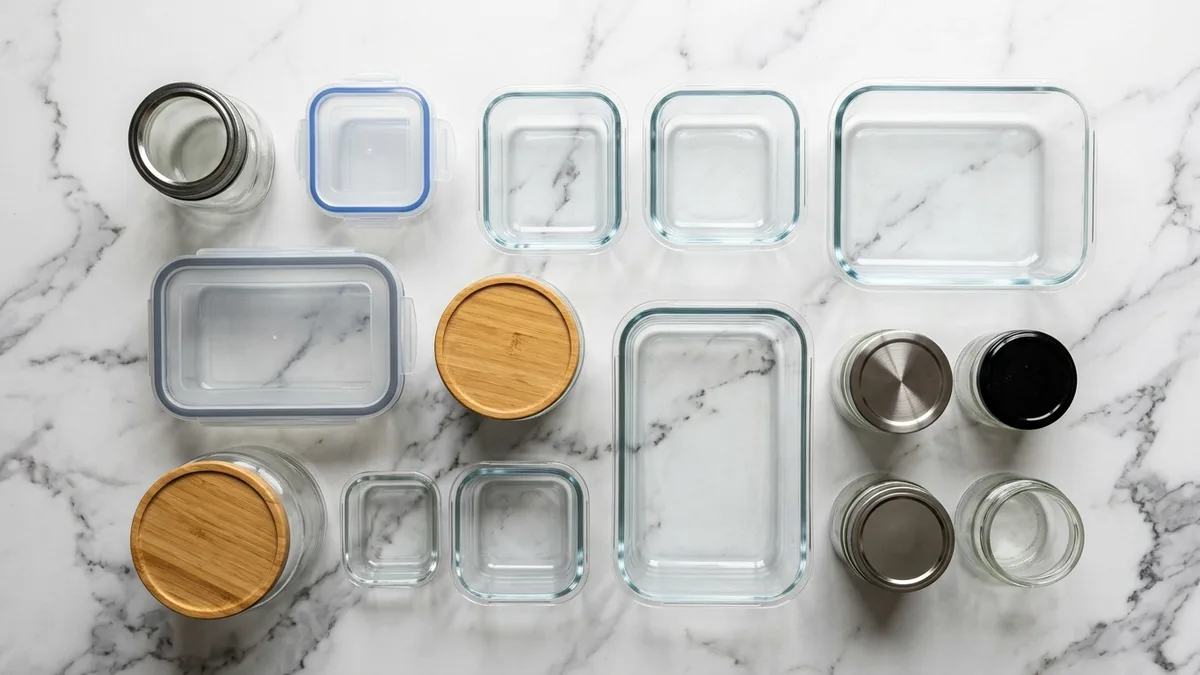
Rectangular Glass Containers
These are the most versatile shape for food storage. Rectangular containers stack beautifully in the fridge and fit neatly into most refrigerator shelves. They're ideal for storing leftovers, marinated meats, layered salads, and casseroles. Most sets come in sizes ranging from about 0.5 quarts up to 4 quarts.
Round Glass Containers
Round containers are perfect for soups, stews, sauces, and single-serving snacks. They tend to be easier to stir in directly, making them a favorite for reheating in the microwave. A lot of meal preppers love round glass containers for portioning out individual servings of grains, oatmeal, or salads.
Square Glass Containers
Square shapes maximize shelf and drawer space because they fit edge to edge without wasted gaps. If you're tight on fridge real estate, a set of square glass containers can feel like a game changer.
Glass Containers with Glass Lids
For a fully chemical-free storage experience, some containers come with glass lids rather than plastic or silicone ones. These look incredibly sleek and are oven-safe all the way through. Check out our detailed guide on glass containers with glass lids for food storage if this style interests you.
Snap-Lock and Screw-Top Lids
Most modern glass food storage sets come with plastic lids that feature either snap-lock clamps or screw-top closures. Snap-lock lids create a tighter seal and are better for liquids, while screw-top lids are simpler and faster to use for dry or semi-dry foods.
Key Features to Look for When Buying Glass Food Storage Containers
With so many options out there, narrowing down your choice comes down to a handful of critical features. Here's what I always look at before recommending a set:
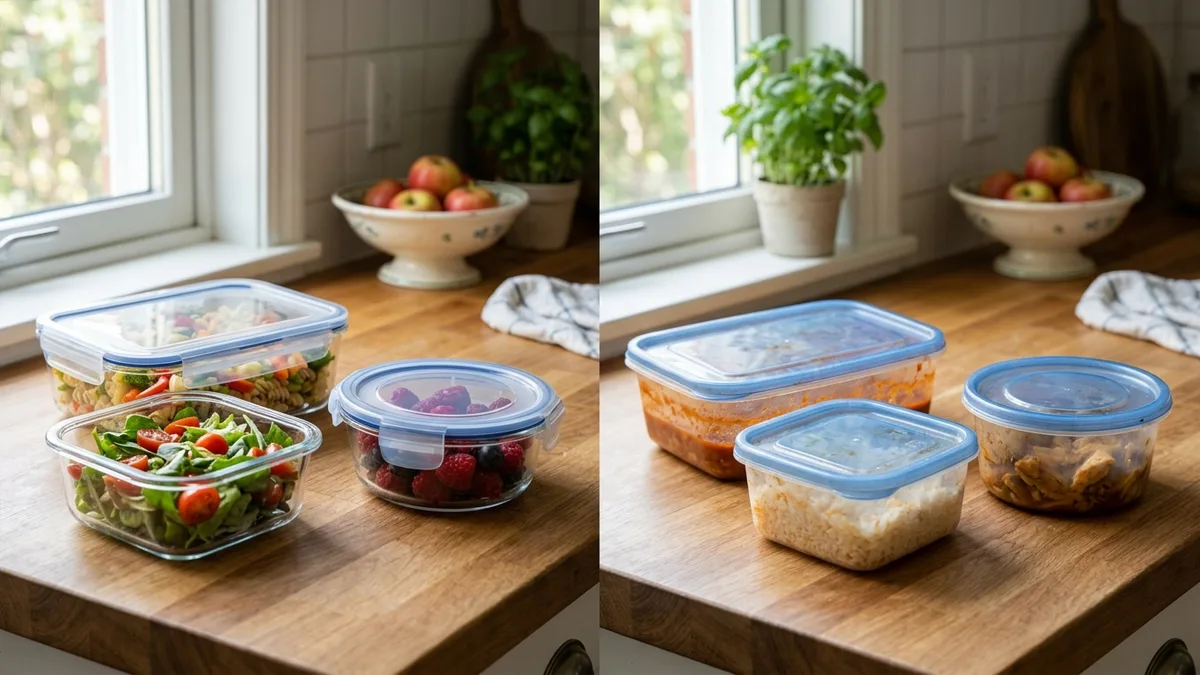
Tempered vs. Non-Tempered Glass
This is the single most important spec to check. Tempered glass is heat-treated to be significantly stronger than regular glass. It's resistant to thermal shock, meaning you can take a container from the freezer and put it in the oven or microwave without it shattering. Always look for borosilicate or tempered soda-lime glass when shopping.
Tempered glass containers can typically withstand oven temperatures up to 400 to 450 degrees Fahrenheit, making them a true kitchen multitasker.
Lid Quality and Seal
A great glass container is only as good as its lid. Look for lids with silicone gaskets or rubber seals, which create an airtight barrier that keeps food fresh and prevents leaks. This is especially important if you're packing lunch containers or transporting soups.
Size Variety
A good glass storage set should include multiple sizes. Most households benefit from having a mix of small containers (around 0.5 to 1 quart) for snacks and sides, medium containers (1.5 to 2 quarts) for leftovers, and large containers (3 to 4 quarts) for batch-cooked meals.
Stackability
Uniform sizing within a set makes stacking much easier. Some brands design their containers to nest and stack efficiently, which saves a huge amount of fridge and cabinet space. This is a practical detail that's easy to overlook until you're wrestling with a disorganized cabinet.
Oven, Microwave, Freezer, and Dishwasher Compatibility
For maximum convenience, you want containers that can do it all. Check the product specifications carefully. Most quality glass containers are safe for all four, but the lids often have separate instructions, such as being dishwasher-safe on the top rack only or not being oven-safe.
For a deeper dive into how to use your containers most effectively, our guide on how to store food to last longer has some really useful tips.
Glass vs. Plastic: Which Is Better for Food Storage?
This is a question I get asked all the time, and the honest answer depends on your priorities. Here's a straightforward comparison:
Glass Containers:
- Last for years with proper care
- Don't stain or hold odors
- Safe at high heat
- Heavier and more fragile than plastic
- Typically cost more upfront
Plastic Containers:
- Lightweight and nearly unbreakable
- Usually less expensive
- Can stain and absorb odors over time
- Some plastics may degrade with repeated heat exposure
- BPA-free options are widely available
For most American kitchens in 2026, I'd recommend a hybrid approach: use glass containers for everyday fridge storage, meal prep, and reheating, and keep a few lightweight BPA-free plastic storage containers on hand for packed lunches or outdoor use where weight and breakability matter.
Good Housekeeping consistently recommends glass as the top choice for home food storage due to its safety profile and long-term durability.
Top Glass Container Sets Worth Considering in 2026
Rather than listing prices (which fluctuate), I'll highlight the types of sets that consistently earn strong reviews and explain what makes each category stand out. Always check Sesoris for current availability and pricing.
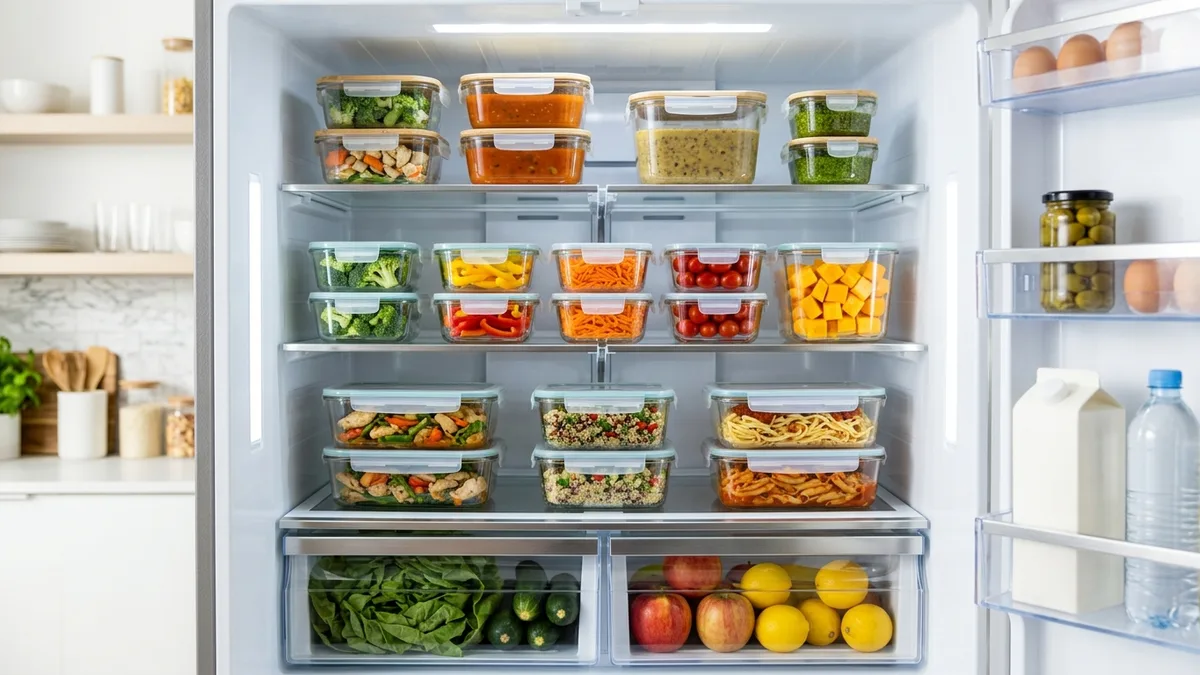
Large Comprehensive Sets (10 to 18 Pieces)
These sets typically include a wide range of sizes and are ideal for families or anyone who does regular meal prep. You get containers for everything from individual portions to full-batch soups, all in a matching, stackable design. Brands in this category tend to use tempered glass with snap-lock lids featuring silicone gaskets.
Best for: Families, meal preppers, and anyone who wants a full kitchen overhaul in one purchase.
Modular Meal Prep Sets (6 to 10 Pieces)
These sets focus on uniformity, often featuring containers of the same or similar size so you can easily stack them and carry multiples to work. Many come with compartment dividers, making them excellent for keeping food items separated within a single container.
Best for: Lunch packers, calorie counters, and office workers.
Mixing Bowl and Storage Hybrid Sets
Some glass container lines double as mixing bowls with storage lids, which is a brilliant space-saving concept for small kitchens. You mix, bake, serve, and store all in the same container. Check out our full roundup of kitchen food storage containers for more ideas like this.
Best for: Small apartment kitchens and minimalist home cooks.
Pyrex-Style Deep Dish Sets
Deep rectangular glass containers with tight-fitting lids are a classic American kitchen staple. They go from oven to table to fridge seamlessly, making them perfect for casseroles, lasagnas, and baked dishes. Our Pyrex glass food storage containers guide covers this category in detail.
Best for: Bakers, casserole lovers, and anyone who likes oven-to-fridge convenience.
How to Organize Glass Containers in Your Kitchen
One thing a lot of people overlook is that buying the containers is only half the battle. Keeping them organized is what makes your kitchen feel calm and functional day after day.
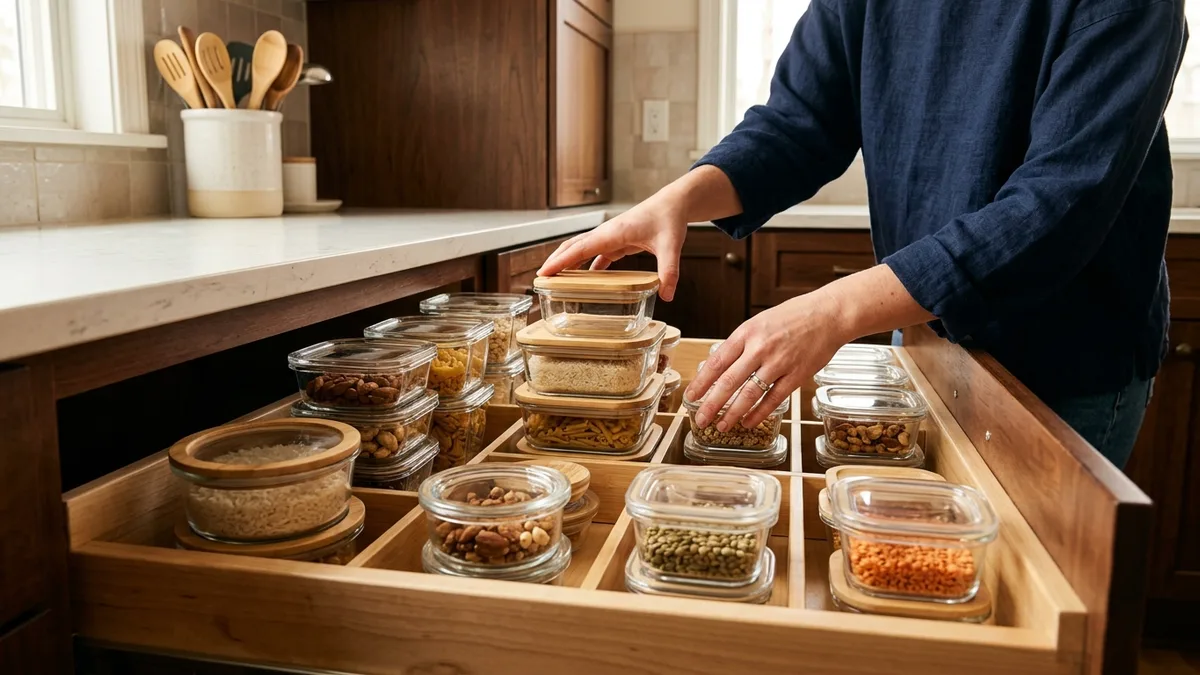
Here are my top tips for keeping your glass food storage containers neat and accessible:
- Store lids separately in a designated drawer organizer or a vertical lid holder. This is the number one tip for avoiding the chaos of tumbling lids every time you open a cabinet.
- Group containers by size rather than by set. Stack all small containers together, all medium ones together, and so on. This makes grabbing the right size fast and intuitive.
- Keep one dedicated fridge shelf for your glass meal prep containers so you always know where your prepped food lives.
- Label containers with masking tape and a marker or use reusable silicone labels to track what's inside and when it was stored.
- Nest smaller containers inside larger ones when they're empty and stored in a cabinet to maximize space.
For more inspiration on creating a fully organized kitchen, our guide on kitchen pantry organization ideas has dozens of practical ideas that pair perfectly with a glass container system.
You can also find a great collection of storage-friendly solutions at Sesoris Best Sellers to complement your glass container setup.
Caring for Your Glass Food Storage Containers
Glass containers are built to last, but a little care goes a long way in keeping them in top shape.
- Avoid sudden temperature changes with non-tempered glass. Let containers cool before running cold water over them.
- Hand wash lids whenever possible, or use the top rack of the dishwasher only. Heat from the bottom rack can warp plastic lids over time.
- Check for chips or cracks regularly. A chipped glass container is a safety hazard and should be recycled, not used.
- Don't overfill containers before freezing. Liquids expand as they freeze, and overfilling can crack the glass or break the seal.
- Season lids with silicone gaskets by rinsing with warm water before first use to ensure a proper seal.
According to Real Simple, properly cared-for glass storage containers can last a decade or more, making them one of the most cost-effective kitchen investments over time.
Related Products from Sesoris
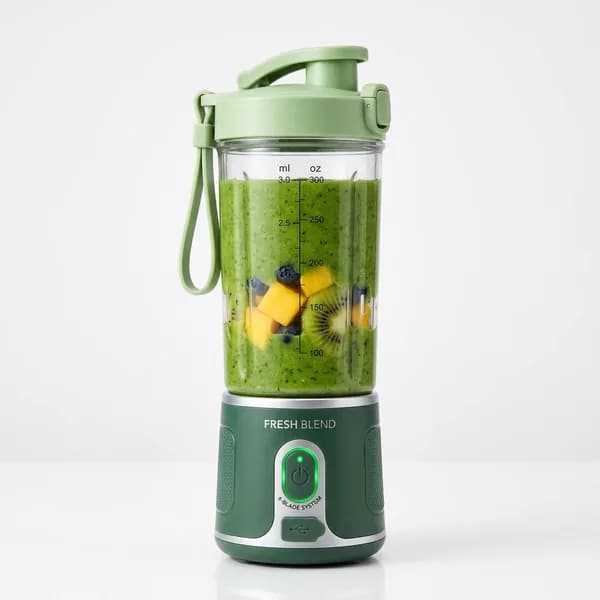
If you want to turn this guide into a real setup, start with Stainless Steel 2-Tier Dish Rack and Portable Blender. For broader options, browse the Kitchen & Dining collection so the article journey does not stop at reading only.
Our practical rule: choose one product that solves the main clutter problem first, then add supporting organizers only when the daily workflow is already clear. This keeps the shopping path useful, not pushy.
FAQ: Frequently Asked Questions About Glass Containers for Food Storage
Q: Are glass containers for food storage really microwave safe?
Yes, in most cases. Tempered and borosilicate glass containers are designed to handle microwave heat without cracking or warping. However, always remove the lid before microwaving, especially if it's plastic, as many plastic lids are not rated for microwave use. Check the manufacturer's instructions for your specific set.
Q: Can I use glass containers in the freezer?
Absolutely. Most tempered glass containers are freezer safe. The key is to leave about an inch of headspace at the top of the container before freezing to allow for liquid expansion. Avoid putting a frozen glass container directly into a hot oven without letting it temper first at room temperature for a few minutes.
Q: How do I get rid of stubborn odors in my glass containers?
Glass itself doesn't absorb odors, but residue left behind can. Fill the container with a mixture of warm water and baking soda, let it sit for 15 to 30 minutes, then wash as usual. White vinegar works great too. This is rarely needed with glass compared to plastic.
Q: What size glass containers do I actually need?
A well-rounded starter set for most US households includes four small containers (around 0.5 to 1 quart), four medium containers (about 1.5 to 2 quarts), and two large containers (3 to 4 quarts). If you meal prep regularly, consider doubling up on medium and large sizes.
Q: Are glass containers better than stainless steel for food storage?
Both are excellent non-toxic options. Glass wins on visibility since you can see contents at a glance and it's microwave safe. Stainless steel wins on durability and is better for on-the-go use. Read our stainless steel food storage containers guide for a full comparison.
Q: Where can I find a great selection of glass food storage containers?
You can browse a curated selection at Sesoris or check out Sesoris New Arrivals for the latest kitchen storage additions in 2026.
Conclusion
Choosing the right glass containers for food storage is one of those small upgrades that makes a surprisingly big difference in your daily kitchen life. From healthier, chemical-free food contact to a more organized and visually satisfying fridge, the benefits are hard to argue with. In 2026, with so many well-designed options available across a range of sizes and styles, there has never been a better time to make the switch.
Focus on tempered glass for safety and versatility, prioritize airtight lids with silicone seals for freshness, and build out a set that covers small, medium, and large needs. Pair your containers with smart organization habits, and your kitchen will feel transformed.
Ready to find the perfect set? Explore the full collection of kitchen and food storage solutions at Sesoris and take your first step toward a more organized, more intentional home. Live More Organized.
Weekly Home Tips
Get home organization ideas, product picks, and exclusive deals delivered weekly.
No spam. Unsubscribe anytime.
Explore More Articles
- Kitchen Dish Rack Guide: Best Kitchen Plate Storage Solutions for 2026
- 30+ Stunning Decorating Wall Shelf Ideas to Transform Your Home in 2026
- L-Shaped Kitchen Design: The Most Efficient Layout
- Home Decluttering Guide for Beginners
- How to Speed Clean Your House in 30 Minutes
- 30+ Creative Bedroom Wall Shelf Ideas to Transform Your Sleep Space in 2026
- 20+ Brilliant Storage Space Ideas for Small Bedrooms: Maximize Every Inch in 2026
- Under Stairs Storage Ideas: Smart Ways to Transform Awkward Space in 2026