
30+ Best Basement Storage Ideas to Transform Your Underground Space in 2026
Discover 30+ practical basement storage ideas to maximize every inch of your underground space in 2026. Get organized today!
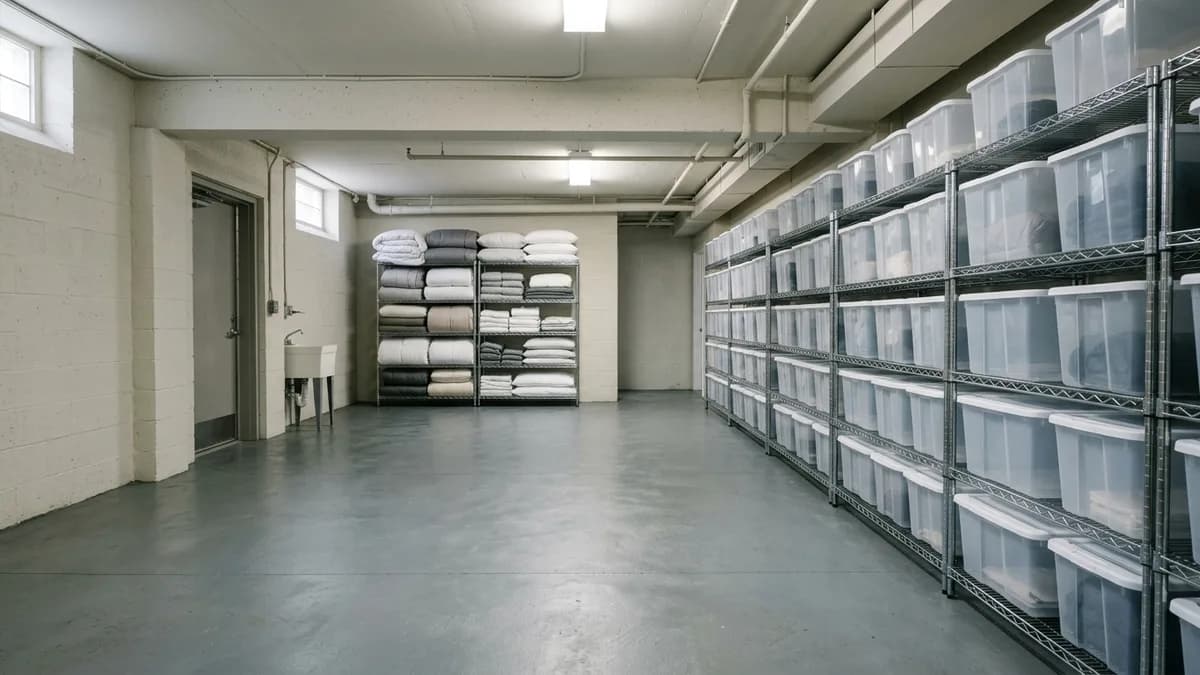
If your basement has become a chaotic dumping ground for everything that does not have a home upstairs, you are definitely not alone. The great news is that with the right basement storage ideas, that cluttered underground space can become one of the most functional and organized areas of your entire home. Whether you are dealing with a finished basement, an unfinished one, or something in between, the strategies in this guide will help you reclaim every square foot. From floor-to-ceiling shelving to creative zone systems, I have put together over 30 actionable tips that work for real American households in 2026.
Why Basement Storage Ideas Matter More Than Ever in 2026
Basements are one of the most underutilized spaces in American homes. According to Good Housekeeping, a well-organized basement can effectively add hundreds of usable square feet to your home without any renovation costs. In 2026, with home prices remaining high and square footage at a premium, making the most of every inch has never been more important.
A disorganized basement creates real problems. It makes it nearly impossible to find seasonal items when you need them, creates safety hazards from clutter blocking walkways, and can even lead to moisture and pest problems when items are stored directly on the floor. On the flip side, a thoughtfully organized basement gives you dedicated space for holiday decor, sporting equipment, tools, pantry overflow, and so much more.
The home organization ideas you choose for your basement will depend on a few key factors: how much ceiling height you have, whether the space is finished or unfinished, your budget, and what you actually need to store. Let me walk you through the best approaches for every situation.
Start With a Zone-Based System for Basement Organization
The single most effective first step for any basement storage project is creating clearly defined zones before you buy a single shelf or bin. Think of your basement like a store. Every category of item gets its own dedicated area, and everything within that area stays there.
Common Basement Storage Zones to Consider
- Seasonal Decor Zone: Holiday items, seasonal clothing, and decorations organized by season or holiday in clearly labeled totes
- Sports and Recreation Zone: Bikes, helmets, balls, camping gear, and outdoor equipment stored on hooks and racks
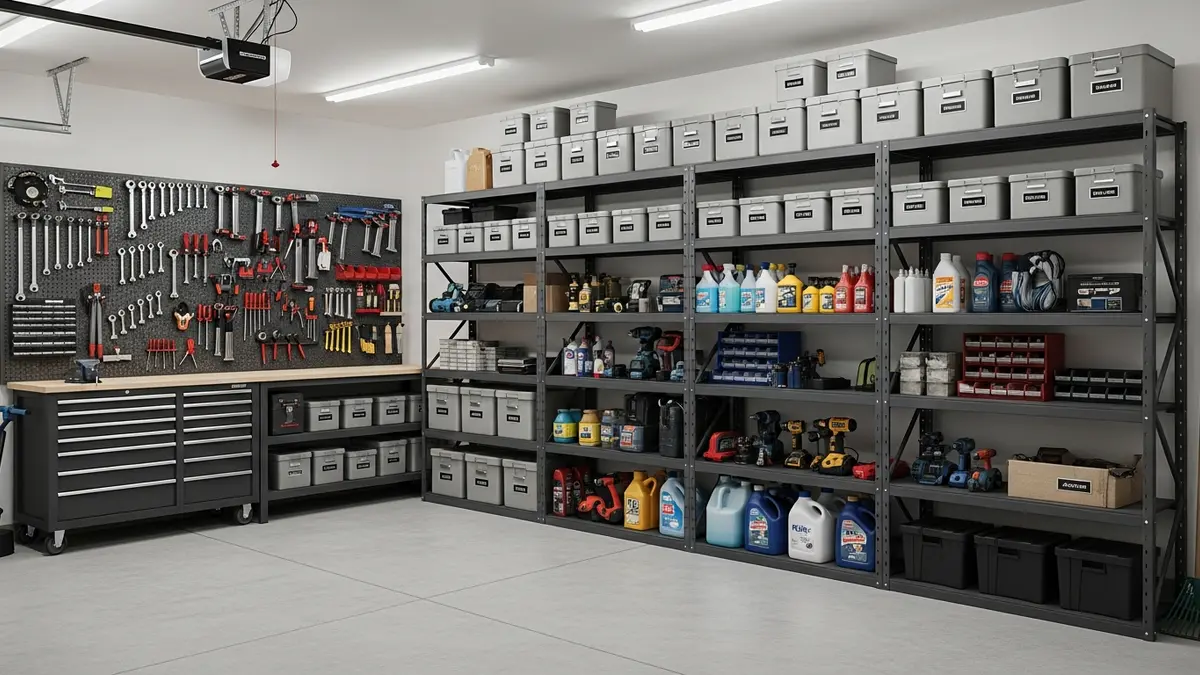
- Tools and Workshop Zone: Power tools, hand tools, hardware, and DIY supplies on pegboards and heavy-duty shelves
- Pantry Overflow Zone: Bulk pantry staples, extra paper goods, and cleaning supplies on accessible shelving
- Archives and Documents Zone: Filing cabinets and boxes for important paperwork, old photos, and keepsakes
- Laundry and Utility Zone: If your laundry is in the basement, designate a clean, efficient area for it
- Kids and Toys Zone: Off-season toys, games, and hobby supplies your kids have outgrown or cycle through seasonally
Once your zones are mapped out on paper, you can start measuring and planning your shelving and storage solutions. This approach prevents the most common basement organization mistake, which is buying a bunch of bins and shelves without a clear plan and ending up with a different kind of chaos.
The Best Shelving Options for Basement Storage Ideas
Shelving is the backbone of any great basement storage system. The type of shelving you choose makes a huge difference in how much you can store, how accessible everything is, and how long your system lasts in a basement environment.
1. Heavy-Duty Wire Shelving Units
Wire shelving is one of the most popular choices for unfinished basements because it allows air to circulate, which helps prevent moisture buildup and mold. Look for units rated for at least 350 to 500 pounds per shelf. Many homeowners opt for units that are 72 inches tall, 48 inches wide, and 18 to 24 inches deep, giving you a massive amount of storage in a relatively small footprint.
2. Freestanding Metal Utility Shelves
Steel utility shelving is incredibly durable and cost-effective. It assembles without tools in most cases and can hold heavy items like paint cans, power tools, and large storage bins. These are ideal for the tool or workshop zone in your basement.
3. Built-In Shelving Along Walls
If you want a more finished look, consider building simple wooden shelves directly against your basement walls. This is especially effective in finished basements and can be customized to any depth, height, or spacing you need. Houzz has extensive inspiration for built-in basement storage that looks polished and intentional.
4. Adjustable Shelving Systems
Modular shelving systems that allow you to move shelves up and down as your storage needs change are a smart investment. A modular shelving system lets you accommodate everything from small bins to large awkward items without wasted vertical space.
5. Ceiling-Mounted Overhead Shelves
If your basement has enough ceiling height (at least 8 feet is ideal), overhead storage platforms are a game-changer. These ceiling-mounted racks, similar to what you might see in a garage, keep infrequently used items completely out of the way. Learn more about this approach in our guide to overhead garage storage solutions, as many of the same principles apply to basements.
Brilliant Basement Storage Ideas for Specific Items
Now that you have your zones and shelving in mind, let us get into specific storage solutions for the most common categories of basement items.
Holiday and Seasonal Decor Storage
Holiday decor is one of the top reasons basements get cluttered. The key is using uniform, stackable bins that are clearly labeled. Here are my top tips:
- Use large, clear plastic bins with snap-on lids so you can see the contents at a glance without pulling everything off the shelf
- Label every single bin with the holiday or season and a brief description of the contents
- Organize bins on shelves with the most frequently used items at eye level and rarely touched items up high or down low
- Use specialty containers for fragile items like ornaments and garland to prevent breakage
- Group bins by season so your Christmas decor is all together, your fall decor is together, and so on
For more inspiration on keeping seasonal items in order, check out our complete guide to seasonal decor storage.
Sports Equipment and Outdoor Gear
Sports gear is notoriously difficult to store because it comes in so many odd shapes and sizes. Here are the approaches that work best:
- Install a ball storage rack or large open bin for balls of all sizes so they are easy to grab and toss back
- Use ceiling-mounted bike hooks to hang bikes vertically and free up a huge amount of floor space
- Mount a pegboard wall for hanging helmets, rackets, and smaller gear on hooks
- Store camping gear and sleeping bags in large duffel bags or waterproof bins on lower shelves for easy loading when heading out
- Use a tall, narrow shelving unit for fishing rods, golf clubs, and other long items
Tools and Workshop Supplies
A dedicated workshop zone makes home repairs and DIY projects so much easier. Consider these ideas:
- Install a pegboard system above your workbench to keep frequently used hand tools visible and accessible
- Store small hardware like screws, bolts, and nails in a multi-drawer organizer cabinet or small labeled jars on a shelf
- Keep power tools in their original cases or in dedicated tool bags stacked on heavy-duty shelves
- Use magnetic tool strips for metal tools like wrenches and pliers
- Label every shelf and drawer in your workshop zone so you always know where to return items
Pantry and Food Storage Overflow
Many families use their basement as a secondary pantry for bulk purchases. If you do this, make sure your setup is food-safe and organized. Keep food items on shelves that are at least 6 inches off the floor to protect against moisture and pests. Use airtight storage containers for dry goods and clearly label everything with the purchase date. Rotate stock regularly so older items get used first.
Pro Tip: Always elevate food and paper goods off the basement floor using shelving. Even a few inches of clearance can protect your supplies from unexpected moisture or minor flooding.
Maximize Vertical Space with These Basement Storage Ideas
One of the biggest mistakes I see in basement organization is ignoring vertical space. Most basements have 7 to 9 feet of ceiling height, which means you have a huge amount of wall and vertical space available that most people leave completely unused.
Wall-Mounted Storage Solutions
- Pegboard panels are inexpensive and incredibly versatile. Mount a 4 by 8 foot sheet of pegboard and you instantly have a customizable storage surface for tools, supplies, and gear
- Wall-mounted shelving brackets can hold wooden planks at any height you choose, letting you customize shelf placement around pipes, beams, and other basement obstacles
- Slat wall systems from home improvement stores allow you to hang all kinds of hooks, bins, and baskets that can be rearranged as your needs change
- French cleat systems are another incredibly flexible option, especially popular in workshop zones
Going Floor to Ceiling
If you are using freestanding shelving units, choose units that go as close to the ceiling as possible. A 72 to 84 inch shelving unit in a standard 8 foot basement gives you excellent vertical coverage. You can also stack two shorter shelving units if you cannot find a single tall one that works.
Using the Space Under the Stairs
The area under your basement stairs is prime storage real estate that most people ignore. You can build custom pull-out drawers, install small shelving units, hang bins on the sides of the staircase structure, or even create a dedicated small office or reading nook if your basement is finished. Check out our guide to under stairs storage ideas for detailed inspiration.
Smart Labeling and Bin Systems for Basement Storage
Even the most beautifully organized basement falls apart quickly without a solid labeling system. The goal is for anyone in your household to be able to find and return any item without asking you where it goes.
Choosing the Right Bins
Not all storage bins are created equal, especially in a basement environment. Here is what to look for:
- Clear bins are almost always preferable over opaque ones because you can see the contents immediately
- Snap-on or locking lids are essential in basements to keep out dust, insects, and moisture
- Stackable designs let you go vertical without needing more shelf space
- Uniform sizing creates a neat, visually organized look and makes stacking much more stable
- For very heavy items, look for bins rated for 50 to 75 pounds or more
Labeling Best Practices
- Label every bin and every shelf section, not just some of them
- Use a label maker for clean, consistent, readable labels that will not fade over time
- Include both the category and specific contents on each label (for example, "Christmas: Lights and Garland" rather than just "Christmas")
- For bins stored high up where labels are hard to read from below, add a label to the front face of the bin and to the top
- Color-code your bins by zone or category for an extra level of visual organization
For ready-made label templates, our guide to free printable storage bin labels is a fantastic resource.
Basement Storage Ideas for Finished vs. Unfinished Basements
The approach you take will differ significantly depending on whether your basement is finished or unfinished.
Unfinished Basement Storage Tips
Unfinished basements with exposed concrete walls, visible pipes, and bare concrete floors actually have some advantages for storage. The open structure means you have full access to the walls for mounting and more flexibility in where you put shelving. Key tips for unfinished basements:
- Use metal or plastic shelving rather than solid wood, since wood can absorb moisture more readily in an unfinished space
- Consider placing a dehumidifier in the space to keep humidity levels below 50 percent, which protects both your items and the structure
- Lay down rubber or foam floor tiles in your main storage and workshop zones for comfort and to protect items from cold concrete
- Paint or seal the concrete walls and floor to reduce moisture infiltration before setting up your storage system
Finished Basement Storage Tips
A finished basement gives you more aesthetic options but usually means you want to keep things looking tidy and intentional. In a finished basement:
- Built-in cabinetry and shelving blend beautifully with drywall and look like a natural extension of the living space
- Use decorative storage bins and baskets that complement the room's style rather than purely utilitarian plastic bins
- Consider a murphy bed with integrated storage if the finished basement doubles as a guest room
- Keep wiring and mechanical systems neatly hidden with custom cabinet doors or decorative screens
According to Good Housekeeping, one of the best investments for a finished basement is quality built-in shelving around the perimeter of the room, which maximizes storage while keeping floor space completely open.
Moisture and Safety: Critical Factors for Basement Storage
Before you finalize any basement storage ideas, you need to address moisture and safety. Basements are naturally more prone to humidity, leaks, and flooding than any other part of the house, and failing to account for this can ruin your stored items.
Moisture Protection Tips
- Never store items directly on the floor. Even a modest flood or moisture seep can ruin anything sitting on the concrete
- Use waterproof or water-resistant storage bins with tight-fitting lids for anything you cannot afford to lose
- Install a sump pump if your basement is prone to water intrusion
- Run a dehumidifier year-round and monitor humidity with an inexpensive hygrometer
- Avoid storing items that are highly sensitive to moisture, like important documents, photographs, and certain electronics, without extra protection such as waterproof bags or cases
Safety and Accessibility Tips
- Always keep a clear path to your electrical panel, water shutoff valve, HVAC equipment, and any emergency exits
- Do not stack bins or boxes so high that they are at risk of toppling
- Store hazardous materials like paint, solvents, and fertilizers in a locked cabinet away from children and pets
- Make sure your basement has working smoke and carbon monoxide detectors
- Keep a fire extinguisher accessible, especially if you have a workshop zone
Budget-Friendly Basement Storage Ideas That Actually Work
You do not need to spend a fortune to get your basement organized. Here are some of the best budget-friendly approaches:
- Shop sales at home improvement stores: Open wire shelving units regularly go on sale and can often be found for under US$50 per unit
- Use uniform bins from big-box stores: Buying a set of matching bins all at once is often cheaper per unit and creates a much tidier look
- Repurpose furniture: Old bookshelves, cabinets, and dressers can be cleaned up and pressed into service as basement storage
- Build your own shelves: A simple wall-mounted wooden shelf using 2x10 lumber and L-brackets is one of the most cost-effective storage additions you can make
- Use pegboard strategically: A sheet of pegboard plus a bag of hooks costs very little and gives you an enormous amount of flexible wall storage
- Label with a basic label maker: A good label maker costs around US$20 to US$40 and pays for itself immediately in time saved hunting for items
Browse our best sellers for affordable organizational products that work perfectly in basement storage setups.
Creative and Unexpected Basement Storage Ideas
Sometimes the most effective storage solutions are the ones you would not immediately think of. Here are some creative approaches worth considering:
- Wine rack repurposed for rolls: A wine rack mounted on the wall makes a great holder for rolls of wrapping paper, keeping them tidy and accessible
- Tension rod dividers: Install tension rods vertically inside a cabinet or on a shelf to create dividers for flat items like baking sheets, cutting boards, and art canvases
- Old filing cabinets: A solid metal filing cabinet is heavy-duty, lockable, and perfect for storing tools, craft supplies, or important documents
- Lockers: Vintage or new metal lockers give each family member their own dedicated storage in a shared basement space
- Curtains to conceal shelves: If your basement shelving is visible from a finished living area, a simple curtain rod and curtain panel can neatly hide all the storage while keeping it easily accessible
- Magnetic spice jars on a metal strip: Mount a magnetic knife strip or metal panel in your workshop zone and use small magnetic containers for nails, screws, and hardware
For more creative home organization inspiration, check out our home storage solutions guide.
Related Products from Sesoris
If you want to turn this guide into a real setup, start with Stackable Storage Bins, 24 Pack and Pull-Out Cabinet Organizer, 17 in. Wide. For broader options, browse the Home & Decor collection so the article journey does not stop at reading only.
Our practical rule: choose one product that solves the main clutter problem first, then add supporting organizers only when the daily workflow is already clear. This keeps the shopping path useful, not pushy.
FAQ: Frequently Asked Questions About Basement Storage Ideas
Q: What is the best shelving material for a basement?
For most basements, especially unfinished ones, metal wire or steel shelving is the best choice because it resists moisture, allows airflow, and holds very heavy loads. In finished basements, painted wood or laminate shelving can work well if the space is climate-controlled and humidity-managed.
Q: How do I keep my basement from smelling musty after organizing it?
A musty basement smell almost always comes from excess moisture. Run a dehumidifier consistently, seal any cracks in walls or floors, ensure good drainage around your home's foundation, and consider placing odor absorbers or activated charcoal bags on your shelves. If the problem is severe, consult a basement waterproofing professional.
Q: Should I use clear or opaque storage bins in the basement?
Clear bins are almost always the better choice for basement storage because you can quickly see what is inside without pulling bins off shelves and opening them. Opaque bins can work if you are very diligent about labeling, but clear wins for practicality every time.
Q: What should I never store in a basement?
Avoid storing items that are highly sensitive to humidity and temperature changes, including: original artwork, vinyl records without proper protection, important paper documents without waterproof containers, electronics that are not in sealed cases, and anything made of natural materials like leather or wood that could warp or mold. Also avoid storing flammable materials near heat sources.
Q: How do I organize a basement that has water pipes and ductwork in the way?
Work around fixed elements by using freestanding shelving that can be positioned to avoid pipes and ducts. Keep access panels and shutoff valves completely clear at all times. Use the irregular spaces created by ductwork as opportunities for creative storage, like placing a small rolling cart or a set of bins in an alcove created by overhead ducts.
Q: What is a good starting budget for organizing a basement?
You can get a meaningful start with as little as US$150 to US$300 if you focus on two or three solid shelving units and a set of uniform bins with a label maker. A comprehensive full-basement organization overhaul with built-in shelving, custom zones, and quality bins might run US$500 to US$2,000 or more depending on the size of your space and the products you choose.
Conclusion: Turn Your Basement into an Organized Haven in 2026
Your basement does not have to be the room you are afraid to open the door to. With these basement storage ideas, you have everything you need to transform that chaotic underground space into one of the most organized, functional, and useful areas of your home. Start by mapping out your zones, choose the right shelving for your specific basement type, invest in quality bins with consistent labeling, and address moisture before anything else.
Whether you tackle the whole basement in a weekend or chip away at it one zone at a time, every step you take moves you closer to a space that actually works for your family. And when you are ready to stock up on the storage bins, shelves, and organizational products you need to make it all happen, Sesoris has everything you need to live more organized. Browse our full collection at Sesoris.com and find the perfect products to bring your best basement storage ideas to life in 2026.
Liked this guide?
Get new organizing guides and the occasional new product by email. No spam, unsubscribe anytime.
Related articles

Explore more articles
- Mini Bar for Small Kitchens: 15 Creative Ideas to Maximize Space
- Simple Minimalist Home Design: Transform Your Space with Easy Tips
- Best Foldable Travel Bags: Light, Practical, and Hassle-Free (2026)
- Pyrex Glass Food Storage Containers: The Complete Guide to Premium Kitchen Storage in 2026
- Plastic Dish Racks: Affordable and Lightweight Kitchen Solutions
- Kitchen Lifestyle Habits That Actually Keep Your Home Organized in 2026
- How to Organize a Junk Drawer Once and For All: Complete Step-by-Step Tutorial for 2026
- How to Set Up an Indoor Plant Watering Station: Complete Step-by-Step Tutorial for 2026