
Kitchen Lifestyle Habits That Actually Keep Your Home Organized in 2026
Discover practical kitchen lifestyle habits that reduce clutter, save time, and keep your cooking space organized all year long in 2026.
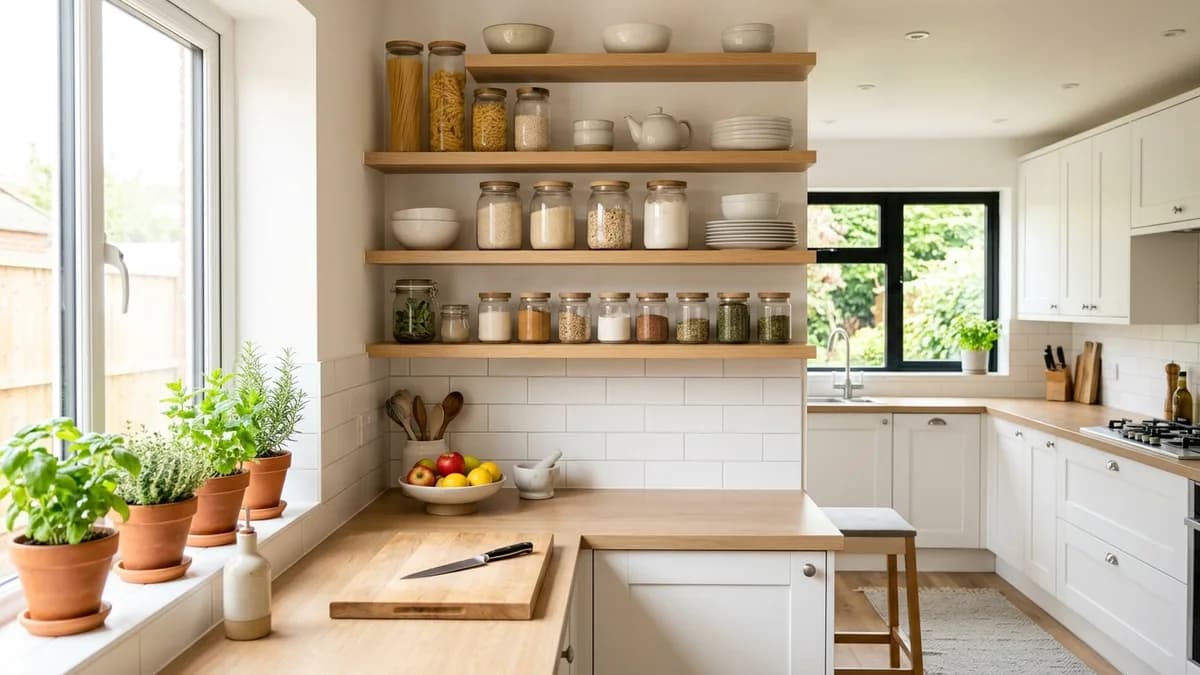
If you have ever looked around your kitchen after a long day and wondered how it became such a mess so fast, you are not alone. Kitchen lifestyle habits are the everyday rituals and small decisions that either support a calm, organized cooking space or slowly pull it into chaos. The good news is that building the right habits does not require a full renovation or a huge budget. In 2026, more American households are discovering that small, consistent daily routines make a bigger difference than any single organizing product. This guide walks you through the most practical, evidence-backed kitchen habits that will transform how you feel in your cooking space every single day.
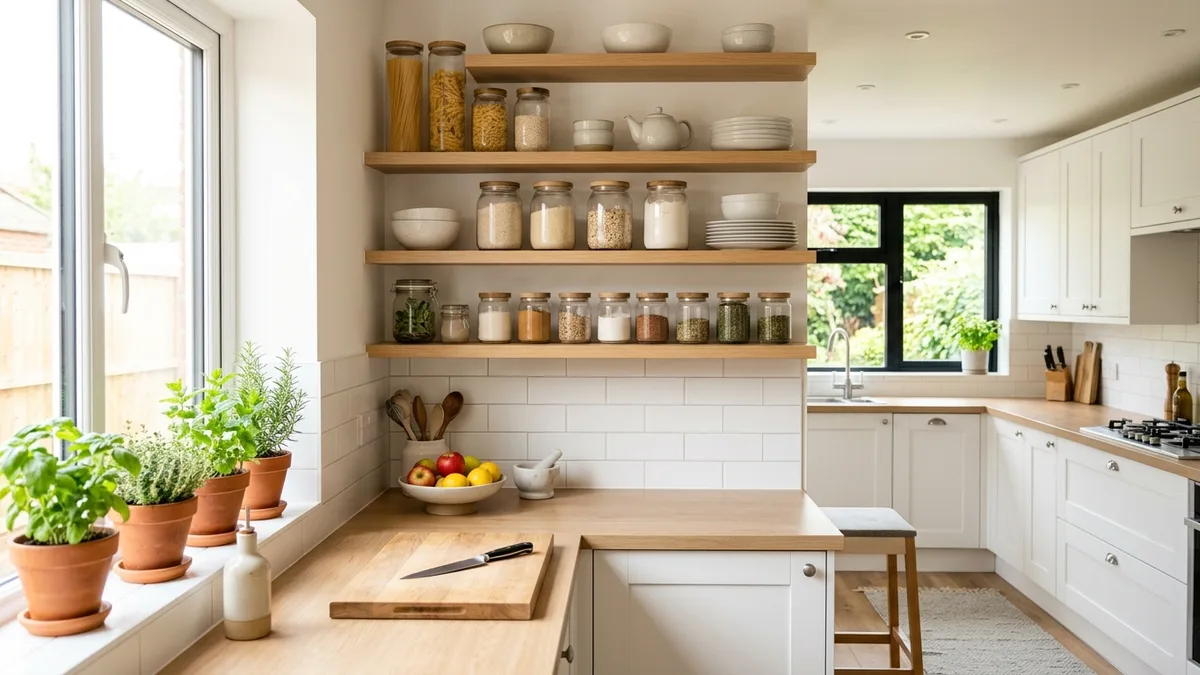
Why Kitchen Lifestyle Habits Matter More Than Products Alone
Most of us have bought an organizing bin, a rack, or a set of containers with the best intentions, only to find the kitchen in disarray within a few weeks. That happens because products without habits are just stuff. According to research highlighted by Good Housekeeping, the households that maintain the tidiest spaces are not necessarily the ones with the most storage solutions. They are the ones with the most consistent daily routines.
Think of your kitchen as a living system. Every meal you cook, every grocery run you make, and every dish you leave on the counter either feeds into order or feeds into clutter. The goal of strong kitchen lifestyle habits is to make tidiness the path of least resistance, so that keeping things organized feels almost automatic rather than effortful.
When your habits and your storage tools work together, the results compound. A well-organized pantry with airtight containers only stays functional if you also have a habit of putting things back in the right place after every use. A beautiful tiered spice rack only saves you time if you consistently put spices back where they belong after cooking. Habits are the engine; your products are the vehicle.
The Morning Reset: Your Single Most Powerful Kitchen Habit
If you could build only one kitchen lifestyle habit, make it the morning reset. This is a 5 to 10 minute routine you do before your day kicks into full gear, or right after breakfast. The goal is simple: start the day with a clean kitchen slate.
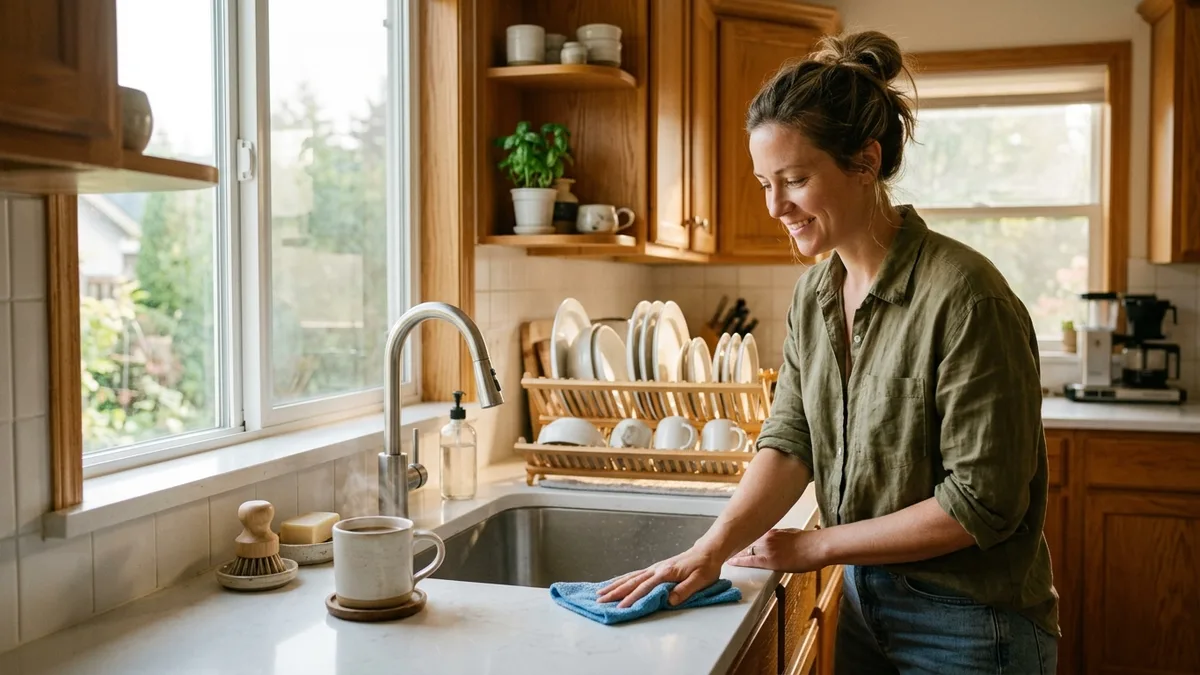
Here is what a solid morning kitchen reset looks like:
- Unload the dishwasher or put away any air-dried dishes from the night before
- Wipe down the countertops with a damp cloth or a gentle all-purpose cleaner
- Empty the sink completely, even if it just means rinsing a single mug
- Take out any trash or compost that is getting full
- Glance at your counters and return any stray items to their designated spots
The psychological benefit of this habit is enormous. The Spruce notes that a cluttered kitchen can increase stress levels and make cooking feel like more of a chore than a pleasure. Starting with a clean kitchen sets a positive tone for every meal you prepare that day.
Pair your morning reset with a good dish drying setup. If you are working with limited counter space, consider looking at over-the-sink dish drying racks that free up your main workspace entirely.
Build Kitchen Zones as a Lifestyle, Not Just a One-Time Setup
One of the most effective kitchen lifestyle habits is thinking in zones. Rather than storing items wherever there is space, intentional zone-based organization means every category of item lives in the area where you actually use it. This habit dramatically reduces the time you spend searching for things, and it makes putting things away much more intuitive.
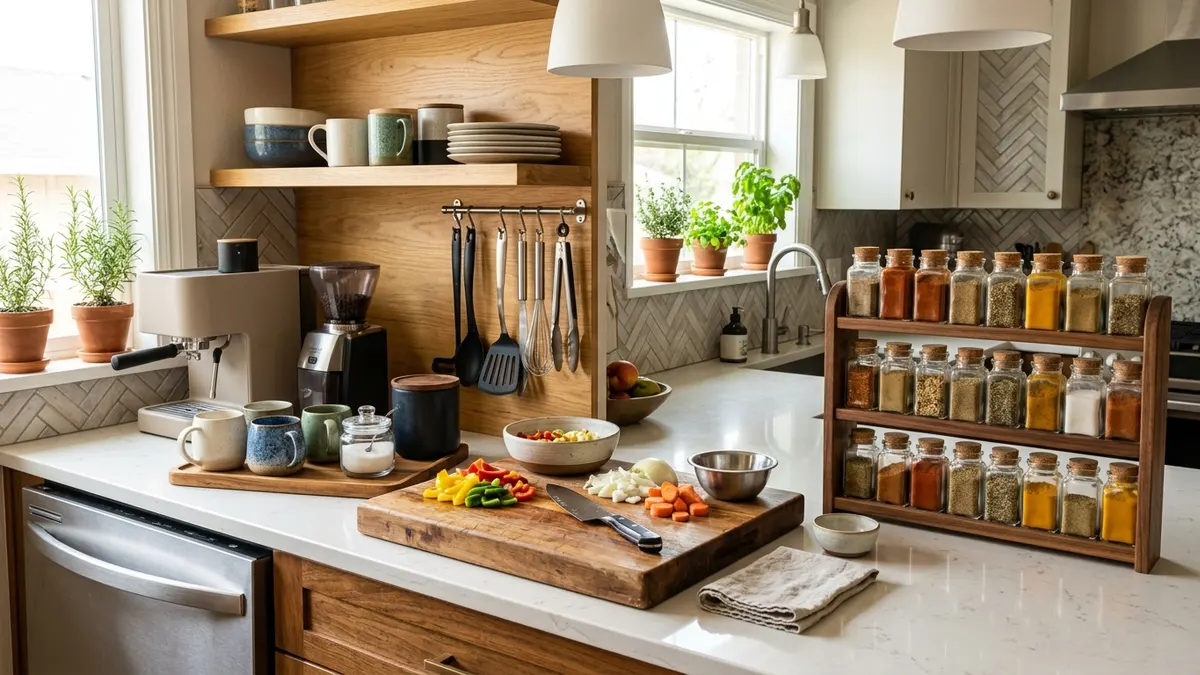
Common kitchen zones for an American household include:
- Coffee and beverage station: Keep your coffee maker, mugs, sweeteners, and filters all in one spot. A small organizer tray corrals everything neatly.
- Prep zone: Your cutting board, knives, and mixing bowls should all be within arm's reach of your main workspace. Clear the zone before and after every cooking session.
- Spice and seasoning station: A 3-tier spice rack or a wall-mounted organizer right next to the stove keeps your most-used flavors accessible without cluttering the whole counter.
- Baking zone: If you bake regularly, a dedicated drawer or cabinet for flour, sugar, baking soda, measuring cups, and mixers prevents constant cabinet-rummaging.
- Snack station: Especially helpful for families with kids, a low shelf or basket that holds grab-and-go snacks reduces the number of cabinet doors flung open throughout the day.
The habit component here is maintenance. Zones only work if you consistently return items to the correct zone after every use. Make it a rule: if you pull something out of its zone, it goes back before you move on to the next task.
The Pantry Habit: Shop, Store, and Rotate Like a Pro
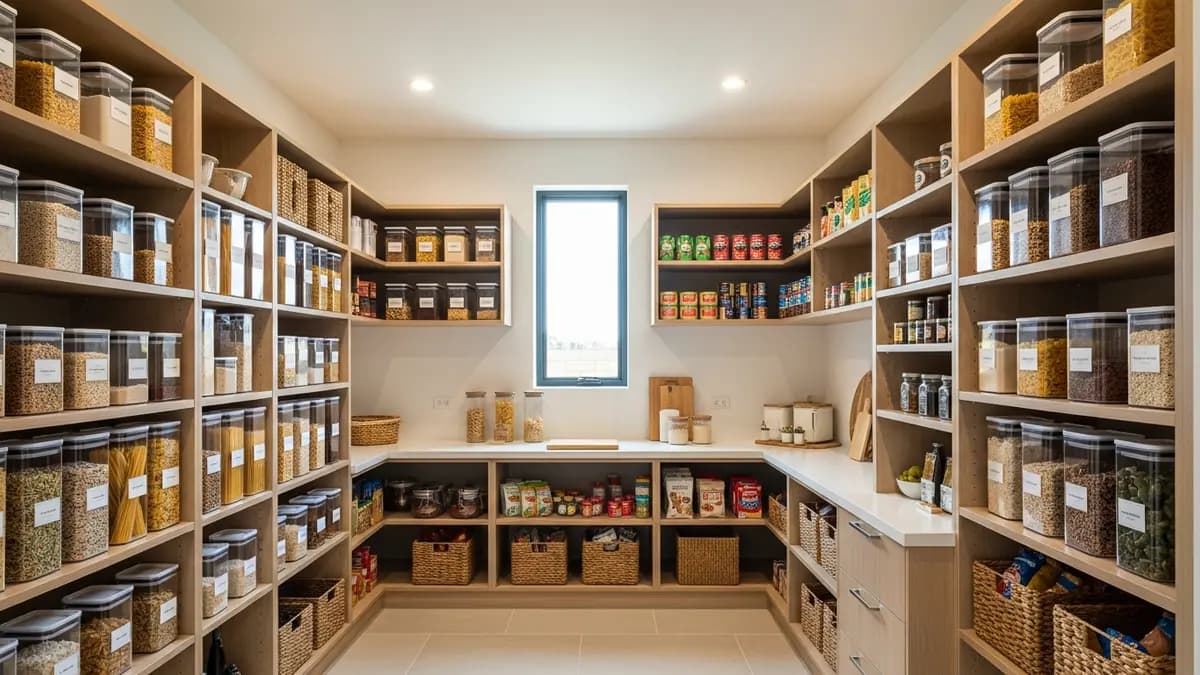
Your pantry is one of the areas most prone to chaos because it is constantly being added to and pulled from. Building a consistent pantry habit means treating your pantry like a small, personal grocery store where everything is always in stock, visible, and fresh.
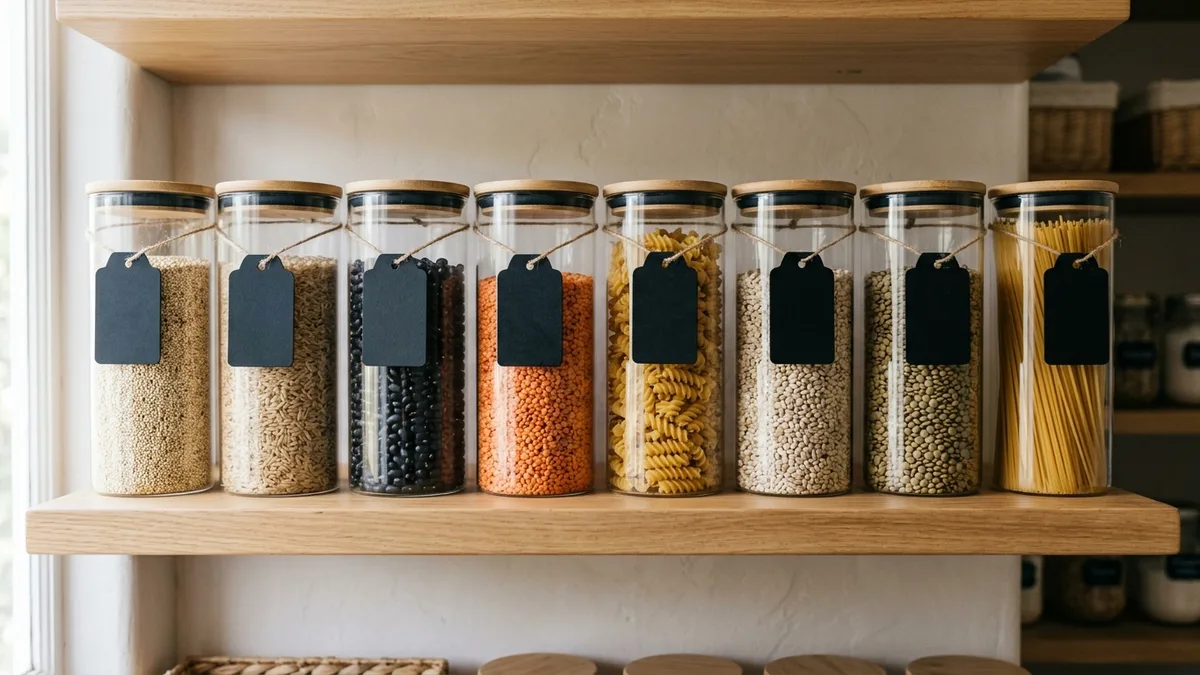
Here are the core components of a strong pantry lifestyle habit:
First In, First Out (FIFO)
This is the same rotation system professional kitchens use. When you bring new groceries home, push older items to the front and place new items behind them. This simple habit dramatically reduces food waste because older items always get used first. The USDA's food safety guidance recommends using dry pantry goods within their best-by dates, and FIFO rotation makes that almost effortless.
Decant Dry Goods into Airtight Containers
Flour, sugar, pasta, oats, rice, and similar staples stay fresher longer and are easier to measure when stored in clear airtight food storage containers rather than in their original packaging. Uniform containers also make pantry shelves look far more orderly and make it easy to see at a glance when you are running low.
Label Everything
Labels are not just decorative. When every container is labeled with both the contents and the date it was filled, you never have to guess what is in a jar or how old it is. A simple label maker or even a set of chalkboard labels and a white marker costs very little and saves significant mental energy over time.
Weekly Pantry Scan
Build a quick 5-minute pantry check into your weekly grocery routine. Before you write your shopping list, scan your pantry, fridge, and freezer. Note what is running low, what needs to be used soon, and what you do not actually need more of. This habit alone can significantly cut your weekly grocery bill by reducing duplicate purchases and food waste.
The After-Cooking Cleanup Habit: Small Actions, Big Results
One of the most common reasons kitchens spiral into disorder is the habit of leaving cleanup for later. After a long cooking session, it is tempting to leave the dishes, the splatters on the stovetop, and the cutting board on the counter and deal with it all at once later. The problem is that later almost never comes at the right time.
Building an after-cooking cleanup habit means making it part of the cooking process itself rather than a separate chore. Professional chefs call this concept mise en place, but it extends beyond prep to include cleanup throughout the process. Real Simple recommends building a kitchen cleaning schedule that includes wiping down surfaces immediately after cooking to prevent grease and residue from hardening.
Practical after-cooking cleanup habits include:
- Rinse dishes, pots, and pans immediately after use, before food has a chance to dry and stick
- Wipe the stovetop and counters while they are still warm, when residue is easiest to remove
- Load the dishwasher as you finish cooking rather than letting dishes pile up in the sink
- Return spices, oils, and condiments to their designated spots before sitting down to eat
- Put away any unused ingredients immediately rather than leaving them on the counter
This habit keeps your kitchen in a constant state of near-readiness, so that the next time you want to cook, you are stepping into a clean space rather than a battlefield of yesterday's dinner.
The Refrigerator Habit: Organize by Lifestyle, Not Just Space
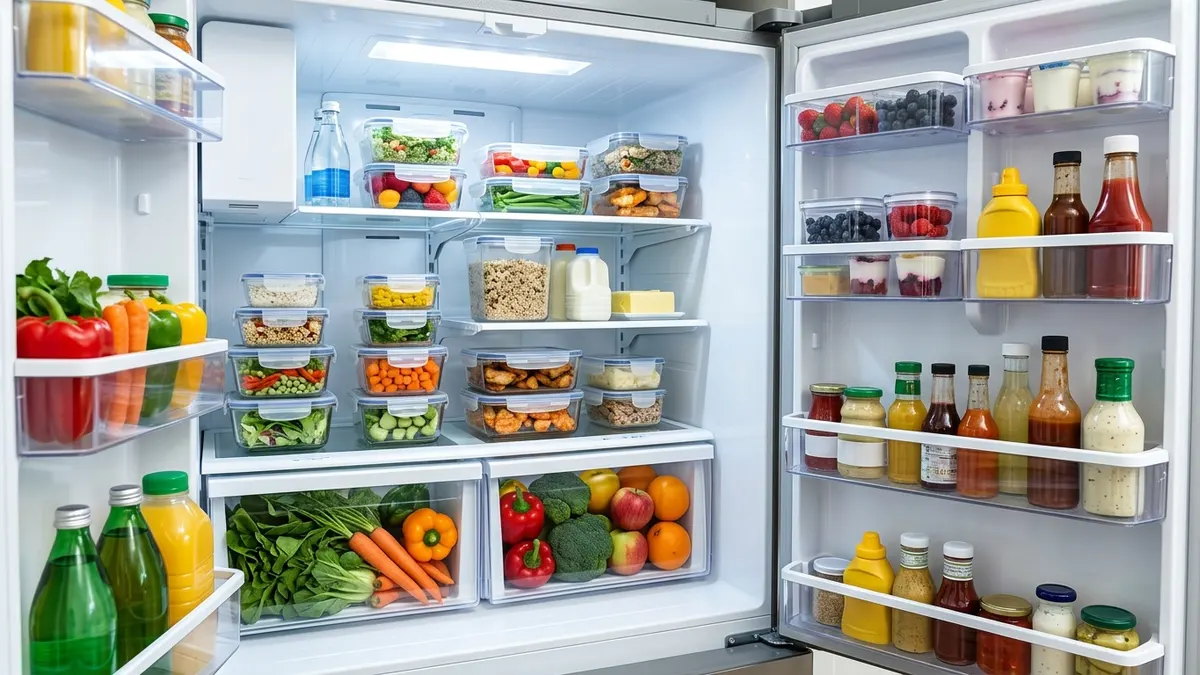
A well-organized refrigerator is not just visually satisfying. It is a genuine food safety practice. According to FoodSafety.gov, the proper refrigerator temperature to keep food safe is at or below 40 degrees Fahrenheit, and how you organize items within your fridge affects how well cold air circulates and how quickly you spot items that are going bad.
Build these refrigerator lifestyle habits into your weekly routine:
- Designate a "use first" zone: A specific shelf or bin where items that are close to their use-by date live prominently. Everything in this zone gets priority when planning meals.
- Store leftovers in clear containers at eye level: When leftovers are visible, you actually eat them. When they are buried in opaque containers at the back of the fridge, they get forgotten. Clear food storage containers with lids solve this problem immediately.
- Keep the fridge door reserved for condiments: The door is the warmest part of the refrigerator, so storing dairy, eggs, or fresh produce there is not ideal. Reserve it for condiments and beverages that are more temperature-tolerant.
- Do a weekly fridge audit: Before your grocery run, spend five minutes clearing out anything expired or spoiled. Wipe down a shelf if it needs it. This takes less time than most people think and makes a dramatic difference in how organized and hygienic your fridge stays.
For families with kids, a mini fridge organization system at their height can be a helpful way to give children access to healthy grab-and-go options without disrupting the main fridge zones.
The Grocery Habit: Bring Less In, Put Things Away Immediately
One habit that most kitchen organization guides skip is the grocery-to-home transition. How you handle groceries the moment you bring them home has a huge impact on how organized your kitchen stays throughout the week.
The most organized kitchens are not the ones with the most storage space. They are the ones where every item that comes through the door has a designated home waiting for it.
Build this grocery arrival habit:
- Unpack groceries immediately, never leave bags sitting on the counter or floor
- Decant items into pantry containers right away rather than putting original packaging on the shelf
- Apply the FIFO principle as you put things away
- Dispose of or recycle all grocery bags and packaging before walking away
- Note any items you bought too much of and adjust your shopping list for next time
This habit also helps you be more intentional at the store. When you know that every item you buy needs a home in your kitchen, you naturally become more selective about what you actually bring in. That mindfulness reduces impulse buys, duplicate purchases, and the general sense of pantry overwhelm that many households struggle with.
For more ideas on shopping smarter and storing better, check out our guide to food storage containers for pantry to find the right containers for every type of dry good.
The Weekly Kitchen Lifestyle Reset
Daily habits keep your kitchen functional. A weekly reset keeps it excellent. Inspired by the increasingly popular Sunday reset routine, a weekly kitchen reset is a 20 to 30 minute deep tidy that catches anything your daily habits missed and sets you up for a smooth week ahead.
This simple schedule shows how daily and weekly kitchen habits fit together without taking over your week.
| When | Kitchen habit | What it prevents |
|---|---|---|
| Every morning | Unload the dishwasher or drying rack | Dirty dishes piling up in the sink |
| After each meal | Clear and wipe the main counter | Sticky surfaces and clutter build-up |
| Before shopping | Check the pantry and fridge against your list | Duplicate purchases and forgotten food |
| Once a week | Clean out the fridge and reset zones | Expired items and lost leftovers |
| Once a month | Review tools and gadgets you have not used | Crowded drawers and cabinets |
A solid weekly kitchen reset includes:
- Clear and wipe every counter: Move everything off each counter section, wipe the surface thoroughly, and only put back items that truly belong there
- Audit the pantry and fridge: Remove anything expired, wipe down sticky spots, and rotate items using FIFO
- Clean the small appliances: Wipe down the toaster, coffee maker, air fryer, and any other countertop appliances that collect crumbs and residue
- Organize the spice and seasoning area: Check for any empties, refill containers, and make sure everything is in its designated spot
- Review the week's meals: Do a rough plan for the coming week based on what you already have in stock, which reduces waste and makes your daily cooking feel more intentional
- Clean and sanitize the sink: The kitchen sink harbors more bacteria than many people realize. The CDC recommends regular cleaning and sanitizing of high-contact surfaces, and the sink is one of the highest in any kitchen
The weekly reset transforms kitchen organization from a reactive scramble into a proactive lifestyle. You stop spending 20 minutes searching for a spice or cleaning up a forgotten mess from three days ago, and you start spending that time actually enjoying your kitchen.
How to Make Kitchen Lifestyle Habits Actually Stick
Building habits is a science, not just a matter of willpower. Research on habit formation, summarized by the National Institutes of Health, shows that linking a new behavior to an existing routine, a technique called habit stacking, is one of the most effective ways to make it stick.
Here is how to apply habit stacking to your kitchen lifestyle habits:
- After I start the coffee maker, I will unload the dishwasher (morning reset tied to an existing morning ritual)
- After I plate the food for dinner, I will put all the cooking tools in the sink to soak (after-cooking cleanup tied to an existing action)
- After I put away the last grocery bag, I will do a quick FIFO rotation in the pantry (grocery habit tied to the end of the unloading task)
- After I make my Sunday coffee, I will do my weekly kitchen reset (weekly reset tied to a pleasant weekend ritual)
The environment you create matters as much as the intention behind the habit. When your storage tools are intuitive and well-placed, the habit is easy to follow through on. Explore Sesoris kitchen organization products to find storage solutions that make putting things back in place feel like second nature rather than effort.
Related Products from Sesoris
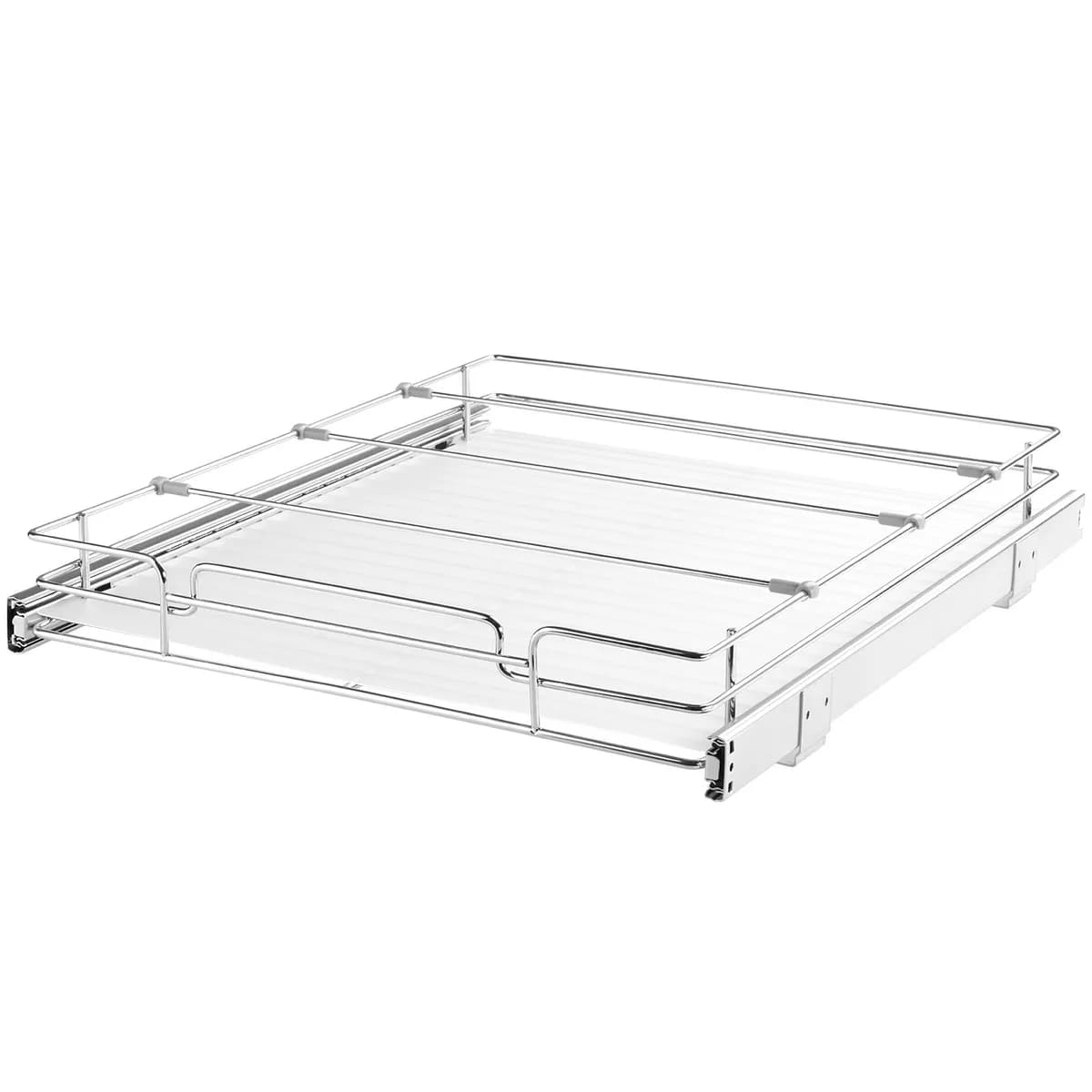
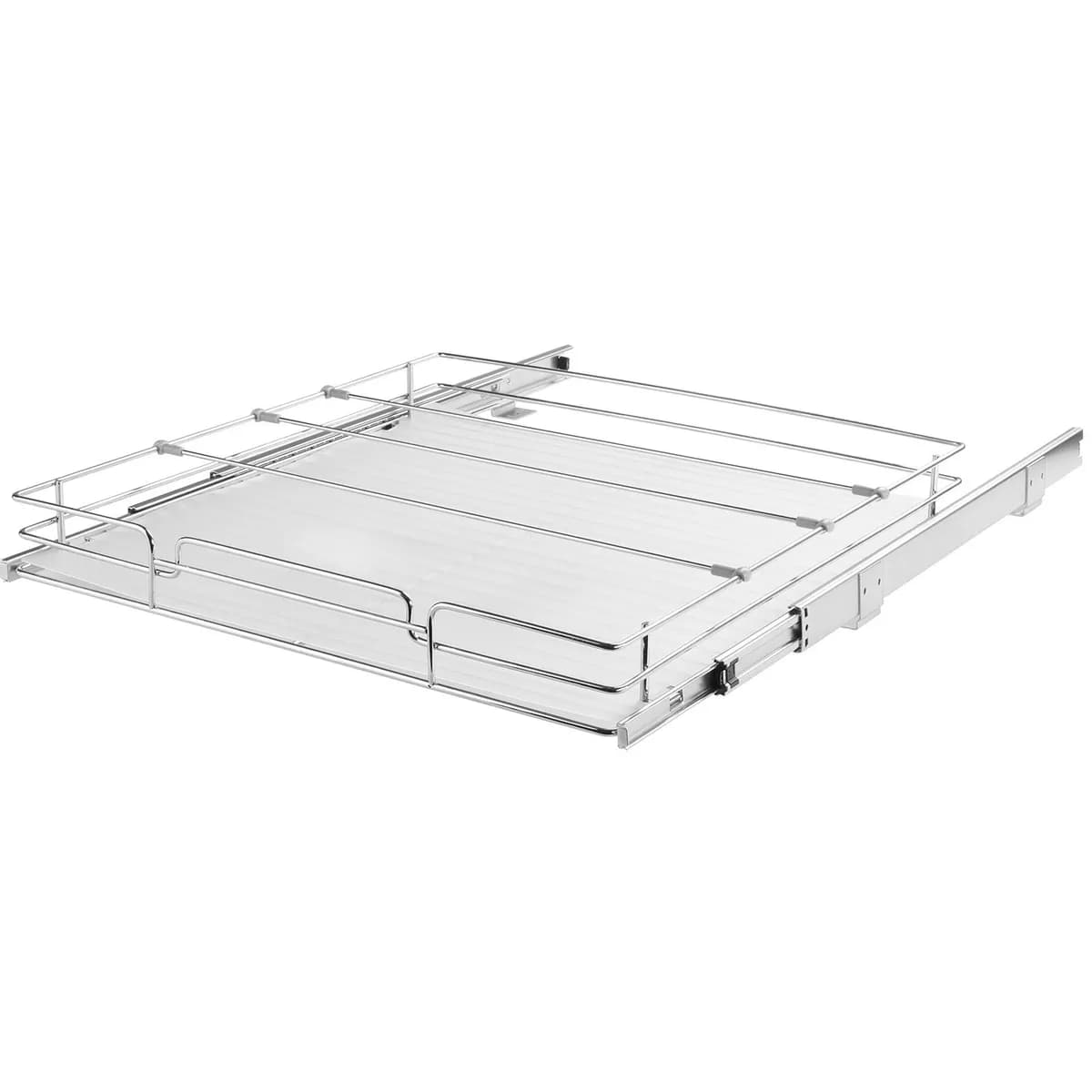
If you want to turn this guide into a real setup, start with Pull-Out Cabinet Organizer, 14 in. Wide and Over-the-Door Pantry Organizer, 8 Tier. For broader options, browse the Kitchen & Dining collection so the article journey does not stop at reading only.
Our practical rule: choose one product that solves the main clutter problem first, then add supporting organizers only when the daily workflow is already clear. This keeps the shopping path useful, not pushy.
FAQ: Kitchen Lifestyle Habits
Q: How long does it really take for a kitchen organization habit to become automatic?
Research cited by the NIH suggests that new habits take anywhere from 18 to 254 days to become automatic, with an average of around 66 days. The key is consistency in the early weeks. Start with just one or two habits and add more once those feel natural.
Q: What is the most important single kitchen habit to start with?
The morning reset is widely regarded as the highest-leverage habit because it compounds throughout the entire day. Starting with a clean kitchen makes every subsequent task easier and less stressful. Once the morning reset feels automatic, add the after-cooking cleanup habit next.
Q: Do I need to buy new containers and organizers to build better kitchen habits?
Not necessarily, but the right storage tools do make habits significantly easier to maintain. Clear airtight containers make pantry rotation and inventory obvious at a glance. Proper zones with dedicated organizers make returning items to their spots intuitive. Think of good storage as infrastructure that supports your habits rather than a replacement for them.
Q: How do I get other household members on board with kitchen organization habits?
Make the system visual and obvious. When zones are clearly defined and containers are labeled, other people can follow the system without needing to be taught every rule. Involving household members in setting up the system also increases buy-in. For families with children, Houzz recommends making storage solutions accessible and age-appropriate so kids can participate meaningfully.
Q: Is a zero waste kitchen approach compatible with these habits?
Absolutely. In fact, many of the habits in this guide, including FIFO rotation, weekly fridge audits, and mindful grocery planning, are core pillars of a zero waste kitchen practice. Reducing food waste and maintaining an organized kitchen are naturally aligned goals.
Q: How can I keep my kitchen counters clear every day?
Give every countertop item a reason to stay out. Keep only the tools you use daily on the counter, store the rest in cabinets or drawers near where you use them, and end each day with a quick counter reset.
Q: What is the easiest kitchen habit for beginners?
Emptying the dishwasher or drying rack first thing in the morning is a simple starting point. It makes room for the day's dishes, so they go straight in instead of piling up in the sink.
Q: How do I keep a small kitchen organized?
Use vertical space with wall rails, shelf risers, and door-mounted racks, and limit duplicates of tools and gadgets. Store rarely used appliances outside the kitchen if needed, and keep the busiest zones near the stove and sink.
Conclusion: Kitchen Lifestyle Habits Are the Foundation of a Home You Love
The kitchen is the heart of almost every American home. It is where meals are made, conversations happen, and daily rhythms play out. When kitchen lifestyle habits are strong, your cooking space feels like a place of creativity and nourishment rather than stress and clutter. In 2026, the most organized kitchens are not the biggest or the most expensively equipped. They are the ones where consistent, intentional daily habits make tidiness feel effortless.
Start small. Pick one habit from this guide and commit to it for four weeks. Then add another. Over time, these small daily actions compound into a kitchen that practically runs itself. And when you are ready to pair your new habits with storage tools that actually support them, explore the full range of home organization essentials at Sesoris to find products built for real American kitchens. Live more organized, one habit at a time.
Liked this guide?
Get new organizing guides and the occasional new product by email. No spam, unsubscribe anytime.
Related articles


Explore more articles
- 20+ Best Outdoor Plant Shelf Ideas to Elevate Your Patio & Garden in 2026
- Storage Bin Labels: The Complete 2026 Guide to a Perfectly Organized Home
- 25+ Best Under Bathroom Sink Organization Ideas to Maximize Every Inch in 2026
- 30+ Best Desk Setup Ideas to Build a Productive Workspace in 2026
- Home Organization Ideas for Small Spaces: 30+ Smart Solutions to Maximize Every Inch in 2026
- 35+ Best Bedroom Storage Ideas to Maximize Every Inch of Your Space in 2026
- 25+ Best Stationery Organizer Ideas to Transform Your Desk in 2026
- 3 Tier Spice Rack: Complete 2026 Buying Guide