
Floating Shelf TV Wall Ideas: 18 Layouts That Look Clean and Hold Up
Floating shelf TV wall ideas for every room size, plus layout plans, stud and anchor basics, cable hiding tips, and styling rules for a calm media wall.
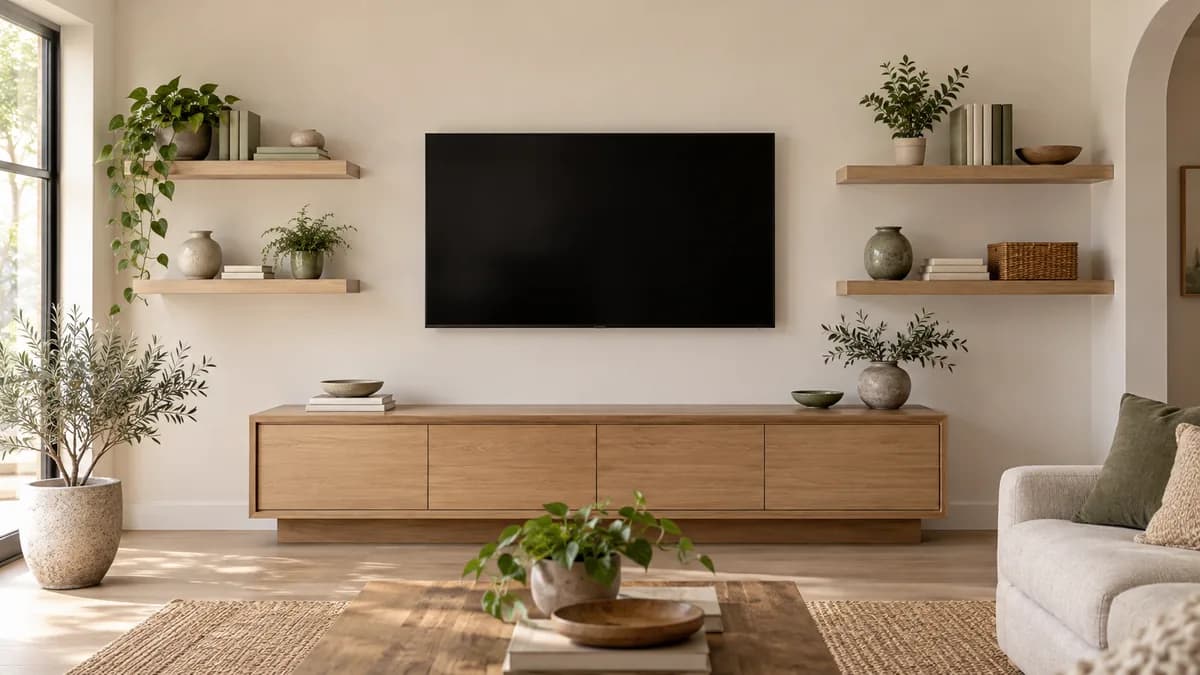
A TV usually ends up as the biggest dark rectangle in the living room, and everything around it tends to drift into a pile: remotes, game controllers, chargers, a stack of mail, a plant that never quite found its spot. Floating shelf TV wall ideas solve both problems at once. Shelves give the screen a frame so it reads as part of the room, and they give every small media item a home that is not the coffee table.
This guide walks through 18 layouts we like, from a single shelf under the screen to a full wraparound media wall. We also cover the practical side that most inspiration galleries skip: how to plan the layout before you drill, how to think about studs and anchors, how to hide cables safely, and how to style shelves so they look intentional instead of busy. If you want a broader look at shelves in every room, start with our floating shelf ideas guide and come back here for the TV wall.
Why Floating Shelves Work So Well Around a TV
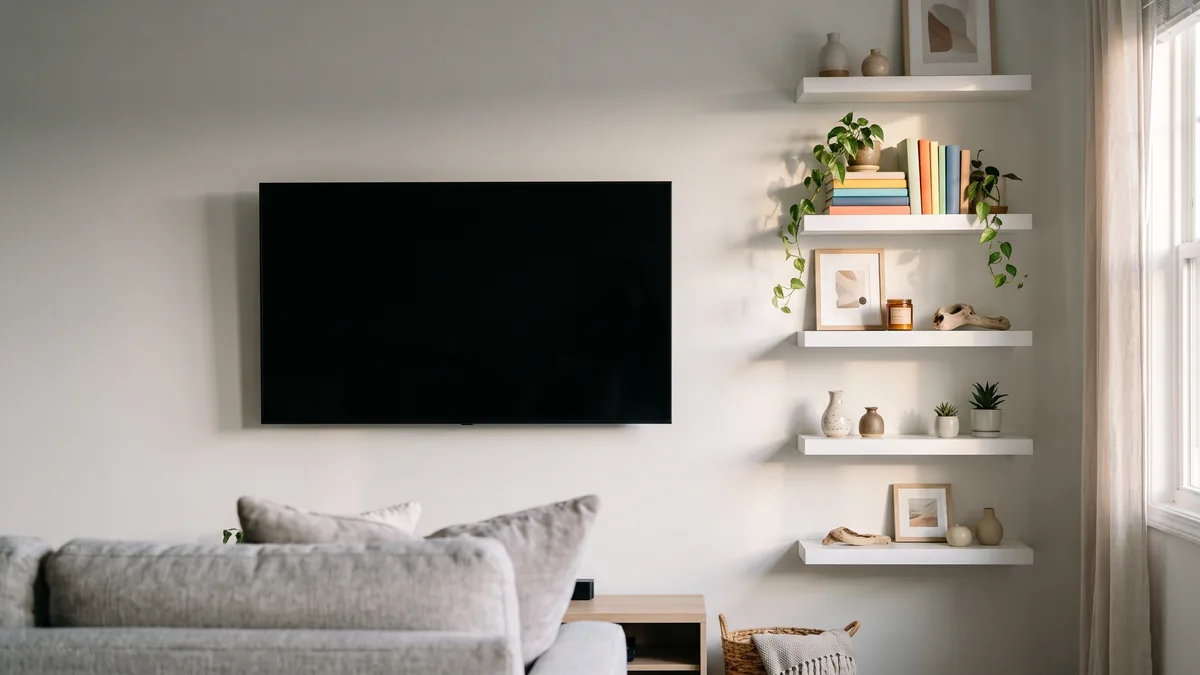
A floating shelf has no visible brackets, so it keeps the wall looking light. That matters next to a screen, because a TV already adds a lot of visual weight. Bulky cabinets or a tall bookcase beside it can make a living room feel crowded, while two or three slim shelves add storage without closing the space in.
Floating shelves also solve the most common TV wall annoyance: the small stuff. A streaming box, a game console, a soundbar remote and a charging cable all need to live near the screen. Without a plan, they end up on the floor or on top of the media console in a tangle. A shelf placed just below or beside the TV gives each item a fixed landing spot.
There is a design reason too. Shelves let you balance the screen with softer objects such as books, plants, baskets and a few framed prints, so the wall reads as a composition instead of a single black panel. Our living room shelving ideas cover more ways to use shelves as decor, and the same principles apply here: repetition, breathing room and a limited palette.
Finally, floating shelves are flexible. You can start with one shelf under the TV, live with it for a few weeks, and add more once you know what you actually need to store. That incremental approach is cheaper and far less likely to leave you with empty shelves you feel obliged to fill.
Plan the Wall Before You Pick a Layout
The best floating shelf TV wall starts on paper, not with a drill. Measure the full wall width and height, then mark where the TV is mounted or will be mounted, along with outlets, light switches, windows, vents and door swings. Those fixed points decide what is possible far more than any inspiration photo.
Next, decide what the shelves are for. A wall that needs to hold a console, a router and a dozen games needs deeper, sturdier shelves close to the screen. A wall that is mostly decorative can use thinner shelves spaced further apart. Writing down the list of items first keeps you from building a pretty wall that does not fit your gear.
Use painter's tape to outline the TV and each shelf on the wall at full size. Step back to the sofa and look at it from where you normally sit. Tape is free, and it is the easiest way to catch a shelf that sits too close to the screen, blocks a vent, or makes the whole arrangement feel lopsided.
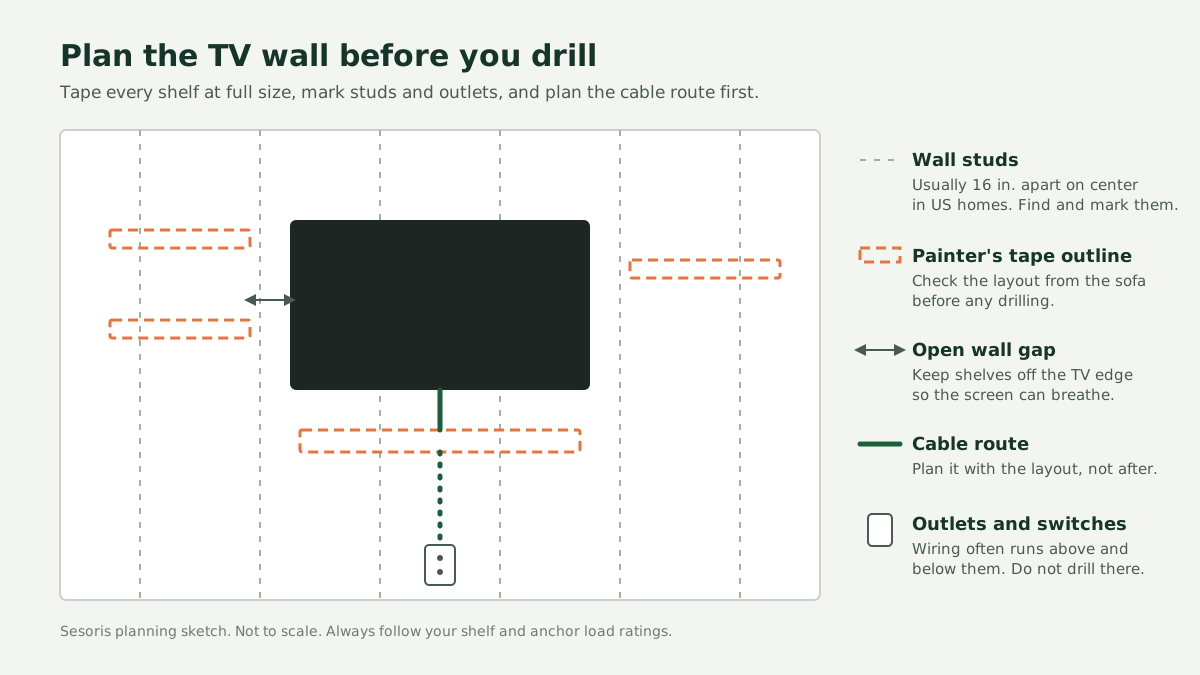
A few planning rules we use on almost every TV wall:
- Keep at least a hand's width of open wall between the TV edge and the nearest shelf, so the screen does not look boxed in.
- Line up at least one edge: the top of the shelves with the top of the TV, or the bottom shelf with the bottom of the screen. Alignment is what makes a wall look designed.
- Leave space for heat. Consoles and streaming boxes get warm, so do not stack them tightly under a closed shelf or right against the back of the TV.
- Plan the cable route at the same time as the layout, not afterward. It is much easier to place a shelf where a cable channel can reach it.
- Mark the studs before you settle on final positions, because shifting a shelf a few inches to hit a stud is usually worth it.
Layouts for Small and Medium TV Walls
Most American living rooms put the TV on a wall that also has to fit a console, a lamp or a window. These layouts work when you have limited width or want a quieter look.
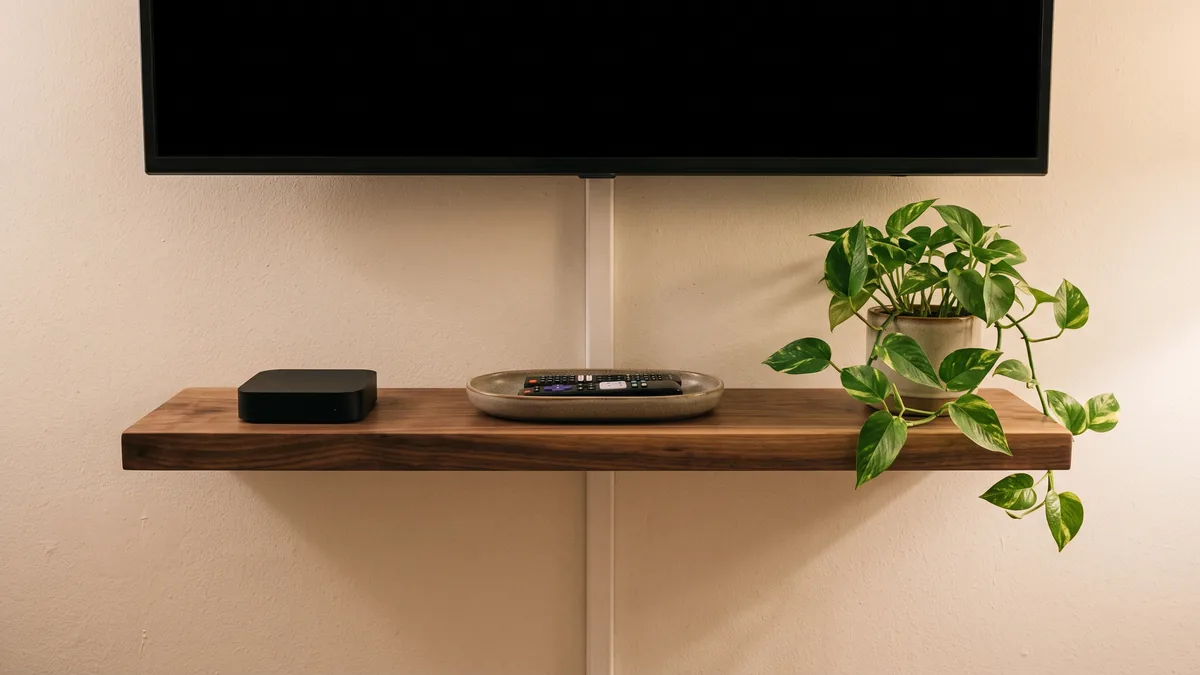
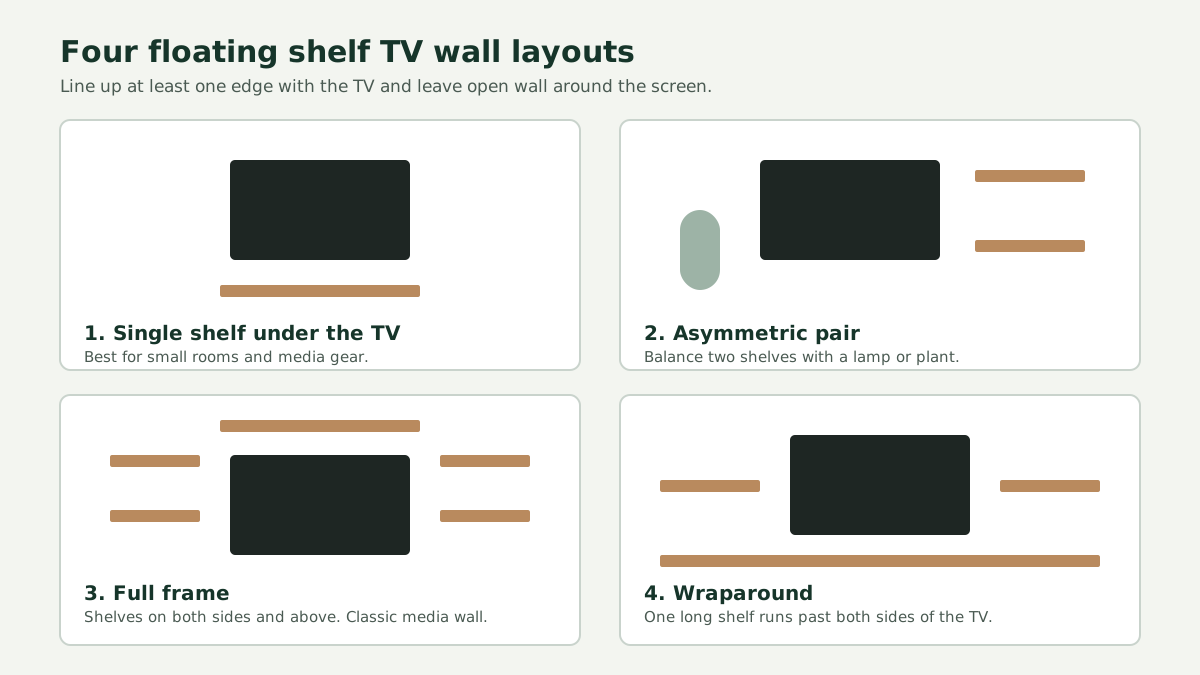
1. One long shelf under the TV. The simplest option and often the most useful. A single shelf about the width of the screen holds a streaming box, a small speaker and a tray for remotes. It also replaces a bulky media console in very small rooms.
2. Two short shelves on one side. An asymmetric pair beside the screen balances a lamp or tall plant on the opposite side. It is a good choice when one side of the TV is close to a window or corner.
3. Matching single shelves on both sides. A symmetrical layout feels calm and traditional. Keep the styling on both shelves similar in height and color, even if the objects are different.
4. A shelf above the TV. A high shelf is ideal for items you look at but rarely touch, such as framed photos, a row of books or trailing plants. It draws the eye up and makes a low ceiling feel taller.
5. A shelf under the TV plus a basket on the console. Pair one shelf for electronics with a lidded basket below for controllers and cables. Our comparison of lidded boxes and open baskets explains which works better for items you grab daily.
6. Corner shelves beside the screen. When the TV sits close to a corner, a short stack of corner shelves uses space that would otherwise stay empty and keeps the wall from feeling off center.
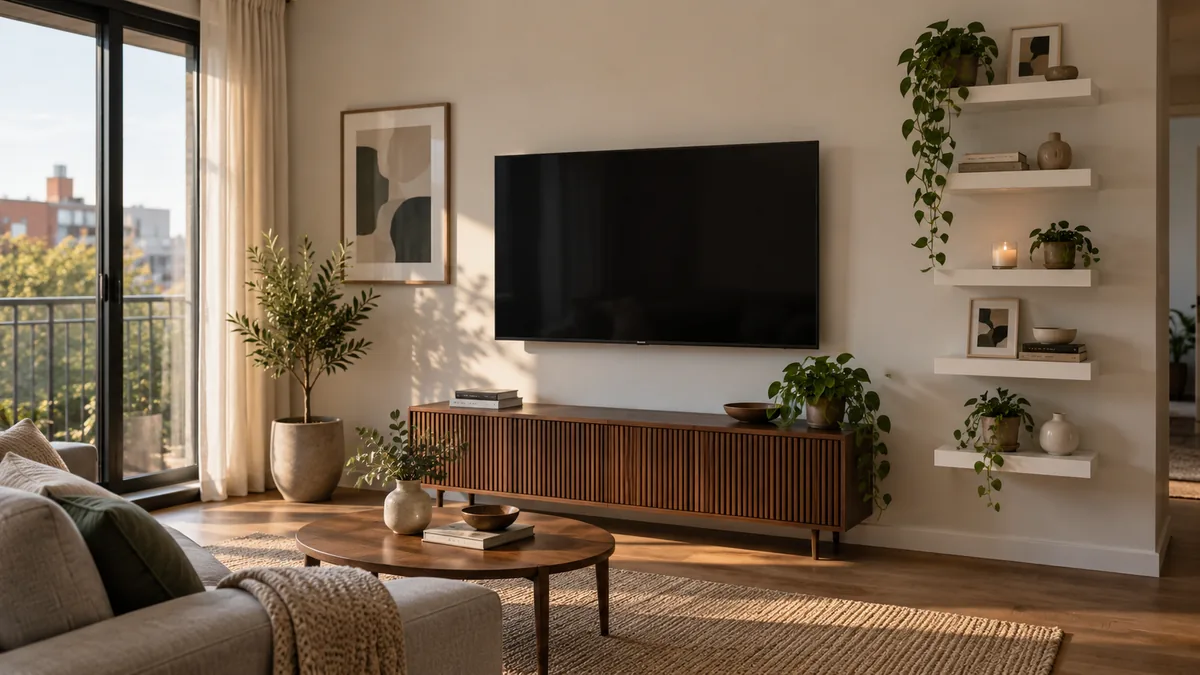
7. A staggered column. Five small shelves set in a zigzag pattern on one side add movement without taking much width. Keep the spacing even, or the pattern looks accidental.
8. A shelf that doubles as a soundbar ledge. If your soundbar is not wall mounted, a shelf directly under the TV can carry it. Check that the shelf depth fits the soundbar and that nothing blocks its speakers.
9. A floating shelf over a low credenza. In a small living room, a low cabinet plus one shelf above it gives closed storage for clutter and open storage for decor. Our small living room organization ideas show more ways to combine closed and open storage.
Statement Layouts for Large Media Walls
If the TV wall is wide or is the main focal point of an open-plan room, you can go bigger. These layouts work best when you are willing to keep the styling disciplined.
10. The full frame. Shelves on both sides plus one above the TV create a frame around the screen. This is the classic media wall look and it hides the TV best when it is off.
11. The wraparound. One long shelf runs under the TV and continues past both sides, sometimes turning a corner. It gives you a lot of surface for books and decor with a single clean line.
12. Stacked shelves to the ceiling on one side. A tall column of evenly spaced shelves turns one side of the wall into a library, while the other side stays open. Use the lower shelves for heavier books and the top shelves for light objects.
13. Floating shelves with backlighting. Shelves with a strip light along the underside or back edge give soft ambient light for movie nights. Plan an outlet or a hidden power route before you install.
14. A painted feature wall with shelves to match. Painting the wall a darker color and choosing shelves in the same color makes the TV almost disappear, because the black screen blends into the backdrop.
15. Mixed depths. Use deeper shelves near the floor for media gear and shallow shelves higher up for decor. It looks layered and keeps heavy items low, where they are easier to reach and safer.
16. Shelves inside a recessed niche. If you are building or renovating, a shallow niche around the TV with shelves set inside it creates a built-in look. Our guide to shelf in wall ideas explains when a recessed shelf makes sense.
17. Plant shelves. A few shelves dedicated to trailing plants soften a large wall. Our indoor plant wall shelf ideas cover light and watering basics so the plants actually thrive near a TV.
18. Gallery shelves. Narrow picture ledges beside the TV hold framed art you can swap with the seasons, with no new holes in the wall each time.
Studs, Anchors, and Load: The Safety Basics
A TV wall carries more weight than a typical decor shelf, so safety is not optional. In the United States and Canada, wall studs are usually placed 16 inches apart on center, and sometimes 12 or 24 inches, according to the Wikipedia overview of wall studs. That spacing affects where long shelves can be anchored securely.
Whenever possible, fasten the shelf bracket into at least one stud. Hollow wall anchors can work for light decor, but every anchor and every floating shelf bracket has its own load rating from its maker. Read that rating, stay well below it, and remember that books and media gear are heavier than they look.
Do not use the TV mount as a shelf support, and never hang a shelf from the TV itself. Keep the two systems separate so one cannot loosen the other. If your wall is plaster, brick or concrete, use fasteners made for that material and follow the shelf manufacturer's instructions.
Tip-over safety matters too, especially in homes with small children. The U.S. Consumer Product Safety Commission runs the Anchor It campaign to prevent injuries from TV and furniture tip-overs. If any part of your setup still relies on a TV stand or tall bookcase, anchor it to the wall.
The table below sums up which fastening approach suits which job. It is a general guide; your shelf and anchor packaging is the final word on load.
| Shelf use | Typical load | Best fastening approach |
|---|---|---|
| Decor only (frames, small plants) | Light | Rated hollow wall anchors or a stud |
| Books and decorative objects | Moderate to heavy | At least one stud, plus rated anchors |
| Streaming box, console, router | Moderate, with heat | Stud-mounted, with open airflow around devices |
| Soundbar ledge | Moderate | Stud-mounted, depth matched to the soundbar |
| Tall stacked column | Heavy overall | Every shelf into studs, heavier items low |
How to Hide Cables on a Floating Shelf TV Wall
Cables are what make a TV wall look unfinished. The goal is simple: no cords hanging between the screen and the shelves. There are three common ways to get there, from easiest to most involved.
The easiest option is a surface cable raceway, a slim channel that sticks or screws to the wall and can be painted to match. Run it straight down from the TV to the shelf or console so it reads as a clean vertical line. Our cable management ideas guide covers raceways, clips and ties in more detail.
The second option is to route low-voltage cables such as HDMI and network cables behind the wall using a recessed cable plate. Power is a different matter. Standard power cords are not designed to run inside a wall, so use an in-wall power kit made and rated for that purpose, and hire a licensed electrician if you are unsure.
The third option is to let the shelf do the work. Some floating shelves have a hollow body or a rear channel that hides cables running from one device to the next. Drill a discreet hole in the back of the shelf for cords, and use a small power strip tucked behind a basket.
Whichever route you pick, label both ends of each cable before you hide it. When you need to swap a device later, you will know exactly which cord is which. The same tips work on a desk, as our desk cable management ideas show.
Styling Rules That Keep the Wall Calm
A TV wall is the first thing people see when they sit down, so styling makes or breaks it. The aim is a wall that looks restful when the screen is off and does not distract when it is on.
These styling rules work for almost every layout:
- Leave about a third of each shelf empty. Open space is what makes a shelf look curated rather than cluttered.
- Group objects in odd numbers. Three items of different heights look more natural than two or four in a row.
- Repeat colors and materials. Pick two or three colors and repeat them across the wall, so the shelves read as one design.
- Keep the brightest items away from the screen. Shiny or brightly colored decor right beside the TV competes with the picture.
- Hide the small stuff. Remotes, chargers and controllers go in a tray, box or basket, never loose on the shelf.
- Rotate seasonally. Swap a few decor pieces each season instead of adding more. Our guide to decluttering home decor explains how to edit what you already own.
If you prefer a pared-back look, our minimalist shelf ideas show how few objects a shelf really needs. For families, a lidded basket on the lowest shelf works as quick hidden toy storage at the end of the day.
Materials and Finishes Compared
The shelf material changes both the look and how much the shelf can carry. Here is how the most common choices compare for a TV wall.
| Material | Look | Strength | Best for |
|---|---|---|---|
| Solid wood (oak, walnut, pine) | Warm, natural grain | Strong when stud-mounted | Books, mixed decor, media gear |
| Painted MDF | Smooth, matches the wall | Moderate, can sag over long spans | Decor shelves, painted feature walls |
| Metal (steel or aluminum) | Slim, modern | Strong in thin profiles | Minimalist walls, heavier small items |
| Glass | Light, almost invisible | Lower, check ratings closely | Small decor in low-traffic rooms |
| Reclaimed or rustic wood | Textured, characterful | Varies by board | Farmhouse and eclectic rooms |
Wood matched to a nearby piece, such as the media console or floor, ties the wall to the room. Painted shelves in the wall color nearly disappear, which suits small rooms. If you are building your own, our guide to DIY shelf brackets and our DIY wall shelf ideas cover materials and hardware in detail.
Step-by-Step: Installing Shelves Around a Mounted TV
If the TV is already on the wall, follow this order so the shelves line up with it. Always follow the specific instructions that come with your shelf and hardware.
- Measure and tape. Mark each shelf on the wall with painter's tape and check the layout from your seat.
- Find and mark the studs. Use a stud finder and confirm with a small test hole hidden behind where the shelf will sit.
- Check for hidden hazards. Avoid drilling directly above or below outlets and switches, where wiring usually runs.
- Level the first bracket. Start with the shelf that aligns with the TV, since every other shelf takes its position from it.
- Fasten into studs first. Drive the stud screws, then add any rated anchors the hardware requires.
- Slide on the shelf and check level again. Small errors are easy to see next to the straight edge of a TV.
- Install the remaining shelves. Measure from the first shelf rather than from the ceiling or floor, which are rarely perfectly level.
- Route cables and load gradually. Hide cables, place heavier items first, and watch for any movement before adding decor.
Related Products from Sesoris
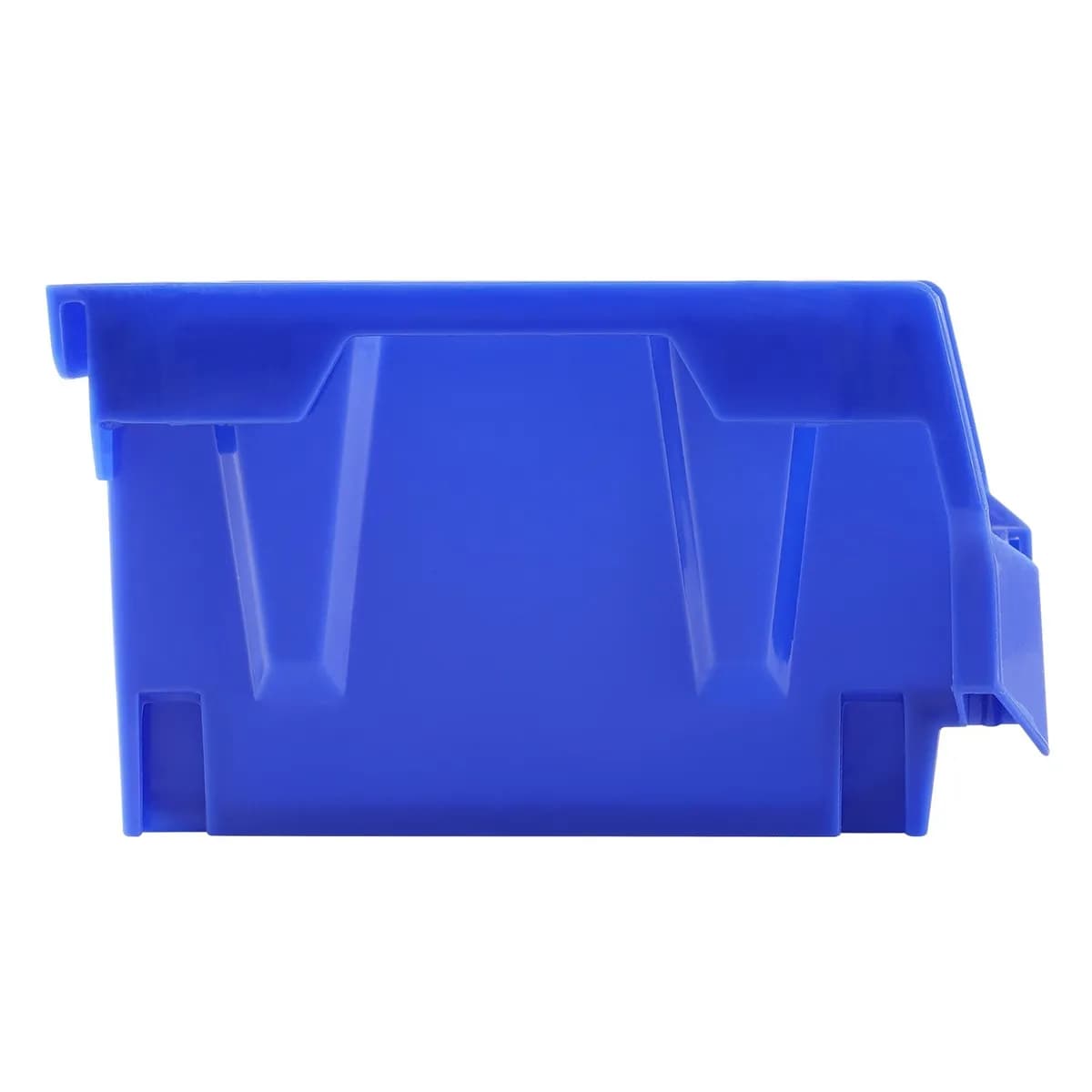
If you want to turn this guide into a real setup, start with Stackable Storage Bins, 24 Pack for corralling cables, controllers and spare remotes out of sight. For broader options, browse the Home & Decor collection so the article journey does not stop at reading only.
Our practical rule: choose one product that solves the main clutter problem first, then add supporting organizers only when the daily workflow is already clear. This keeps the shopping path useful, not pushy.
Frequently Asked Questions About floating shelf tv wall ideas
Q: How far should floating shelves be from a TV?
Leave enough open wall between the screen edge and the nearest shelf that the TV does not look boxed in, roughly a hand's width or more. Tape the layout on the wall first and judge it from your seat. Shelves that sit too close also make it harder to reach cables and devices behind the TV.
Q: Can floating shelves hold a cable box or game console?
Yes, as long as the shelf is deep enough and fastened into studs, and the load stays well within the shelf maker's rating. Leave open space around the device so it can release heat. Avoid stacking electronics tightly on top of each other or tucking them into a fully enclosed space.
Q: Should shelves go above or below the TV?
Below the TV is the most practical spot for media gear, because cables are shorter and devices are easy to reach. Above the TV works best for decor you look at but rarely touch, like framed photos or trailing plants. Many walls use both: one practical shelf below and one decorative shelf above.
Q: How do I hide cords with floating shelves around a TV?
The simplest method is a paintable surface raceway running straight down from the TV to the shelf. Low-voltage cables can go behind the wall through a recessed cable plate. Power cords should only run inside a wall with a kit rated for that purpose, so call a licensed electrician if you are unsure.
Q: Do floating shelves need to go into studs?
Shelves that carry books, electronics or a soundbar should be fastened into at least one stud. In the United States, studs are usually 16 inches apart on center. Very light decor shelves can sometimes use rated hollow wall anchors, but always follow the load rating printed on the hardware packaging.
Q: What is the best shelf material for a TV wall?
Solid wood is the most versatile choice because it is strong and looks warm next to a dark screen. Painted MDF suits shelves meant to blend into the wall, while metal shelves give a slim, modern profile. Glass shelves look light but usually carry less, so keep them for small decor items.
Q: How do I style floating shelves next to a TV without clutter?
Leave about a third of each shelf empty, group objects in odd numbers, and repeat two or three colors across the wall. Put remotes and chargers in a tray or basket instead of leaving them loose. Keep shiny or brightly colored pieces away from the screen so they do not compete with the picture.
Q: Are floating shelves safe in a home with young kids?
They can be, if they are securely fastened, mounted high enough that children cannot climb or pull on them, and loaded with heavier items on the lower, stud-mounted shelves. Any TV stand or tall furniture in the same area should be anchored to the wall, as the CPSC Anchor It campaign recommends.
Conclusion: Build the Wall Around How You Watch
The most successful floating shelf TV wall ideas start with a list of what you need to store, a taped outline on the wall, and studs marked before the drill comes out. From there, the layout is a matter of taste: a single shelf under the screen for a small room, or a full frame or wraparound when the TV wall is the room's main feature.
Keep cables hidden, keep heavy items low and stud-mounted, and leave open space on every shelf. Do that, and your TV wall will look calm when the screen is off and stay organized for years. For more ideas across the rest of the room, see our living room storage ideas and home organization ideas for small spaces.
Liked this guide?
Get new organizing guides and the occasional new product by email. No spam, unsubscribe anytime.
Related articles

Explore more articles
- 40+ Best Home Storage Ideas to Organize Every Room in 2026
- 30+ Best Fridge Organization Ideas to Transform Your Kitchen Storage in 2026
- Capsule Wardrobe Men: The Ultimate 2026 Guide to a Stylish, Minimal Closet
- 25+ Best Indoor Plant Shelf Ideas to Greenify Your Home in 2026
- 20+ Best Shoe Storage Cabinet Ideas to Transform Your Home Organization in 2026
- 40+ Best Kitchen Decor Inspiration Ideas to Transform Your Cooking Space in 2026
- Simple Kitchen Decor Ideas: 25+ Easy Looks for 2026
- Minimalist Kitchen Organization: 2026 Guide