
How to Choose and Install Shelf on Wall Ideas That Actually Work in 2026
Explore practical shelf on wall ideas for every room in 2026. Learn how to choose, install, and style wall shelves that maximize storage and look great.
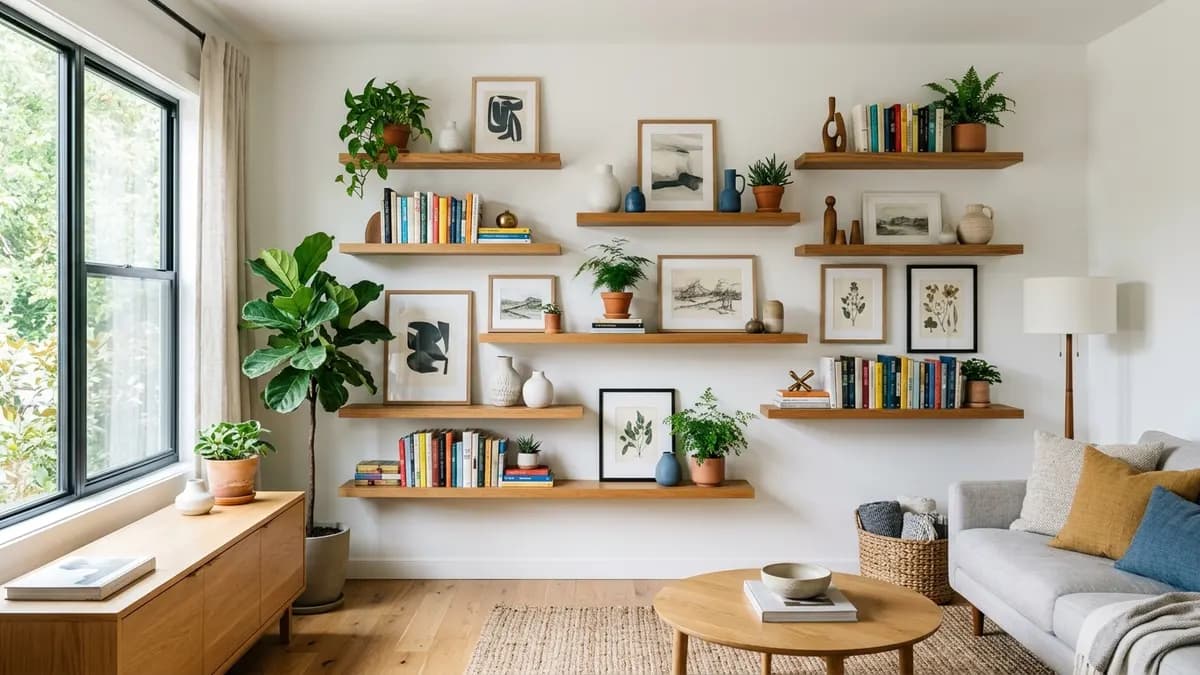
If you have been scrolling through Pinterest or walking through a well-styled home and thought, 'I need more storage but I cannot sacrifice floor space,' you are not alone. Shelf on wall ideas are one of the most searched home organization topics in 2026, and for good reason. Wall-mounted shelving solves a genuine problem: it uses vertical space that most rooms already have but almost nobody takes advantage of. Whether you are outfitting a tiny apartment, a growing family home, or a dedicated home office, knowing how to choose, install, and style wall shelves can completely transform the way a room feels and functions. This guide focuses on the practical side, covering what to look for in wall shelf hardware, how to install shelves correctly, and how to match shelf styles to specific rooms. The goal is to help you make decisions grounded in real specifications and tested installation methods, not just aesthetic inspiration.
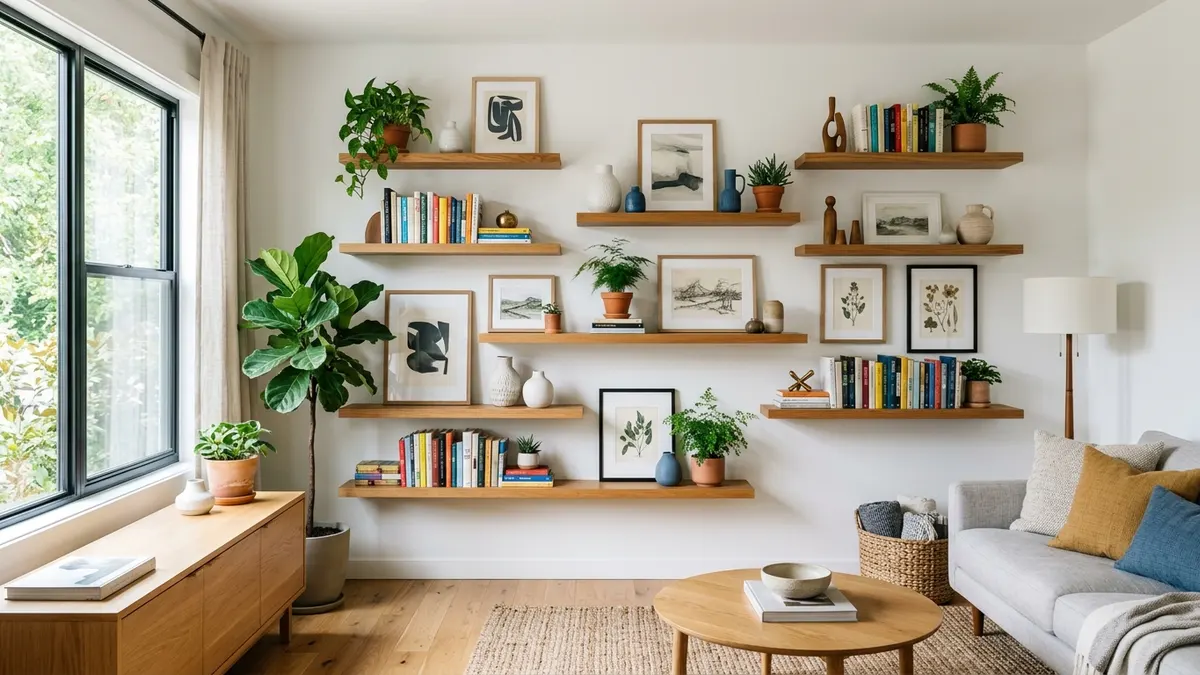
Why Wall Shelves Beat Floor Storage in Most Rooms
Before diving into specific shelf on wall ideas, it helps to understand the structural logic behind why wall-mounted shelves work so well. The square footage of a typical US home has not grown dramatically in recent decades, but the amount of stuff the average household manages certainly has. According to The Spruce, vertical storage is one of the most underused strategies in residential organization, particularly in kitchens, bathrooms, and home offices.
Wall shelves work for several practical reasons:
- They free up floor space, which makes rooms easier to clean and visually less cluttered.
- They put everyday items at eye level or arm's reach, reducing the time you spend searching for things.
- They allow you to organize by zone, grouping related items together on dedicated shelf sections.
- They can be repositioned or removed without major renovation if your needs change.
- They work in rooms where freestanding furniture simply does not fit, such as above a toilet, beside a doorframe, or along a narrow hallway wall.
The key caveat is that wall shelves only deliver on these benefits when they are properly sized, correctly installed, and kept organized. A shelf that sags, pulls away from the wall, or becomes a dumping ground for random items defeats the purpose entirely.
Understanding Wall Types Before You Install Any Shelf on the Wall
This is the step most DIY guides skip, and it is the one that causes the most problems. The type of wall you are working with determines which hardware you need, how much weight your shelf can safely hold, and whether a standard drill will even do the job.
Drywall with Wood Studs
This is the most common wall type in US homes built after the 1950s. Wood studs run vertically behind the drywall, typically spaced 16 inches apart (though 24-inch spacing is also common in newer construction). A shelf bracket screwed directly into a stud can support significant weight, often 50 pounds or more per bracket depending on the screw size and bracket design. Use a stud finder before you mark anything. A good stud finder costs under $20 at any hardware store and will save you from the frustration of anchoring into nothing.
Plaster Walls
Older homes, particularly those built before the 1950s, often have plaster over wood lath rather than drywall. Plaster is harder and more brittle than drywall, and it requires carbide-tipped drill bits. Studs behind plaster walls are still your best anchor point. Avoid toggle bolts in plaster if you can, since the vibration from drilling can crack the plaster around the hole.
Concrete or Brick
Basements, loft apartments, and some exterior walls may be concrete or brick. These walls are extremely strong anchor points, but you will need a hammer drill and masonry bits, plus concrete anchors or sleeve anchors rated for the load you plan to put on the shelf. Never use standard drywall anchors in concrete.
Hollow Core Doors and Thin Partition Walls
Some interior partition walls, especially in apartments, are very thin or hollow. If you cannot locate a stud and the wall sounds hollow when you knock, use heavy-duty toggle anchors rated for at least twice the weight you plan to hang. These expand behind the drywall and distribute the load across a wider surface area.
Choosing the Right Shelf for Each Room
Not every shelf works in every room. The material, depth, and bracket system you choose should match the function of the space and the load the shelf will carry.
Kitchen Wall Shelf Ideas
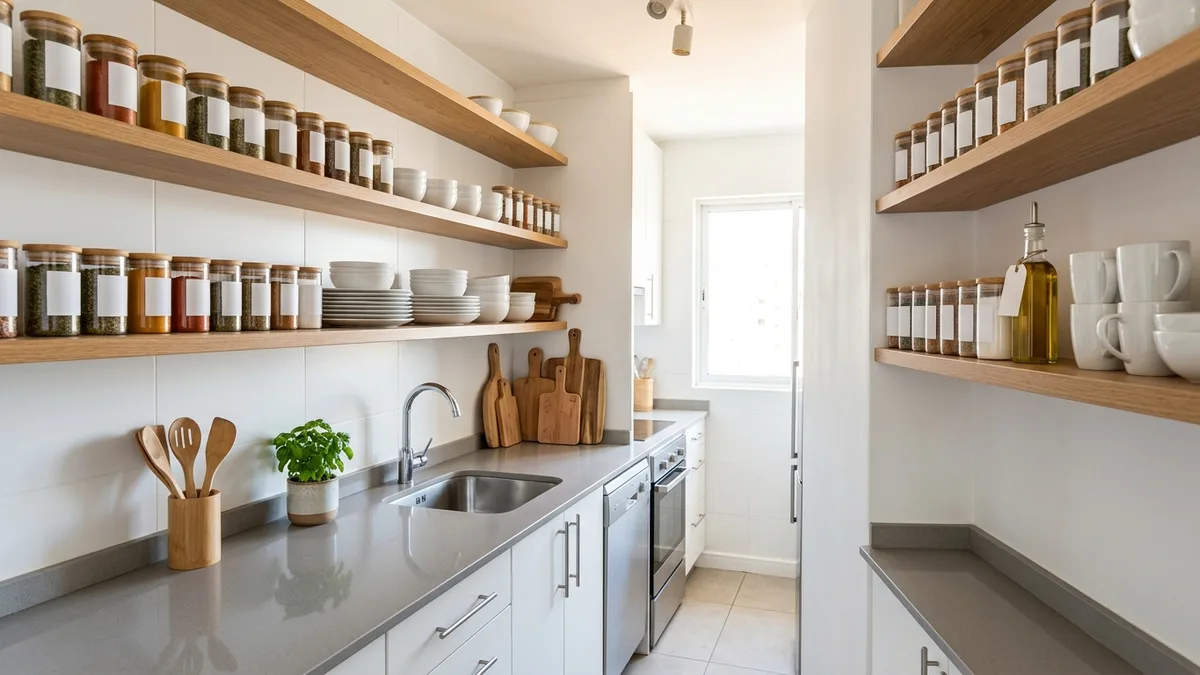
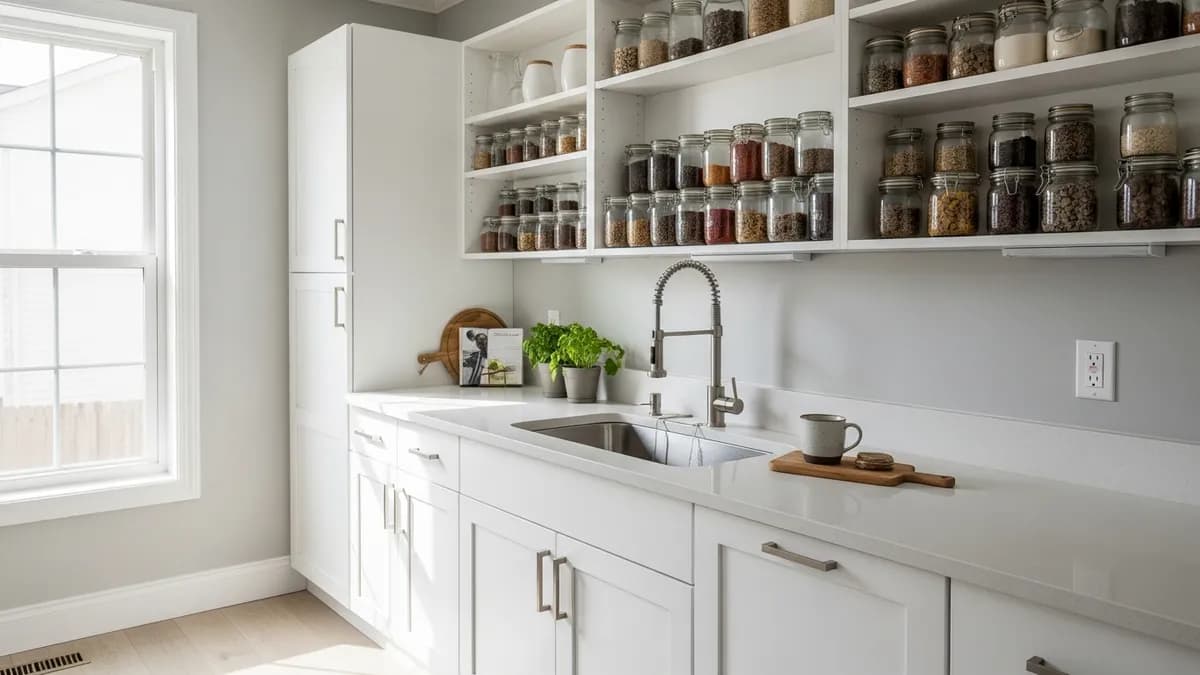
Kitchens benefit most from shelves that can handle both moisture and weight. Open shelving above countertops is one of the most popular shelf on wall ideas in 2026 kitchen design, but it requires discipline because everything on the shelf is visible. According to Houzz, open kitchen shelving works best when you limit the items displayed to things you use daily and replace regularly.
For kitchen shelves, look for:
- A shelf depth of 10 to 12 inches for dishes and cookbooks.
- A shelf depth of 6 to 8 inches for spice storage and small jars.
- Sealed or painted wood, powder-coated steel, or solid hardwood that can tolerate grease and humidity.
- Brackets rated for at least 50 pounds if you plan to store ceramic or cast iron items.
Pair your kitchen wall shelves with pantry storage ideas to keep your countertops clear and your cooking zone functional.
Living Room Wall Shelf Ideas
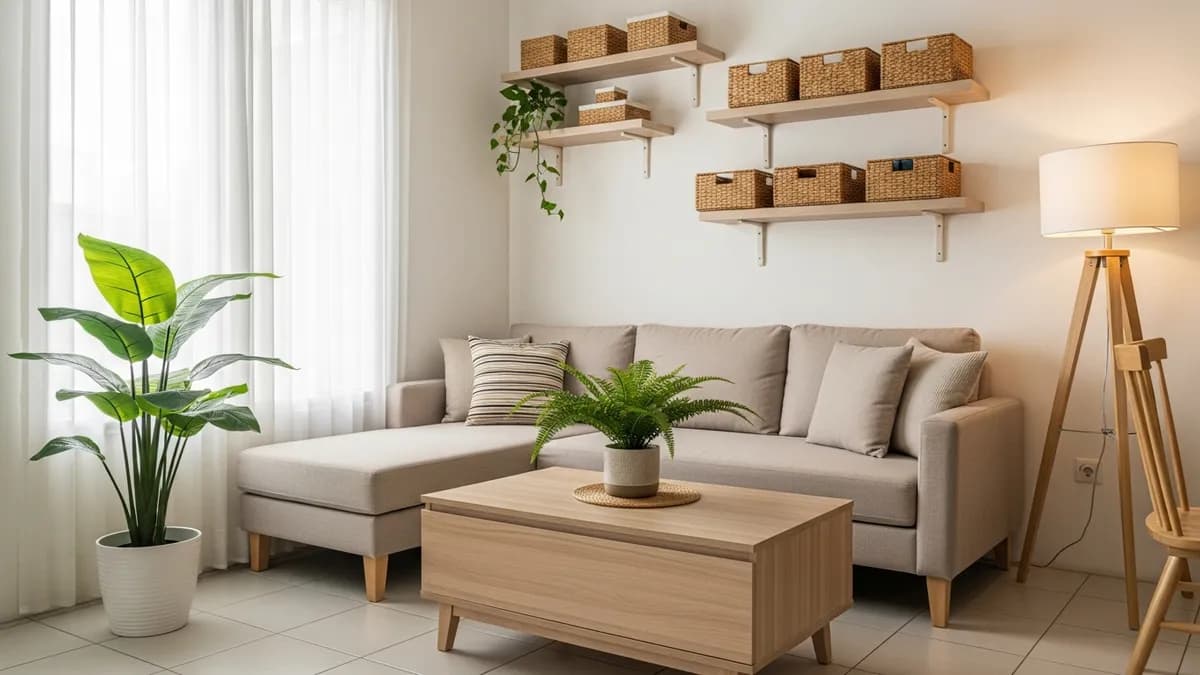
In the living room, shelves do double duty as storage and decor. The most effective living room shelf setups combine books and media with small decorative objects, plants, and framed photos. A staggered arrangement of shelves at different heights is more visually interesting than a single row at one fixed level.
For living room shelves, consider:
- Floating shelves with concealed brackets for a clean, modern look.
- Shelves at least 8 inches deep to accommodate standard paperback and hardcover books.
- A mix of shelf lengths: one or two longer shelves (36 to 48 inches) anchored into studs, flanked by shorter accent shelves.
- Shelves positioned above sofas or media consoles to draw the eye upward and make ceilings feel taller.
You can find more styling direction in our guide to wall shelf ideas for living room.
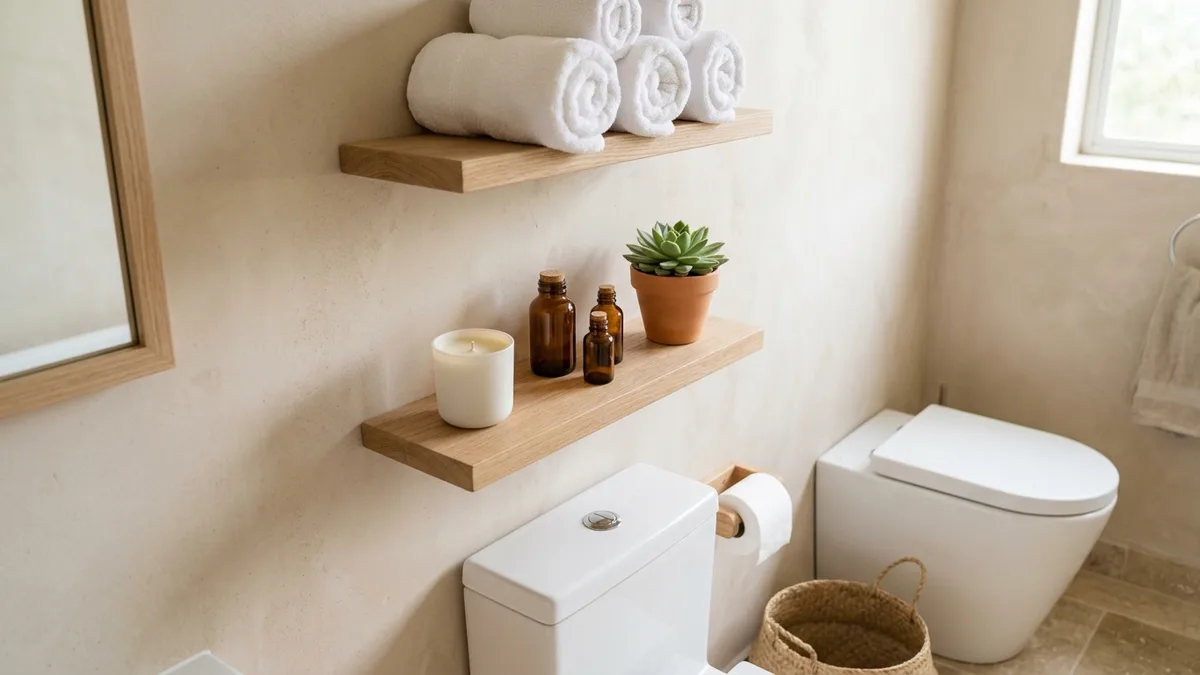
Bathroom Wall Shelf Ideas
Bathrooms present a moisture challenge. Any shelf you install near a shower or above a sink will be exposed to steam and humidity regularly, which rules out unsealed wood and particleboard. Powder-coated steel, teak, and solid bamboo are all better choices for bathroom environments.
Common bathroom wall shelf configurations include:
- Narrow floating shelves (4 to 6 inches deep) above the toilet for toiletry storage.
- Corner shelves in the shower for shampoo, soap, and razors.
- A single long shelf above the vanity mirror for candles, small baskets, and decorative items.
For a full breakdown of bathroom shelf strategies, visit our bathroom wall shelf ideas guide.
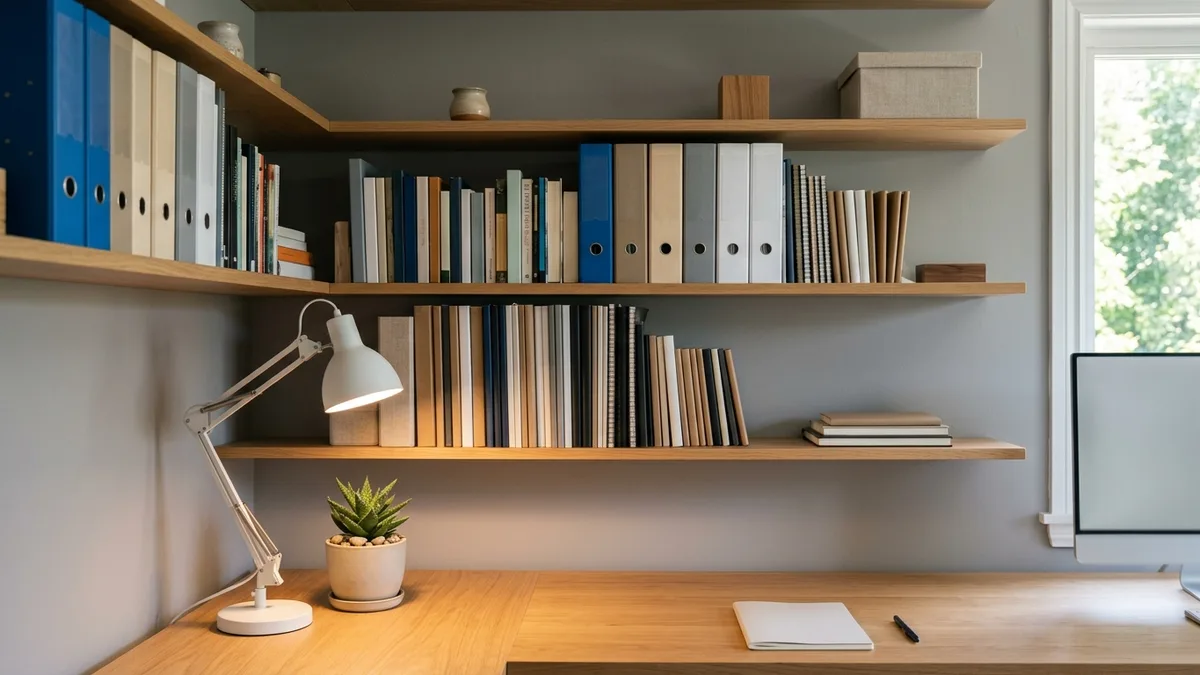
Home Office Wall Shelf Ideas
A home office shelf system needs to be functional first. Binders, books, and equipment can be heavy, so load capacity matters more here than in a bedroom or living room. Consider installing an adjustable shelf track system rather than fixed floating shelves. This lets you move shelves up or down as your storage needs change without re-drilling the wall.
Key specs for home office shelves:
- Shelf depth of 10 to 12 inches to accommodate standard three-ring binders and reference books.
- Adjustable shelf track systems with slots every inch for maximum flexibility.
- At least two bracket screws per bracket going directly into studs for any shelf holding computer equipment.
Pair your office shelves with a solid desk organization setup to maximize your workspace efficiency.
A Practical Shelf on Wall Installation Guide
Once you have chosen your shelf style and confirmed your wall type, installation is a straightforward process if you take it step by step. Rushing the layout stage is the most common mistake people make.
Step 1: Plan Your Layout on Paper First
Measure the wall space you are working with and sketch it out. Note the height of any windows, doors, or light switches. Mark where you want each shelf to go, including the shelf height from the floor and the spacing between shelves if you are installing multiple rows.
A standard guideline from Good Housekeeping: leave at least 12 inches of vertical clearance between shelves if you are storing upright books, and at least 8 inches if the shelf is for decorative items or small bottles.
Step 2: Locate Your Studs
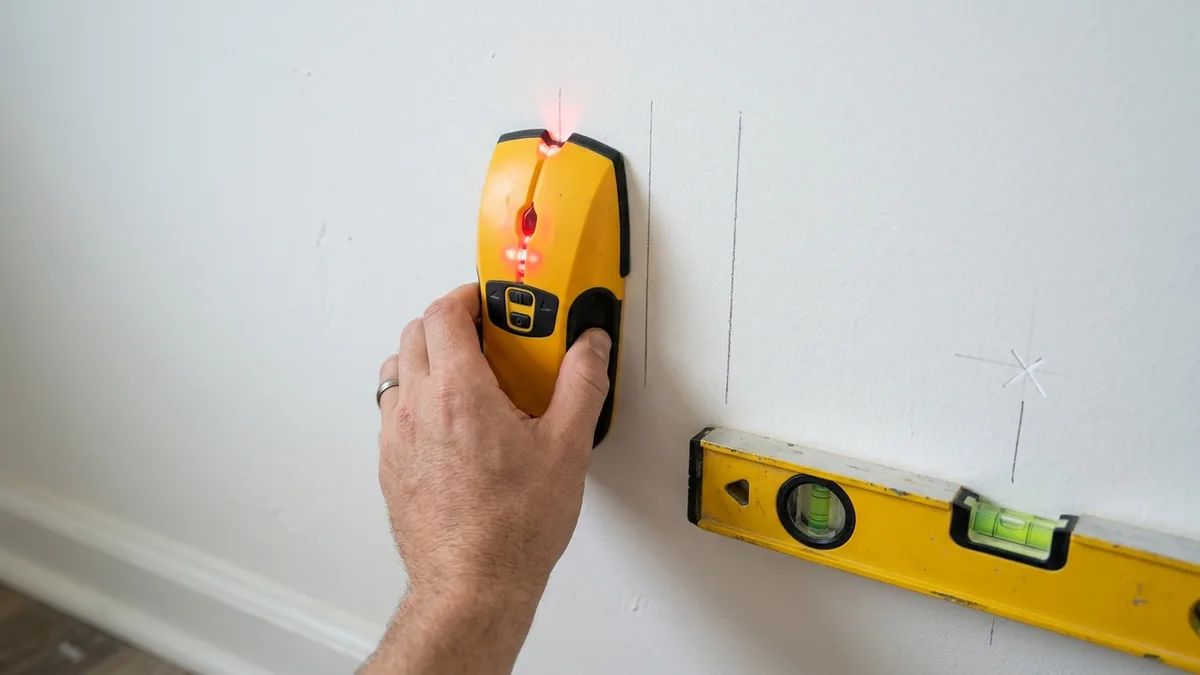
Run your stud finder along the wall at the height where your bracket screws will go. Mark each stud with a light pencil mark. If your shelf brackets fall between studs, you will need drywall anchors rated for the load you plan to carry.
Step 3: Mark Bracket Positions and Check for Level
Hold your bracket against the wall at the correct height and mark the screw holes. Before drilling, use a level to confirm the bracket is straight. Even a small angle becomes obvious once the shelf is loaded with books or items.
For a multi-bracket shelf, mark one bracket first, then use a long level or laser level to transfer the height to the second bracket position. This is much more reliable than measuring up from the floor at two separate points, since floors are rarely perfectly level.
Step 4: Drill and Secure
Drill pilot holes at your marked positions. For stud mounting, a pilot hole about 1/8 inch in diameter prevents the wood stud from splitting. Drive your screws through the bracket holes and into the stud. For drywall anchor installation, follow the manufacturer's instructions for the specific anchor type you are using.
Step 5: Place the Shelf and Test the Load
Set the shelf on the brackets and check again that it is level with a small level placed on top of the shelf itself. Before loading it with all your items, apply a moderate test load: press down on the center of the shelf with your body weight for a few seconds. A properly installed shelf should not flex or creak.
Shelf on Wall Ideas by Style and Material
Beyond function, the visual style of your wall shelf affects the overall feel of the room. Here is a quick breakdown of the most popular shelf styles in 2026 and what they work best for.
Floating Shelves
Floating shelves use a concealed mounting system, typically a metal rod or channel that slides into a hollow shelf board, so there are no visible brackets. They look clean and modern and work in nearly every room. The trade-off is that they are harder to install perfectly level and are generally limited to lighter loads unless the mounting rod is anchored directly into studs.
Best for: Living rooms, bedrooms, entryways, and anywhere aesthetics are a priority.
Open Steel Industrial Shelves
Pipe-and-flange bracket systems using black steel pipe have remained popular because they are strong, affordable, and visually interesting. A standard 3/4-inch black iron pipe flange screwed into a stud can support well over 100 pounds. The industrial look pairs well with reclaimed wood shelf boards.
Best for: Kitchens, home offices, garages, and spaces with a modern-industrial or farmhouse aesthetic.
Adjustable Track Shelving
Track systems use vertical metal tracks screwed into the wall, with bracket clips that slot in at any height. This is the most functional option for spaces where your storage needs change regularly, like a pantry, laundry room, or closet wall.
Best for: Pantries, laundry rooms, garages, and home offices.
Related reading: storage shelving ideas for every room
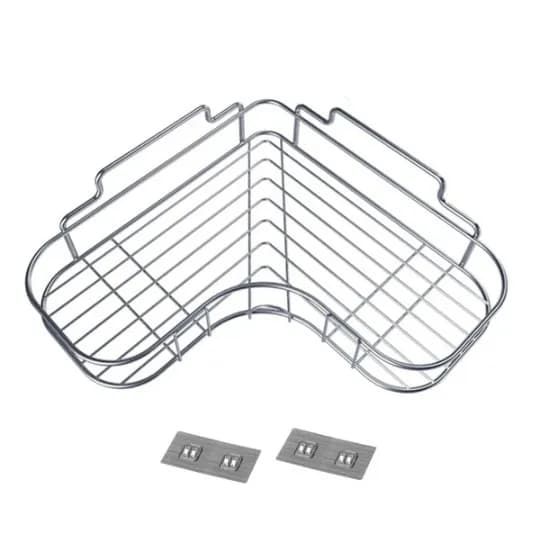
Corner Shelves
Corner shelves fit into the often-wasted 90-degree junction where two walls meet. They are particularly useful in small bathrooms and bedrooms where every inch of floor space is valuable.
Best for: Bathrooms, nurseries, small bedrooms, and home offices.
Ledge Shelves
Also called picture ledge shelves, these are very shallow shelves (2 to 4 inches deep) with a small lip at the front. They are designed for leaning framed art, small plants, or lightweight decorative items rather than heavy storage.
Best for: Living rooms, hallways, kids' rooms, and gallery wall displays.
Common Shelf on Wall Mistakes and How to Avoid Them
Even with the best shelf on wall ideas in mind, a few avoidable errors can undermine the whole project.
Installing shelves without locating studs first is the single most common and most costly wall shelf mistake. Drywall alone cannot reliably support a loaded shelf long-term.
Overloading a shelf. Every bracket and anchor has a weight rating. Add up the weight of everything you plan to store before you commit to a bracket size. When in doubt, go one size heavier than you think you need.
Ignoring the shelf depth. A shelf that is too shallow means items hang over the edge, which is both a safety issue and visually messy. A shelf that is too deep collects clutter and becomes hard to reach the back of. Match depth to function.
Spacing shelves too close together. Shelves that are too close vertically make it hard to remove items and make the wall feel cramped rather than organized. Follow the 12-inch clearance guideline for books and the 8-inch minimum for smaller items.
Skipping wall anchors in rental apartments. In a rental, you may want to use damage-free adhesive hooks for very lightweight ledge shelves. For anything heavier, get landlord approval before drilling and use proper anchors that can be patched cleanly when you move out.
Not planning for cable management. If your shelf is near a media setup or home office desk, plan how cables will route before you install the shelf. Routing cables after the fact is much harder. For tips, see our cable management ideas guide.
Styling Your Wall Shelves Without Making Them Look Cluttered
A well-styled shelf does not happen by accident. Interior designers and home organizers consistently recommend a few principles that make the difference between a shelf that looks intentional and one that looks messy.
Use the rule of three. Group decorative items in odd numbers, typically three or five. A single large object, a medium object, and a smaller object arranged at slightly different heights is more visually interesting than items lined up at the same height.
Mix textures and materials. Combining a ceramic vase, a woven basket, a stack of hardcover books, and a small plant creates depth and contrast. All-matching shelves tend to feel flat and staged.
Leave breathing room. A shelf that is packed edge-to-edge looks cluttered no matter what is on it. Leave at least 15 to 20 percent of each shelf empty. That negative space is part of the design.
Put functional items front and center. On a kitchen shelf, the items you use daily should be easiest to reach. On an office shelf, current project binders should be within arm's length. Style follows function, not the other way around.
Edit regularly. Shelves accumulate items over time. A quick monthly sweep to remove things that do not belong keeps the shelf functional and visually clean without requiring a full reorganization.
For broader home organization strategies that complement your wall shelf setup, explore the home organization ideas for small spaces resource.
Related Products from Sesoris
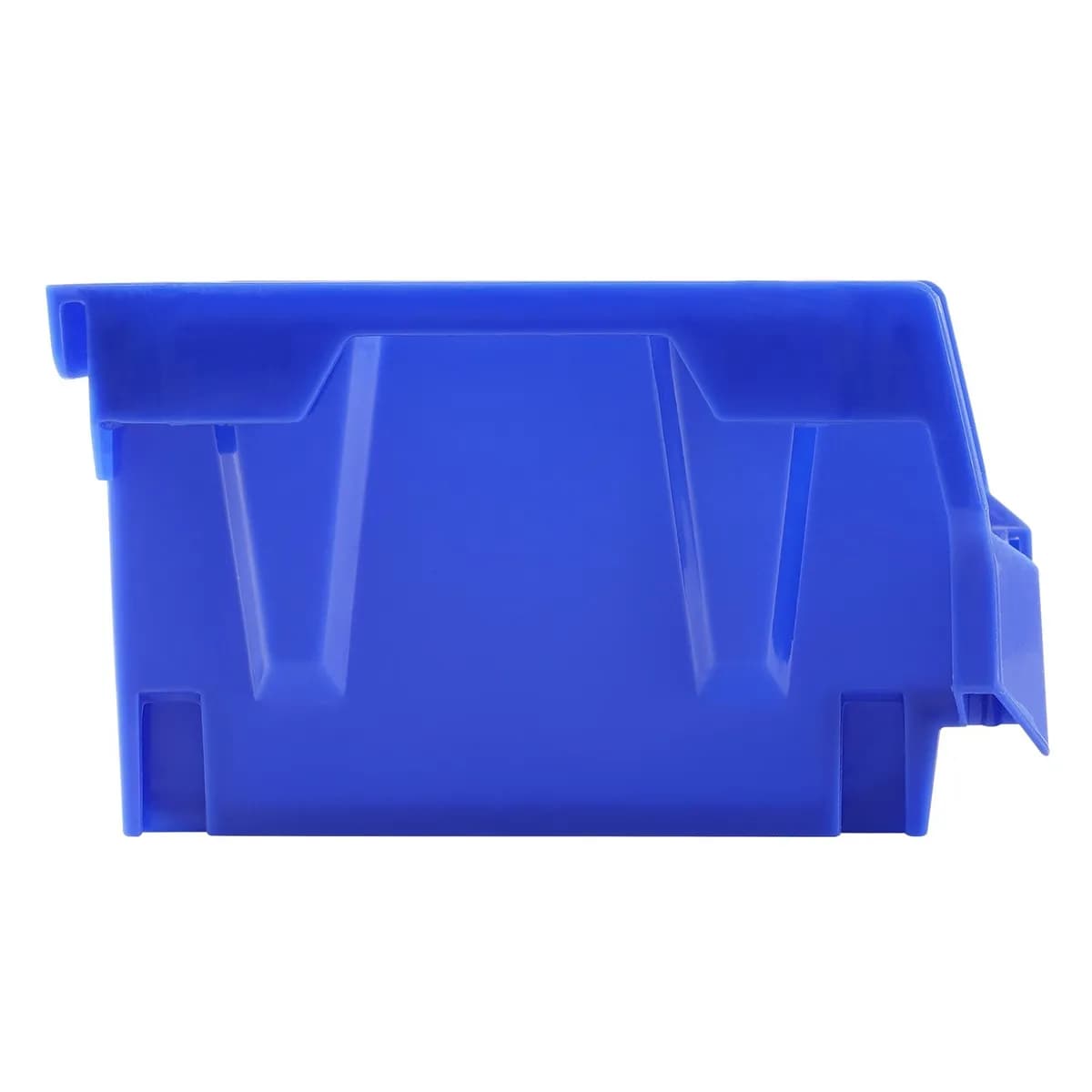
If you want to turn this guide into a real setup, start with Stackable Storage Bins, 24 Pack and Pull-Out Cabinet Organizer, 17 in. Wide. For broader options, browse the Home & Decor collection so the article journey does not stop at reading only.
Our practical rule: choose one product that solves the main clutter problem first, then add supporting organizers only when the daily workflow is already clear. This keeps the shopping path useful, not pushy.
FAQ: Frequently Asked Questions About Shelf on Wall Ideas
Q: How much weight can a floating shelf hold?
It depends entirely on how the shelf is mounted. A floating shelf anchored into two wood studs with 3-inch screws can typically hold between 50 and 100 pounds depending on the bracket design. A floating shelf using only drywall anchors is usually limited to 20 to 30 pounds total. Always check the weight rating listed by the bracket or anchor manufacturer and plan conservatively.
Q: What is the best height to mount a wall shelf?
For shelves in living areas, 48 to 60 inches from the floor (roughly eye level for most adults) is the most ergonomic and visually balanced starting point. For shelves above a desk or workspace, 18 to 24 inches above the desk surface keeps items accessible without blocking sightlines. In kitchens, shelves are typically mounted 18 inches above the countertop to clear appliances and allow easy access.
Q: Can I install wall shelves in an apartment without damaging the walls?
For very light loads under 10 pounds, adhesive mounting strips or adhesive hooks can work for small ledge shelves. For anything heavier, you will need to drill. Many landlords allow drilling with proper patching when you leave. If you are uncertain, speak with your landlord before starting and document the wall condition before and after with photos.
Q: How far apart should I space multiple wall shelves?
For standard books, leave at least 12 inches of vertical clearance between shelves. For decorative items and small bottles, 8 to 10 inches is usually enough. For a pantry or laundry room with varied item heights, adjustable track shelving lets you customize spacing without committing to fixed heights.
Q: What shelf material is best for a bathroom?
In bathrooms, avoid particleboard and unsealed MDF, which will swell and deteriorate with moisture exposure. Solid teak, solid bamboo, sealed hardwood, and powder-coated or stainless steel are all moisture-resistant options that hold up well in high-humidity environments.
Conclusion
The best shelf on wall ideas are not the most photogenic ones. They are the ones that match your actual wall type, correctly rated hardware, the right shelf depth for what you are storing, and a styling approach that keeps the space functional rather than just pretty. Whether you are installing a single floating shelf in a small bathroom or a full adjustable track system in a home office, the principles are the same: find your studs, use appropriate hardware, check your level at every stage, and leave yourself room to adjust.
If you are ready to start building a more organized home from the walls out, browse the Sesoris collections for wall-ready organization accessories, storage bins, and home essentials that pair well with any shelf setup. And if you are still planning your approach, the Sesoris blog has room-by-room guides to help you make the most of every inch of your space.
Liked this guide?
Get new organizing guides and the occasional new product by email. No spam, unsubscribe anytime.
Related articles
Explore more articles
- 25+ Best Indoor Plant Shelf Ideas to Greenify Your Home in 2026
- 25 Small Kitchen Organization Tips to Maximize Every Inch in 2026
- Holiday Home Decor Ideas: 35 Cozy, Clutter-Free Looks
- Pantry Storage Rack: How to Choose the Best in 2026
- How to Organize a Tiny Kitchen: 20+ Smart Ideas for 2026
- 30+ Storage Organizer Ideas for a Tidy Home 2026
- 30+ Kitchen Wall Shelf Ideas for a Tidy, Stylish Kitchen
- Glass Containers Food Storage: The Ultimate Inspiration Guide to a Beautiful, Organized Kitchen in 2026