
Modular Closet Organization: The Complete 2026 Guide to a Flexible, Clutter-Free Wardrobe
Master modular closet organization in 2026 with expert tips, system comparisons, and smart storage ideas. Build your dream closet today!
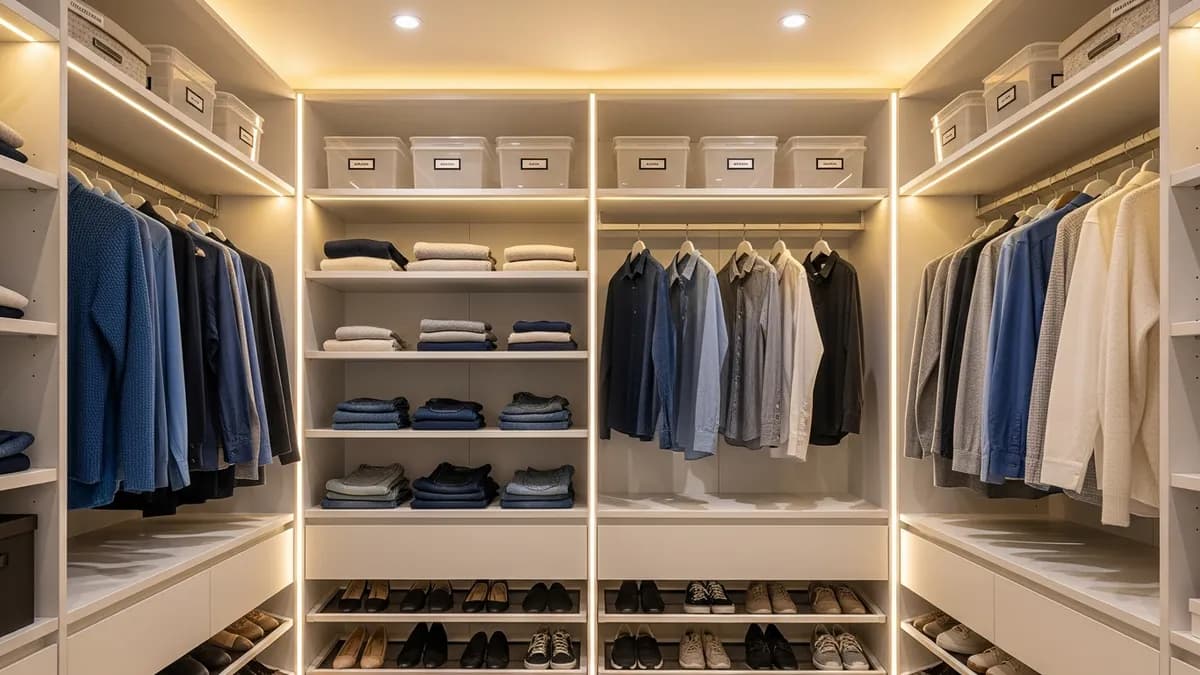
If you have ever opened your closet door only to feel immediately overwhelmed, you are not alone. The good news is that modular closet organization is one of the most effective and flexible ways to completely transform that chaos into a system that actually works for your life. Unlike built-in custom closets that require a contractor and a hefty budget, modular systems let you design, install, and reconfigure your storage on your own terms. In this complete 2026 guide, I am breaking down everything you need to know about modular closet organization, from choosing the right components to setting up a system that grows with you.
What Is Modular Closet Organization and Why Does It Work?
Modular closet organization refers to a storage approach built from individual, interchangeable components that you can mix, match, and rearrange as your needs change. Think stackable cubbies, adjustable shelves, hanging rod brackets, pull-out drawers, and shoe racks that all work together within a unified framework. The result is a closet that feels custom-built without the custom price tag.
According to Homes & Gardens' closet organization guide, one of the biggest benefits of modular storage is scalability. You can start small with a few key pieces and add more components as your wardrobe or budget grows. This is especially valuable in American homes where closet sizes vary wildly, from a tiny 2-foot-deep reach-in to a spacious 10-foot walk-in.
Here is why modular systems outperform traditional fixed shelving:
- Flexibility: Reconfigure your layout whenever your wardrobe needs change, such as after a seasonal swap or a lifestyle shift
- Affordability: No contractors needed, and most systems are designed for easy DIY installation
- Scalability: Start with one unit and expand over time without replacing the whole system
- Portability: Many modular systems are freestanding, so you can take them with you if you move
- Customization: Mix components to create dedicated zones for shoes, folded items, hanging clothes, and accessories
If you are working on a walk-in closet, check out our guide on 30+ Walk-In Closet Organization Ideas to Transform Your Dream Wardrobe Space in 2026 for even more layout inspiration.
Choosing the Right Modular Closet System: Key Factors to Consider
Before you start shopping, it pays to think carefully about what you actually need. Not every modular system is built the same way, and the best choice for a studio apartment reach-in is very different from what works in a large master bedroom walk-in closet.
1. Measure Your Closet First
Always start with measurements. Use a tape measure and note the width, height, and depth of your closet in inches and feet. Standard reach-in closets in American homes are typically about 24 inches deep and anywhere from 36 inches to 96 inches wide. Walk-in closets vary much more significantly. Having precise measurements prevents costly mistakes when ordering components.
2. Identify Your Storage Needs
Think through what you actually store in your closet. Ask yourself:
- How many hanging items do you own, and do you need single or double hanging rods?
- Do you have a large shoe collection that needs a dedicated display or pull-out rack?
- Do you prefer folded clothes in cubbies or drawers?
- Do you need space for accessories like belts, bags, and jewelry?
- Do you store off-season items in this closet?
3. Pick the Right Material
Modular closet systems come in several materials, each with trade-offs:
- Laminate or MDF panels: Budget-friendly, widely available, and easy to clean. Most common in systems from major home improvement stores
- Solid wood or plywood: More durable and premium-looking but heavier and pricier
- Wire or metal: Great for ventilation and visibility, ideal for shoes or gym wear
- Hybrid systems: Combine wooden panels with metal frames or wire baskets for a modern industrial look
4. Consider Freestanding vs. Wall-Mounted
Freestanding modular units require no drilling and are ideal for renters. Wall-mounted systems anchor directly into studs and are more stable, making them better for heavy items or larger closets. Many hybrid systems allow you to combine both approaches.
For more ideas on building out storage systems throughout your home, our Modular Shelving System: The Complete 2026 Guide to Flexible, Stylish Home Organization is a great companion read.
How to Plan Your Modular Closet Organization Layout
Planning your layout before you buy anything is the single most important step in a successful modular closet organization project. A little bit of upfront thinking will save you from buying the wrong pieces or ending up with a system that does not quite work for how you live.
Step 1: Sketch Your Closet on Paper
Draw a simple floor plan and elevation view of your closet walls. Mark the location of any existing rods, shelves, or light fixtures. This sketch does not need to be architectural-grade. A rough pencil drawing with dimensions written in is more than enough to help you plan component placement.
Step 2: Zone Your Closet by Category
Dividing your closet into functional zones is the heart of effective modular closet organization. Common zones include:
- Long hang zone: For dresses, coats, suits, and maxi skirts. Needs roughly 60 to 72 inches of vertical clearance
- Double hang zone: Two shorter rods stacked for shirts, jackets, folded pants, and blazers. Typically each rod needs about 36 to 42 inches of clearance
- Shelf and cubby zone: For folded sweaters, jeans, and casual wear
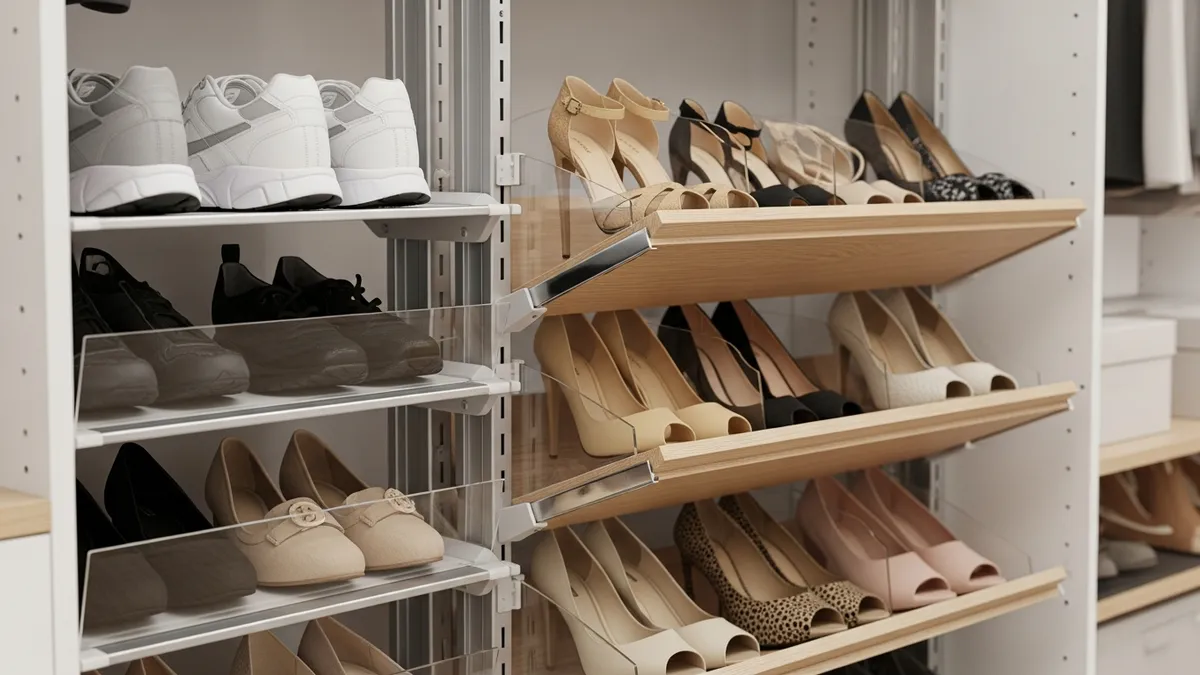
- Shoe zone: A dedicated pull-out rack, angled shelf, or cubby grid for footwear
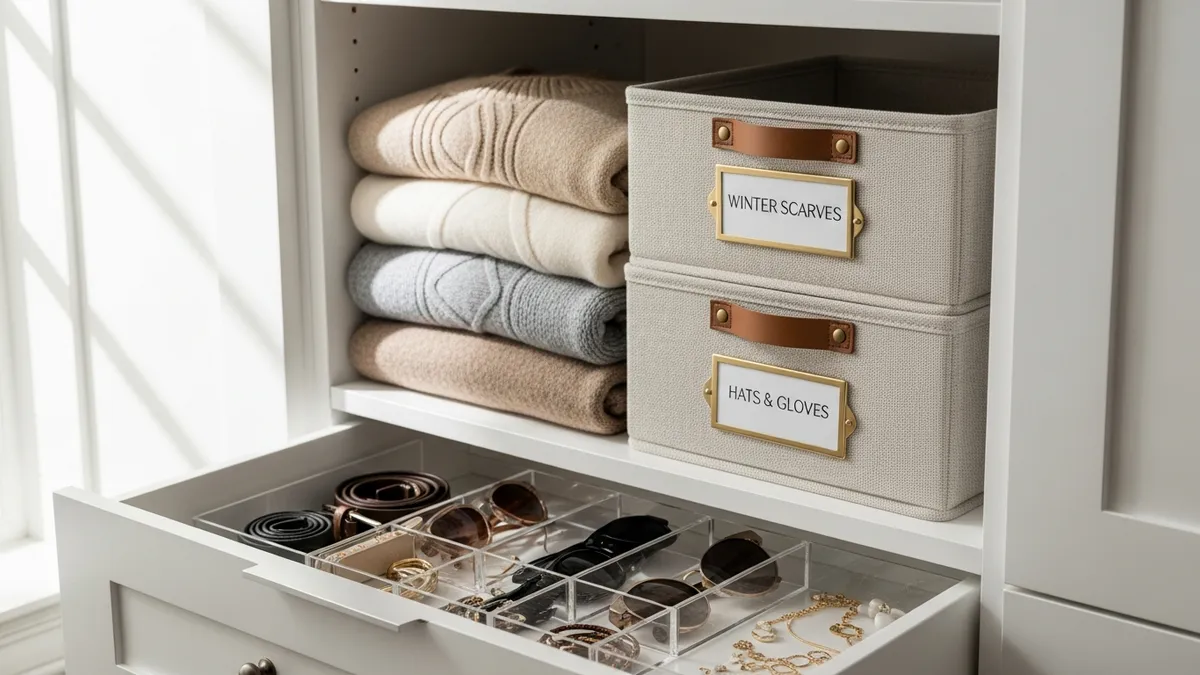
- Accessory zone: Shallow drawers or hooks for belts, scarves, jewelry, and bags
Step 3: Prioritize Prime Real Estate
In any closet, the space between about 18 inches and 60 inches from the floor is easiest to reach and see. Put your most-used items in this zone. Store off-season or rarely used items up high or down low.
Step 4: Use a Planning Tool
Many major modular system brands offer free online planning tools or apps where you can drag and drop components into a virtual version of your closet. This helps you visualize the final result and calculate exactly how many pieces you need before you buy anything.
Pro tip: Always plan for 20% more storage than you think you need. Wardrobes tend to grow over time, and a little breathing room now prevents a frustrating overflow situation later.
Top Modular Closet Organization Ideas for Every Closet Type
Whether you are working with a cramped reach-in or a roomy walk-in, modular systems can be adapted to make the most of your space. Here are practical ideas organized by closet type.
Small Reach-In Closets
Small closets benefit enormously from modular organization because every inch counts. Some of the most effective strategies include:
- Install a double hang rod setup to effectively double your hanging space. Most tops, shirts, and jackets fit comfortably in 36 to 40 inches of vertical space
- Add slim vertical cubby towers on one or both sides for folded items and shoes
- Use door-mounted organizers for shoes, accessories, or cleaning supplies to take advantage of often-wasted door space
- Choose clear bins or open cubbies so you can see everything at a glance without digging
- Install a pull-out shoe rack at floor level to maximize the often under-used bottom zone
For more small closet ideas, our article on 30+ Best Small Closet Organization Ideas to Transform Your Tiny Space in 2026 is packed with inspiration.
Walk-In Closets
Walk-in closets give you the room to create a truly luxurious and functional modular organization system. Consider these approaches:
- U-shaped or L-shaped layouts: Line two or three walls with modular components to create a wraparound storage system
- Island unit: If your walk-in is large enough, a freestanding island with drawers and a flat top surface adds folding space and extra storage
- Dedicated shoe wall: Angled or floating shoe shelves along one entire wall make footwear easy to see and grab
- Lighting integration: Add LED strip lights or puck lights inside cubbies and on shelves so nothing gets lost in a dark corner
- Full-length mirror panel: Some modular systems include mirror panels that double as closet doors, saving space while making the room feel larger
Shared and Kids' Closets
For closets shared between partners or siblings, modular systems are a lifesaver because you can clearly define each person's zone. Use different colored bins or labels for each person. For kids' closets, adjustable shelves and lower hanging rods make it easy to reconfigure the space as your child grows. Check out our 30+ Best Bedroom Closet Organization Ideas to Transform Your Wardrobe Space in 2026 for family-friendly ideas.
The Best Modular Closet Organization Accessories
Once your core modular framework is in place, the right accessories take your closet from functional to fantastic. Here are the must-haves that make a real difference in day-to-day usability.
Fabric Storage Bins and Baskets
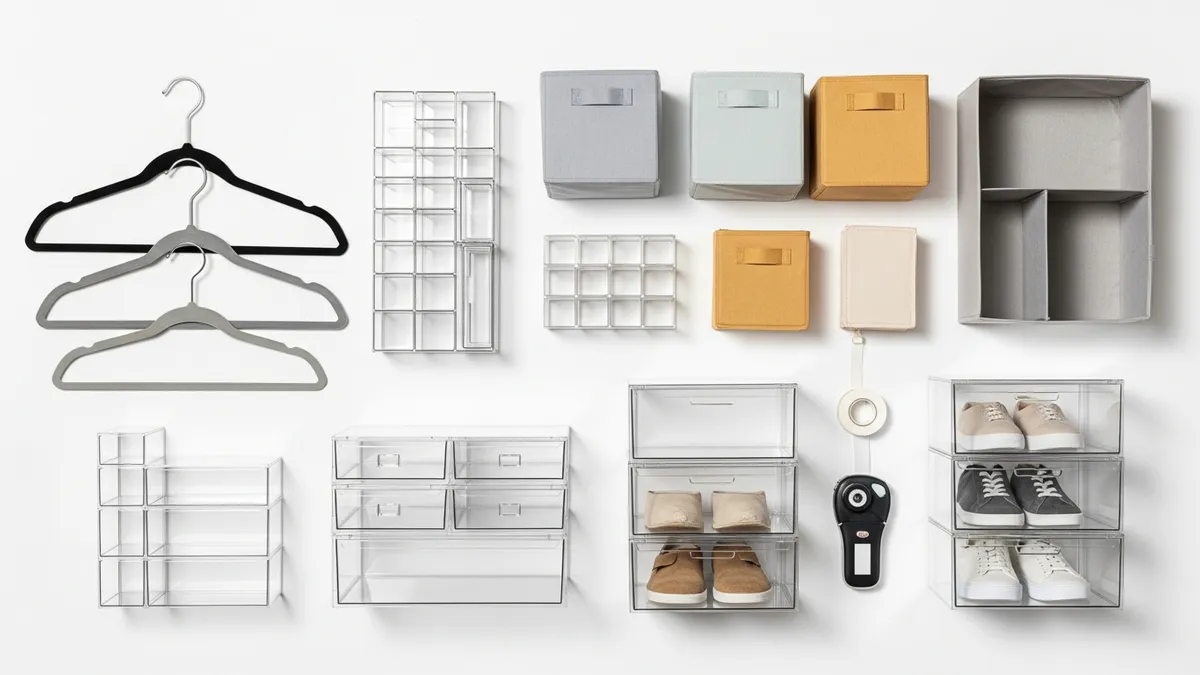
Soft-sided fabric bins are perfect for cubbies. They hold folded sweaters, workout gear, and accessories while keeping things looking tidy even when the contents are not perfectly folded. Choose bins in a neutral tone like gray, white, or natural linen for a cohesive look. Label each bin clearly so every family member knows where things go.
Velvet Hangers
Swapping out bulky plastic hangers for slim velvet hangers is one of the highest-impact changes you can make in any modular closet. Velvet hangers take up roughly half the rod space of standard plastic hangers and keep clothes from slipping. Standardizing your hangers also gives the closet an instantly neater, more intentional look.
Drawer Dividers
If your modular system includes drawers, invest in adjustable drawer dividers. They keep socks, underwear, and accessories separated and prevent the drawer from becoming a jumbled mess within days of organizing it. Our Sock Drawer Organization: The Complete 2026 Guide to a Tidy, Stress-Free Dresser has more tips on mastering drawer organization.
Pull-Out Baskets and Slide-Out Trays
Many modular systems offer optional pull-out wire baskets or slide-out trays that attach to existing shelf brackets. These are ideal for shoes, gym gear, bags, or anything that tends to get pushed to the back of a shelf and forgotten.
Labels
Labels are the finishing touch that actually make an organized system sustainable long-term. Use a label maker, printable labels, or even handwritten tags in a consistent font to mark every bin, drawer, and shelf section. According to Good Housekeeping, labeled storage systems are significantly more likely to stay organized because every family member knows exactly where to return items.
Over-the-Door Organizers
Even with a full modular system installed inside your closet, the back of the door remains usable real estate. Over-the-door racks work well for shoes, bags, scarves, or cleaning supplies. Look for versions with adjustable hooks or pockets so you can customize the configuration.
Browse our All Products page to find storage bins, organizers, and closet accessories that pair perfectly with any modular system.
How to Maintain Your Modular Closet Organization System
Building a beautiful modular closet is just step one. Keeping it organized over weeks, months, and years requires a few simple habits.
Do a Monthly Reset
Set aside 15 to 20 minutes once a month to reset your closet. Return anything that has drifted out of its zone, fold items that have gotten messy, and clear out anything that does not belong. A monthly reset is much easier than a full annual overhaul.
Seasonal Wardrobe Rotations
Twice a year, in spring and fall, swap out your seasonal clothing. Move off-season items to high shelves or vacuum storage bags to free up prime real estate for the clothes you are actually wearing right now. This also doubles as an opportunity to declutter and donate anything you no longer love or wear.
One In, One Out Rule
Every time you bring a new clothing item into your closet, remove one item. This rule keeps your wardrobe from slowly expanding beyond the capacity of your modular system. It also encourages more intentional shopping habits.
Weekly Quick Tidy
Spend five minutes at the end of each week straightening up your closet. Hang anything draped over a chair, return shoes to their spots, and fold anything that got tossed in during a busy week. This tiny habit prevents the gradual drift toward chaos that affects even the most beautifully organized closets.
For more ideas on keeping your entire home tidy, our Home Decluttering Tips: A Simple System for a Calm, Organized Home in 2026 is a great resource.
Modular Closet Organization on a Budget
One of the biggest misconceptions about modular closet systems is that they have to be expensive. The truth is that you can build a highly functional modular organization setup at almost any price point.
Here are some budget-friendly strategies:
- Start with a core kit: Many brands sell starter kits that include the most essential pieces, like two towers and a hanging rod, at a lower combined price than buying individual components
- Shop open-box and floor models: Home improvement stores frequently discount display models and open-box items that are fully functional
- Prioritize adjustable shelves: Adjustable shelves cost slightly more upfront but save you money long-term because you do not have to buy new components when your needs change
- DIY the accessories: Build your own fabric bin labels, make drawer dividers from cardboard or foam board, and repurpose shoeboxes as cubby organizers while you save up for proper bins
- Phase your installation: Buy and install one section at a time, starting with the area that gives you the most frustration. This spreads out the cost and lets you evaluate the system before committing fully
You can also explore the Best Sellers at Sesoris for affordable storage accessories that complement any modular setup.
For inspiration on DIY closet builds, do not miss our DIY Closet: Complete 2026 Guide to Building Your Dream Storage Space on a Budget.
Related Products from Sesoris
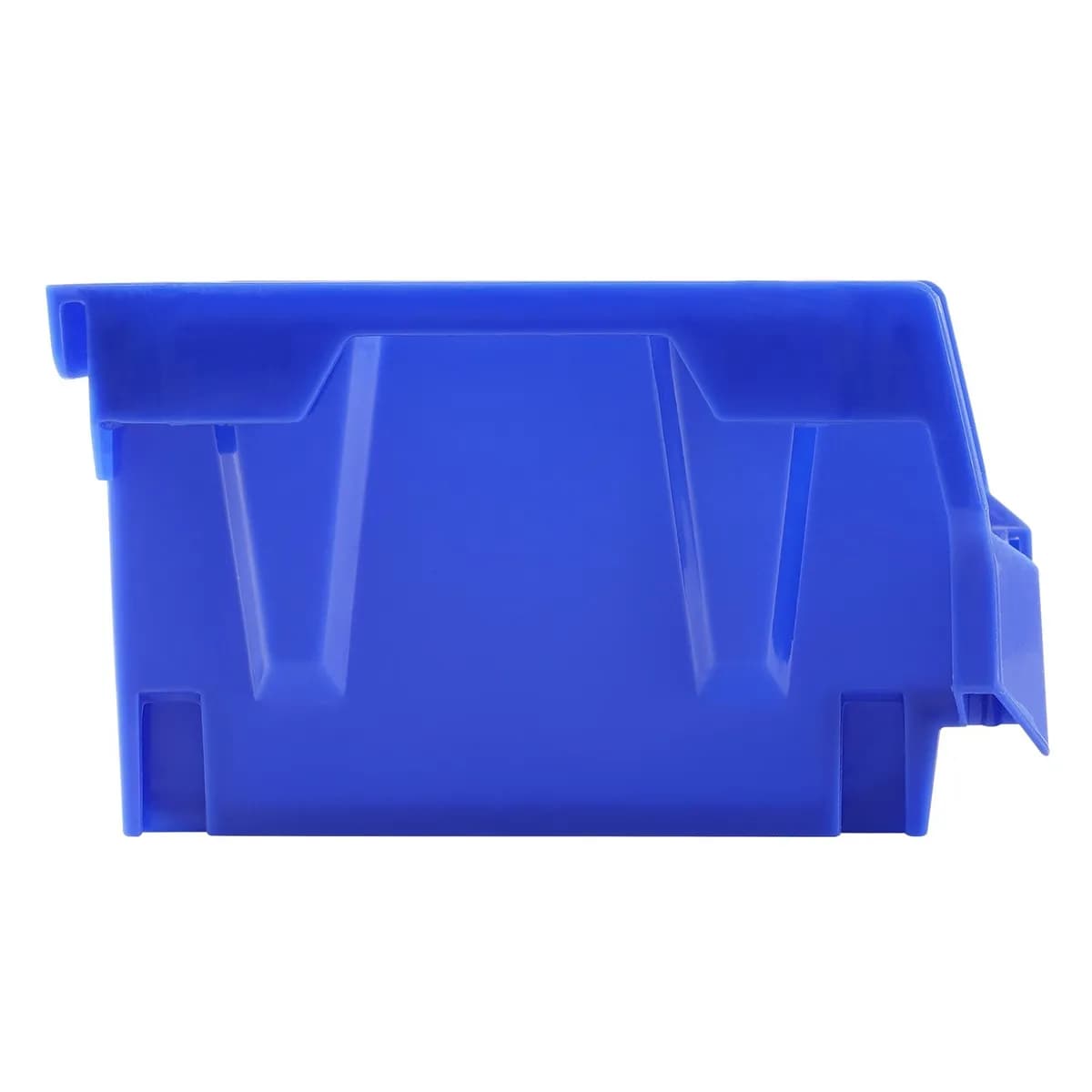
If you want to turn this guide into a real setup, start with Stackable Storage Bins, 24 Pack and Pull-Out Cabinet Organizer, 17 in. Wide. For broader options, browse the Home & Decor collection so the article journey does not stop at reading only.
Our practical rule: choose one product that solves the main clutter problem first, then add supporting organizers only when the daily workflow is already clear. This keeps the shopping path useful, not pushy.
FAQ: Frequently Asked Questions About Modular Closet Organization
Q: What is the difference between a modular closet system and a custom built-in closet?
A modular closet system uses pre-made, interchangeable components that you assemble yourself, while a custom built-in is designed and installed by a carpenter or professional closet company. Modular systems are significantly more affordable, can be reconfigured over time, and are often portable if you move. Custom built-ins typically offer a more seamless look and are permanently fixed.
Q: Can modular closet organization work in a rental apartment?
Absolutely. Many modular systems are freestanding and require no wall anchoring at all, making them perfect for renters. Even wall-mounted systems typically leave minimal damage if installed carefully and patched before you move out. Always check your lease and use proper wall anchors.
Q: How long does it take to install a modular closet system?
Most modular closet systems can be installed in a single weekend. A small reach-in closet with a basic double-hang and shelf setup might take just two to four hours. A larger walk-in with multiple towers and accessories could take a full day or two, especially if you are doing it solo.
Q: How do I keep a modular closet organized long-term?
The key is building habits, not just buying products. Use the one in, one out rule, do monthly resets, rotate seasonal clothes twice a year, and label everything clearly. A well-designed modular system makes it easier to maintain order because everything has an obvious home.
Q: What are the best brands for modular closet systems in 2026?
Several brands are well-regarded in the US market for modular closet systems, including IKEA's PAX system, ClosetMaid, Rubbermaid's Configurations series, and California Closets for a more premium option. Each has different price points, material options, and component variety. Research and compare using resources like Houzz to see real home installations before you commit.
Q: Can I mix and match components from different modular closet brands?
In most cases, it is best to stick to one brand's system within a single closet because panel widths, shelf depths, and bracket systems vary between manufacturers. Mixing brands can result in mismatched heights, incompatible brackets, or an inconsistent look. That said, accessories like bins, baskets, and hangers are almost always interchangeable across brands.
Conclusion: Build the Modular Closet Organization System You Deserve in 2026
There has never been a better time to invest in modular closet organization. The flexibility, affordability, and sheer variety of systems available in 2026 mean that whether you have a tight reach-in or a sprawling walk-in, there is a modular solution perfectly suited to your space, lifestyle, and budget. Start by measuring your closet, identifying your storage needs, planning your zones, and choosing components that fit your life today while leaving room to expand tomorrow.
Remember, the goal of modular closet organization is not perfection. It is creating a space that makes your daily routine smoother, your mornings less stressful, and your home genuinely more enjoyable to live in.
Ready to start building your ideal closet? Browse the full range of home organization products at Sesoris and discover bins, baskets, labels, and accessories designed to complement any modular system. And do not miss our New Arrivals for the latest storage solutions to help you live more organized in 2026.
Liked this guide?
Get new organizing guides and the occasional new product by email. No spam, unsubscribe anytime.
Related articles

Explore more articles
- 30+ Best Corner Shelf Ideas to Transform Every Room in Your Home in 2026
- Kitchen Organization Dish Rack Alternatives: 10 Smart Solutions for a Tidier Kitchen in 2026
- Refrigerator Organization: The Complete 2026 Guide to a Cleaner, Smarter Fridge
- 25+ Best Laundry Closet Ideas to Transform Your Small Space in 2026
- 30+ Best Laundry Room Storage Ideas to Maximize Every Inch in 2026
- DIY Closet: Complete 2026 Guide to Building Your Dream Storage Space on a Budget
- Tool Storage & Organization: The Complete 2026 Guide to a Clutter-Free Garage & Workshop
- Best Mudroom Storage Solutions: 30+ Smart Ideas to Transform Your Entryway in 2026