
Rubbermaid Food Storage Containers: The Complete 2026 Guide to Fresh, Organized Kitchens
If you have spent any time trying to get your kitchen organized, you have probably come across Rubbermaid food storage containers at some point. They are one of the most recognized names in American kitchens, and for good reason. From meal prepping on Sunday to keeping leftovers fresh through the week, Rubbermaid food storage containers are a practical, affordable, and genuinely reliable tool for everyday home life. In this complete 2026 guide, I am going to walk you through everything you need to know, including the best types to choose, how to use them properly, and how to build a smarter, more organized kitchen around them.
Why Rubbermaid Food Storage Containers Are a Kitchen Staple in 2026
Rubbermaid has been manufacturing household products for decades, and their food storage line has become a go-to for millions of American households. What keeps people coming back year after year is a combination of durability, accessibility, and value. You can find them at most major US retailers, and they cover a huge range of sizes and styles that suit nearly every kitchen need.
Part of what makes this brand stand out is the variety they offer. Whether you need a compact 0.5-quart container for a small side dish or a large 14-cup container for batch-cooked soup, there is a Rubbermaid option for it. The brand also consistently updates its lineup to address modern concerns like BPA-free materials and leak-resistant lids, which matters a lot to families who care about food safety.
According to The Spruce, good food storage containers are one of the top investments you can make for a more organized, waste-free kitchen. Rubbermaid products regularly appear on their recommended lists for budget-conscious shoppers who still want quality.
If you are exploring the broader world of kitchen food storage, I also recommend reading our guide on kitchen food storage containers to get a full picture of all the options available to you.
Types of Rubbermaid Food Storage Containers You Should Know
Not all Rubbermaid containers are built the same, and understanding the different product lines helps you make smarter buying decisions. Here is a breakdown of the main types you will encounter:
The Brilliance Line
The Rubbermaid Brilliance containers are made from crystal-clear Tritan plastic, which means you can see exactly what is inside without opening the lid. They feature a 360-degree seal with locking latches on four sides, making them some of the most leak-resistant containers in the brand's lineup. These are great for storing soups, sauces, and anything else that could cause a mess if the lid slipped.
Easy Find Lids
This is probably the most iconic Rubbermaid product line. The Easy Find Lids system is designed so that lids attach to the base of compatible containers, which solves the classic frustration of digging through a cabinet full of mismatched tops. If you have ever pulled out half your cabinet looking for a single lid, this system is going to feel like a revelation. Containers in this line are also designed to nest inside each other, which saves a significant amount of cabinet space.
Take Alongs
The Take Alongs line is designed specifically for portability. These are the containers you reach for when you are packing a lunch, bringing a dish to a potluck, or meal prepping for the week ahead. They come in a variety of shapes including rounds, squares, and rectangles, and they use a flexible grip-and-seal lid that snaps on quickly.
Glass Options
Rubbermaid also produces a line of glass food storage containers, which are ideal for reheating food directly in the microwave or oven. These are heavier than their plastic counterparts but offer the benefit of not absorbing odors or stains over time. If you want a deeper comparison of glass versus plastic options, check out our guide on best food storage containers glass.
How to Choose the Right Rubbermaid Food Storage Containers for Your Kitchen
Choosing the right containers comes down to understanding your habits and your kitchen's actual needs. Here are some practical questions to ask yourself before you buy:
What are you storing most often? If you mostly store dry goods like pasta, rice, and cereal, a basic airtight plastic container works well. If you frequently store liquids or saucy leftovers, prioritize leak-resistant lids like those found on the Brilliance line.
How much refrigerator and freezer space do you have? Rubbermaid containers are designed to be stackable, but rectangular shapes tend to pack more efficiently than round ones. For freezer storage, look for containers that are labeled freezer-safe.
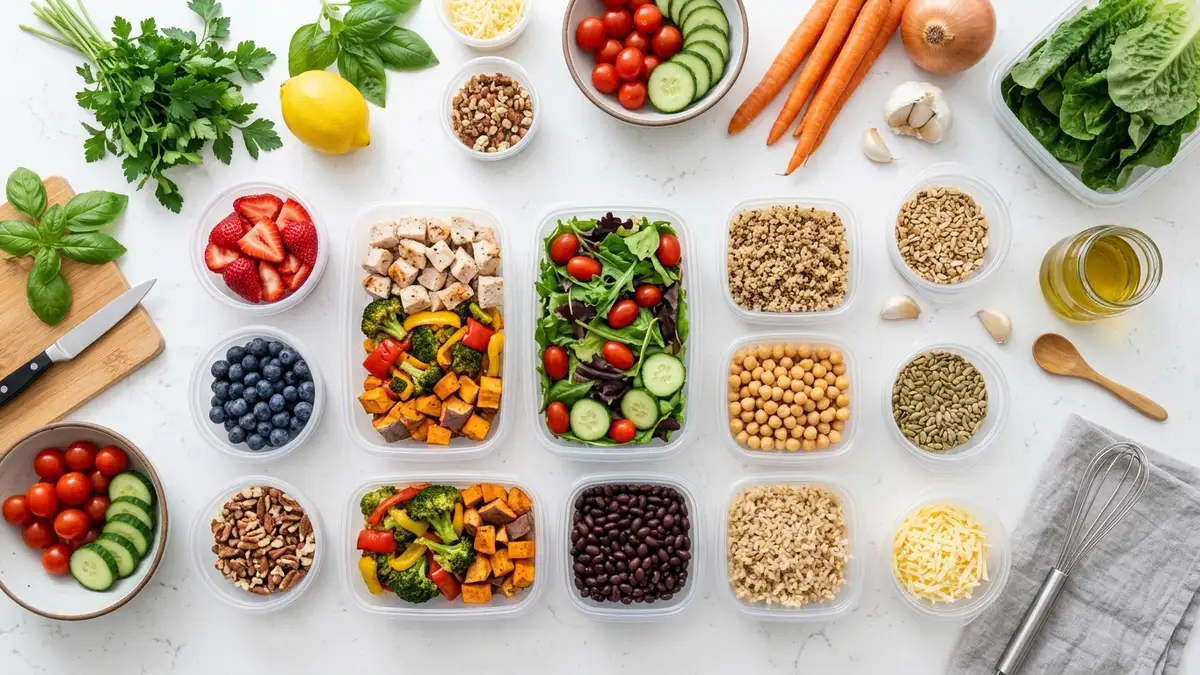
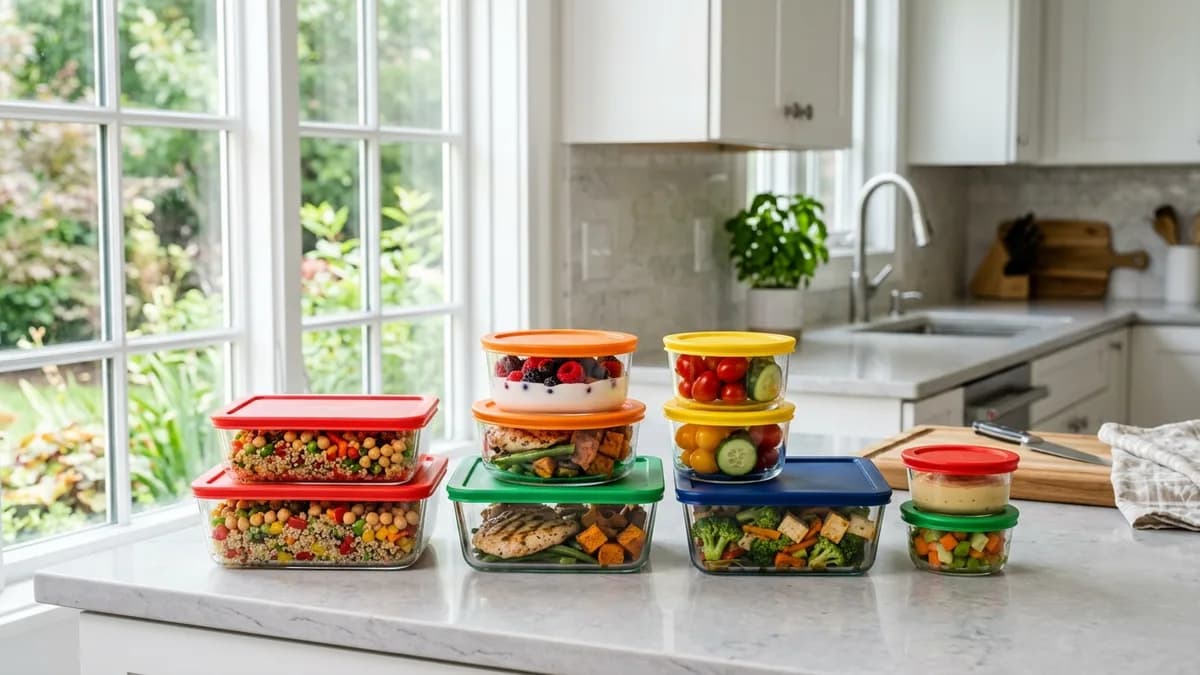
Do you meal prep? If Sunday meal prep is part of your weekly routine, I would recommend investing in a full set that includes both large batch containers and individual portion-size containers. This makes it easy to grab a ready-to-go meal without any extra work mid-week.
Are you dealing with a small kitchen? If cabinet space is tight, the Easy Find Lids system is worth every penny because it dramatically reduces the chaos of lid storage. You can also look at our article on small kitchen organization tips for more space-saving ideas that pair well with smart container choices.
Here is a quick size reference to guide your purchase:
- 0.5 quart for individual snacks, small portions of dips, or baby food
- 1 to 2 quart for leftovers, salads, or single-meal portions
- 4 to 7 quart for large batch cooking, soups, or casseroles
- 10 to 14 cup for bulk dry goods, meal prep components, or large family servings
Rubbermaid Food Storage Containers and Food Safety: What You Need to Know
Food safety is a top concern for most American households, and it is one area where Rubbermaid has made consistent improvements over the years. Here is what you need to know:
BPA-Free Materials
Many Rubbermaid containers are now made with BPA-free plastic. BPA, or bisphenol A, is a chemical that was historically used in plastics manufacturing and raised health concerns when it came to food contact. Look for the BPA-free label on the packaging to confirm. The Brilliance line, in particular, is made entirely from BPA-free Tritan plastic.
Microwave and Dishwasher Safety
Most Rubbermaid plastic containers are dishwasher-safe on the top rack, and many are microwave-safe. However, always check the bottom of the container for the specific symbols. When microwaving, it is generally a good practice to vent the lid slightly to allow steam to escape, even with microwave-safe containers.
Freezer Safety
Rubbermaid containers designed for freezer use are typically made with a more flexible plastic that resists cracking at low temperatures. Look for the snowflake symbol or an explicit freezer-safe label. According to Good Housekeeping, proper food storage containers that are designed for freezer use can significantly reduce freezer burn and extend the life of your frozen food.
When to Replace Your Containers
Even the best plastic containers do not last forever. Replace yours when you notice deep scratches, cracks, or persistent staining and odors that do not wash out. These signs suggest the plastic has degraded and may no longer provide a proper seal.
For a broader deep-dive into food safety and storage practices, Real Simple has excellent resources on how to safely store different types of food and when to discard them.
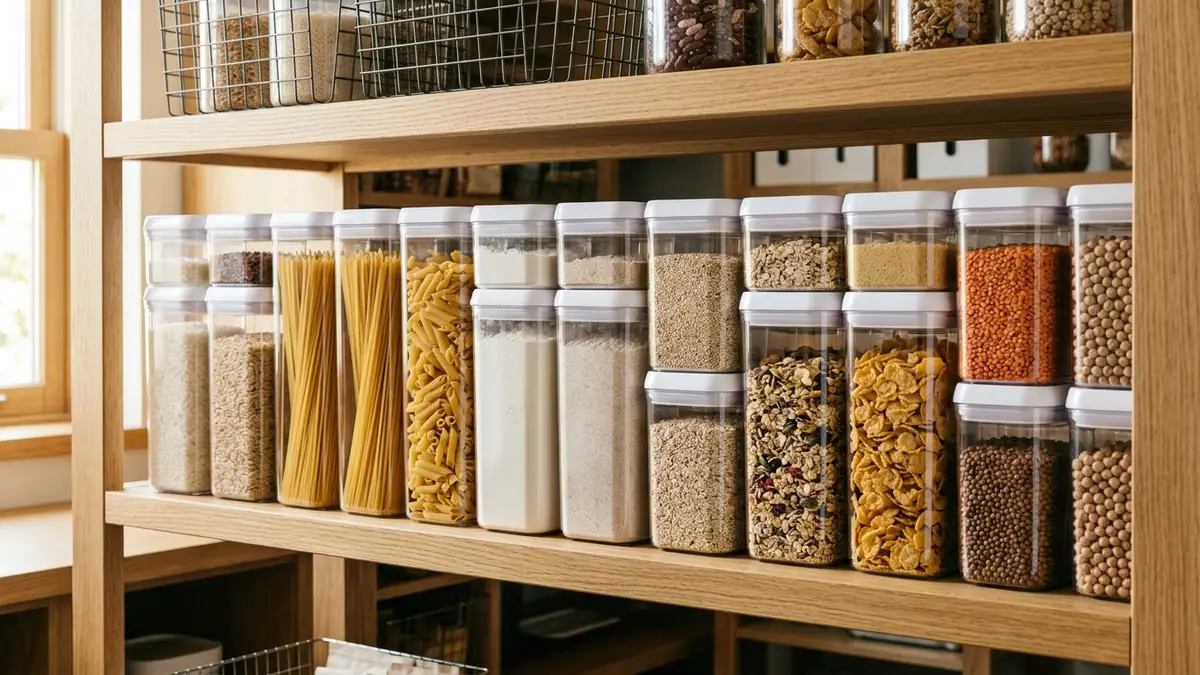
How to Organize Your Kitchen with Rubbermaid Food Storage Containers
Owning the right containers is only half the battle. The other half is setting up a system that actually works for your daily life. Here are some practical organization strategies I have found genuinely helpful:
Cabinet Organization
- Dedicate one full cabinet or shelf to food storage containers only. Mixing them in with other kitchenware leads to clutter and frustration.
- Use the nesting method: Stack container bodies inside each other from largest to smallest, and keep lids in a separate lid organizer or attached to the container if you are using the Easy Find Lids system.
- Group by size: Keep small containers together and large containers together so you can grab the right one at a glance without digging.
- Label if needed: If you have multiple brands or sizes that look similar, a simple label on the lid can save time. Check out our article on storage bin labels for creative labeling ideas.
Refrigerator Organization
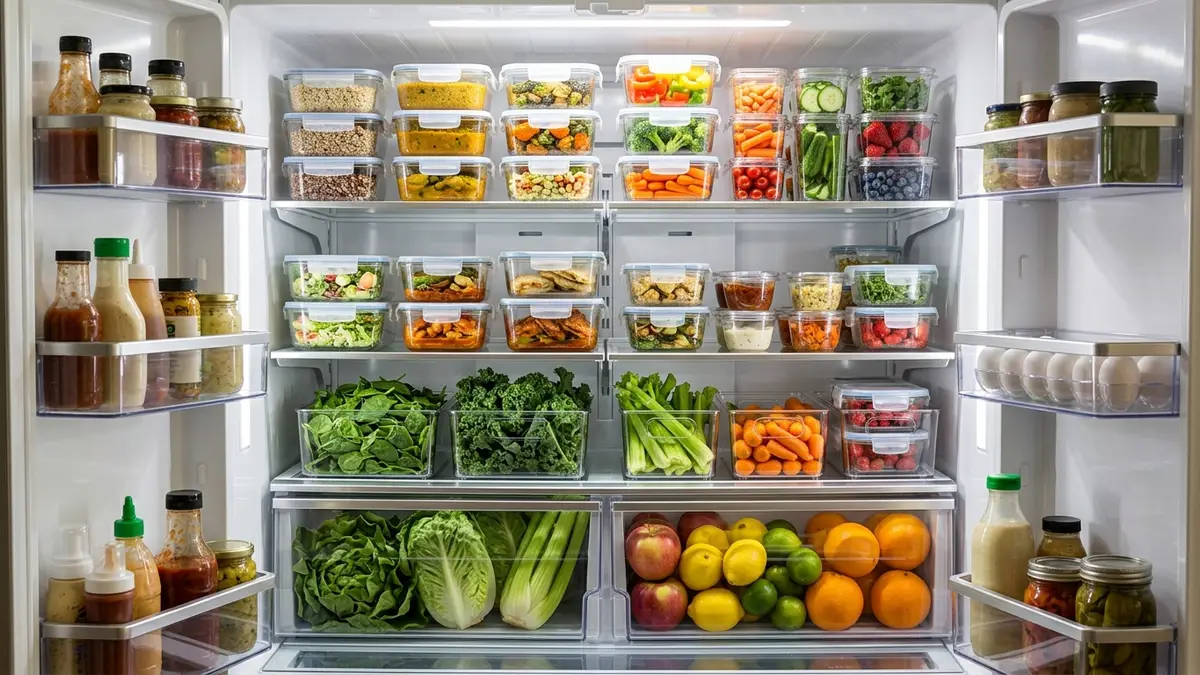
- Use rectangular containers on shelves: They pack together more efficiently than round ones and minimize wasted space.
- Keep a consistent rotation system: Place newer items at the back and older items at the front so nothing gets forgotten.
- Use smaller containers for ingredients: Prepped vegetables, leftover sauces, and portioned snacks all deserve their own dedicated container so meal assembly during the week is fast and easy.
Pantry Organization
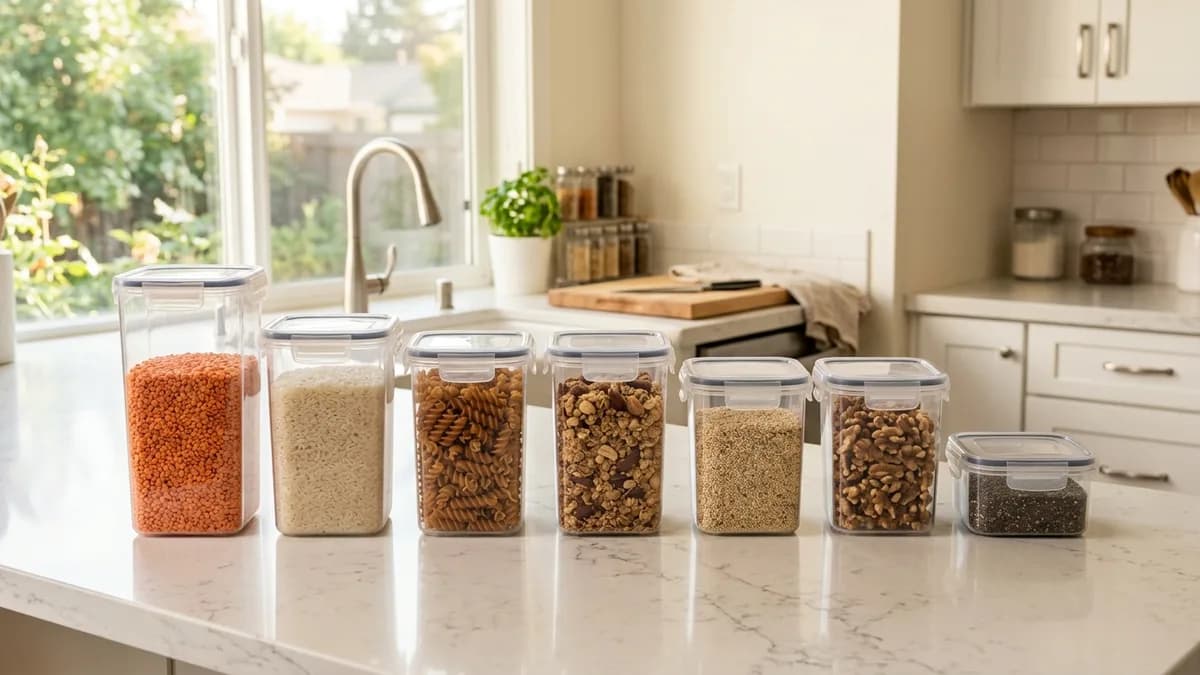
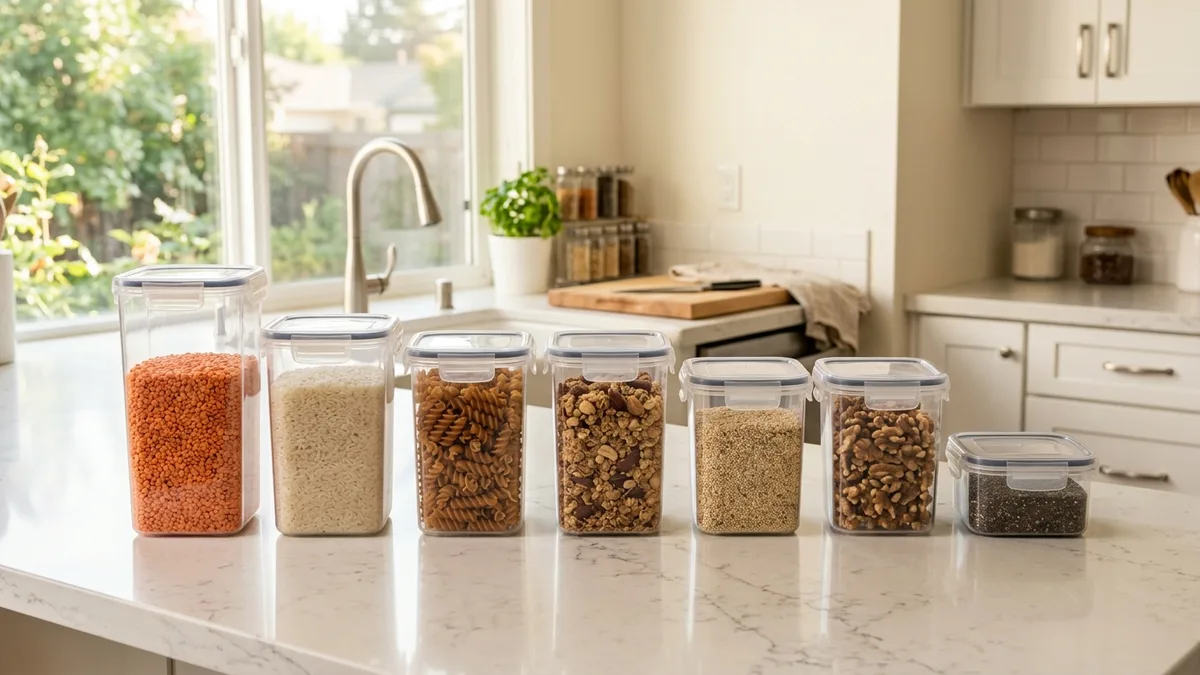
Transferring dry goods like flour, sugar, rice, and cereal from their original bags into airtight Rubbermaid containers does two things: it keeps food fresher longer and it makes your pantry look dramatically tidier. If you want a complete system for this, our guide on pantry food storage containers covers the whole process step by step.
Organizing your food storage containers is not just about aesthetics. A well-organized system actually reduces food waste, saves money, and makes cooking feel less stressful every single day.
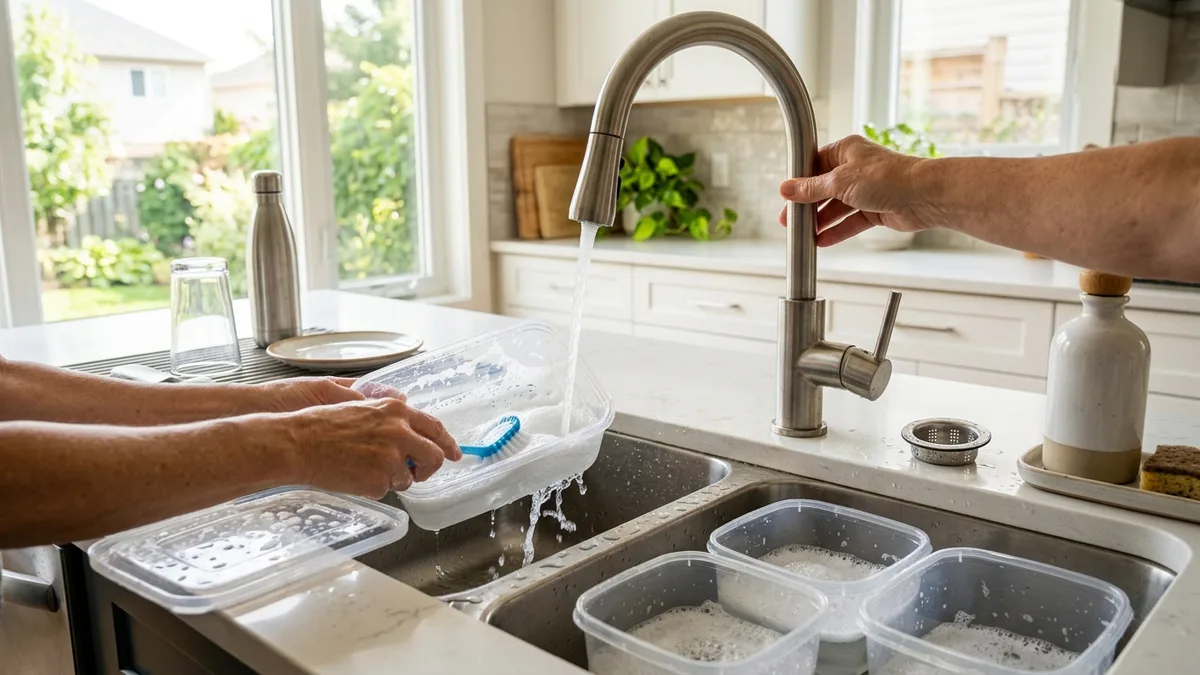
Caring for Your Rubbermaid Food Storage Containers
Proper care extends the life of your containers significantly. Here are the best practices:
- Wash by hand or on the top rack of your dishwasher to prevent warping from high heat at the bottom rack
- Avoid abrasive scrubbers that can scratch the plastic surface and create grooves where bacteria can hide
- Remove stains with a baking soda paste: Apply to the stained area, let it sit for 15 to 20 minutes, then rinse
- Eliminate odors by soaking in a diluted white vinegar solution for 30 minutes before washing normally
- Store with lids off when not in use so air can circulate and prevent musty smells from building up
- Avoid exposing containers to direct sunlight for long periods, which can cause plastic to become brittle over time
Comparing Rubbermaid Food Storage Containers to Other Popular Brands
Rubbermaid food storage containers sit in a competitive market alongside brands like OXO, Pyrex, and Sterilite. Here is a quick honest comparison to help you decide:
Rubbermaid vs. Pyrex: Pyrex offers glass containers that are oven-safe, which Rubbermaid's plastic containers are not. If you frequently cook and store in the same container, Pyrex glass may suit you better. Our article on Pyrex food storage containers covers this in detail. However, Rubbermaid is much lighter, more drop-resistant, and typically more affordable.
Rubbermaid vs. OXO: OXO containers often feature a push-button locking mechanism and premium build quality, but they tend to be priced higher. Rubbermaid gives you solid quality at a friendlier price point, making it a better choice for outfitting an entire kitchen at once.
Rubbermaid vs. Sterilite: Sterilite is another affordable plastic container brand, but Rubbermaid generally offers better lid systems, more consistent seals, and a wider variety of sizes.
For most American households, Rubbermaid strikes the best balance between affordability, availability, and everyday performance.
Related Products from Sesoris
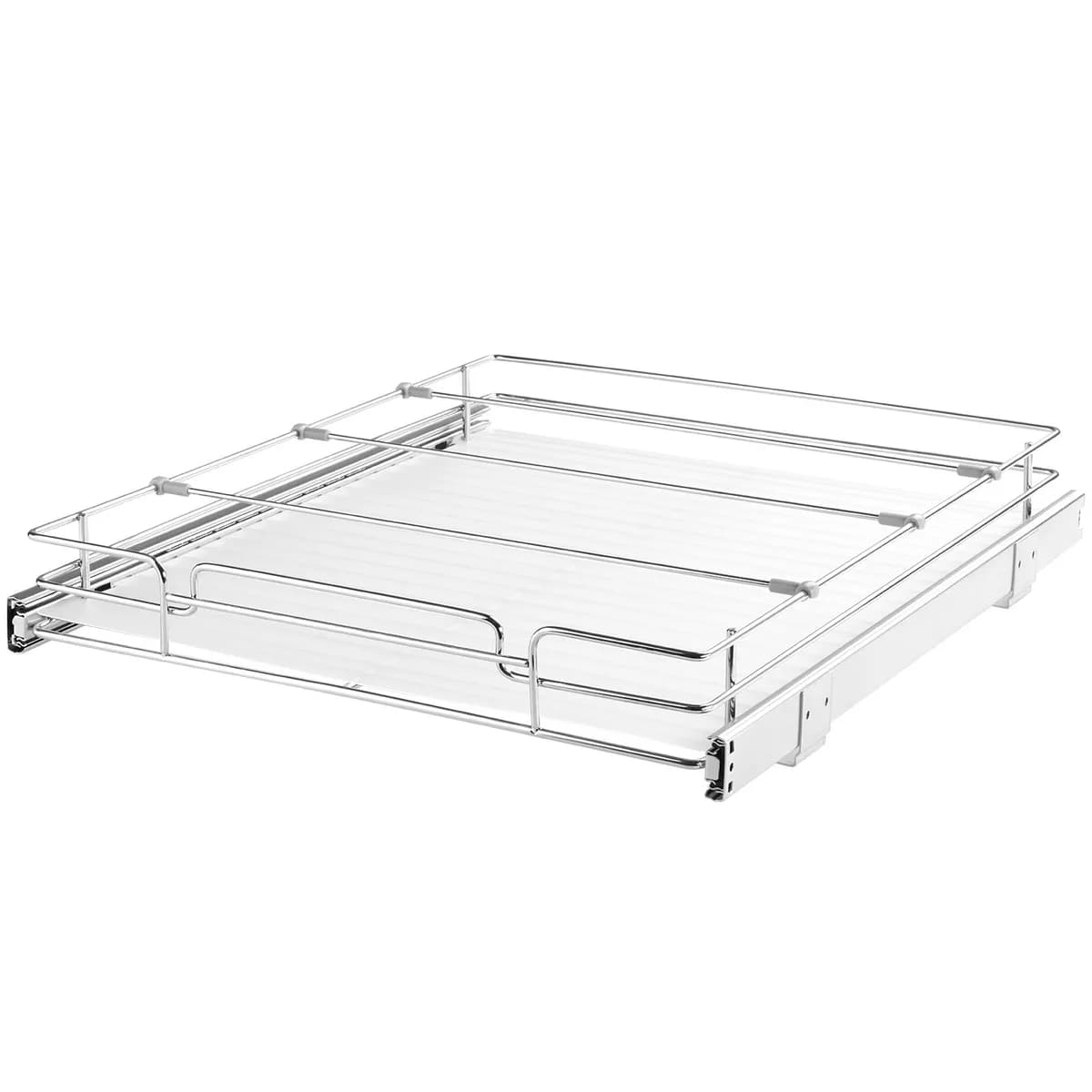
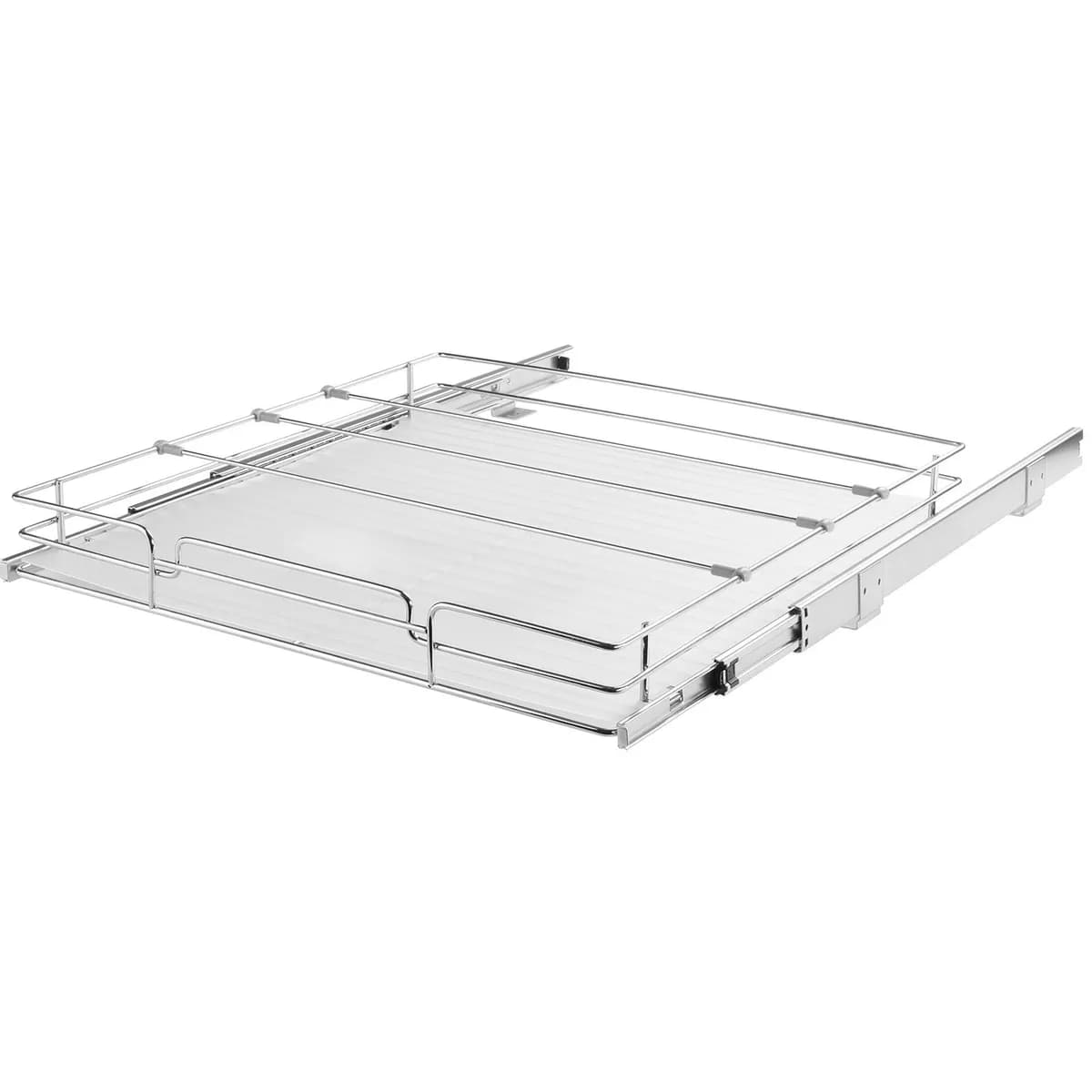
If you want to turn this guide into a real setup, start with Pull-Out Cabinet Organizer, 14 in. Wide and Double-Layer Bamboo Bread Box. For broader options, browse the Kitchen & Dining collection so the article journey does not stop at reading only.
Our practical rule: choose one product that solves the main clutter problem first, then add supporting organizers only when the daily workflow is already clear. This keeps the shopping path useful, not pushy.
FAQ: Frequently Asked Questions About Rubbermaid Food Storage Containers
Q: Are Rubbermaid food storage containers dishwasher-safe?
Most Rubbermaid plastic containers are dishwasher-safe on the top rack. However, repeated exposure to high heat in the bottom rack can cause warping over time, so top-rack placement is always recommended. Glass Rubbermaid containers are generally safe on both racks.
Q: Can I use Rubbermaid containers in the microwave?
Many Rubbermaid containers are labeled as microwave-safe, but you should always check the symbol on the bottom of the specific container. When in doubt, transfer food to a glass or ceramic dish before microwaving. If you do microwave in Rubbermaid containers, always vent the lid by leaving one corner unsnapped to allow steam to escape.
Q: Are Rubbermaid containers BPA-free?
Rubbermaid has transitioned many of its product lines to BPA-free materials. The Brilliance line, for example, is made from BPA-free Tritan plastic. Always check the packaging or the product listing to confirm BPA-free status for the specific product you are purchasing.
Q: How long do Rubbermaid containers last?
With proper care, Rubbermaid containers can last for several years. Signs that it is time to replace them include deep scratches, cracks, persistent odors that do not wash out, or lids that no longer form a tight seal.
Q: Can Rubbermaid containers go in the freezer?
Many Rubbermaid containers are freezer-safe. Look for the snowflake symbol on the bottom or check the product description. The containers designed for freezer use are made with a more flexible plastic that resists cracking in cold temperatures.
Q: What size Rubbermaid containers should I start with?
A versatile starter set usually includes a mix of small (0.5 to 1 quart), medium (2 to 4 quart), and large (7 to 14 cup) containers. This covers individual snacks, everyday leftovers, and large batch cooking all in one go.
Q: How do I stop my Rubbermaid lids from going missing?
The Easy Find Lids system is specifically designed to solve this problem. Lids attach to the bases of compatible containers, and containers nest inside each other. It is one of the most practical organizational features in the Rubbermaid lineup and well worth choosing if lid chaos is a real issue in your kitchen.
Conclusion
Rubbermaid food storage containers remain one of the smartest investments you can make for your kitchen in 2026. They are practical, durable, widely available, and available in enough variety to cover every storage need from fridge organization to pantry management to on-the-go meal prep. The key is choosing the right types for your lifestyle, setting up a simple organization system that you will actually stick to, and caring for your containers properly so they last for years.
Whether you are just starting to build out your food storage collection or looking to upgrade an aging set, Rubbermaid gives you a reliable foundation. And if you are ready to take your whole kitchen organization to the next level, I highly recommend browsing the Sesoris shop for complementary home organization products that make every inch of your kitchen work harder. From pantry solutions to cabinet organizers, our best sellers and new arrivals are curated to help you truly live more organized.
Weekly Home Tips
Get home organization ideas, product picks, and exclusive deals delivered weekly.
No spam. Unsubscribe anytime.

Explore More Articles
- 30+ Creative Kitchen Drawer Organizer Ideas to Transform Your Cooking Space in 2026
- 25+ Small Room Laundry Room Organization Ideas That Actually Work in 2026
- 35+ Small Walk-In Closet Organization Ideas to Transform Your Compact Space in 2026
- Budget-Friendly Dish Racks for Kitchen Sinks Under $15 (2026)
- Aluminum Dish Cabinets: Strength Meets Style in Modern Kitchen Storage
- Overhead Garage Storage Solutions: Ultimate Guide to Transform Your Garage Space in 2026
- Stove Cabinet: Integrated Design Solutions for Organized Kitchens
- Wooden Kitchen Tables: Timeless Classics That Never Go Out of Style