
Best Food Storage Containers Glass: Complete 2026 Review & Buying Guide for a Smarter Kitchen
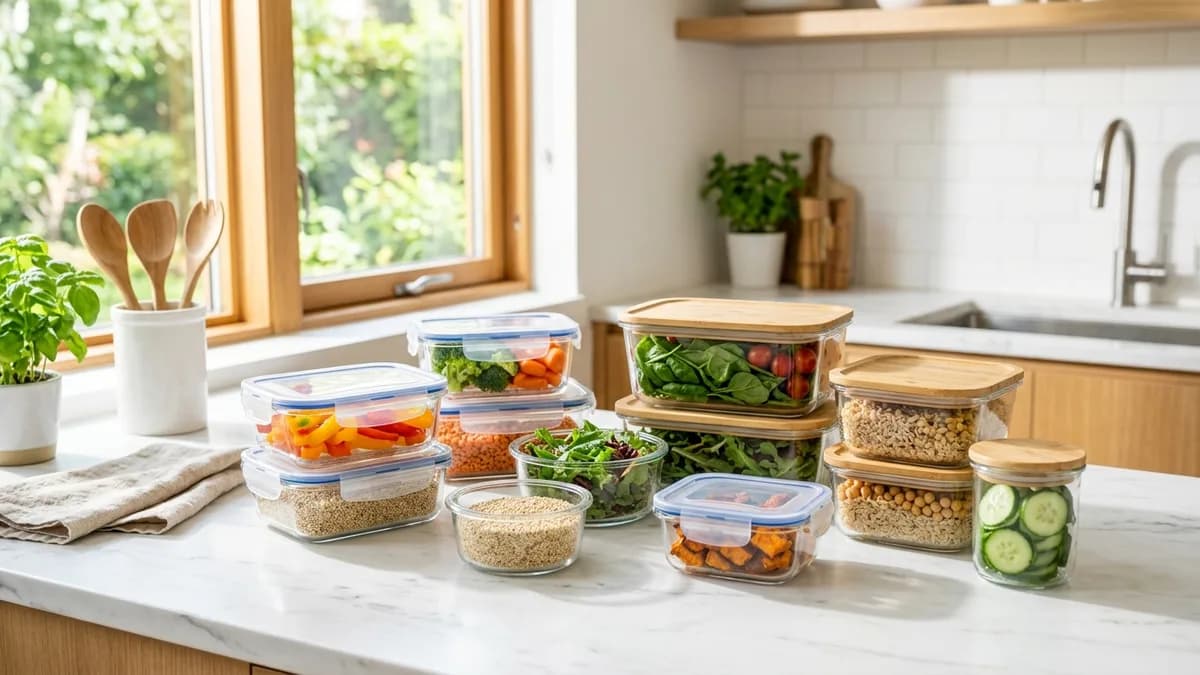
If you have been searching for the best food storage containers glass options to upgrade your kitchen in 2026, you are in exactly the right place. Glass food storage containers have surged in popularity across American households, and for good reason. They are durable, non-toxic, dishwasher-safe, and genuinely beautiful to look at. Whether you are a dedicated meal prepper, a leftovers-conscious home cook, or simply someone who wants to ditch plastic for good, this comprehensive review guide breaks down everything you need to know before you buy, from lid types and glass materials to size sets and specific use cases.
Why Glass Wins: The Case for Glass Food Storage Containers
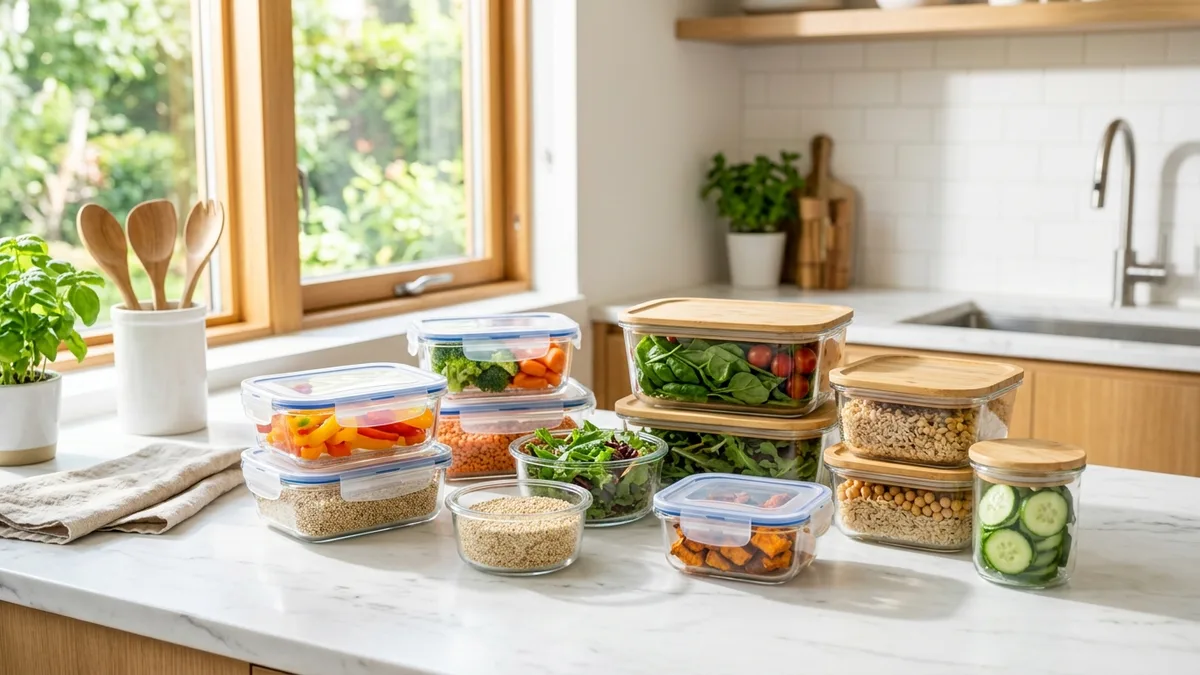
Not all food storage is created equal. Plastic containers can absorb odors, warp in the microwave, and raise questions about chemical leaching over time. Glass, by contrast, is non-porous, meaning it does not absorb flavors, stains, or odors from your food. According to Good Housekeeping, glass is one of the safest and most durable materials you can choose for storing food at home.
Here is why so many American home cooks are switching to glass in 2026:
- Non-toxic and BPA-free by nature, no chemical additives required
- Odor and stain resistant, so your containers stay crystal clear even after storing tomato sauce or curry
- Oven, microwave, freezer, and dishwasher safe (depending on the specific product)
- Environmentally sustainable, as glass is infinitely recyclable
- Long-lasting, with proper care glass containers can last for years or even decades
- Visually appealing, making pantry and fridge organization look polished and intentional
For a deeper look at how glass compares to other food storage materials, check out our guide on glass containers for food storage and our complete comparison in best storage food containers.
Types of Glass Used in the Best Food Storage Containers
Before you spend a dollar, understanding the type of glass in a container is essential. Not all glass food storage containers are built the same, and the material directly impacts performance, safety, and longevity.
Tempered Glass
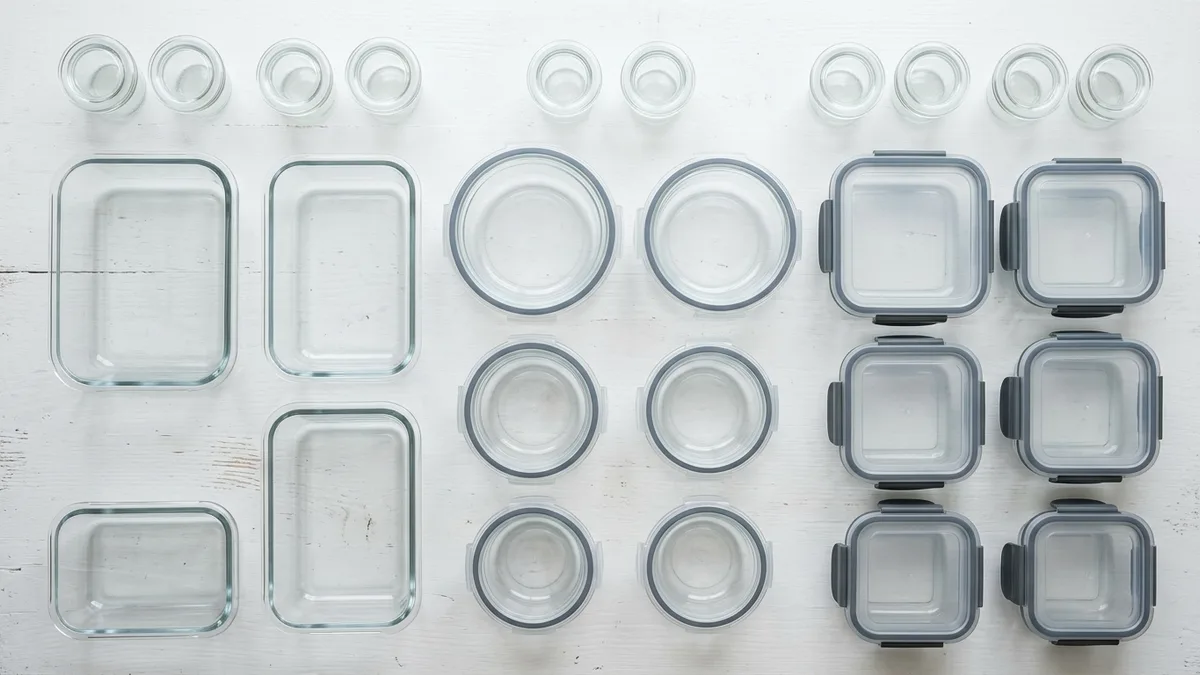
Tempered glass is the most common material found in food storage containers sold in the US market. It is heat-treated to be roughly four to five times stronger than ordinary glass, which makes it highly resistant to thermal shock. Most tempered glass containers are safe to use from the freezer straight to the microwave, though always check the manufacturer's guidelines for specific temperature limits.
Best for: Everyday leftovers, microwave reheating, and dishwasher cleaning
Borosilicate Glass
Borosilicate glass contains boron trioxide, which gives it exceptional resistance to extreme temperature changes. It is the gold standard for lab glassware, and for food storage it means you can move a container from a cold freezer into a hot oven without cracking. Borosilicate containers tend to be slightly more expensive than tempered glass, but the performance payoff is significant.
Best for: Baking, oven-to-table serving, and high-heat applications
Soda-Lime Glass
Soda-lime glass is the most basic and most affordable type. While it works fine for storing room-temperature foods or refrigerator leftovers, it is more susceptible to thermal shock. You should avoid moving soda-lime glass containers from extreme cold to extreme heat.
Best for: Pantry staples, dry goods, and non-heated food storage
If oven use is a priority for you, always look specifically for borosilicate glass. For general meal prep and microwave use, high-quality tempered glass is the sweet spot of performance and value.
What Makes the Best Glass Food Storage Containers: Key Features to Evaluate
When I review glass food storage containers, I look at a specific checklist of features that separate genuinely great products from mediocre ones. Here is what matters most:
Lid Quality and Seal Type
The lid is often where glass containers succeed or fail. A leaky lid makes your meal prep investment worthless the moment something spills in your bag. Look for these lid types:
- Snap-lock plastic lids with silicone gaskets are the most common and offer a reliable airtight seal for liquids and soups
- Locking clip lids (4-sided clips) provide an even more secure seal and are ideal for transporting lunches
- Bamboo or wood lids are stylish and eco-friendly but are generally not airtight and better suited for pantry storage
- Glass lids offer a chemical-free option but are heavier and can chip
For a dedicated deep dive on lid options, our article on glass food storage containers with glass lids covers everything you need to know.
Size and Set Variety
The best food storage containers glass sets offer a range of sizes to cover every scenario. A well-rounded set typically includes:
- Small containers (around 0.5 to 1 quart) for sauces, dips, and single servings
- Medium containers (1.5 to 2 quarts) for side dishes, salads, and lunch portions
- Large containers (3 to 4 quarts) for big batch meals, soups, and casseroles
- Extra-large or rectangular baking-style containers for full meal preps
Stackability
Kitchen cabinet and refrigerator space is precious. The best glass containers are designed to stack cleanly, both when filled with lids on and when empty (nesting). Flat-bottomed, uniform-depth designs stack far better than irregular shapes.
Oven, Microwave, Freezer, and Dishwasher Compatibility
Always check that your glass containers are rated for all four of these uses. A container that is only microwave-safe is less versatile than one you can move from freezer to oven to dishwasher without a second thought.
Best Glass Food Storage Containers: Top Picks by Use Case in 2026
Rather than ranking by brand popularity alone, I have organized these recommendations by how and where you plan to use them. This makes it much easier to match a container to your actual lifestyle.
Best for Meal Prep: Rectangular Sets with Snap-Lock Lids
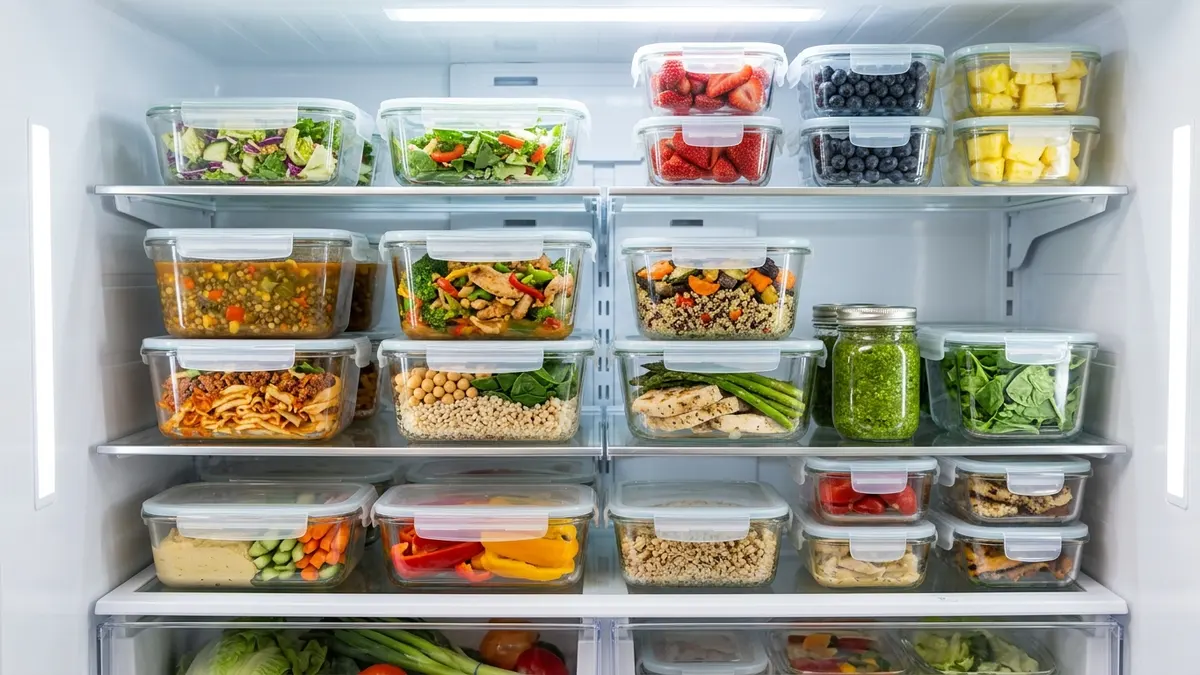
For Sunday meal preppers stacking containers in the fridge for the week ahead, rectangular glass containers with four-sided locking lids are the top choice. They maximize fridge shelf space, stack uniformly, and the snap-lock lids keep soups and grain bowls secure during commutes.
What to look for: Sets of 5 to 10 pieces that include at least two or three size options, lids with silicone gaskets, and a flat base for stable stacking. Expect to pay anywhere from US$35 to US$70 for a quality set of this kind.
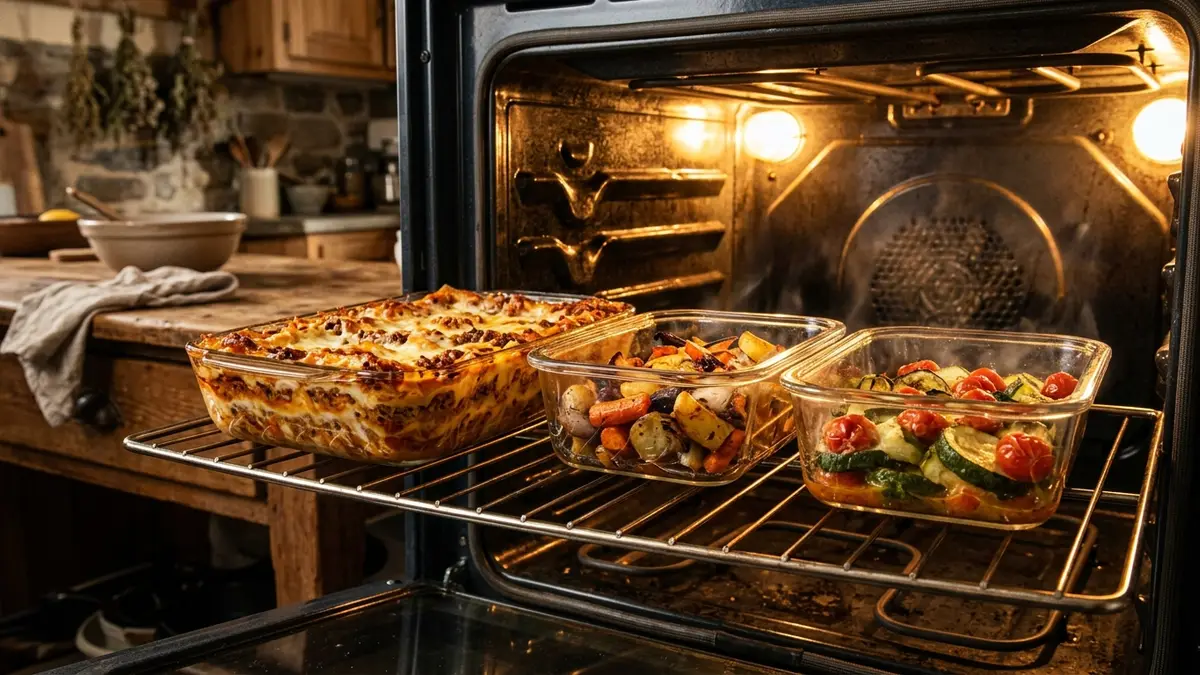
Best for Oven Baking: Borosilicate Rectangular Containers
If you like to prep and bake in the same dish, borosilicate glass rectangular containers are your best friend. These go from fridge to oven without cracking, and many can handle temperatures up to 450 degrees Fahrenheit.
What to look for: Oven-safe rating clearly stated on the product, borosilicate material specification, and lids that can be stored separately when oven use is needed.
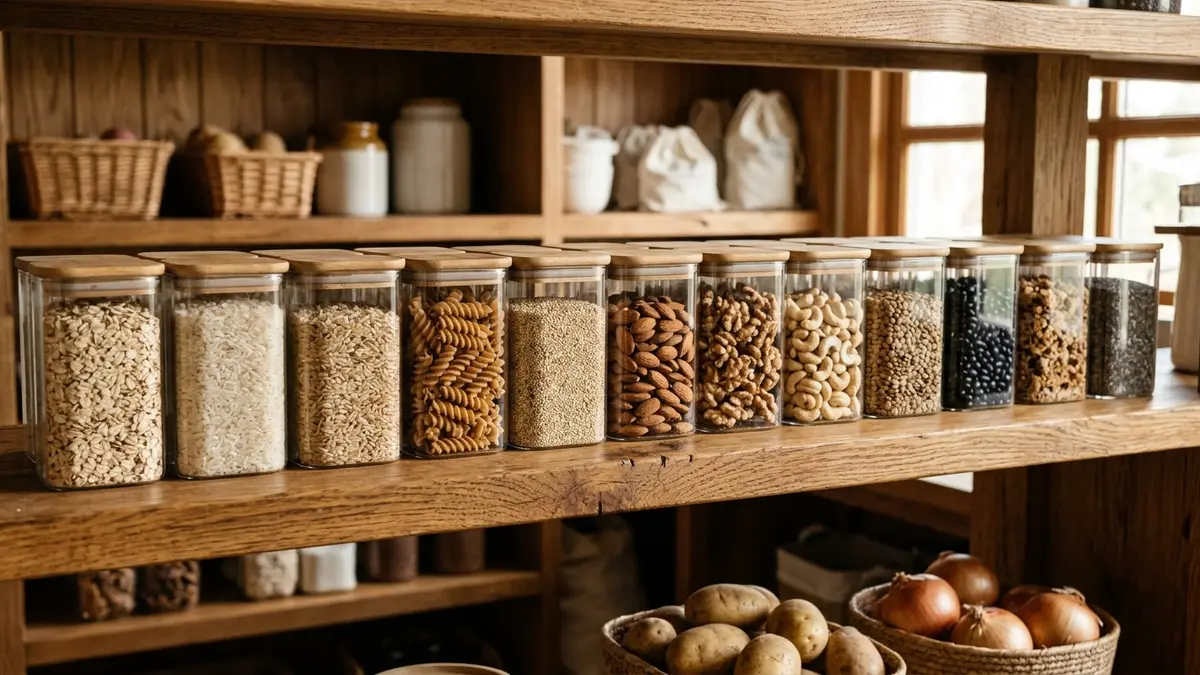
Best for Pantry Organization: Square Glass Containers with Bamboo Lids
For storing dry pantry staples like oats, nuts, rice, and pasta, square glass containers with bamboo or wood lids are both functional and stunning. They create a cohesive, organized pantry aesthetic that has become a staple of home organization content in 2026.
What to look for: Uniform square shapes that line up perfectly on shelves, wide-mouth openings for easy scooping, and tight-fitting bamboo lids to keep contents fresh.
For complete pantry organization inspiration, see our guide on food storage containers for pantry.
Best for Soups and Liquids: Round Containers with Secure Locking Lids
Soups, stews, smoothies, and sauces need a container with a truly leak-proof seal. Round glass containers with 4-clip locking lids and silicone gaskets are the most reliable choice for liquid-heavy storage.
What to look for: A clearly labeled leak-proof or airtight rating, a thick silicone gasket around the lid perimeter, and wide, stable bases so they sit securely in the fridge without tipping.
Best Budget-Friendly Option: Basic Tempered Glass Sets
Not every kitchen upgrade needs to be expensive. There are excellent tempered glass container sets on the market in the US$20 to US$35 range that deliver solid performance for everyday use. These are a great starting point if you are transitioning away from plastic for the first time.
What to look for: At minimum, dishwasher and microwave safe ratings, a silicone-sealed lid, and tempered glass construction. Read reviews carefully to confirm lids do not crack or warp after repeated dishwasher cycles.
How to Care for Your Glass Food Storage Containers
Even the best food storage containers glass products require proper care to stay in top condition for years. Follow these tips to extend the life of your investment:
- Avoid sudden temperature extremes. Even tempered glass can crack if moved directly from a very hot oven to a cold wet surface. Let containers cool slightly before placing on a cold countertop or running cold water over them.
- Hand wash lids when possible. Plastic and bamboo lids can warp or degrade over time in the dishwasher. Hand washing with warm soapy water keeps them sealing properly for longer.
- Do not overfill for freezing. Liquids expand as they freeze. Leave at least half an inch of headspace in glass containers before placing them in the freezer.
- Inspect for chips before use. A chipped or cracked glass container should be retired immediately. Even small chips can spread during heating.
- Store lids separately or upside down. Stacking lids loosely prevents the silicone gaskets from getting compressed and losing their seal.
For more tips on keeping food fresh longer, check out our guide how to store food to last longer and our article on airtight food storage containers.
Glass vs. Plastic vs. Stainless Steel: How Does Glass Stack Up?
You may be weighing glass against other popular food storage materials. Here is a quick, honest comparison:
Glass vs. Plastic:
- Glass is heavier but does not absorb odors or stains like plastic can
- Glass is oven-safe; most plastic is not
- Glass does not leach chemicals, even when heated
- Plastic is lighter and less likely to break if dropped
Glass vs. Stainless Steel:
- Glass allows you to see contents at a glance; stainless steel does not
- Stainless steel is more lightweight and virtually unbreakable
- Glass is microwave-safe; most stainless steel is not
- Both are non-toxic and non-porous
For most American households, glass hits the best all-around balance of safety, visibility, versatility, and aesthetics. According to The Spruce, glass containers are particularly recommended for meal preppers and families who frequently reheat food directly in the storage container.
If you are also interested in stainless steel options, our guide on stainless food storage containers offers a thorough breakdown.
Smart Buying Tips: Getting the Best Value on Glass Food Storage Containers
Before you add anything to your cart, here are my top buying tips for 2026:
- Buy sets, not singles. Sets almost always offer better per-piece value and give you the size variety you actually need.
- Prioritize lid durability. Read user reviews specifically about lid longevity. A great glass container with a bad lid is a bad product.
- Check for replacement lid availability. Some brands sell replacement lids separately, which is a huge bonus since lids tend to fail before the glass does.
- Look for oven-safe ratings if you bake. Not all glass containers are oven-safe, and this matters if you plan to cook directly in them.
- Consider your storage space. Square and rectangular containers make far better use of cabinet and fridge real estate than round ones.
- Read the fine print on freezer use. Some containers are freezer-safe only when not completely full, and some require thawing before microwaving.
- Choose uniform sets for pantry use. When using glass containers for pantry staples, buying matching sets creates a clean, cohesive look that makes your space feel genuinely organized.
The smartest kitchen investment you can make in 2026 is a matched set of high-quality glass food storage containers that covers small, medium, and large sizes across multiple lid styles.
Related Products from Sesoris
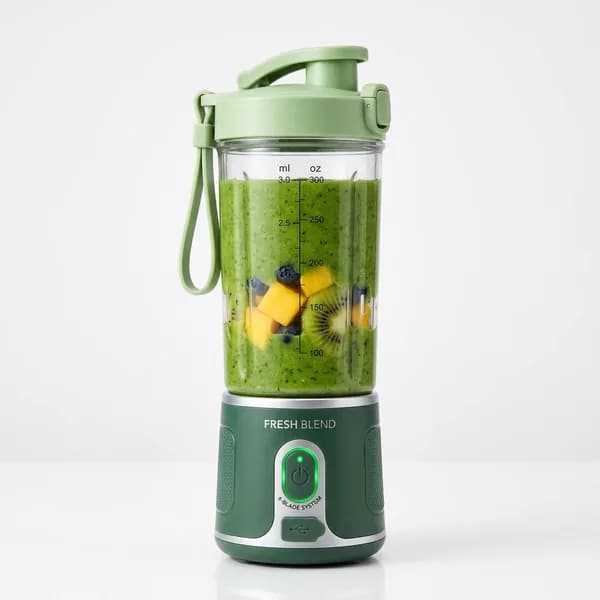
If you want to turn this guide into a real setup, start with Stainless Steel 2-Tier Dish Rack and Portable Blender. For broader options, browse the Kitchen & Dining collection so the article journey does not stop at reading only.
Our practical rule: choose one product that solves the main clutter problem first, then add supporting organizers only when the daily workflow is already clear. This keeps the shopping path useful, not pushy.
FAQ: Best Food Storage Containers Glass
Q: Are glass food storage containers really safe for the microwave?
Yes, most tempered and borosilicate glass containers are microwave-safe, but always remove the lid before microwaving unless the lid is specifically rated for microwave use. Plastic lids, even BPA-free ones, are generally not recommended for microwave heating.
Q: Can I use glass food storage containers in the oven?
Only if they are explicitly rated as oven-safe. Borosilicate glass containers are the most reliably oven-safe option, typically handling temperatures up to 450 degrees Fahrenheit. Standard tempered glass is usually not recommended for oven use.
Q: How do I prevent my glass containers from cracking in the freezer?
Leave at least half an inch of headspace in any container you plan to freeze, since liquids expand as they freeze. Also, avoid moving glass directly from the freezer to a hot surface without allowing it to come to room temperature first.
Q: What size glass food storage containers should I buy first?
If you are just starting out, I recommend a set that includes at least one small (around 1 quart), one medium (around 2 quarts), and one large (around 3 to 4 quarts) container. This covers the widest range of everyday storage needs without overwhelming your cabinets.
Q: Are glass food storage containers worth the higher price compared to plastic?
For most households, yes. Glass containers last significantly longer than plastic, do not absorb odors or stains, and are safe for oven and microwave use. Over the long run, a quality glass set is actually more cost-effective because you are not replacing containers every year or two.
Q: What is the best lid type for glass food storage containers?
For leak-proof performance, a four-sided snap-lock lid with a silicone gasket is the best choice. For pantry storage, bamboo lids are attractive and functional. For oven use, store the lid separately and cover with foil if needed.
Conclusion: Find the Best Food Storage Containers Glass for Your Kitchen
Choosing the best food storage containers glass for your home comes down to understanding your specific needs: how you cook, how you store, and how much you use your containers day to day. In 2026, the American market offers outstanding glass storage options across every price point, from budget-friendly tempered glass starter sets to premium borosilicate collections built to last a lifetime.
The key takeaways from this review are simple. Prioritize lid quality and seal integrity. Choose borosilicate glass if oven use matters to you. Buy uniform sets for pantry organization. And always leave freezer headspace to prevent cracking.
Whether you are building a meal prep routine, organizing your refrigerator, or creating a beautiful open pantry display, glass food storage containers are one of the smartest, most versatile investments you can make in your kitchen. Explore the full range of home organization and kitchen storage solutions at Sesoris and check out our best sellers and new arrivals for the latest options that help you live more organized.
Weekly Home Tips
Get home organization ideas, product picks, and exclusive deals delivered weekly.
No spam. Unsubscribe anytime.
Explore More Articles
- 25+ Best Under Stairs Closet Storage Ideas to Transform Dead Space in 2026
- How to Declutter Office: The Complete 2026 Step-by-Step Guide to a Clean, Productive Workspace
- 30+ Best Shoe Rack Ideas to Organize Your Home in 2026
- 30+ Best Bathroom Organization Ideas to Maximize Every Inch in 2026
- Modular Shelving System: The Complete 2026 Guide to Flexible, Stylish Home Organization
- 20+ Best Under Dorm Bed Storage Ideas to Maximize Every Inch of Your Room in 2026
- 30+ Stunning Indoor Plant Wall Shelf Ideas to Greenify Your Home in 2026
- 25+ Best Under Bathroom Sink Organization Ideas to Maximize Every Inch in 2026