
How to Declutter Your House: The Complete 2026 Room-by-Room Guide
Ready to declutter your house? This complete 2026 guide walks you through every room with practical tips, tools, and storage solutions. Start today!

If you have been putting off the task to declutter your house, you are definitely not alone. Clutter has a way of creeping up quietly until one day you open a closet and everything tumbles out at you. The good news? Tackling the mess does not have to be overwhelming or expensive. In this complete 2026 guide, I am going to walk you through a practical, room-by-room approach to declutter your house for good, plus share the best storage solutions to keep everything organized once you are done. Whether you are starting fresh or finally finishing a project you abandoned last year, this guide is your roadmap to a calmer, more functional home.
Why It Matters to Declutter Your House in 2026
The push to simplify living spaces has only grown stronger heading into 2026. According to The Spruce, a cluttered environment can contribute to increased stress, difficulty concentrating, and even disrupted sleep. And with more Americans than ever working and spending time at home, having a space that feels organized and intentional matters more than ever.
Beyond the mental health benefits, decluttering also has practical advantages. You save time when you can actually find things. You save money because you stop buying duplicates of items you already own but could not locate. You may even discover sellable items you forgot you had. And perhaps most importantly, decluttering creates the foundation for an organized home that actually stays tidy long-term.
Research from Good Housekeeping suggests that the average American home has far more possessions than its occupants regularly use, which means most of us are managing and cleaning around things that are not adding value to our daily lives. The first step toward changing that is making a commitment to declutter your house, one room at a time.
The Golden Rules Before You Start to Declutter Your House
Before diving into any specific room, there are a few ground rules that make the entire process smoother. These are not abstract principles. They are the practical decisions that will save you hours of backtracking and second-guessing.
Rule 1: Work One Room at a Time
One of the biggest mistakes people make is pulling everything out of every space at once. You end up with piles everywhere and no energy left to deal with them. Instead, commit fully to one room before moving on. Finishing a room gives you a confidence boost that carries you into the next space.
Rule 2: Use the Four-Box Method
Set up four clearly labeled boxes or bags before you start sorting any room:
- Keep - items you use regularly and genuinely love
- Donate or Sell - items in good condition that someone else could use
- Trash - broken, expired, or worn-out items
- Relocate - items that belong in a different room
This system prevents you from making slow, tortured decisions about every single item. You just sort quickly and make final decisions later.
Rule 3: Set a Time Limit
Decluttering sessions that go on indefinitely lead to burnout. Set a timer for 45 minutes to two hours per session, depending on your energy level. You will be surprised how much you can accomplish in focused bursts. Take breaks, hydrate, and give yourself credit for progress.
Rule 4: Have a Plan for Items Leaving the House
Before you start, know where donated items are going. Whether that is a local thrift store, a donation bin, or a community Facebook group, having a plan means bags and boxes actually leave your home instead of sitting in the garage for six months.
Room-by-Room Guide to Declutter Your House
The Kitchen
The kitchen is often one of the most cluttered rooms in the house because it serves so many functions. Start by clearing every countertop completely. Then work through cabinets and drawers.
Countertops: Ask yourself which appliances you use at least once a week. Those earn counter space. Everything else gets stored or donated. A blender you use monthly does not need to sit out daily.
Pantry and cabinets: Pull everything out and check expiration dates on food items. Toss anything expired. Group like items together and consider investing in airtight food storage containers to keep pantry staples fresh and visible. Clear containers make it easy to see what you have so you stop buying duplicates.
Drawers: Most kitchen drawers collect a staggering amount of miscellaneous junk. Pull everything out and only return items you actually use. Use drawer organizers to keep utensils sorted.
Under the sink: This area tends to be a graveyard for half-empty cleaning products. Toss anything that is nearly empty, duplicate, or that you have not used in six months.
The Bedroom
The bedroom should be a sanctuary, but for most people it becomes a storage zone by default. Start with your clothing.
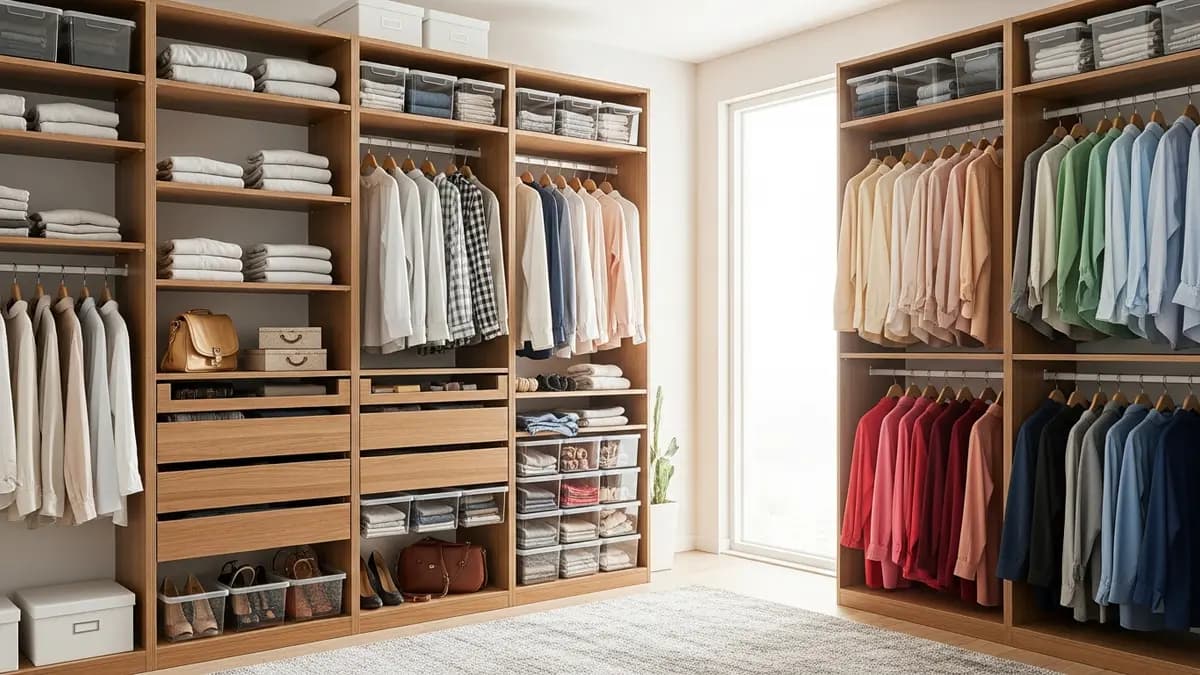
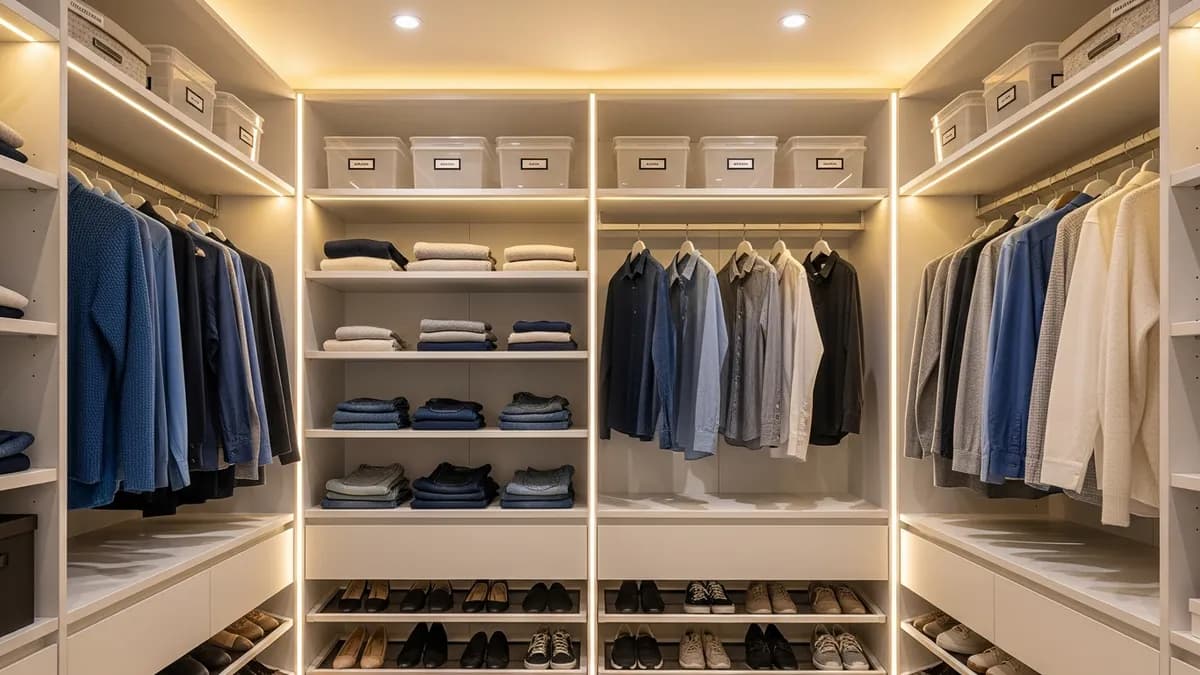
Clothing: Remove everything from your closet and drawers. Try on anything you are unsure about. If it does not fit, flatter you, or make you feel good, it goes. A good rule of thumb: if you have not worn it in the past twelve months, it is time to let it go. Fold and store remaining items neatly using a clothes storage organizer that works for your space.
Under the bed: This hidden zone is valuable real estate. Use flat, lidded storage boxes for home to store seasonal clothing, extra bedding, or shoes. Label each box so you know exactly what is inside without digging.
Nightstands and dressers: Clear surfaces feel calming. Keep only what you genuinely use nightly on your nightstand. Everything else finds a proper home.
The Bathroom
Bathrooms accumulate expired products, duplicates, and forgotten purchases at an alarming rate. Pull everything out from under the sink, out of medicine cabinets, and off shelves.
Toss without guilt: Expired medications, old makeup, nearly empty bottles of shampoo, and products you tried once and hated. Check expiration dates on sunscreens and over-the-counter medications carefully.
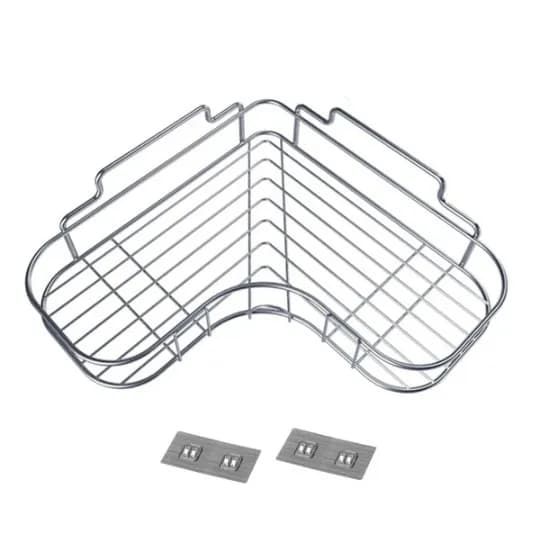
Organize what remains: Group items by category. Daily use items stay accessible. Backup supplies go under the sink in labeled bins. For inspiration on maximizing a small bathroom, check out our bathroom storage ideas guide.
Towels and linens: You really only need two to three towels per person. Pare down your linen collection to what actually fits neatly in your linen closet.
The Living Room
The living room is a communal space that tends to collect items belonging to every member of the household. Start by removing everything that does not belong in this room and relocating it.
Surfaces: Coffee tables, side tables, and entertainment consoles attract clutter. Clear them completely and only return decorative items that are intentional and items you actively use in this room.
Books, magazines, and media: Be honest about what you are actually going to read or watch again. Donate books you finished and did not love. Recycle old magazines. Digital media has replaced much of the physical need for DVDs.
Toy and blanket overflow: If you have kids or just a lot of cozy blankets, use attractive storage baskets or ottomans with hidden storage to keep things tidy. Our blanket storage ideas for living room guide has great options.
The Home Office
Paper is the enemy of an organized office. Most of it can be scanned and stored digitally or shredded entirely.
Paper purge: Go through every pile. Keep only documents you legally need to retain. Shred the rest. Use a filing system for what stays.
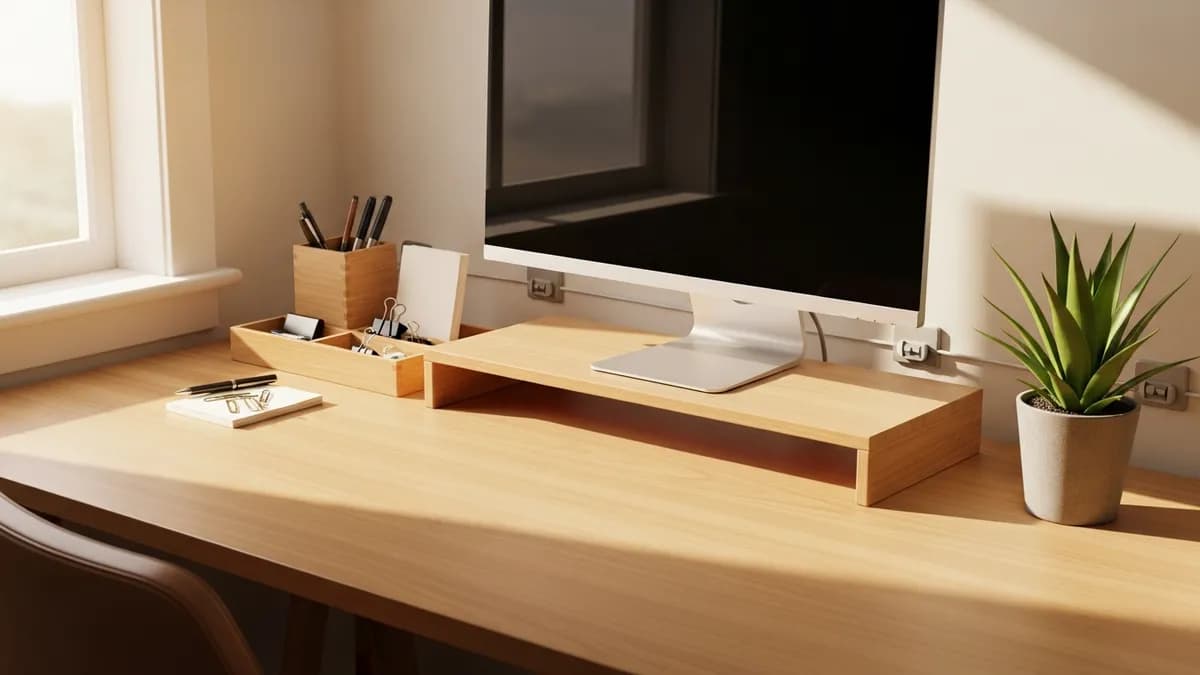
Supplies: Most people have more pens, sticky notes, and paper clips than they could ever use. Pare down to a reasonable amount and store the rest or donate to a school.
Tech clutter: Old cables, chargers for devices you no longer own, and broken electronics are common culprits. Responsibly recycle old tech through an e-waste program.
The Garage
The garage is often where things go to be forgotten. It deserves a dedicated decluttering session, and honestly, possibly a whole weekend. For a deep dive, read our how to declutter garage guide.
Sort tools, sports equipment, holiday decorations, and automotive supplies into categories. Be ruthless about items that are broken, redundant, or have not been used in years. Invest in proper garage storage solutions like wall-mounted racks and labeled bins to keep what remains organized.
Best Storage Solutions to Maintain a Decluttered House
Decluttering is only half the battle. The other half is making sure clutter does not creep back. The right storage solutions make staying organized almost effortless. Here are the categories worth investing in:
Clear Storage Bins and Boxes
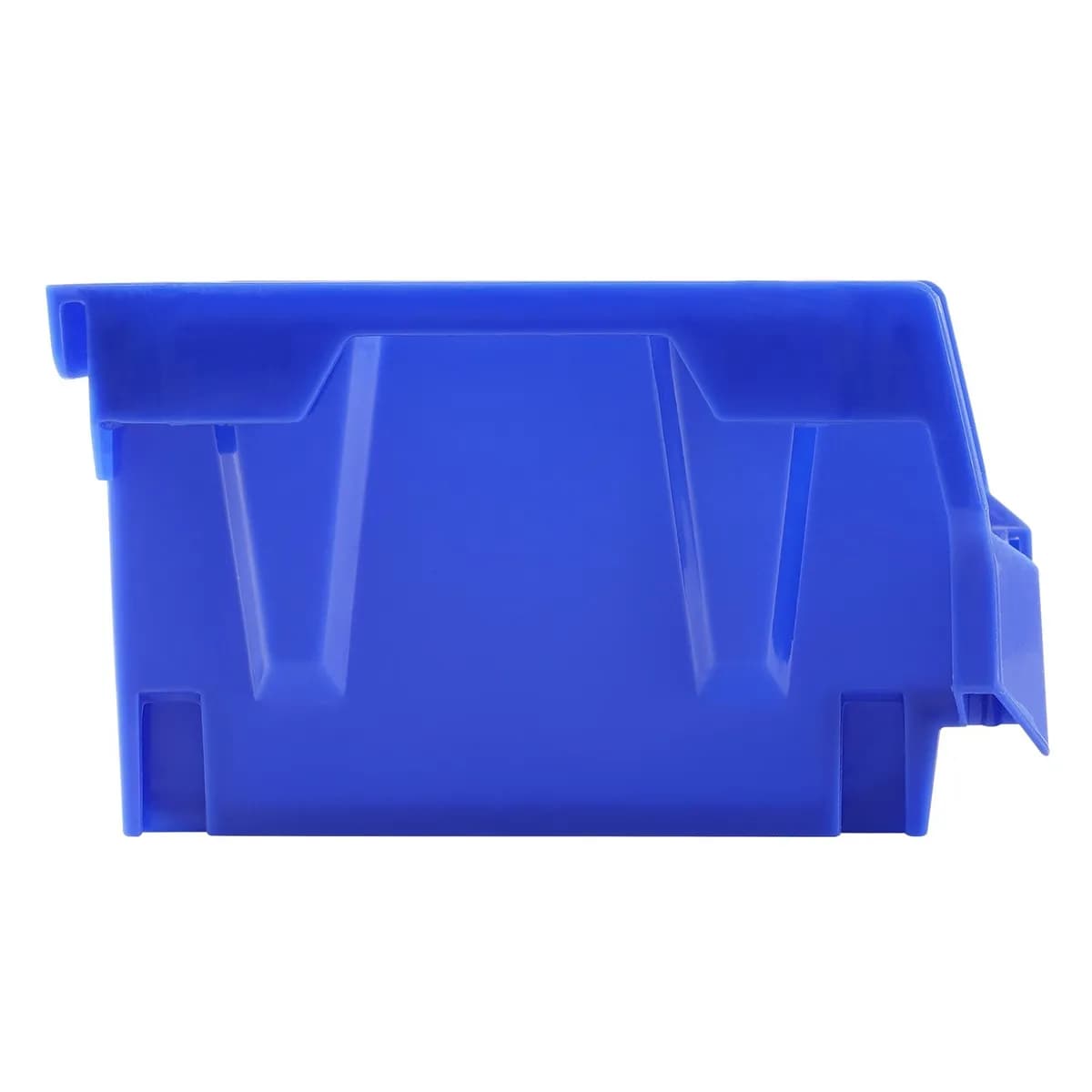
Visibility is everything. When you can see what is inside a container without opening it, you are far more likely to put things back where they belong. Look for stackable options with secure lids. Browse the Sesoris collections for storage bins that work for pantries, closets, and garages alike.
Labels
A labeled home is a maintained home. When every bin, basket, and shelf has a clear label, every household member knows exactly where things live and where they return to. This sounds simple but it is transformative. Check out our storage bin labels guide for ideas on building a labeling system.
Drawer Organizers
Drawers without dividers become junk drawers within weeks. A simple set of drawer organizers sorted by category will keep your kitchen, bathroom, and office drawers tidy long after the initial declutter.
Airtight Pantry Containers
For the kitchen, switching to uniform airtight containers for grains, pasta, snacks, and baking supplies makes a visible difference. Everything looks cleaner, food stays fresher, and you always know what you are running low on. Explore our best sellers for top-rated food storage options.
Under-Bed and Over-Door Storage
Maximize every inch of your home by using spaces that typically go unused. Flat storage boxes under beds and over-door organizers in bathrooms, closets, and pantries can dramatically increase your usable storage without adding any furniture.
The key to a home that stays organized is not willpower. It is systems. Build the right systems and organization becomes automatic.
How to Stay Decluttered After You Declutter Your House
Many people declutter their house beautifully and then watch it slowly slide back to its original state within a few months. Here is how to break that cycle for good:
- Adopt the one-in, one-out rule. Every time something new comes into your home, something old leaves. Bought a new pair of sneakers? Donate the old ones the same day.
- Do a 10-minute daily reset. Before bed, spend ten minutes returning items to their designated spots. This prevents small messes from becoming overwhelming.
- Schedule quarterly declutters. Seasons change, needs change, and stuff accumulates. A 30 to 60 minute quarterly sweep through each room keeps things from getting out of hand.
- Be intentional about what comes in. Before any purchase, ask yourself where it will live and whether you genuinely need it. Impulse buying is one of the fastest ways to undo all your hard work.
- Make decluttering a family habit. If you share your home with others, get everyone on board. Assign homes for shared items and make putting things back a household norm, not just your personal responsibility.
According to Real Simple, building small daily habits around organization is far more effective long-term than periodic marathon cleaning sessions. The goal is to make tidiness the default state of your home rather than something you have to work hard to achieve.
Related Products from Sesoris
If you want to turn this guide into a real setup, start with Stackable Storage Bins, 24 Pack and Pull-Out Cabinet Organizer, 17 in. Wide. For broader options, browse the Home & Decor collection so the article journey does not stop at reading only.
Our practical rule: choose one product that solves the main clutter problem first, then add supporting organizers only when the daily workflow is already clear. This keeps the shopping path useful, not pushy.
FAQ: Frequently Asked Questions About How to Declutter Your House
Q: Where should I start when I want to declutter my house?
Start with the room or area that bothers you the most. For most people, that is the kitchen or the main living area because those spaces affect daily life the most. Getting a quick win in a high-traffic space gives you momentum to tackle less visible areas like guest rooms or storage closets.
Q: How long does it take to fully declutter a house?
It depends entirely on the size of your home and how much stuff you have accumulated. A small apartment might take a focused weekend. A larger home with years of accumulated belongings could take several weeks of consistent sessions. The key is not to rush. Slow, thorough decluttering that sticks is far better than a frantic purge that leaves you burned out and back where you started.
Q: What should I do with items I am not sure about?
Use the box method: put uncertain items in a box, seal it, and write a date on it 90 days from now. If you have not opened the box looking for something specific by that date, donate it without looking inside. This removes the emotional attachment that makes decision-making hard.
Q: Is it worth hiring a professional organizer?
For some people, especially those dealing with very large spaces or years of accumulated clutter, a professional organizer can absolutely be worth the investment. They bring objectivity and systems knowledge that can cut the timeline significantly. However, most homes can be successfully decluttered by the homeowner using a consistent room-by-room approach like the one outlined in this guide.
Q: What are the best storage products to buy after decluttering?
Focus on clear bins, drawer organizers, airtight food containers, and label makers. Avoid buying too many storage products before you have finished decluttering. You may end up with storage for things you should have gotten rid of. Declutter first, then assess what storage you actually need. Visit Sesoris new arrivals for the latest home organization products that make post-declutter maintenance easier.
Q: How do I declutter sentimental items without feeling guilty?
Sentimental items are the hardest category. Give yourself permission to keep what genuinely brings you joy and has a real place in your home. For items that hold memories but are not display-worthy or useful, consider photographing them before donating. The memory lives on without the physical object taking up space.
Conclusion: Ready to Declutter Your House for Good?
Learning how to declutter your house is one of the most impactful things you can do for your daily quality of life in 2026. A clutter-free home is not just prettier. It is calmer, more functional, and easier to maintain. By working through each room systematically, using the four-box method, and investing in smart storage solutions, you can transform your space in ways that last.
Remember, the goal is not perfection. The goal is a home that works for you, one where you can find what you need, move through spaces easily, and actually relax. Start with one room this weekend. You will be amazed at how good it feels to get going.
When you are ready to set up the storage systems that keep your home organized long after the initial declutter, Sesoris has everything you need. From airtight pantry containers to stylish storage bins and drawer organizers, browse our full shop to find the products that will help you live more organized, every single day.
Liked this guide?
Get new organizing guides and the occasional new product by email. No spam, unsubscribe anytime.
Related articles
Explore more articles
- 35+ Best Small Home Organization Ideas to Maximize Every Inch in 2026
- Outdoor Plant Stand Ideas for Any Space
- Where to Buy Kitchen Racks: Best Places to Shop in 2026
- Minimalist Kitchen Inspiration: 30+ Modern Ideas 2026
- Spring Cleaning Checklist 2026: Room-by-Room Deep Clean
- Minimalist Shelf Ideas: 25+ Stylish Picks for 2026
- Glass Containers Food Storage: The Ultimate Inspiration Guide to a Beautiful, Organized Kitchen in 2026
- 30+ Best Closet Organization Ideas for Nursery: Create the Perfect Baby Storage Space in 2026