
Garage Organization Ideas on a Budget: 20 Cheap Fixes That Actually Last
Garage organization ideas on a budget: free decluttering wins, DIY shelves, repurposed storage, and a spend-or-save plan that puts every dollar where it counts.
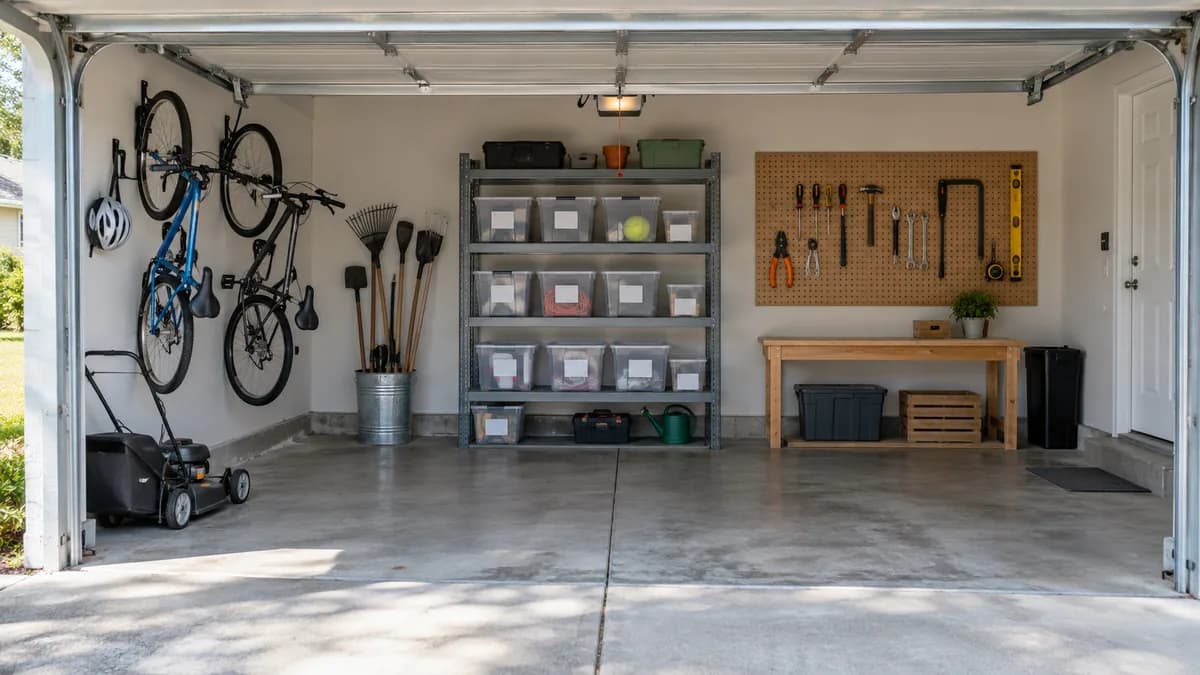
The garage is where good intentions go to pile up. Holiday boxes, half-empty paint cans, three kinds of extension cords and a bike nobody rides all compete for floor space, and the car ends up in the driveway. The good news is that the best garage organization ideas on a budget rely far more on decisions than on money. Most of the transformation comes from clearing out, grouping things into zones, and getting items off the floor.
This guide gives you 20 low-cost fixes, sorted from free to moderate spending, plus a simple spend-or-save plan so you know where a little money makes a big difference. We keep it practical: no fancy cabinet systems, no prices we cannot back up, just methods that work in a typical American two-car garage. If you later want to compare bigger systems, our best garage storage solutions guide covers them in depth.
Start Free: Declutter Before You Buy Anything
The cheapest storage is the storage you do not need. Before you spend a single dollar on shelves or bins, take everything out of at least one wall or corner and sort it. Every item you donate, sell or recycle is one less thing you have to store, and it shrinks the shopping list for the rest of the project.
Work in a single section at a time rather than emptying the entire garage at once. A full garage purge sounds efficient, but it usually ends with a driveway full of stuff and no energy left to put it back. Our step-by-step guide on how to declutter the garage breaks the job into manageable sessions.
Use four simple piles: keep, donate or sell, recycle, and dispose of safely. Be honest about duplicates. Most garages hold several of the same tool, cord or cleaning product, and the extras can go.
1. The one-year rule. If you have not used an item in a full year of seasons, it probably does not need prime garage space.
2. Sell or give away bulky items. Old furniture, exercise equipment and kids' gear take up the most room and are often easy to rehome locally.
3. Dispose of chemicals correctly. The EPA explains that products such as paints, cleaners, oils, batteries and pesticides can contain hazardous ingredients and need special care at disposal. Check your local household hazardous waste program rather than putting them in the trash.
4. Consolidate partial containers. Combine half-used bags of potting soil, birdseed or ice melt where it is safe to do so, and toss the empty packaging.
Zone the Garage So Everything Has an Address
Once the clutter is gone, divide the garage into zones based on how you actually use it. Zoning is free, and it is the single biggest reason organized garages stay that way. When every category has an address, putting things away takes seconds instead of decisions.
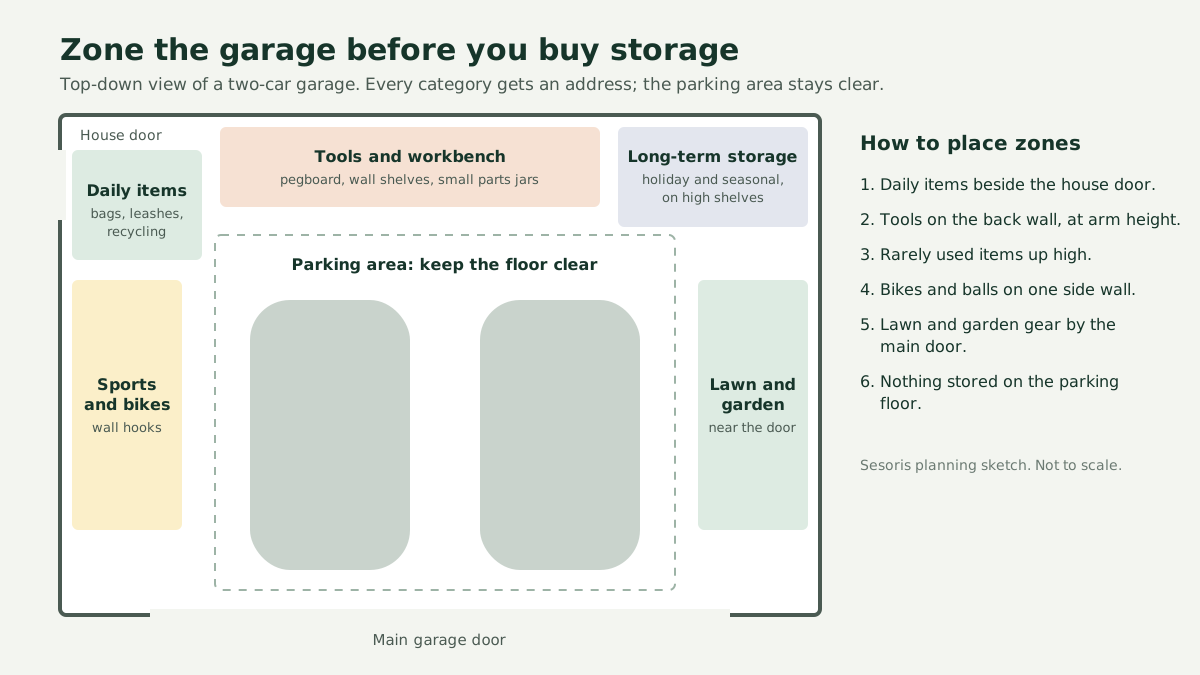
5. Put daily items near the door. Things you grab every day, such as reusable shopping bags, dog leashes and recycling, belong closest to the house entry.
6. Keep the parking area clear. Mark where the car sits and keep that floor empty. Everything else lives on the walls or along the back.
7. Group lawn and garden gear together. Rakes, shovels, the hose and fertilizer go near the big door, where they leave the garage most often.
8. Make a sports and bike corner. Balls, helmets and bikes in one place mean kids know exactly where to return them. Our garage bike storage ideas show more ways to hang bikes safely.
9. Send rarely used items high. Holiday decorations and seasonal clothing can sit on the top shelves or overhead, since you only reach for them a few times a year. See our guide to seasonal decor storage for packing tips.
Low-Cost Wall Storage: Get Everything Off the Floor
Walls are the most underused storage in nearly every garage, and using them does not have to be expensive. Getting items off the floor makes the space easier to sweep, protects things from water and makes it obvious when something is out of place.
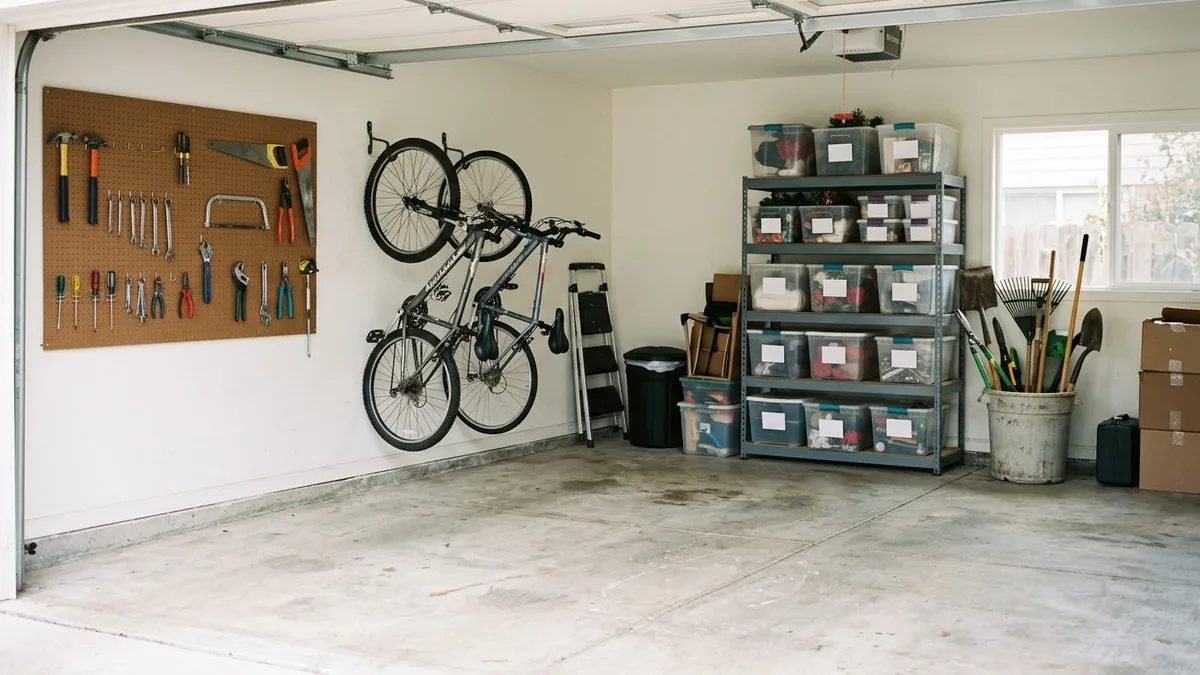
10. Pegboard for hand tools. A pegboard panel with simple hooks is one of the least expensive ways to organize tools. Outline each tool with a marker so you can see at a glance what is missing. Our pegboard garage organization guide covers layout and hook types.
11. Basic utility hooks. Heavy-duty screw-in hooks fastened into studs can hold ladders, extension cords, folding chairs and bikes. They are often the cheapest per item stored.
12. A single rail system along one wall. Instead of buying a full wall system, start with one horizontal rail and a few hooks in the area you use most, then expand later if it works.
13. Wall shelves above the workbench. One or two plain shelves above a bench keep often-used supplies in reach. Our garage wall shelf ideas show sturdy, simple designs.
Whatever you hang, fasten it into studs whenever possible and follow the load rating printed on each hook or bracket. A falling ladder or shelf is a real hazard, and fixing a damaged wall costs more than doing it right the first time.
DIY Shelving That Beats Store-Bought on Price
Freestanding shelving is the workhorse of garage storage. If you have basic tools, building your own from lumber and plywood is often cheaper than buying a finished unit, and you can size it exactly to your wall and bins.
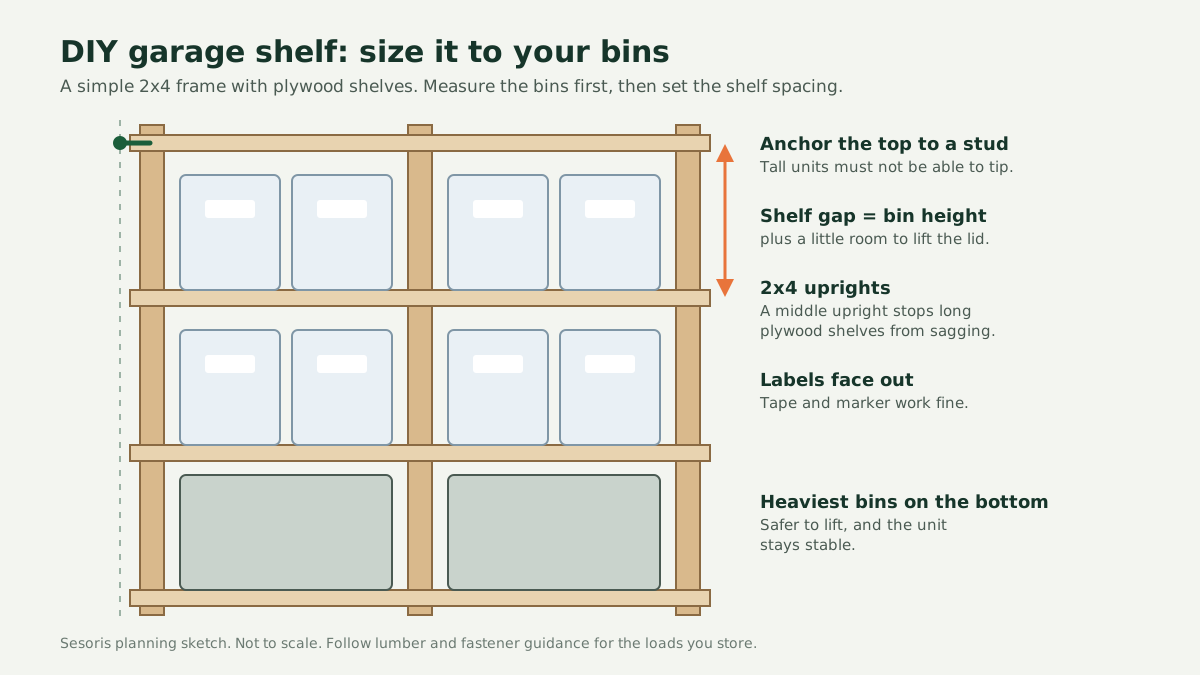
14. A 2x4 and plywood shelf unit. A simple frame of 2x4 lumber with plywood shelves can hold heavy bins and fit wall to wall. Our guide to DIY garage shelves walks through planning, materials and assembly step by step.
15. Size the shelves to your bins. Measure the bins you own or plan to buy first, then set the shelf height and depth to match. This avoids wasted space above each bin and makes the shelves look neat.
16. Use the space above the garage door. Where the door track allows it, a shelf mounted high on the wall can hold long, light items. Our overhead garage storage solutions guide explains clearance and safety considerations before you build up.
For more ideas that combine DIY projects with simple purchases, browse our DIY garage storage ideas. Whether you build or buy, keep heavy items on the lower shelves and secure tall units to the wall so they cannot tip.
Repurpose What You Already Own
Some of the best budget garage storage is already in your home. Repurposing keeps useful things out of the landfill and costs nothing.
17. Glass jars under a shelf. Screw jar lids to the underside of a shelf, then twist the jars on and off. Screws, nails and washers stay visible and off the bench.
18. Old buckets and trash cans for long tools. A sturdy bucket or retired trash can corrals rakes, brooms and shovels upright in a corner.
19. Muffin tins and ice cube trays for tiny parts. They make free sorting trays for small hardware on a workbench.
20. Cardboard boxes as a test run. Before buying bins, try your zones with sturdy boxes for a few weeks. Once you know what works, replace them with clear bins only where you need them.
Here is a quick reference for turning everyday items into free garage storage.
| Household item | Garage use | Best zone |
|---|---|---|
| Glass jars with lids | Screws, nails, washers | Workbench |
| Old bucket or trash can | Rakes, brooms, shovels | Lawn and garden |
| Muffin tin or ice cube tray | Tiny parts while you work | Workbench |
| Sturdy cardboard boxes | Trial run for bin sizes | Any zone |
| Old bookcase or dresser | Shelving or drawer storage | Long-term storage |
Labeling is the cheapest upgrade of all. A strip of masking tape and a marker works, and our free printable storage bin labels give you a cleaner look at no cost. For the bigger picture on labeling systems, see our storage bin labels guide.
Spend or Save: Where a Little Money Goes Furthest
A budget garage is not a no-spend garage. It is a garage where money goes only to the things that make the biggest difference. The table below shows where we think spending pays off and where saving is easy.
| Item | Spend or save | Why |
|---|---|---|
| Decluttering and zoning | Save (free) | Removes the need for most storage purchases |
| Wall hooks fastened into studs | Spend a little | Low cost per item, clears the floor fast |
| Pegboard for hand tools | Spend a little | Inexpensive and keeps tools visible |
| Freestanding shelving | Build or buy | DIY often costs less if you have basic tools |
| Clear bins with lids | Spend selectively | Worth it for long-term and dust-prone items |
| Full cabinet systems | Save until later | Rarely essential for a first organizing pass |
| Labels | Save (free or printable) | Tape and marker work as well as fancy labels |
The plan below shows the order we recommend. It keeps you from buying storage for things you are about to get rid of.
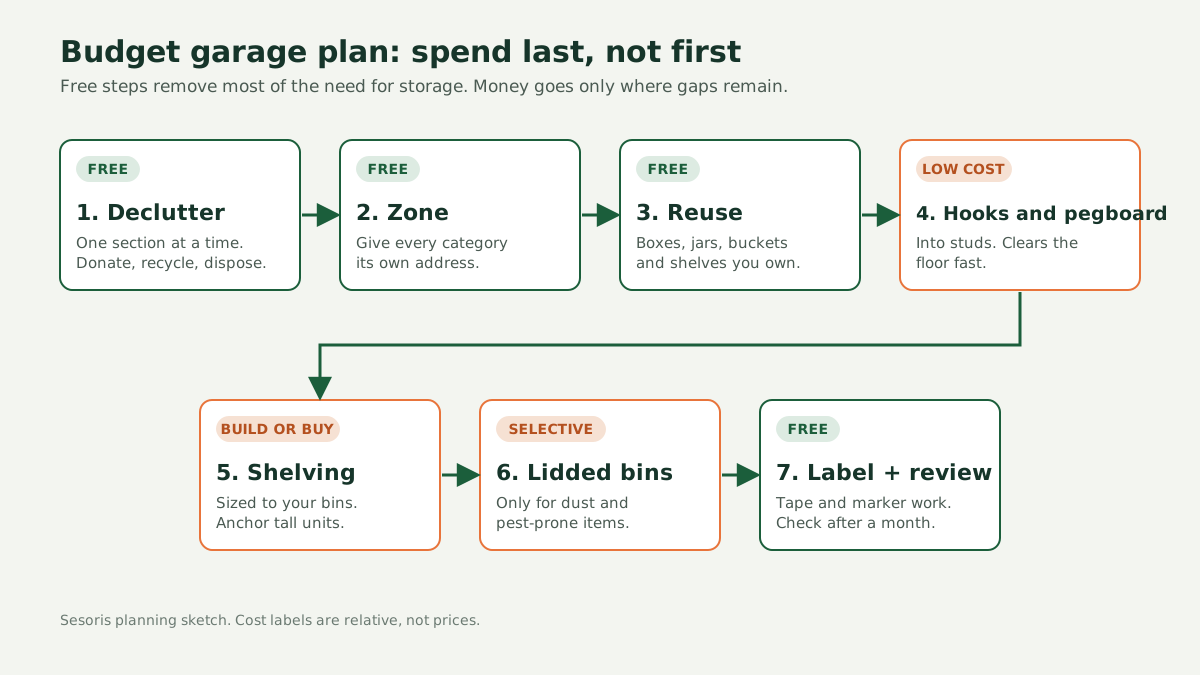
- Declutter one section at a time and remove everything you no longer need.
- Assign zones for parking, tools, lawn and garden, sports and long-term storage.
- Use what you own first: boxes, jars, buckets and existing shelves.
- Buy wall hooks and pegboard to clear the floor in the busiest zones.
- Build or buy shelving sized to your bins.
- Add clear lidded bins only for items that need protection from dust and pests.
- Label everything and review the system after a month.
Safety Rules for a Budget Garage
Saving money should never mean cutting corners on safety. A few rules matter in every garage, no matter how much you spend.
- Never run a vehicle in a closed garage. The CDC warns never to run a car or truck inside a garage attached to a house, even with the garage door open, and never to use a generator inside a garage.
- Store chemicals high and closed. Keep paints, cleaners and pesticides in their original labeled containers, on a high shelf away from children and pets.
- Keep walkways clear. Leave a clear path from the house door to the car and to the main garage door.
- Anchor tall shelving. Freestanding units loaded with heavy bins should be secured to the wall so they cannot tip.
- Keep heavy items low. Put heavy bins and tools on bottom shelves, where they are safer to lift.
Keep It Organized With a Five-Minute Habit
The hardest part of garage organization is not the setup. It is keeping it that way. Build a short routine: once a week, spend five minutes returning stray items to their zones and sweeping the parking area. Once a season, do a quick review and remove anything that crept back in.
Seasonal transitions are the perfect time for a bigger reset, and our spring cleaning checklist includes the garage. If clutter keeps migrating from the house, our guide on how to declutter your home helps stop it at the source.
Related Products from Sesoris
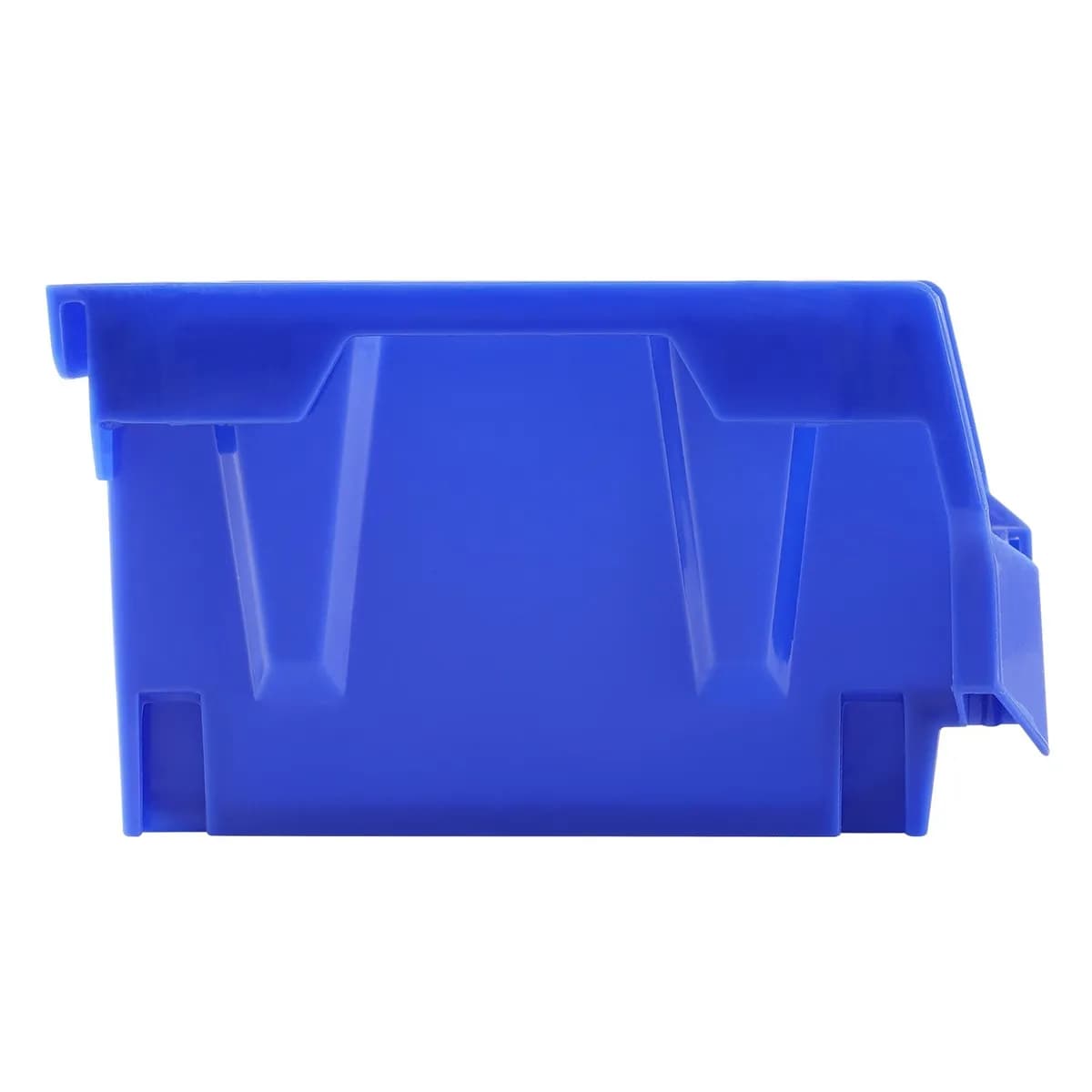
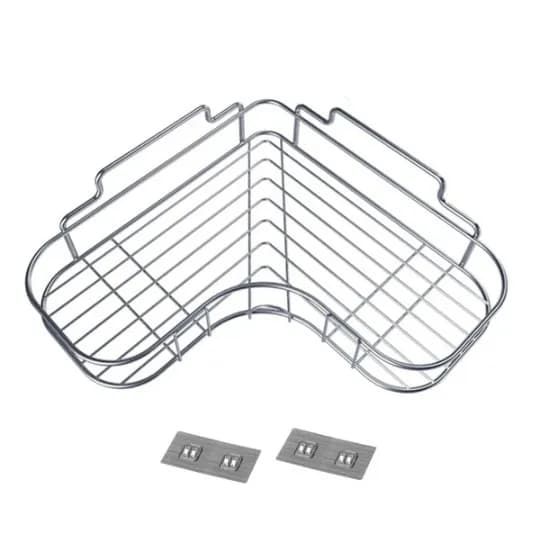
If you want to turn this guide into a real setup, start with Stackable Storage Bins, 24 Pack and 4-Tier Corner Wire Shelf, Silver. For broader options, browse the Home & Decor collection so the article journey does not stop at reading only.
Our practical rule: choose one product that solves the main clutter problem first, then add supporting organizers only when the daily workflow is already clear. This keeps the shopping path useful, not pushy.
Frequently Asked Questions About garage organization ideas on a budget
Q: What is the cheapest way to organize a garage?
Declutter first, because removing items costs nothing and reduces how much storage you need. Then zone the garage by activity and reuse boxes, jars and buckets you already own. Spend only on a few wall hooks and a pegboard to clear the floor, and add shelving or bins later where real gaps remain.
Q: Is it cheaper to build or buy garage shelves?
If you already own basic tools, building simple shelves from 2x4 lumber and plywood is often cheaper than buying a finished unit, and you can size it exactly to your wall and bins. If you would need to buy tools first, a basic freestanding unit may cost less overall.
Q: How do I organize a garage with no money at all?
Sort everything into keep, donate, recycle and safe disposal piles, then group what remains into zones. Use cardboard boxes, old buckets and glass jars as free storage, and label everything with tape and a marker. Selling a few unused items can also fund hooks or shelves later.
Q: What should I buy first for garage organization?
Start with wall hooks fastened into studs and a pegboard for hand tools. They are inexpensive, clear the floor quickly and work in almost any layout. Shelving and clear lidded bins come next, sized to the items you decided to keep during decluttering.
Q: How do I store paint and chemicals in the garage safely?
Keep them in their original labeled containers with lids closed tightly, on a high shelf out of reach of children and pets. Check labels for temperature guidance. When you no longer need them, the EPA advises treating paints, cleaners, oils and pesticides as household hazardous waste rather than regular trash.
Q: How can I store bikes in a garage on a budget?
Heavy-duty utility hooks screwed into studs are one of the cheapest options. Hang bikes vertically by the wheel or horizontally on two hooks along the wall. Keep them in a dedicated sports corner with helmets and pumps nearby so everything comes back to the same place.
Q: How long does it take to organize a garage?
It depends on how full the garage is, but breaking the job into sections makes it manageable. Many people finish one wall or zone per weekend session. Decluttering usually takes the longest; once that is done, hanging hooks and setting up shelves goes quickly.
Q: How do I keep my garage organized after cleaning it?
Give every item a zone, label shelves and bins, and spend five minutes each week returning stray items. Keep the parking area completely clear so clutter is easy to spot. Review the space each season and remove anything that has crept back in.
Conclusion: A Better Garage Starts With Decisions, Not Dollars
The most effective garage organization ideas on a budget follow the same order: declutter, zone, reuse, and only then buy. Hooks and a pegboard clear the floor for very little money, DIY or simple shelving handles the bins, and labels keep the system working. Spend where it truly helps, save everywhere else, and keep the parking spot clear.
When you are ready to take the next step, compare options in our garage organization systems guide, or see how storage bins with lids protect what you store long term.
Liked this guide?
Get new organizing guides and the occasional new product by email. No spam, unsubscribe anytime.
Related articles
Explore more articles
- Home Organization Ideas for Small Spaces: 30+ Smart Solutions to Maximize Every Inch in 2026
- 35+ Best Small Home Organization Ideas to Maximize Every Inch in 2026
- Capsule Wardrobe Men: The Ultimate 2026 Guide to a Stylish, Minimal Closet
- 25+ Best Garage Bike Storage Ideas to Transform Your Space in 2026
- 25+ Best Hat Storage Ideas to Keep Your Collection Organized in 2026
- 25+ Best Plant Stand Ideas to Elevate Your Home Decor in 2026
- Compression Packing Cubes: The Complete 2026 Review & Buying Guide for Smarter Travel
- 25 Small Kitchen Organization Tips to Maximize Every Inch in 2026