
Closet Storage and Organization Ideas That Work
Improve closet storage and organization with measured zones, vertical space, labeled categories, and layouts that make daily items easier to reach.
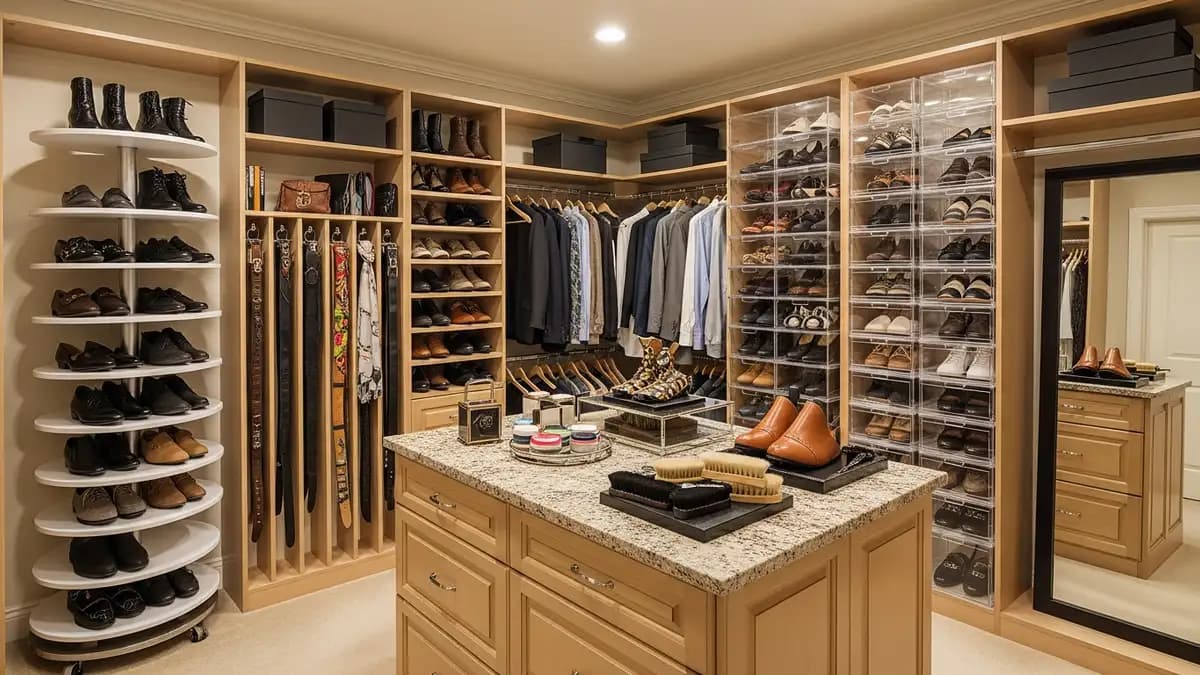
The most useful closet storage and organization ideas start with a measured layout: sort what you own, give everyday clothing an easy-to-reach zone, use shelves and rods that fit the items, and label seasonal storage. This guide compares 15 practical changes for reach-in closets, shared wardrobes, and walk-ins, with clearly labeled planning allowances so you can decide what to reuse, buy, or quote before starting.
Why Closet Storage and Organization Ideas Matter More Than Ever in 2026
A closet becomes difficult to use when the storage layout no longer matches its contents. Shoes can crowd the floor while a high shelf stays nearly empty, or long garments can block a second rod. Start by noting the specific obstruction you encounter each morning instead of buying a complete set of matching containers.
A defined place for each category can reduce repeated searching, but the result depends on the household and the layout. Try one change first, such as separating work clothes from seasonal storage, and check whether you can put items away without moving another pile. Treat that practical test as more useful than an unsupported promise of time saved.
Before diving into specific ideas, it helps to understand what kind of closet you're working with:
- Reach-in closets, typically 2–3 feet deep and 4–8 feet wide, found in most bedrooms
- Walk-in closets, larger spaces you can enter, ranging from compact 4x4 ft to generous 10x12 ft layouts
- Wardrobe armoires, freestanding units ideal for rooms without built-in closet space
- Shared family closets, high-traffic closets used by multiple people, requiring clear zoning
Knowing your closet type will help you choose the most relevant ideas from this list. Let's get into it!
Step 1: Declutter Before You Organize
The single most impactful thing you can do before implementing any closet storage and organization ideas is to declutter. No amount of bins, shelves, or hangers will fix a closet that simply has too much stuff in it. Here's a simple process that actually works:
The 4-Box Decluttering Method
- Keep, Items you wear regularly and love
- Donate, Clothes in good condition that no longer fit or suit your style
- Sell, Higher-value pieces worth listing on resale platforms
- Discard, Worn-out, damaged, or unusable items
Work through every item and decide whether it is useful, repairable, or ready to leave. The EPA guidance on old clothes and shoes recommends donating gently worn items and checking with local charities before bringing damaged clothing. Confirm what your chosen organization accepts rather than treating donation as a way to dispose of everything.
One-Year Rule
If you haven't worn something in over 12 months (excluding seasonal or occasion-specific pieces), it's a strong candidate for the donate or sell box. The exception is sentimental or specialty items, which can be stored separately.
Once you've decluttered, you'll have a much clearer picture of exactly how much storage you actually need, and you'll be ready to organize strategically. For a complete sequence from sorting to putting clothes back, follow our guide on how to organize your closet.
Smart Closet Storage and Organization Ideas for Every Budget
The following 15 ideas cover simple changes through fitted storage. Every dollar amount here is an editorial planning allowance in USD, reviewed November 18, 2026, not a measured market average, current retailer price, or installation quote. Reuse suitable items first and check local quotes, delivery, fixings, and labor separately. If you want to make the organizers yourself, our DIY closet organization ideas explain ways to adapt shelves, rods, and containers to your measurements.
Simple Changes to Try First
1. Swap to Slim Velvet Hangers
Slim hangers can reduce the space occupied by the hangers themselves, but the gain depends on garment thickness and the hangers you replace. Test a few before replacing a whole rail, and keep broad, supportive hangers for garments that need them. Planning allowance: $12-$18 for a pack, with quantity and finish to be checked before buying.
2. Use the Vertical Space on Your Hanging Rod
A second rod can add a separate level for shirts or folded trousers when the garments leave enough clearance below. Measure the drop from the existing rail and check the combined load limit rather than assuming every closet can double its capacity. Planning allowance: $8-$15 for a simple extender, excluding any new supporting rail.
3. Add an Over-the-Door Organizer
An over-the-door pocket organizer can hold small accessories or pairs of lightweight shoes without using a shelf. Check whether the door closes with its hooks installed, count the actual pockets, and keep heavy objects within the stated load limit. Planning allowance: $14-$30 for one organizer; pocket count and shoe capacity vary by model.
4. Install Adhesive Hooks Inside the Door
Hooks can give belts, scarves, and light bags a defined place. Choose fixings for the surface and item weight, follow removal instructions, and test the finish first; an adhesive hook is not a guarantee against paint damage. Planning allowance: $7-$15 for a small set, with surface preparation and any mechanical fixings considered separately.
5. Use Shelf Dividers
Shelf dividers keep folded piles in separate lanes so removing one sweater does not disturb the next stack. Check shelf thickness, divider height, and the gap above the shelf before buying. Planning allowance: $9-$20 for a small set. Use our closet shelf organization ideas to plan divider spacing and separate folded clothing from storage bins.
Add Containers and Accessible Shelves
6. Add a Freestanding Shoe Rack
A freestanding rack can keep everyday footwear in an accessible row at the bottom of the closet. Measure shoes as well as the rack: boots and larger sizes need different clearances from flats. Leave enough floor space to stand and retrieve a pair. Planning allowance: $25-$45 for a basic rack, with capacity checked against actual shelf dimensions.
7. Invest in Fabric Storage Cubes or Bins
Use fabric bins for one category at a time, such as scarves, sports accessories, or off-season clothing. Pick a bin you can pull out safely and measure its handle clearance below the next shelf. Planning allowance: $24-$40 for a small coordinated set; existing baskets can do the same job when they fit.
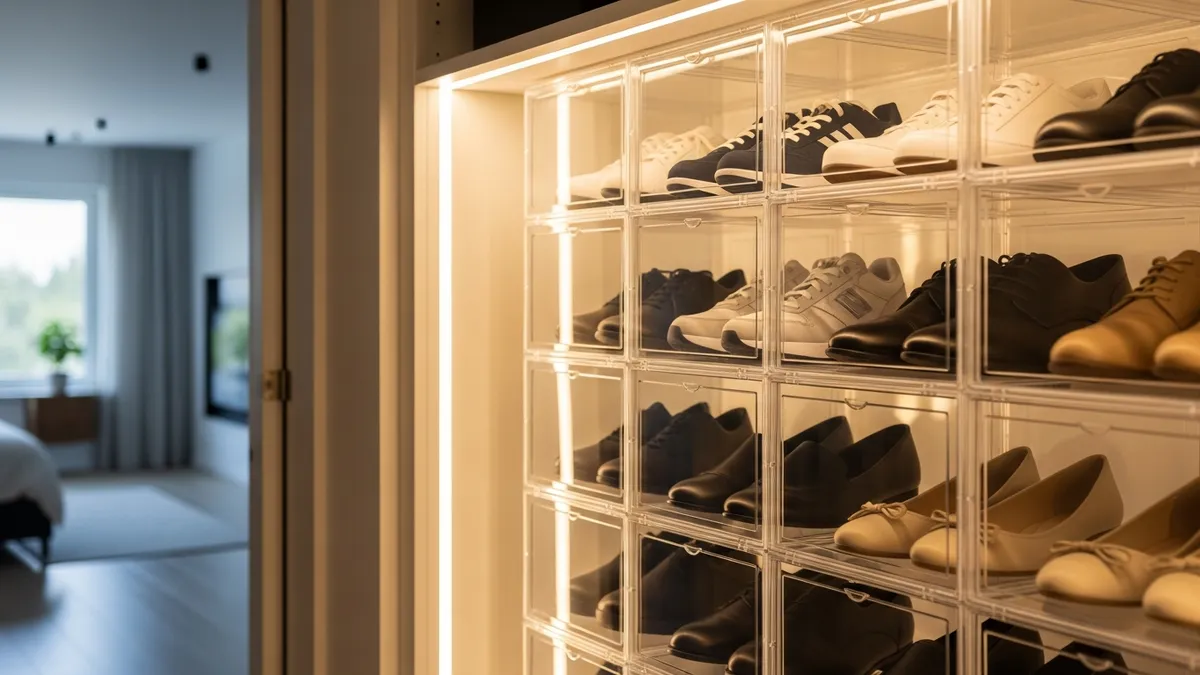
8. Use Clear Stackable Shoe Boxes
Clear boxes make it easier to identify occasional-use footwear without opening every container. Check internal dimensions, how the lid opens, and the manufacturer's stacking instructions. Do not build a tall unsecured tower in a doorway. Planning allowance: $25-$45 for a multi-box set, with the number and size of boxes confirmed separately.
9. Add a Second Shelf Above the Existing One
An additional shelf may be useful for lightweight seasonal items if there is enough headroom and a safe way to reach them. Confirm the wall construction, fixing locations, and load limit before installing it. Planning allowance: $30-$60 for basic shelf materials, not a labor-inclusive quote; professional fitting can add to the cost.
10. Drawer Dividers for Folded Items
Drawer dividers create separate spaces for socks, underwear, and small accessories. Measure the drawer internally and check that adjustable ends do not obstruct its runners. Start with one drawer so you can change the layout before buying more. Planning allowance: $15-$25 for a basic divider set, excluding a new drawer unit.
Larger Fitted Changes and Reuse Options
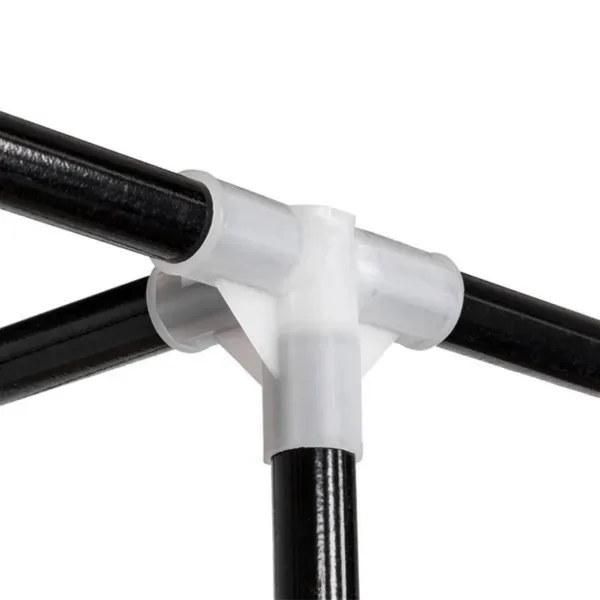
11. Install a Modular Closet System
A modular system lets you combine rails, shelves, and drawers around the measured opening. Compare the complete parts list, door swing, skirting clearance, and required wall fixings rather than the starter-frame price alone. Planning allowance: $150-$600 for a compact basic configuration, excluding delivery and installation; obtain a current quote for your actual design.
12. Add Pull-Out Drawers or Baskets
A compatible pull-out basket can make the back of a deep compartment easier to reach. Check runner clearance, the opening width, and the load rating, especially when combining parts from different ranges. Planning allowance: $40-$80 per basic unit, excluding fitting or changes to the cabinet.
13. Built-In Closet with Custom Cabinetry
Custom cabinetry may suit an awkward alcove that off-the-shelf components cannot use well. Request a measured design and an itemized quote covering materials, finish, fitting, and access. Illustrative project allowance: $500-$3,000 or more, not a ceiling or market-price claim. Do not assume the project will increase resale value. Follow the CPSC furniture tip-over guidance and the manufacturer's instructions for securing top-heavy furniture.
14. Turn an Existing Container Into a Seasonal Kit
Group a specific off-season set, such as winter hats and gloves, in a clean container you already own. Make sure everything is dry before storage, label the contents and season, and choose a shelf you can reach safely. Avoid compressing structured garments or delicate pieces unless their care instructions allow it. Planning allowance: $0 when reusing a suitable container, or up to $15 for a basic replacement, excluding any new shelving.
15. Reserve a Small Return and Repair Basket
Keep a small basket near the closet for items that need a button, a return decision, or a proper place elsewhere. Write the action on a note so this does not become permanent overflow. Review it during the weekly reset and move repaired or returned items out promptly. Planning allowance: $0 for a reused basket, or $5-$15 for a basic one. A separate action basket is useful only if it does not block the closet door or daily clothing.
Closet Organization Ideas by Category
Beyond budget, it helps to think about organization by the types of items you're storing. Here's how to handle each category strategically.
Clothing Organization
Pro tip: Organize your hanging clothes by category first (all tops together, all pants together), then by color within each category. This system, sometimes called the "rainbow method," makes finding specific items dramatically faster and keeps the closet looking visually cohesive.
- Hang all clothing facing the same direction, hooks toward you
- Use the KonMari fold method for items stored in drawers or on shelves, items stand upright so you can see every piece at a glance
- Store frequently worn items at eye level and arm's reach; move rarely used items to high shelves or bottom bins
- Keep seasonal items (heavy coats in summer, swimwear in winter) in labeled bins on the highest shelf or in vacuum storage bags to compress bulk
Shoe Organization
Shoes are one of the biggest closet organization challenges. Here are the most effective solutions:
- Clear stackable boxes, protect shoes and let you see them without opening every box
- Tiered shoe racks, great for everyday footwear at the bottom of the closet
- Over-the-door pocket organizers, perfect for flats, sandals, and heels
- Floating wall-mounted shoe shelves, display-style storage that doubles as décor
- Under-bed shoe storage, ideal for out-of-season footwear
For more ideas specifically around footwear, check out our in-depth guide on closet shoe storage ideas for 2026.
Accessory and Jewelry Organization
Accessories are small but numerous, and they have a way of disappearing into the bottom of drawers or tangling together into a frustrating mess.
- Compartmentalized jewelry trays keep rings, earrings, and bracelets separated; reuse an existing suitable tray before buying another
- Wall-mounted jewelry hooks, hang necklaces individually to prevent tangling
- Drawer inserts with velvet lining, protect delicate pieces and add a luxurious feel
- Hat racks or hooks, install on walls or the back of the door to display and protect hats
Bag and Purse Storage
- Use upper shelves to display bags upright where you can see them
- Install S-hooks on a hanging rod to hang bags by their handles
- Use acrylic shelf risers to create a second "level" on a shelf, doubling display space
- Stuff bags with tissue paper to help them maintain their shape
Closet Organization Ideas for Small Spaces
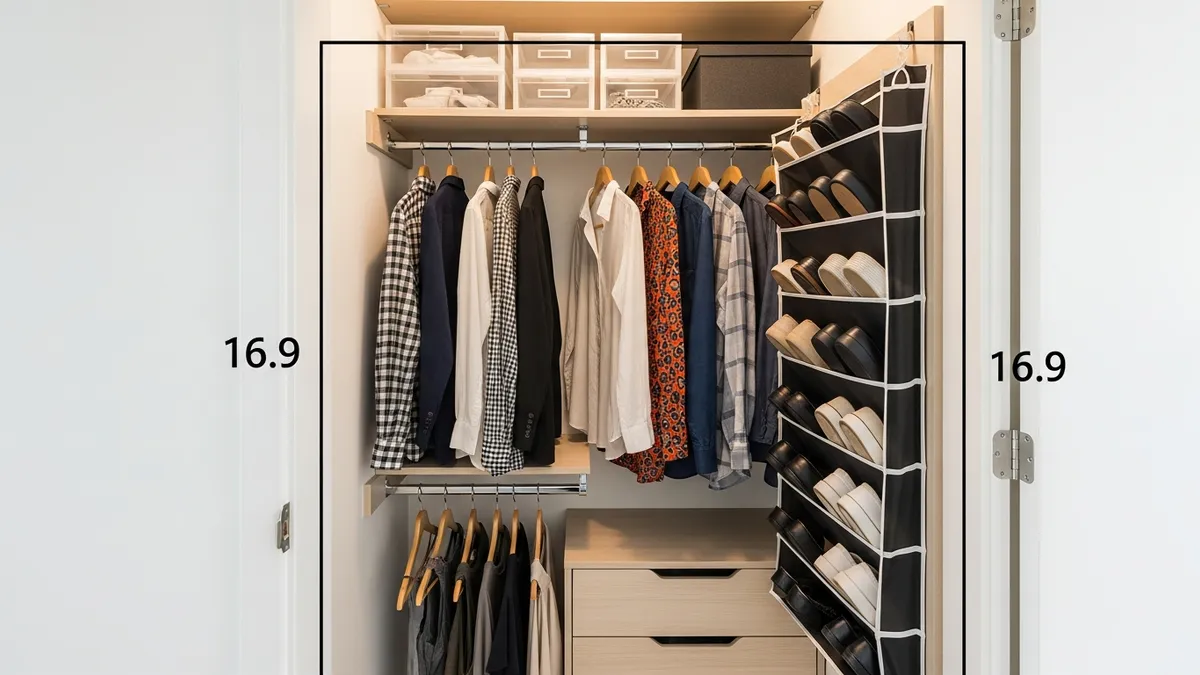
A small closet needs a layout that keeps the doorway clear and the most-used items within reach. Measure the usable opening, shelf depth, and hanging drop before adding another container. For a measured reach-in layout, our small closet organization ideas pair space-saving options with planning costs.
Maximize Every Inch Vertically
Vertical storage is useful only when the structure is stable, the load limits are respected, and stored items remain safely accessible. Keep heavy containers low and do not stack loose furniture or bins to the ceiling. Consider:
- Stable shelf units secured as directed by their manufacturer
- Labeled bins or baskets on the highest shelves for seasonal items
- A small step stool stored nearby to access upper shelves safely
Double Up Wherever Possible
- Use a second hanging rod below shorter clothing items
- Stack clear shoe boxes two rows high
- Layer folded items using shelf dividers to prevent toppling
Use Every Door Surface
In a small closet, the door itself is storage real estate. An over-the-door organizer with multiple pockets can hold dozens of items without taking any interior space. See even more inspiration in our guide to organization ideas for a small closet.
Choose Multi-Purpose Furniture
If your closet space is extremely limited, consider supplementing with storage furniture elsewhere in the room, like an under-bed storage solution or a bedroom storage ottoman that doubles as seating.
Closet Organization Ideas for Shared and Family Closets
Shared closets need a visible boundary between each person's belongings. Start with a separate rail section, shelf, or labeled bin rather than relying on everyone to remember an invisible divide. For coats, bags, and shoes used by several people, apply the family zones in our entryway closet organization guide.
Create Defined Zones
- Divide the closet into clearly labeled sections, one per person, or by category (kids' clothing, sports gear, formal wear)
- Use different colored bins or labels to visually distinguish each person's storage area
- Assign specific shelves or hanging sections to each family member
Label Everything
Label the contents and owner where it helps another person put items away correctly. A removable tag is easier to update than a permanent label when children grow or storage categories change. If sewing or hobby supplies share the closet, adapt the category labels and small-container layouts in our craft closet organization ideas.
Regular Maintenance Sessions
Schedule a 15-minute "closet reset" every week, just fold loose items, return displaced pieces, and do a quick visual check. This small habit prevents the slow creep of disorder that undoes all your hard organizational work.
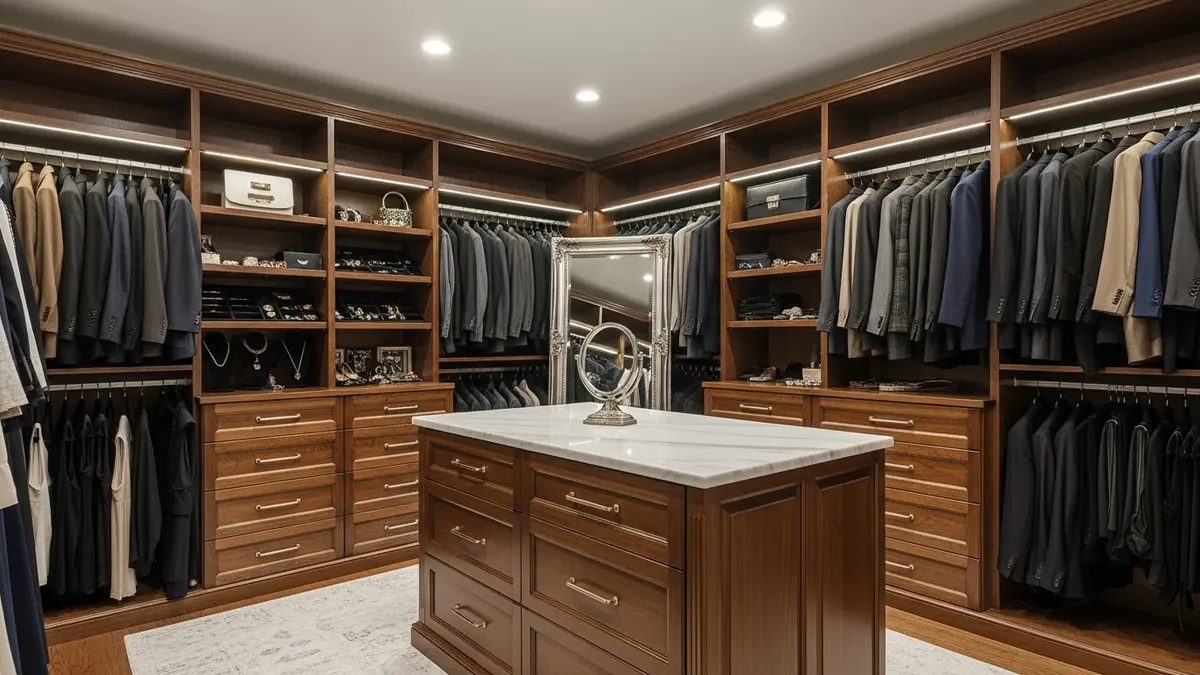
Top Closet Organization Products Worth Investing In
Use this shortlist to plan a first change. These are editorial USD allowances, not verified current offers; compare like-for-like pack sizes and obtain a current price before purchase. Delivery, tax, tools, and labor are not included.
| Product | Price Range | Best For |
|---|---|---|
| Slim velvet hangers (50-pack) | $12–$18 | Maximizing hanging rod space |
| Hanging rod extender | $8–$15 | Creating double-hang sections |
| Over-the-door organizer | $14–$30 | Shoes, accessories, small items |
| Clear stackable shoe boxes (12-pack) | $25–$45 | Shoe storage and display |
| Fabric storage bins (6-pack) | $24–$40 | Shelf organization |
| Shelf dividers (6-pack) | $9–$20 | Keeping folded stacks tidy |
| Modular closet system | $150–$600 | Full closet transformation |
| Acrylic drawer organizers | $15–$35 | Jewelry and accessories |
Check the current Sesoris shop for listed dimensions and specifications, then compare them with the space you measured. Do not assume that every type of fitted closet system described in this guide is sold in the catalog.
Maintaining Your Newly Organized Closet
Getting organized is one thing, staying organized is another challenge entirely. Here are the habits and systems that make the difference between a closet that stays tidy for years and one that descends back into chaos within weeks.
The "One In, One Out" Rule
Every time you bring a new clothing item into your home, remove one existing item to donate or discard. This single habit prevents the gradual accumulation that caused the original clutter problem. It's simple, but it's extraordinarily effective.
Return Items to Their Designated Spot
Every item in your closet should have a specific, designated home. When you take something out and use it, it goes back to exactly that spot, not approximately that spot, not nearby. This level of intentionality is what separates truly organized people from those who feel perpetually overwhelmed.
Seasonal Rotation
Twice a year, at the start of warm weather and at the start of cold weather, rotate your wardrobe. Pack away the season that's ending in labeled bins or vacuum storage bags, and bring forward the season that's beginning. This keeps your active closet manageable and ensures you're not fighting through a winter coat to reach your summer dresses.
Quarterly Declutter Check
Every three months, do a quick 20-minute declutter pass. Pull out anything that no longer fits, that you haven't worn, or that no longer feels like "you." Keeping the inventory low is the most sustainable long-term organization strategy.
Essential Ideas of Closet Organization for Maximum Space Utilization
An effective closet layout starts with the items that must fit, not the maximum number of containers a shelf can hold. Keep related categories together, leave space to grasp handles, and test whether you can return an item without disturbing another stack. For towels and toiletries, apply the same zoning principle using our bathroom closet organization systems, keeping bathroom categories separate from clothing.
Vertical Space Maximization Strategies
One of the most overlooked aspects of closet organization is utilizing vertical space effectively. Install double hanging rods to immediately double your hanging capacity for shorter items like shirts, blouses, and folded pants. Use the top shelf for seasonal items or rarely used accessories, while keeping everyday essentials at eye level.
- Double rod systems create a second hanging level where garment length, clearance, and load limits permit
- Shelf dividers prevent clothing stacks from toppling over
- Over-door organizers add instant storage without taking floor space
- Hanging closet organizers with multiple compartments maximize vertical real estate
Keep frequently used clothing at a comfortable reach and lightweight occasional-use items higher up. If an upper shelf requires climbing on furniture or reaching over an unstable stack, move its contents down or change the layout. Storage capacity is not useful when retrieving an item is unsafe.
Zone-Based Organization Systems
Creating specific zones within your closet transforms chaotic storage into an intuitive system. Designate areas for work clothes, casual wear, workout gear, and special occasions. This method not only makes finding items easier but also helps you maintain organization long-term.
Consider implementing these zone categories:
- Work/Professional Zone: Suits, dress shirts, blazers, and formal shoes
- Casual Living Zone: Jeans, t-shirts, sweaters, and everyday footwear
- Active/Workout Zone: Athletic wear, gym shoes, and sports accessories
- Special Occasion Zone: Formal dresses, suits, evening shoes, and accessories
Technology-Enhanced Ideas of Closet Organization for 2026
Modern closet organization embraces technology to create smarter, more efficient systems. From app-controlled LED lighting that helps you see true colors when selecting outfits to digital closet inventory systems that track what you own, technology is revolutionizing how we organize our wardrobes.
Smart Storage Solutions
Lighting can help you see a dark shelf, but it does not replace sorting or a measured layout. Use a fixture suitable for the installation and follow its clearance and power instructions. A simple photo inventory on your phone can help you check what you own without buying a specialized smart-closet system.
- Automated lighting systems that activate when closet doors open
- Climate control sensors that monitor humidity and temperature
- Digital inventory apps that catalog your wardrobe with photos
- Smart mirrors that suggest outfit combinations based on weather and calendar
Sustainable Organization Practices
2026's closet organization trends emphasize sustainability and conscious consumption. Choose storage solutions made from recycled materials, implement clothing repair stations within your closet, and create donation rotation systems that keep your wardrobe current while supporting community causes.
FAQ: Frequently Asked Questions About Closet Storage and Organization Ideas
What is the most effective first step to organize a messy closet?
The most effective first step is always decluttering before you buy a single organizational product. Remove everything from the closet, sort into keep/donate/discard piles, and only put back what you actually use and love. This step alone can feel like gaining a whole extra closet's worth of space.
How do I organize a closet with no shelves?
If your closet has no built-in shelving, consider a suitable freestanding shelf or portable wardrobe rack, then check its installation and anchoring instructions. A door organizer or hanging fabric shelf may work without new wall fixings if the existing door or rail can support it. Never omit required anti-tip hardware to preserve a wall finish.
What are the best products for a small closet?
Start with the item causing the obstruction: a hanger change for a crowded rail, a divider for unstable folded stacks, or a narrow rack for loose footwear. You do not need all four products. Based on the planning table, hangers, an extender, a door organizer, and shoe boxes together allow $59-$108 before delivery or tax; those are editorial allowances, not a current shopping quote.
How often should I reorganize my closet?
A full reorganization is typically needed once every 1–2 years. However, a seasonal swap (twice a year) and a quarterly mini-declutter will keep your closet in great shape between major overhauls. Daily habits, returning items to their spots and following the one-in/one-out rule, are what maintain the system long-term.
Can closet organization really save me time?
An accessible, clearly zoned closet can make items easier to find, but this guide does not claim a measured number of minutes saved. Test the result in your own routine: can you select clothing and put clean laundry away without moving unrelated piles? If not, adjust the layout rather than adding more organizers.
What's the best way to organize shoes in a small closet?
For small closets, the most space-efficient shoe storage options are clear stackable boxes (which also protect shoes), an over-the-door pocket organizer for flats and sandals, and a slim 3-tier shoe rack on the closet floor. For seasonal footwear you rarely wear, under-bed storage keeps them accessible without taking closet space.
Conclusion: Your Organized Closet Starts Today
There is no single perfect approach to closet storage and organization ideas. Start with the obstruction you can identify, reuse suitable supplies, and compare the planning allowance with a current quote before buying. A small, workable layout change is more useful than a complete system that does not fit your clothes or daily routine.
The key principles to remember: declutter first, maximize vertical space, use containers and dividers to define categories, label everything, and build simple daily habits to maintain the system. Apply even three or four of the closet storage and organization ideas from this guide, and you'll notice an immediate, tangible difference.
Browse Sesoris, Best Sellers, or New Arrivals to compare the products currently listed. Read each item's dimensions, load guidance, and care details before deciding whether it fits your closet.
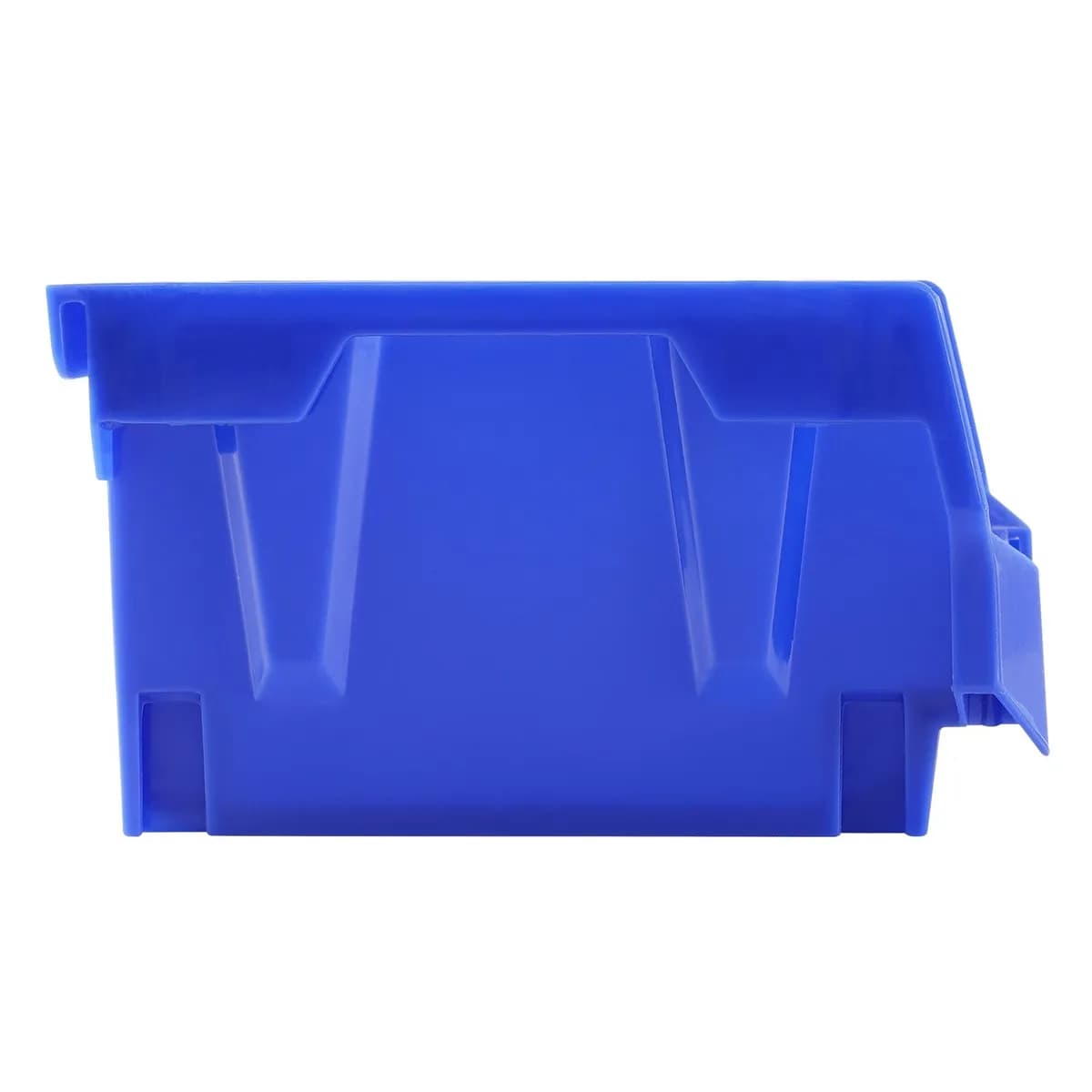
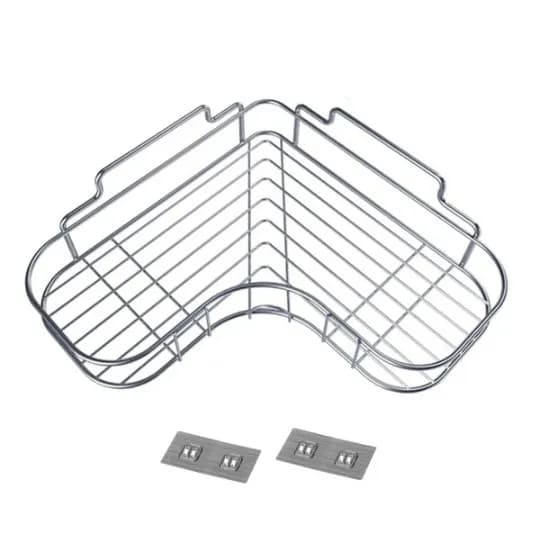
Modular helpers like Stackable Storage Bins, 24 Pack and the Large Travel Makeup Bag make most of these closet ideas practical on day one.
Liked this guide?
Get new organizing guides and the occasional new product by email. No spam, unsubscribe anytime.
Related articles
Explore more articles
- 25+ Best Medicine Cabinet Organization Ideas to Transform Your Bathroom in 2026
- 30+ Best Kitchen Counter Organization Ideas to Transform Your Cooking Space in 2026
- How to Declutter Your Home Before Moving: The Complete 2026 Guide
- Cheap Kitchen Storage Racks: Best Budget-Friendly Options to Organize Your Kitchen in 2026
- Minimalist Kitchen Inspiration: 30+ Modern Ideas 2026
- Storage Shelving Ideas for Every Room
- Household Storage Rack: The Complete Guide to a Tidy Home
- 30+ Brilliant Small Space Kitchen Storage Ideas to Maximize Every Inch in 2026