
Kitchen Spice Rack Guide: Best Organization Solutions 2026
Transform your kitchen with the perfect spice rack! Discover the best spice storage solutions, organization tips, and premium racks to keep your spices fresh and accessible in 2026.
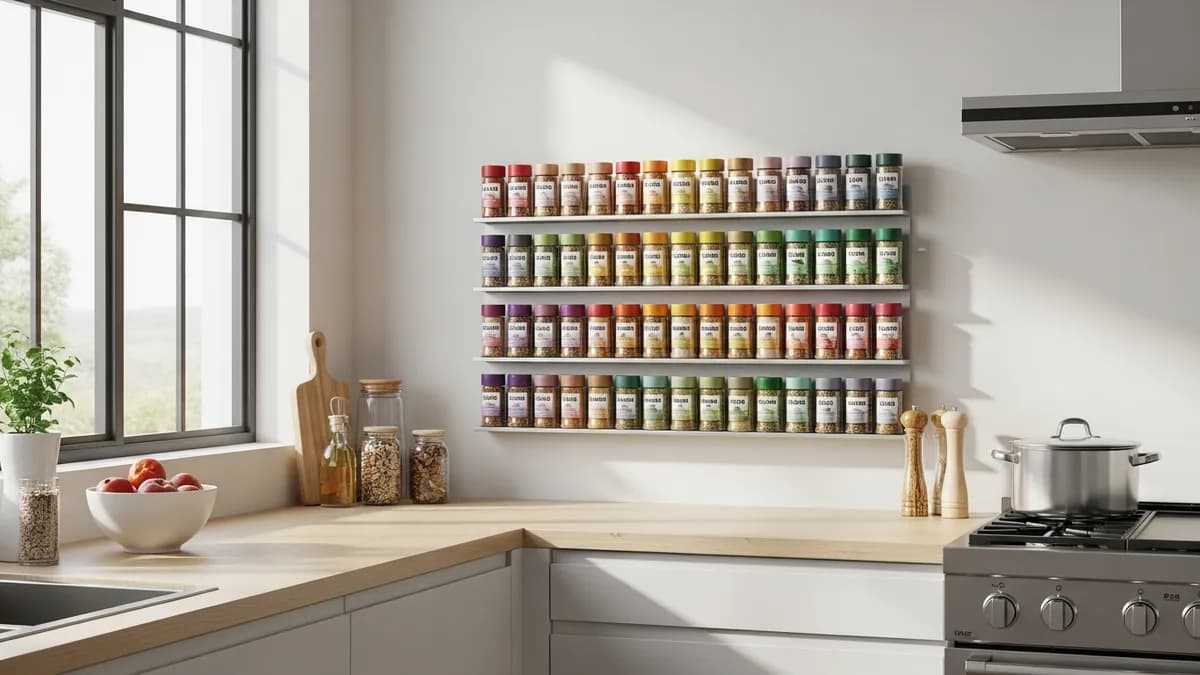
A well-organized kitchen spice rack can transform your cooking experience from chaotic to seamless. Whether you're a casual home cook or a culinary enthusiast, having your spices organized, accessible, and properly stored is essential for both efficiency and food quality. In 2026, the market offers an incredible variety of spice storage solutions that cater to every kitchen size, style, and budget. From sleek wall-mounted designs to innovative rotating carousels, the right spice rack not only keeps your seasonings fresh but also adds aesthetic appeal to your culinary space.
Our team at Sesoris has noticed that the happiest customers aren't those with the largest homes, but those with the most consistent organization habits.
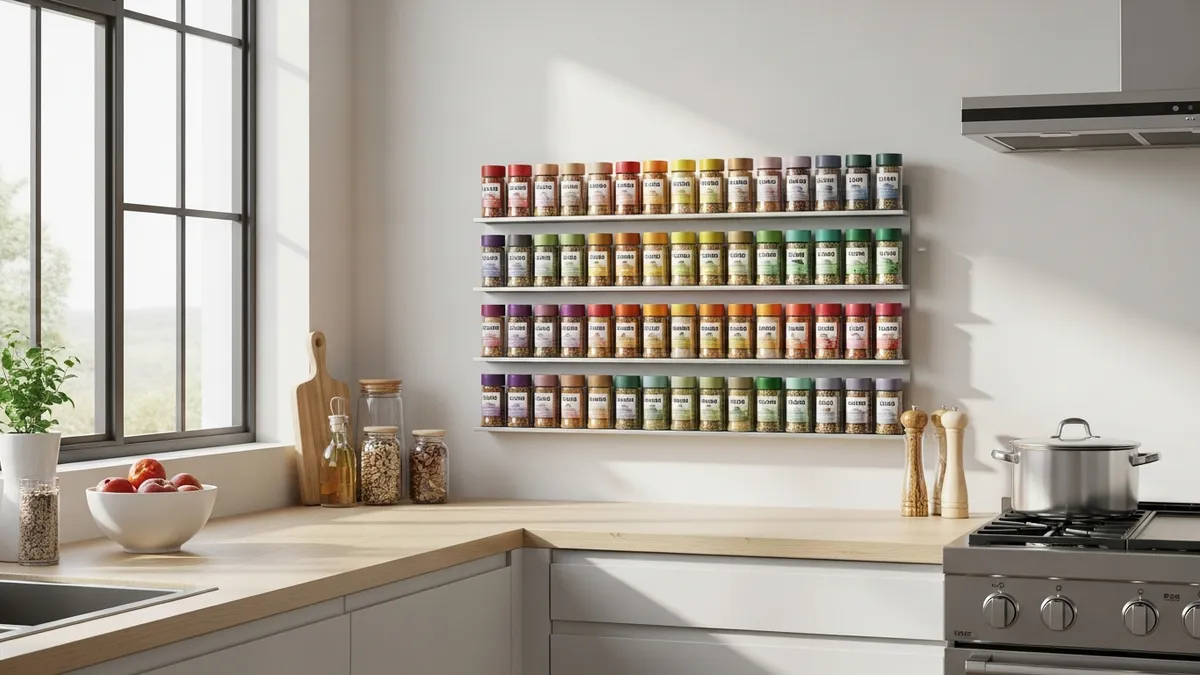
The importance of proper spice storage extends beyond mere organization. Properly stored spices maintain their potency 2-3 times longer than those stored haphazardly. This means investing in a quality spice rack system can actually save you money while improving your cooking results. Let's explore how to choose and implement the perfect spice storage solution for your kitchen.
Key Takeaways: > - Choose products with clear safety labels (food-grade, BPA-free) for daily use > - Investing slightly more in quality materials (glass, grade 304 stainless steel) saves long-term costs > - Match sizes to family needs, neither too large nor too small > - Local marketplaces like Tokopedia, Shopee, and Sesoris offer competitive prices with maintained quality
Types of Kitchen Spice Racks: Finding Your Perfect Match
Understanding the different spice rack options available helps you make an informed decision based on your kitchen layout, cooking habits, and storage needs. Each type offers unique advantages and works best in specific scenarios. For additional information, also see the guide from The Spruce.
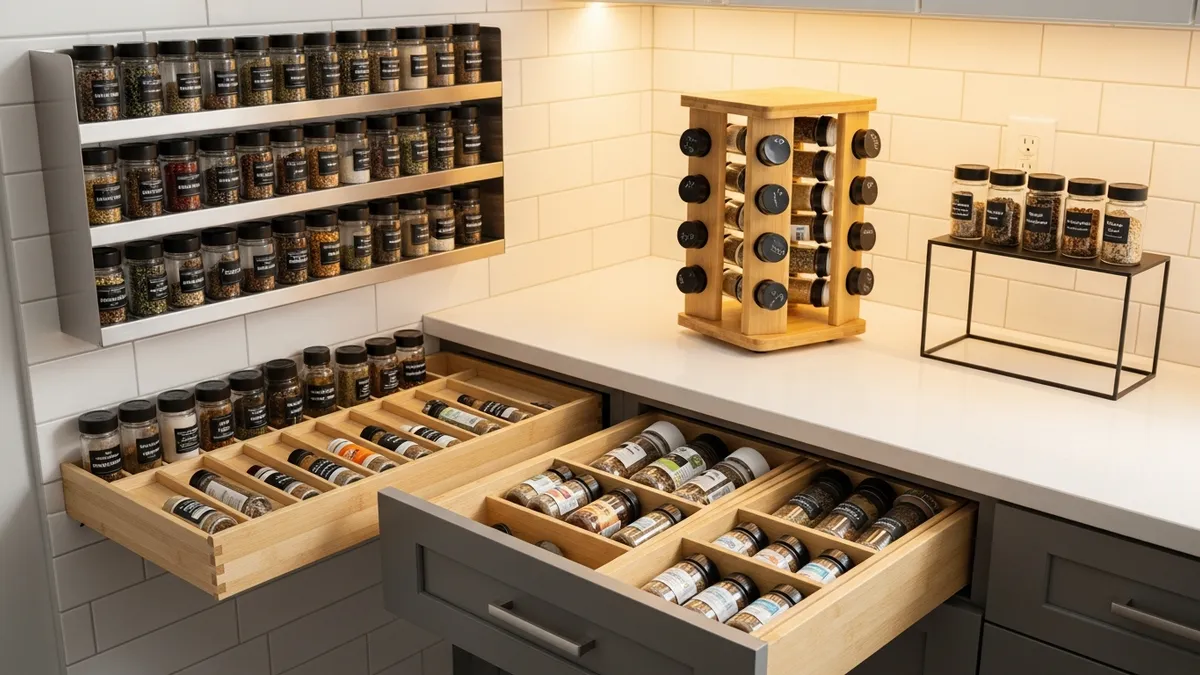
Wall-Mounted Spice Racks
Wall-mounted systems are ideal for kitchens with limited counter space. These racks utilize vertical wall area efficiently and keep spices visible and accessible. They work particularly well near cooking areas where you need quick access to seasonings. Modern wall-mounted options include floating shelves, rail systems, and cabinet-mounted solutions.
Countertop Spice Organizers
Countertop racks offer immediate accessibility and can serve as decorative kitchen elements. Rotating carousels, tiered stands, and drawer-style organizers fall into this category. These work best for frequently used spices and in kitchens with adequate counter space.
Cabinet and Drawer Inserts
Hidden storage solutions like drawer inserts and cabinet organizers maximize existing storage space without cluttering countertops or walls. These systems often feature adjustable dividers and pull-out mechanisms for easy access to spices stored in the back.
Essential Features of the Best Kitchen Spice Racks
When selecting a spice rack for kitchen use, certain features distinguish exceptional products from mediocre ones. Understanding these key characteristics helps ensure your investment delivers long-term satisfaction and functionality. For additional information, also see the guide from Real Simple.
Durability and Material Quality
Premium spice racks feature materials like stainless steel, bamboo, or high-quality wood that resist moisture, heat, and daily wear. Good Housekeeping research shows that stainless steel and bamboo options typically last 5-7 years longer than plastic alternatives in kitchen environments.
Adjustability and Customization
The best spice storage systems accommodate containers of various sizes. Look for adjustable shelves, expandable designs, or modular components that grow with your spice collection. This flexibility ensures your rack remains functional as your cooking repertoire expands.
Easy Installation and Maintenance
Quality spice racks feature straightforward installation with included hardware and clear instructions. Additionally, they should be easy to clean and maintain, with smooth surfaces that wipe down easily and don't trap grease or food particles.
Small Kitchen Spice Rack Solutions: Maximizing Limited Space
Small kitchens require creative spice rack solutions that maximize storage without overwhelming the space. The key is utilizing vertical space, hidden areas, and multi-functional storage options.
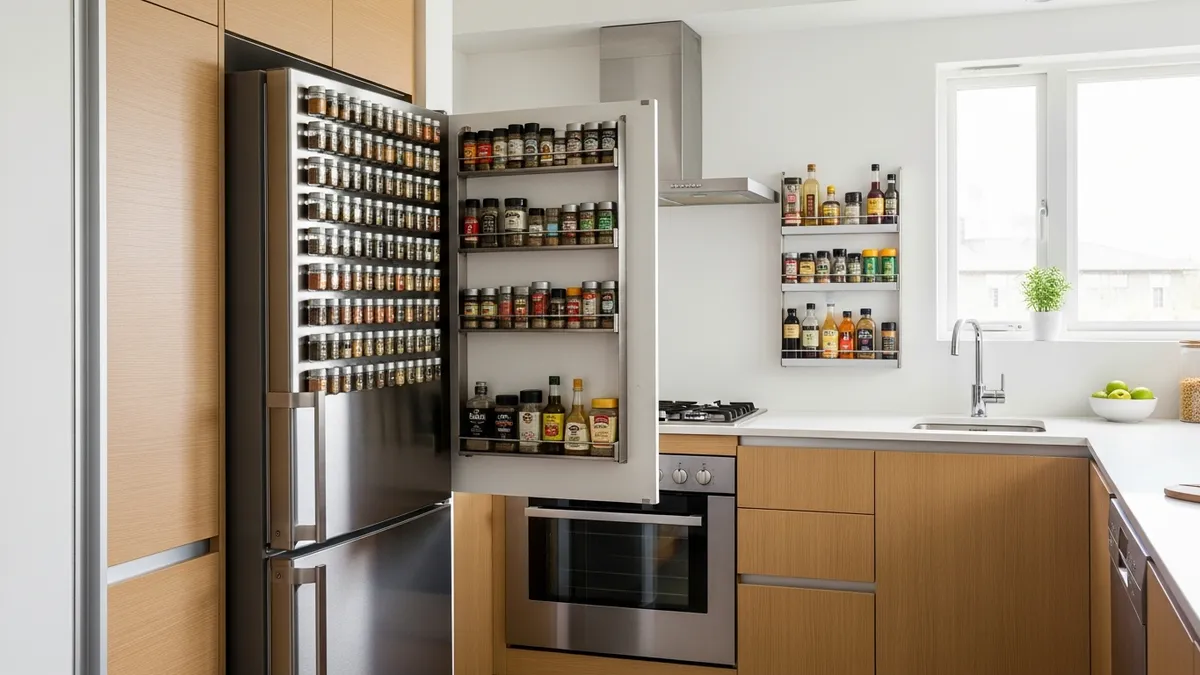
Magnetic Spice Storage
Magnetic spice jars that attach to refrigerator sides or metal backsplashes save valuable cabinet and counter space. These systems work particularly well in apartments or compact kitchens where every inch counts. Quality magnetic containers maintain strong adhesion while being easily removable for use.
Cabinet Door Organizers
Transform unused cabinet door space into spice storage with over-the-door racks or wire organizers. These systems typically hold 20-30 standard spice containers while keeping them completely hidden when doors are closed.
Pull-Out Drawer Systems
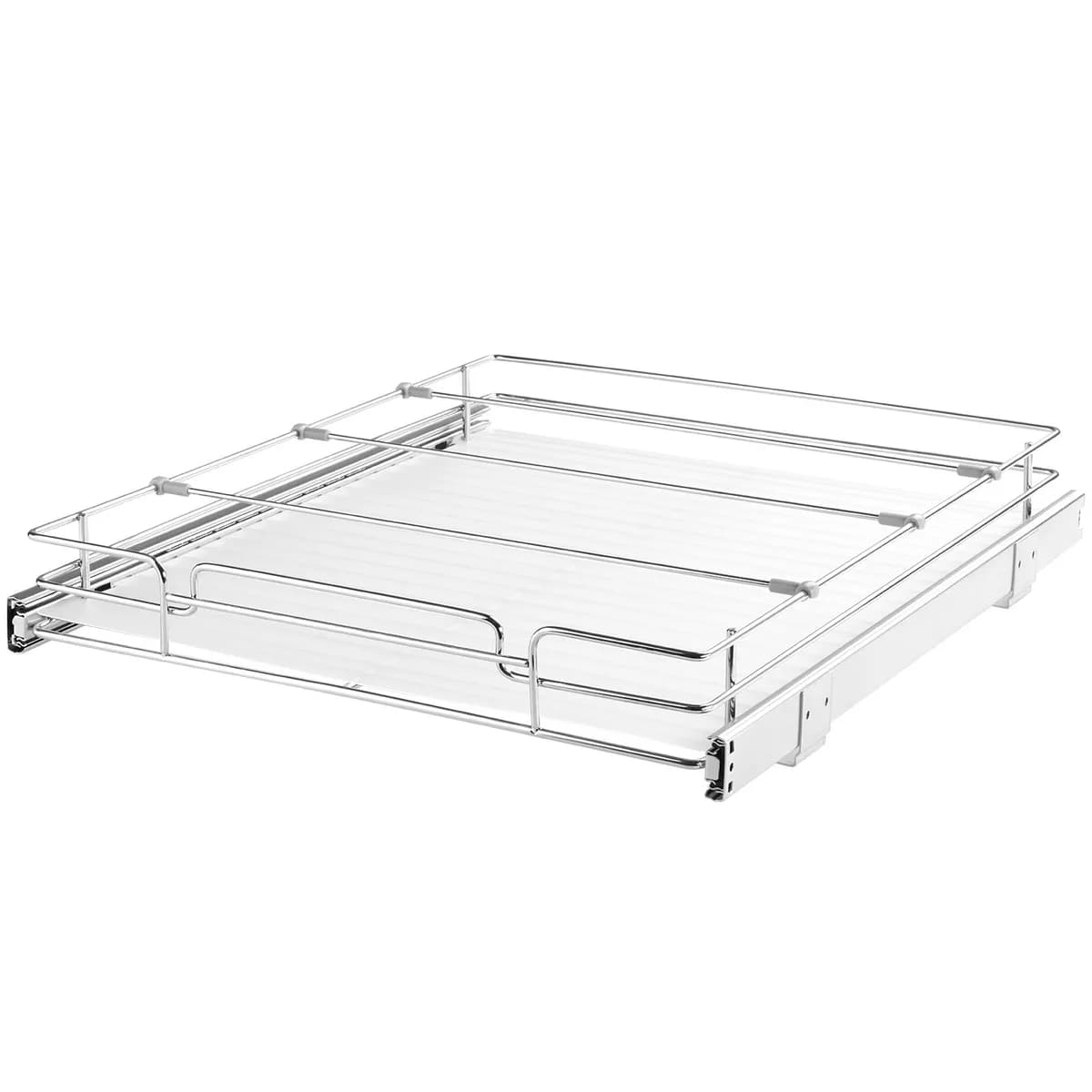
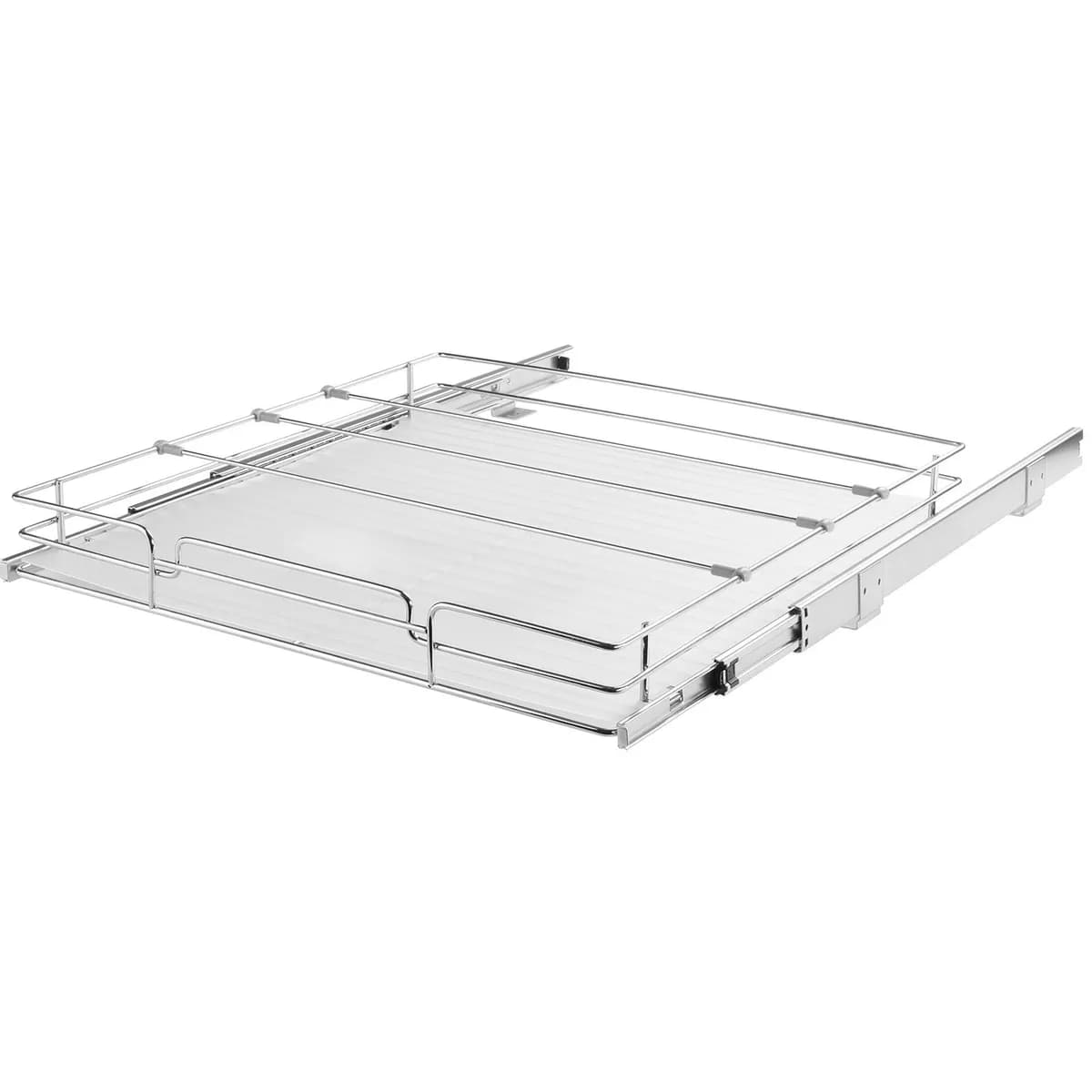
Narrow pull-out drawers designed specifically for spice storage can be installed in existing cabinets. These systems bring spices stored in deep cabinets to the front for easy visibility and access, eliminating the frustration of searching through crowded shelves.
Organization Strategies for Your Kitchen Spice Rack
Proper organization transforms any spice rack from a storage solution into an efficient cooking tool. Strategic arrangement and labeling systems can reduce cooking time and improve your overall culinary experience.
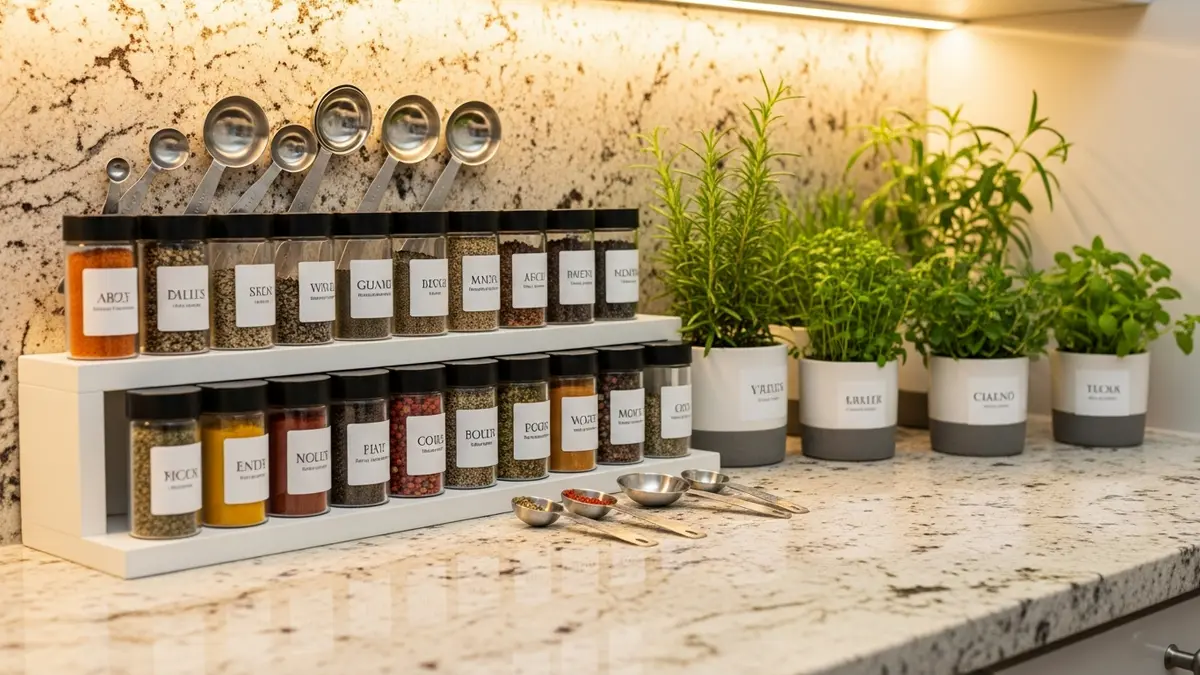
Alphabetical vs. Frequency-Based Organization
Two primary organization methods work well for spice storage. Alphabetical arrangement offers universal logic that family members can easily follow. Frequency-based organization places most-used spices in prime locations, reducing reaching and searching time during cooking.
Container Standardization
Using uniform containers creates visual harmony and maximizes space efficiency. Standard-sized jars or containers also make labeling easier and ensure consistent freshness by providing airtight seals. Consider transferring store-bought spices into matching containers for a cohesive look.
Strategic Placement by Cooking Zones
Organize spices based on your cooking workflow. Place baking spices near mixing areas, everyday seasonings near the stove, and specialty items in less accessible but still visible locations. This zone-based approach reduces movement during food preparation.
Maintenance and Care for Your Spice Rack System
Proper maintenance extends the life of your kitchen spice rack and ensures optimal food safety. Regular cleaning and organization prevent buildup of grease, dust, and expired seasonings.
Regular Cleaning Schedule
Clean spice racks monthly with appropriate materials for their construction. Stainless steel requires different care than wood or plastic. Remove all containers, wipe down surfaces, and check for any signs of wear or damage that might affect functionality.
Spice Rotation and Freshness Management
Implement a first-in, first-out rotation system to maintain spice freshness. Most ground spices maintain peak flavor for 2-3 years when properly stored, while whole spices can last 3-4 years. Label containers with purchase dates and conduct quarterly freshness audits.
Seasonal Organization Updates
Adjust your spice organization seasonally to reflect changing cooking patterns. Move holiday baking spices to accessible locations before baking season, and promote grilling seasonings during summer months. This proactive approach keeps your most relevant spices within easy reach.
Budget-Friendly vs. Premium Spice Rack Options
The spice rack market offers solutions across all price points, from budget-friendly DIY options to premium designer systems. Understanding the value proposition at each level helps you make the best choice for your needs and budget.
DIY and Budget Solutions ($15 - $50)
Simple wire racks, basic wooden shelves, and magnetic strips offer functional storage at minimal cost. These options work well for renters or those unsure about their long-term spice storage needs. While they may lack advanced features, they provide essential organization benefits.
Mid-Range Options ($50 - $150)
Mid-range spice racks typically feature better materials, more sophisticated designs, and additional functionality like adjustable shelves or rotating mechanisms. These products balance cost and features effectively for most home cooks.
Premium Systems ($150)
High-end spice storage systems offer superior materials, custom sizing, and advanced features like soft-close drawers or integrated lighting. These investments make sense for serious home cooks or those with specific design requirements.
Installation Tips for Different Spice Rack Types
Proper installation ensures your kitchen spice rack functions safely and effectively. Different mounting methods require specific tools and techniques for optimal results.
Wall-Mounted Installation
Wall-mounted racks require secure attachment to wall studs for safety, especially when fully loaded with spice containers. Use appropriate fasteners for your wall type (drywall, tile, or masonry) and consider the total weight capacity when planning placement.
Cabinet Integration
Installing racks inside existing cabinets often requires careful measurement and sometimes minor modifications. Ensure adequate clearance for cabinet doors and consider the impact on existing storage when planning placement.
Countertop Considerations
Countertop spice racks should be positioned away from heat sources and high-traffic preparation areas. Consider proximity to cooking areas versus available space when determining optimal placement.
Sesoris Spice Storage Solutions: Quality Options for Every Kitchen
At Sesoris, we understand that effective spice organization is fundamental to an efficient kitchen. Our curated collection of kitchen storage solutions includes premium spice racks and organization systems designed for modern homes.
Our best-selling organizers feature durable construction, thoughtful design, and the versatility to adapt to various kitchen layouts. Whether you need a compact solution for a small apartment or a comprehensive system for a large family kitchen, our products deliver the functionality and style you deserve.
Related Articles
Explore other guides from Sesoris to complement your knowledge:
Wall Mounted Racks: The Classic for a Reason
A tiered wall rack turns spices into functional decor and frees an entire cabinet shelf. It works best when you commit to matching jars, which is what makes the display look intentional instead of cluttered.
- Choose a rack with tiers deep enough for your jar diameter, most standard jars need about 2.5 inches
- Decant everything into one jar style, square jars pack tighter than round
- Alphabetize or group by cuisine, then label lids as well as fronts
- Leave 20 percent empty capacity for the spices you have not bought yet
A wooden three tier rack close to the prep zone comfortably holds 30 to 40 jars, which covers most home cooks with room to spare.
Step-by-Step Guide to Different Spice Rack Types
Understanding various spice rack configurations helps you choose the perfect solution for your kitchen layout and cooking habits. Each type offers unique advantages depending on your available space and organizational preferences.
Rotating Carousel Spice Racks
Rotating spice racks maximize storage in minimal space, perfect for compact kitchens. These systems typically hold 16-20 standard spice containers and rotate 360 degrees for easy access.
Installation Process:
- Choose a stable, level surface away from direct heat
- Assemble the rotating mechanism according to manufacturer instructions
- Test rotation smoothness before loading with spices
- Arrange spices by frequency of use, placing most-used items at eye level
Best Practices:
- Load heavier containers on lower tiers for stability
- Leave slight gaps between containers for easy removal
- Regular cleaning of rotation mechanism prevents sticking
Wall-Mounted Magnetic Systems
Magnetic spice storage utilizes vertical wall space efficiently, ideal for small kitchens with limited counter space. These systems work best on metal surfaces like refrigerator sides or magnetic boards.
Setup Instructions:
- Transfer spices to magnetic containers with clear tops
- Create labels for container bottoms (visible when mounted)
- Arrange containers in logical groupings (baking spices, savory herbs, etc.)
- Mount at comfortable reaching height (48-60 inches from floor)
Tiered Shelf Organizers
Multi-level shelf systems create visibility for every spice container, eliminating the need to move bottles to see what's behind them. These work excellently in deep cabinets or pantry spaces.
Organization Strategy:
- Back row: Tall containers and rarely used spices
- Middle row: Medium-height containers for weekly cooking
- Front row: Frequently used spices and small containers
Sesoris offers an extensive collection of kitchen organization solutions including various spice rack configurations to suit every kitchen layout and budget.
FAQ: Frequently Asked Questions About Kitchen Spice Racks
Q: What's the best material for a kitchen spice rack?
Stainless steel and bamboo are excellent choices for kitchen environments due to their resistance to moisture, heat, and odors. Stainless steel offers modern aesthetics and easy cleaning, while bamboo provides natural beauty and sustainability. Both materials typically last longer than plastic alternatives and maintain their appearance better over time.
Q: How should I organize spices in my rack for maximum efficiency?
Organize spices based on your cooking habits. Place frequently used seasonings at eye level and within easy reach. Consider grouping by cuisine type (Italian herbs together, baking spices together) or arranging alphabetically for easy location. Use clear containers with labels for quick identification.
Q: Can I install a spice rack myself, or do I need professional help?
Most spice racks are designed for DIY installation with basic tools. Wall-mounted options typically require a drill, level, and appropriate fasteners. However, if you're uncomfortable with power tools or have complex installation requirements, consulting a professional ensures safe and proper mounting.
Q: How often should I replace or upgrade my spice rack?
A quality spice rack can last 5-10 years with proper care. Consider replacement if the structure becomes unstable, materials show significant wear, or your storage needs have significantly changed. Upgrading may also be worthwhile if newer designs offer features that would improve your cooking efficiency.
Q: What size spice rack do I need for my kitchen?
Count your current spice collection and add 25-30% for future growth. Consider both the number of containers and their sizes, as specialty items may require more space. Measure your available installation area carefully, accounting for clearances needed for cabinet doors or countertop use.
Q: How do I keep spices fresh in my rack?
Use airtight containers to prevent moisture and air exposure. Keep racks away from heat sources like stoves and direct sunlight. Check expiration dates regularly and replace old spices. Consider using vacuum-sealed containers for long-term storage of expensive or rarely used spices.
Q: Are magnetic spice racks safe for all spices?
Magnetic racks are safe for most spices when using quality magnetic containers with proper seals. Ensure containers are food-grade and provide airtight storage. Avoid placing magnetic racks near strong heat sources, as excessive temperature can affect both the magnets and spice quality.
Conclusion
Choosing the right kitchen spice rack transforms your cooking experience by providing organized, accessible storage for your seasoning collection. Whether you opt for a sleek wall-mounted system, a convenient countertop carousel, or space-saving cabinet organizers, the key is selecting a solution that matches your kitchen layout, cooking habits, and storage needs. Remember that the best spice rack is one you'll actually use consistently – prioritize accessibility and ease of maintenance over purely aesthetic considerations. With proper organization and quality storage, your spices will stay fresh longer, your cooking will become more efficient, and your kitchen will maintain that organized, professional appearance you desire. Ready to transform your spice storage? Explore Sesoris's complete collection of kitchen organization solutions and discover how the right storage systems can elevate your culinary space in 2026.
For matching storage gear, browse the Kitchen & Dining collection.
Liked this guide?
Get new organizing guides and the occasional new product by email. No spam, unsubscribe anytime.
Related articles
Explore more articles
- 30+ Best Bedroom Organization Ideas to Transform Your Sleep Space in 2026
- 25+ Best Laundry Room Cabinet Ideas to Transform Your Space in 2026
- 35+ Best Floating Shelf Ideas to Transform Every Room in Your Home in 2026
- Modular Shelving System: What to Compare
- Spice Rack Organization: The Complete 2026 Guide to a Tidy, Functional Kitchen
- 25+ Best Entryway Closet Organization Ideas to Transform Your Home's First Impression in 2026
- 25+ Creative DIY Cardboard Box Storage Ideas to Organize Your Home in 2026
- Storage Bin Labels: The Complete 2026 Guide to a Perfectly Organized Home