
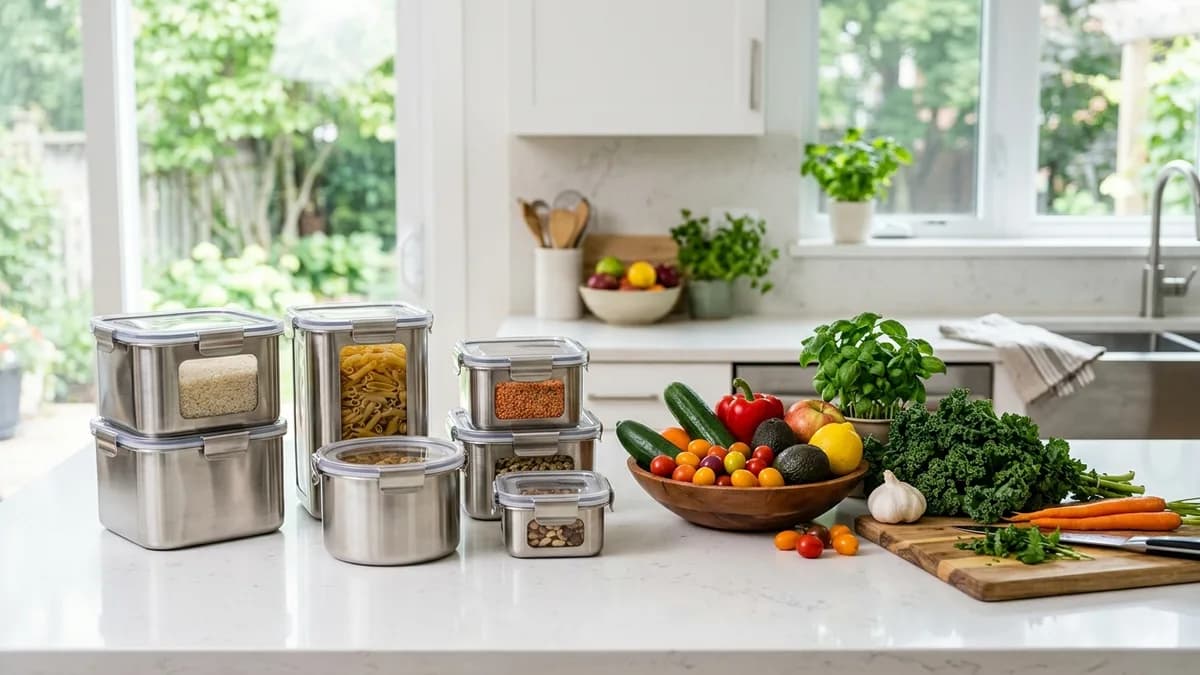
Stainless Food Storage Containers: The Ultimate 2026 Guide to Durable, Healthy Kitchen Organization
If you have been looking for a kitchen upgrade that truly lasts, stainless food storage containers deserve a serious spot on your shopping list. In 2026, more American households are making the switch from plastic to stainless steel for storing leftovers, meal-prepped lunches, pantry staples, and on-the-go snacks. The reasons are compelling: stainless steel is non-toxic, incredibly durable, resistant to odors and stains, and easy to clean. Whether you are a seasoned meal prepper or just someone who wants a cleaner, more organized kitchen, this guide covers everything you need to know before you buy.
Why Stainless Food Storage Containers Are a Smart Kitchen Investment
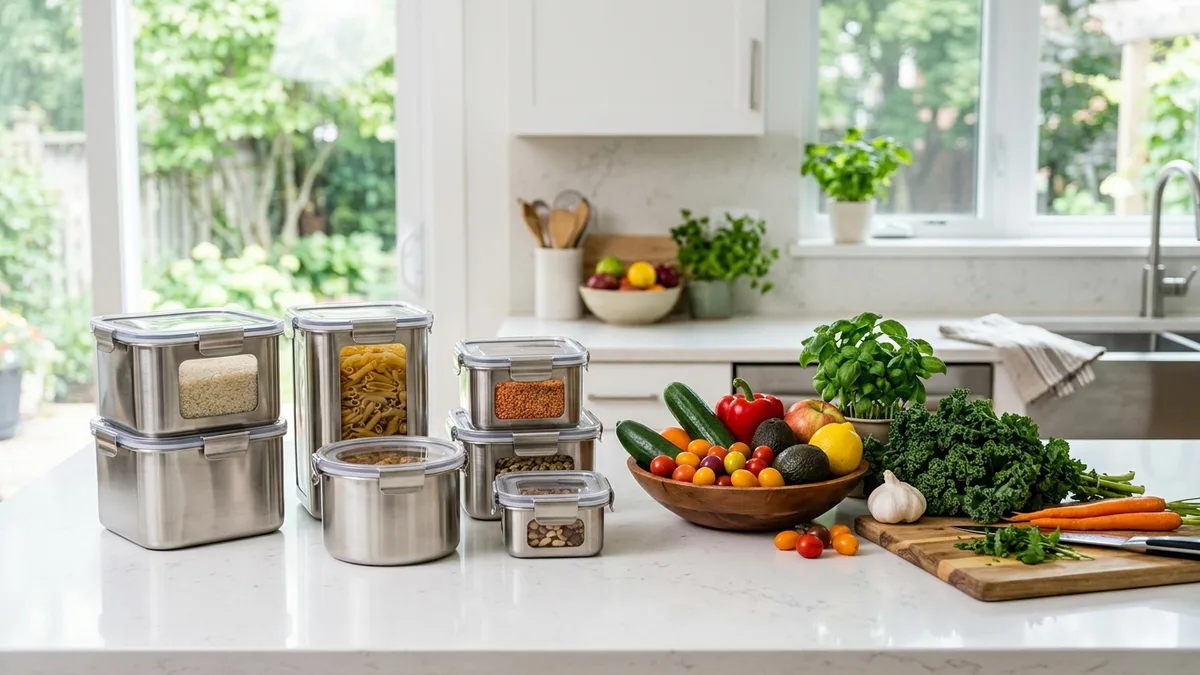
The shift toward stainless steel in the kitchen is not just a trend. It reflects a growing awareness of what we put our food in contact with every day. Unlike plastic containers, stainless steel does not leach chemicals into your food, even when exposed to acidic ingredients like tomatoes, citrus, or vinegar. It is also completely free of BPA and other plasticizers, which is a huge draw for families with young children.
According to The Spruce, stainless steel is one of the most hygienic materials you can use for food contact because it is non-porous, meaning bacteria have nowhere to hide. That same non-porous surface also means stains and odors from garlic, curry, or tomato sauce simply wipe away, something you cannot say about even the best plastic containers after a few months of use.
Beyond health benefits, stainless food storage containers are a genuinely sustainable choice. A quality stainless steel container can last for decades, reducing the number of plastic containers that end up in landfills. If you are working toward a more eco-conscious lifestyle, swapping out worn plastic for stainless steel is one of the most impactful changes you can make in your kitchen.
If you want to explore more sustainable kitchen habits, check out our Zero Waste Kitchen: A Practical Guide and our Living Sustainable Life: Eco-Friendly Home Organization Ideas for more inspiration.
Types of Stainless Food Storage Containers You Should Know
Not all stainless food storage containers are the same. Understanding the different styles available will help you find the right fit for your specific needs.
Food-Grade Stainless Steel: What to Look For
The most important thing to check when buying any stainless steel container is the grade of steel used. For food storage, you want containers made from 18/8 or 18/10 stainless steel, which refers to the ratio of chromium to nickel in the alloy. These grades are highly corrosion-resistant, do not rust easily, and are certified safe for food contact. Avoid containers that do not specify their steel grade, as lower-quality options may contain trace metals that can affect taste or safety.
Container Styles by Use Case
- Round containers with snap lids are great for soups, stews, and saucy dishes. They tend to be stackable and compact.
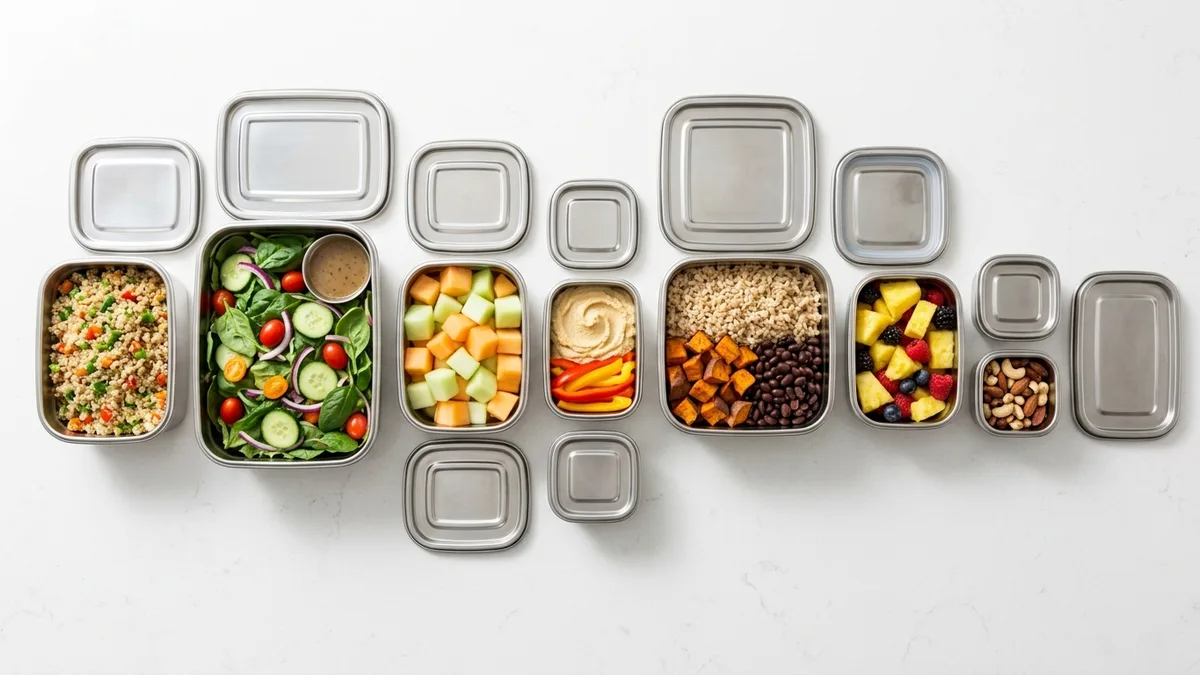
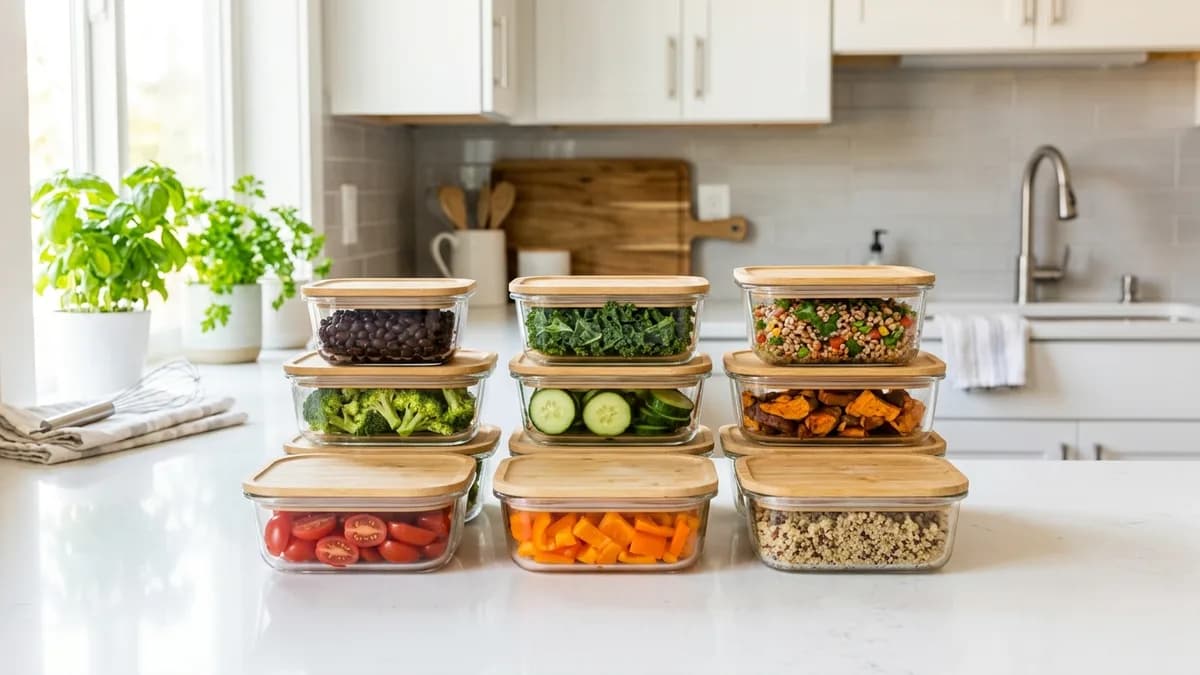
- Rectangular or square containers maximize refrigerator and cabinet space because they fit flush against each other. Ideal for meal prepping grains, proteins, and salads.
- Single-compartment tiffin-style containers are popular for packed lunches and work well for sandwiches, wraps, and dry snacks.
- Multi-compartment bento-style containers let you store different foods side by side without mixing flavors or textures. A top pick for kids' school lunches and adult meal prep alike.
- Leak-proof containers with silicone-sealed lids are designed specifically for liquids and saucy foods. Look for lids with a silicone gasket ring that creates an airtight seal.
- Shallow snack containers work perfectly for fruit slices, veggies and dip, nuts, or crackers.
Stainless Food Storage Containers vs. Glass and Plastic
Choosing between stainless steel, glass, and plastic comes down to your priorities. Here is a clear breakdown to help you decide:
Stainless Steel vs. Plastic
Plastic containers are lightweight and inexpensive, but they degrade over time. Even BPA-free plastics can release other chemicals when scratched, heated, or worn. Stainless steel, by contrast, maintains its integrity for years with minimal care. It does not absorb odors or stains, and it is far more durable under daily use. If you want a deep dive into safe plastic options, our BPA-Free Food Storage Containers guide covers the topic thoroughly.
Stainless Steel vs. Glass
Glass containers are also non-toxic and non-porous, making them a similarly healthy choice. However, glass is heavy and breakable, which is a real concern if you have young kids or pack lunches to take to work or the gym. Stainless steel wins on portability, durability, and weight. Glass is better suited for oven use, since most stainless steel lids are not oven-safe. If you are interested in glass options, our Best Food Storage Containers Glass guide is worth reading alongside this article.
Stainless steel hits the sweet spot between health-conscious and practical. It is lighter than glass, safer than plastic, and tough enough to handle everyday kitchen life without showing its age.
A Quick Comparison at a Glance
- Durability: Stainless steel outlasts both plastic and glass in most everyday use scenarios.
- Weight: Stainless steel is lighter than glass, making it better for packed lunches and on-the-go storage.
- Safety: Both stainless steel and glass are non-toxic and free from chemical leaching; plastic varies by type.
- Oven compatibility: Glass wins here. Most stainless containers are not designed for oven use.
- Microwave compatibility: Neither glass with metal lids nor stainless steel is microwave-safe. Transfer food to a microwave-safe dish before reheating.
- Freezer compatibility: All three work well in the freezer, though glass can crack if filled to the brim and frozen.
- Long-term cost: Stainless steel and glass cost more upfront but save money over time by lasting much longer than plastic.
How to Choose the Best Stainless Food Storage Containers for Your Kitchen
With so many options on the market in 2026, these are the key factors worth evaluating before you buy:
Lid Type and Seal Quality
This is arguably the most important feature. A container is only as good as its lid. Look for lids with a silicone gasket or rubber seal for true leak-proof and airtight performance. Some lids clip or snap on multiple sides for extra security. If you plan to pack soups or smoothie bowls for lunch, a leak-proof lid is non-negotiable.
Capacity and Size Range
Think about what you actually store. A 16-ounce container works well for a single serving of salad or leftovers. A 32-ounce or 64-ounce container is better for batch cooking. Buying a set with multiple sizes is usually the most practical approach because it gives you flexibility for everything from a cup of berries to a full meal for four.
Stackability
If refrigerator and cabinet space is tight, look for containers designed to stack securely. Flat lids and uniform dimensions make a big difference. Rectangular shapes almost always stack better than round ones.
Compatibility with Your Habits
- Meal prepper? Prioritize sets with leak-proof lids and multiple compartments.
- Packing kids' lunches? Look for bento-style containers with fun, easy-to-open lids.
- Storing pantry staples like nuts, seeds, or dried fruit? Simpler round containers with tight press-on lids work great.
- Freezing soups and sauces in bulk? Choose wider-mouth containers and avoid overfilling to allow for expansion.
Dishwasher Safety
Most quality stainless steel containers are dishwasher-safe on the top rack. However, check the lid separately since silicone gaskets can sometimes degrade faster in high-heat dishwasher cycles. Hand washing lids with a soft sponge is a safe habit that extends their life.
Organizing Your Fridge and Pantry with Stainless Food Storage Containers
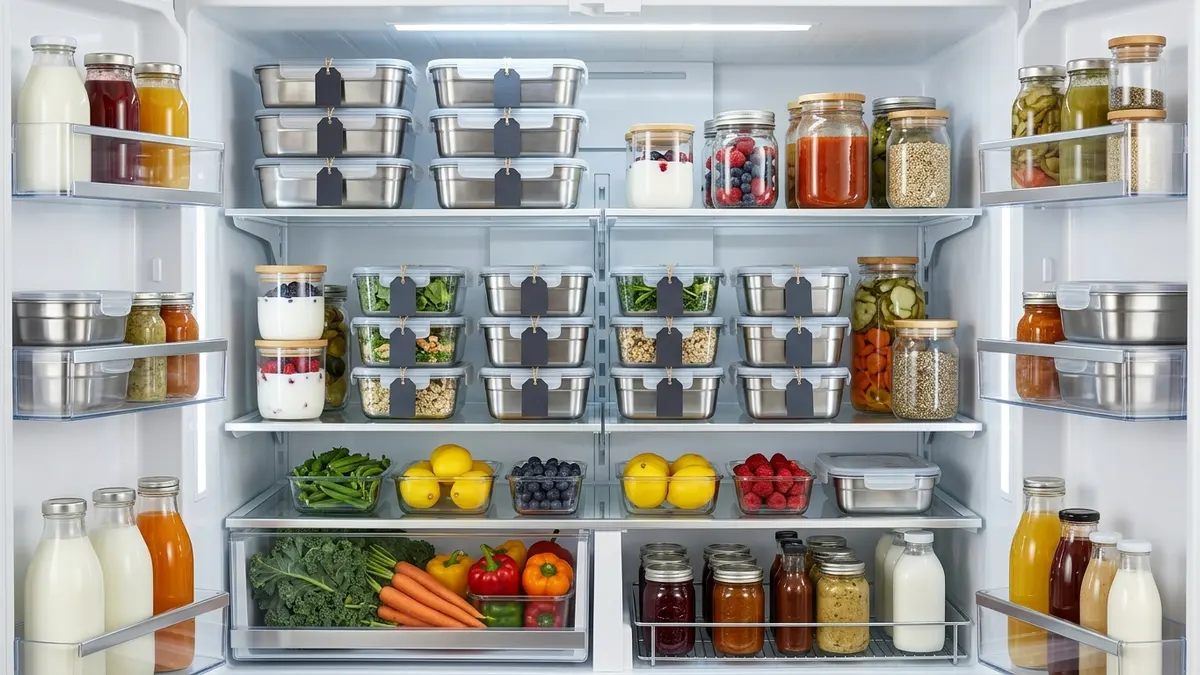
Switching to stainless food storage containers is only half the battle. The other half is organizing them in a way that actually makes your kitchen life easier.
Refrigerator Organization Tips
- Group containers by meal type: breakfast items on one shelf, lunch containers on the next, and dinner leftovers together.
- Use rectangular containers along the back wall and smaller round ones in front so nothing gets lost.
- Label lids with masking tape and a marker, or invest in a set of small reusable chalk labels. This saves time and reduces food waste because you always know what is inside and when it was stored.
- Keep a designated zone in your fridge specifically for packed lunches so morning prep is fast and stress-free.
For more ideas on fridge organization, our Fridge Organization Ideas article has over 30 practical tips.
Pantry Organization with Stainless Steel
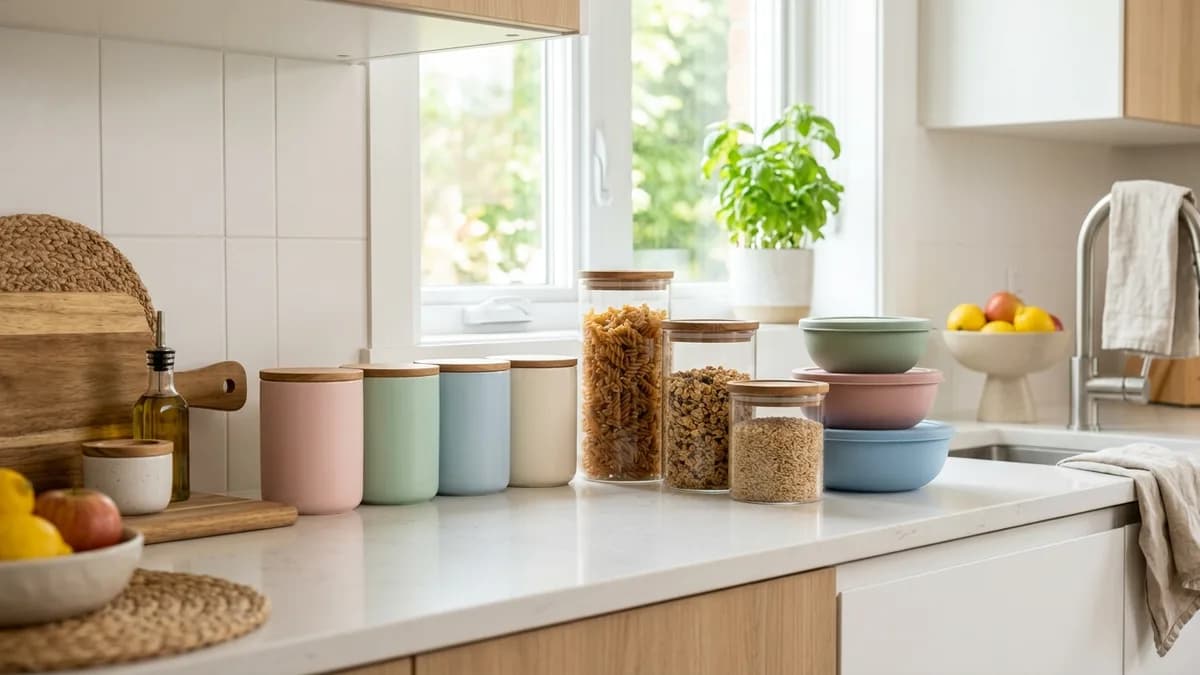
Stainless steel containers are also excellent for dry pantry goods. Transfer items like nuts, seeds, granola, trail mix, dried fruit, and even pasta into labeled stainless containers for a cleaner, more uniform pantry look. This approach also keeps pests out and maintains freshness far better than open bags.
If you want a complete overhaul of your pantry storage system, our Food Storage Containers for Pantry guide walks you through the whole process.
Cabinet and Drawer Storage
Nest smaller containers inside larger ones to save cabinet space when not in use. Store lids separately in a shallow bin or a dedicated lid organizer so you are not digging through a jumbled pile every time you need one. This single habit alone dramatically reduces kitchen clutter.
According to Good Housekeeping, one of the biggest sources of kitchen frustration is mismatched container and lid sets. Standardizing your containers to one or two brands or styles makes a measurable difference in day-to-day kitchen ease.
Caring for Your Stainless Food Storage Containers
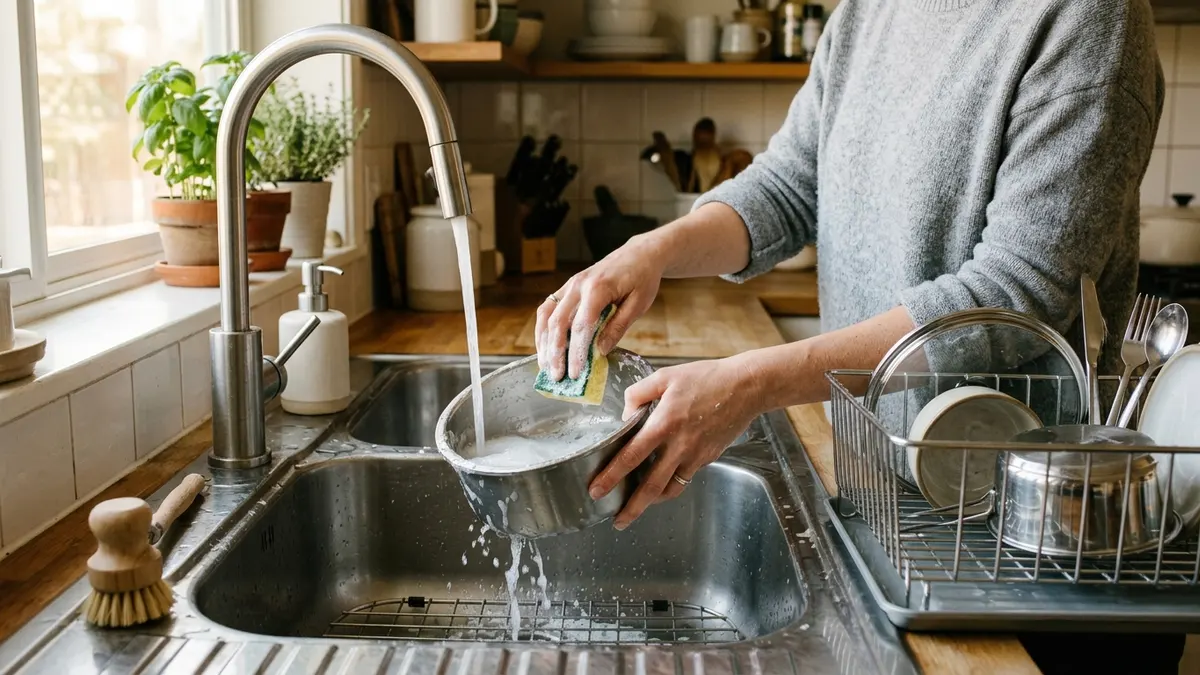
One of the biggest selling points of stainless steel is how low-maintenance it is. Here is how to keep your containers looking and performing their best for years:
Everyday Cleaning
- Wash with warm soapy water and a non-abrasive sponge after each use.
- For stubborn residue, fill the container with warm water and a small amount of dish soap, let it soak for 15 to 20 minutes, then scrub gently.
- Avoid steel wool pads or harsh scrubbers, which can scratch the surface and dull the finish.
Removing Odors and Stains
Even though stainless steel is highly odor-resistant, very pungent foods like fish or garlic can occasionally leave a faint smell. A paste made from baking soda and a little water applied to the inside of the container, left for 10 minutes, then rinsed clean, works extremely well for neutralizing odors.
For water spots or mineral deposits, a small amount of white vinegar on a soft cloth buffed over the surface will restore the shine.
Long-Term Care
- Dry containers thoroughly before stacking or storing to prevent any moisture buildup.
- Inspect silicone lid gaskets periodically. Replace them if they show signs of cracking or deformation, since a damaged gasket will compromise the airtight seal.
- Do not use chlorine bleach or chlorine-based cleaners on stainless steel, as this can cause pitting and surface damage over time.
Using Stainless Food Storage Containers for Meal Prep and On-the-Go Living
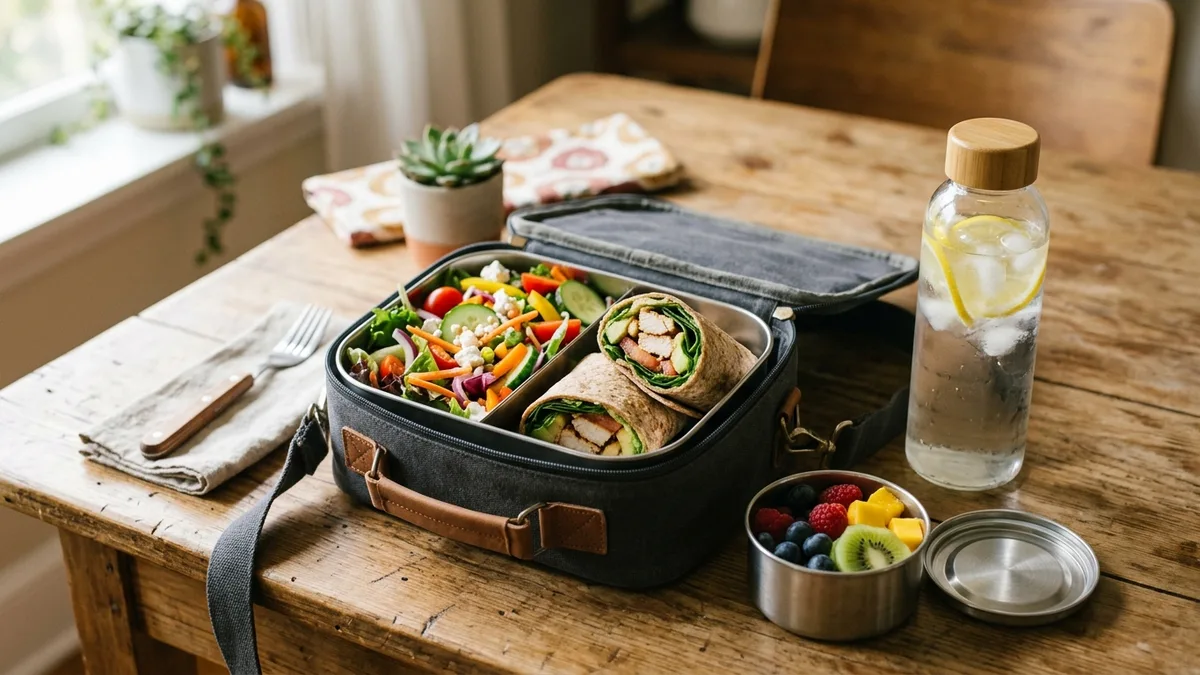
In 2026, meal prepping has become a mainstream habit for busy American households looking to save money, eat healthier, and reduce food waste. Stainless food storage containers are ideal for this lifestyle because of their durability, safety, and the fact that they look presentable enough to eat directly from at your desk or in the break room.
Meal Prep Best Practices
- Batch cook proteins, grains, and roasted vegetables at the start of the week and store each component separately in labeled stainless containers.
- Use a consistent container size for your individual meal servings so they stack neatly in your fridge and are easy to grab each morning.
- Store wet and dry components separately when possible. For example, keep salad dressing in a small container inside your main lunch container rather than dressing the salad in advance. This keeps everything crisp and fresh.
- For hot soups and stews, always let food cool to room temperature before sealing and refrigerating. This prevents condensation buildup inside the container.
- Most stainless containers are perfectly safe to pack in an insulated lunch bag and keep at room temperature for several hours, making them excellent for work, school, or outdoor activities.
If you are new to meal prep and want a beginner-friendly breakdown, our Meal Prep Containers for Beginners guide is a great starting point.
Stainless Steel Food Storage Containers: Eco-Friendly and Budget-Smart in the Long Run
It is true that a quality set of stainless food storage containers costs more upfront than a plastic set. However, the long-term math strongly favors stainless steel. A good plastic container set might need replacing every two to three years as containers warp, stain, crack, or lose their lids. A well-maintained stainless steel set can realistically last 10 to 20 years or more.
Beyond the personal savings, the environmental impact is significant. Each plastic container you do not buy or throw away keeps more plastic out of the waste stream. For households working toward zero waste or simply trying to be more intentional about consumption, stainless steel is one of the most straightforward swaps available.
For more context on building sustainable kitchen habits, Real Simple's guide to eco-friendly kitchens offers thoughtful advice on reducing single-use materials throughout the home.
Pair your new stainless containers with a well-organized pantry system, and you will notice an immediate difference in how your kitchen feels and functions. Browse our Best Sellers and New Arrivals at Sesoris for kitchen organization tools that complement your stainless steel setup.
Related Products from Sesoris
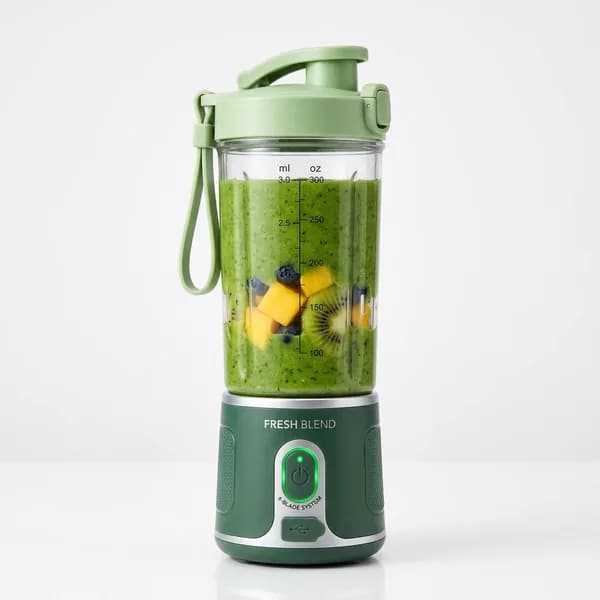
If you want to turn this guide into a real setup, start with Stainless Steel 2-Tier Dish Rack and Portable Blender. For broader options, browse the Kitchen & Dining collection so the article journey does not stop at reading only.
Our practical rule: choose one product that solves the main clutter problem first, then add supporting organizers only when the daily workflow is already clear. This keeps the shopping path useful, not pushy.
FAQ: Frequently Asked Questions About Stainless Food Storage Containers
Q: Are stainless food storage containers truly airtight?
Many stainless steel containers come with silicone-sealed lids that create an airtight seal and are genuinely leak-proof. However, not all stainless containers have this feature. Always check the product description for a silicone gasket or seal if airtight storage is important to you.
Q: Can I use stainless food storage containers in the microwave?
No. Metal and microwaves do not mix. Always transfer food to a microwave-safe dish before reheating. This is the one area where glass or ceramic containers have a clear advantage over stainless steel.
Q: Can I freeze food in stainless steel containers?
Yes, stainless steel handles freezer temperatures very well. Just leave a little headspace at the top of the container since liquids expand as they freeze. Avoid sealing the lid until the food is partially frozen if you are storing soups or broths.
Q: Are stainless steel containers safe for acidic foods like tomato sauce or citrus?
High-grade 18/8 or 18/10 stainless steel is very resistant to acids and will not react with tomatoes, citrus, vinegar, or other acidic ingredients. It is a better choice for these foods than most plastics.
Q: How do I stop my stainless containers from getting dented?
Stainless steel can dent if dropped on a hard floor. Thicker-gauge containers resist denting better than thinner, cheaper options. Look for containers described as heavy-gauge or restaurant-grade for the best durability.
Q: Can children use stainless food storage containers?
Absolutely. Stainless steel is one of the safest materials for kids' food containers because it is free of BPA and other chemical concerns. Many brands offer kid-friendly sizes with easy-open lids specifically designed for small hands.
Q: What size stainless container is best for a single meal portion?
A 16-ounce to 24-ounce container covers most standard adult meal portions. For kids' portions or snacks, an 8-ounce to 12-ounce container is usually the right size.
Conclusion
Stainless food storage containers are one of the most practical, health-forward investments you can make for your kitchen in 2026. They eliminate the uncertainty around plastic chemical leaching, outlast virtually every alternative on the market, and bring a clean, uniform look to your fridge, pantry, and lunch bag. Whether you are a dedicated meal prepper, a parent packing school lunches, or simply someone who wants to store leftovers without worrying about odors or stains, stainless steel delivers on every front.
The key is choosing the right container styles and sizes for your specific habits, maintaining them properly, and organizing them thoughtfully so your kitchen stays as functional as it looks. With the tips and guidance in this article, you have everything you need to make a confident, well-informed decision.
Ready to upgrade your food storage game? Visit Sesoris to explore our full collection of kitchen organization essentials, including our Best Sellers and the latest New Arrivals. Your more organized, healthier kitchen starts today.
Weekly Home Tips
Get home organization ideas, product picks, and exclusive deals delivered weekly.
No spam. Unsubscribe anytime.
Explore More Articles
- Where to Buy Kitchen Racks: Best Places to Shop in 2026
- Minimalist Kitchen Inspiration: 30+ Modern Ideas 2026
- Spring Cleaning Checklist 2026: Room-by-Room Deep Clean
- Minimalist Shelf Ideas: 25+ Stylish Picks for 2026
- Glass Containers Food Storage: The Ultimate Inspiration Guide to a Beautiful, Organized Kitchen in 2026
- 30+ Best Closet Organization Ideas for Nursery: Create the Perfect Baby Storage Space in 2026
- Kitchen Dish Rack Guide: Best Kitchen Plate Storage Solutions for 2026
- Garage Wall Shelf Ideas for Better Storage