Quality Products, Free Shipping & Easy Returns!
Sesoris
My AccountTrack Order
BlogTips & Tricks
Shoe Storage Solutions: Keep Your Collection Organized 2026
Tips & Tricks

Shoe Storage Solutions: Keep Your Collection Organized 2026

April 19, 2026
8 min read read
RW
Rina Wijaya
Sustainability Advocate

Did you know that the average person owns 20 pairs of shoes, yet struggles to find the right pair when needed? Shoe storage has become one of the most challenging aspects of home organization in 2026. With rising living costs and shrinking spaces, finding efficient ways to store and organize footwear has never been more crucial.

Whether you're dealing with a growing sneaker collection, seasonal boots, or formal footwear, proper shoe storage solutions can transform your entryway, bedroom, or closet into an organized haven. From space-saving racks to innovative organizers, the right storage system not only protects your investment but also saves precious time during busy mornings.

In this comprehensive guide, you'll discover the best shoe storage solutions for 2026, learn practical organization techniques, and explore creative DIY options that maximize every inch of your space. Let's transform your shoe chaos into an organized system that works for your lifestyle.

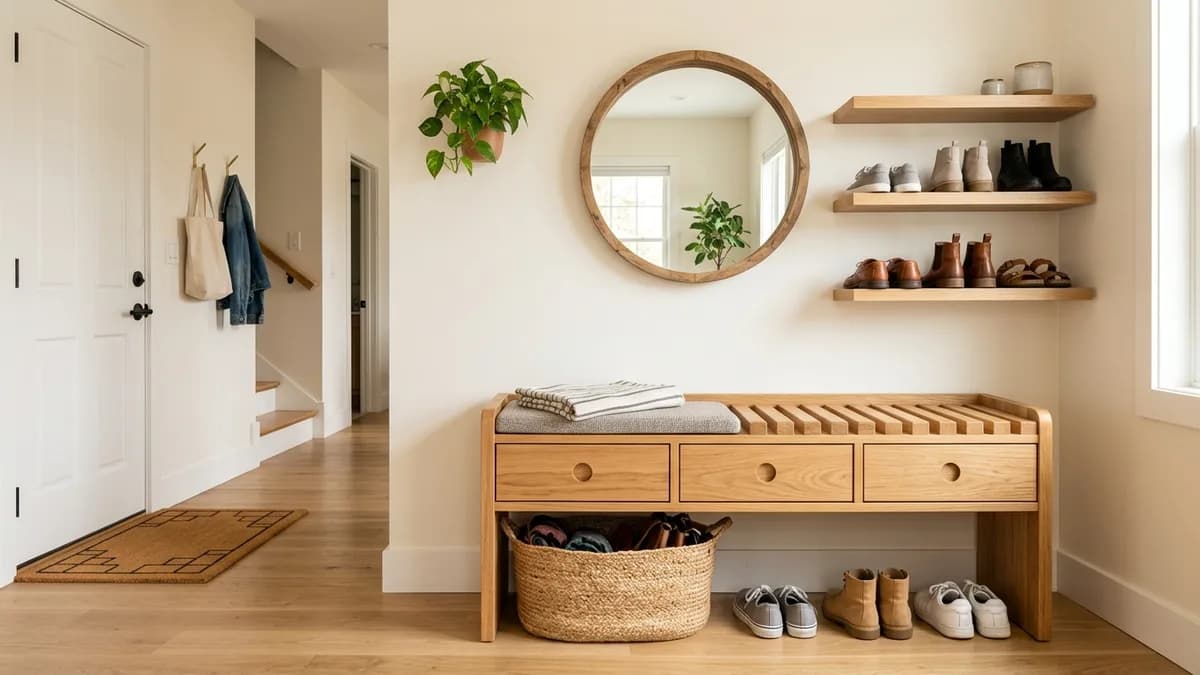
Modern shoe storage rack with organized footwear collection in minimalist entryway

Why Proper Shoe Storage Matters

Effective shoe organization goes beyond aesthetics – it's about protecting your investment and creating functional living spaces. Studies show that proper shoe storage can extend footwear lifespan by up to 40% while reducing daily stress from searching for missing pairs.

Proper storage prevents common issues like sole separation, upper cracking, and odor buildup that occur when shoes are piled together. Additionally, organized footwear reduces dirt tracking throughout your home, maintaining cleaner floors and better indoor air quality.

The psychological benefits are equally important. A well-organized shoe collection creates a sense of control and reduces morning decision fatigue. When every pair has its designated space, you'll spend less time searching and more time enjoying your day.

Modern homes in 2026 demand smart storage solutions that blend functionality with style. The right storage organizers can transform cluttered entryways into welcoming spaces that set a positive tone for your entire home.

Essential Types of Shoe Storage Solutions

Over-the-Door Organizers

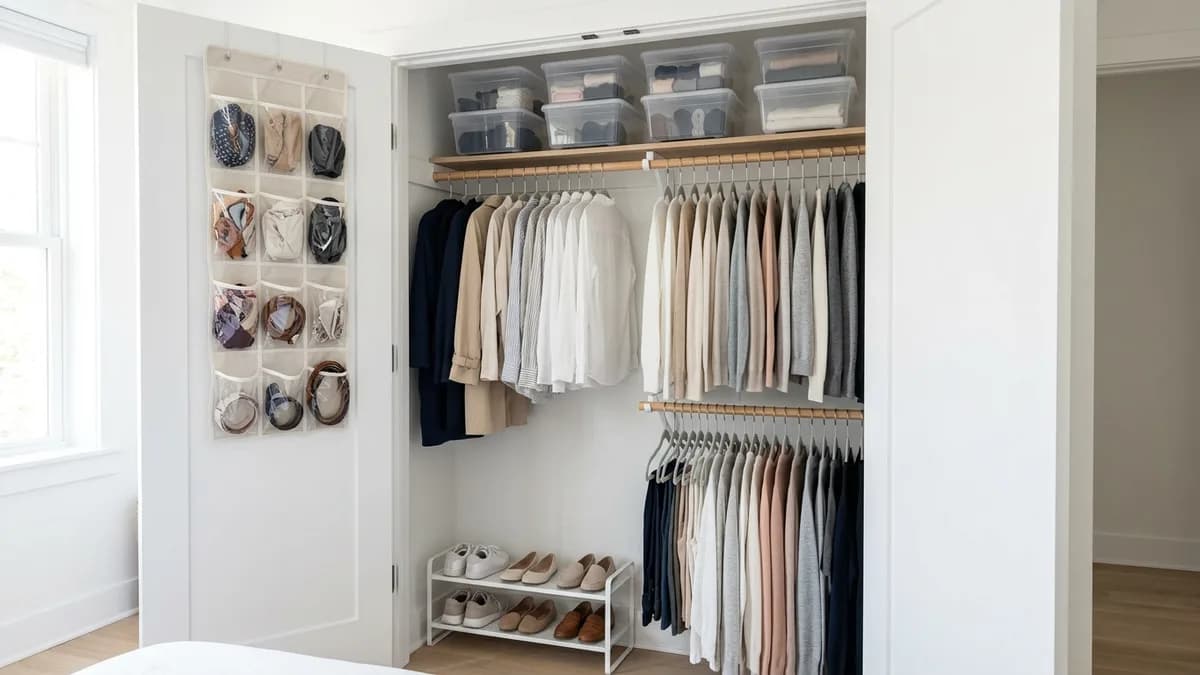
Over-the-door shoe organizers maximize vertical space without requiring floor area. These solutions typically accommodate 12-36 pairs depending on pocket size and door height. Look for models with reinforced stitching and breathable materials to prevent moisture buildup.

Clear pocket organizers work best for frequently worn shoes, while fabric versions offer better aesthetics for visible doors. Consider weight distribution when loading – place heavier boots in lower pockets to prevent sagging.

Stackable Shoe Boxes

Transparent stackable boxes provide excellent protection while maintaining visibility. Premium options feature ventilation holes and drop-front access for easy retrieval. These containers are particularly valuable for seasonal storage and expensive footwear protection.

Standard boxes accommodate most shoe sizes, while XL versions work for boots and high-tops. Label each box for quick identification, especially when storing seasonal items in closets or under beds.

Various shoe organizer types and storage solutions for home organization

Traditional Shoe Racks

Freestanding racks range from simple two-tier models to elaborate rotating systems. Wooden racks complement traditional décor, while metal versions offer modern aesthetics and easy cleaning. Consider your space constraints and collection size when selecting capacity.

Multi-level racks work well in entryways and closets, providing 20-40 pair capacity in compact footprints. Look for adjustable shelving to accommodate various heel heights and boot styles.

Built-in Storage Solutions

Custom built-ins offer the most efficient space utilization but require higher initial investment. These solutions can incorporate specialized compartments for different shoe types, including pull-out drawers for flat shoes and tall sections for boots.

Consider built-in options during home renovations or closet remodels. Professional installation ensures optimal space utilization and seamless integration with existing décor.

Smart Organization Strategies

Categorization Methods

Organize shoes by frequency of use, placing daily footwear in easily accessible locations. Reserve prime real estate for work shoes, athletic footwear, and seasonal essentials. Store special occasion shoes in protective boxes on higher shelves or less accessible areas.

Color coordination creates visually pleasing arrangements while simplifying selection. Group similar tones together, with neutral shoes serving as dividers between color families. This method works particularly well in visible storage areas.

Seasonal Rotation System

Implement a seasonal rotation to maximize accessible storage space. Store winter boots during summer months and sandals during winter. Use vacuum storage bags for off-season items to reduce bulk while protecting against dust and moisture.

Label storage containers with contents and season for easy identification. Create a simple inventory list to track stored items and prevent duplicate purchases.

Protection and Maintenance Integration

Incorporate shoe care into your storage system. Designate space for cleaning supplies, shoe trees, and protective sprays. Regular maintenance extends footwear life and maintains your investment value.

Cedar shoe trees prevent creasing and absorb moisture when inserted immediately after wear. Silica gel packets in storage boxes control humidity and prevent mold growth in closed systems.

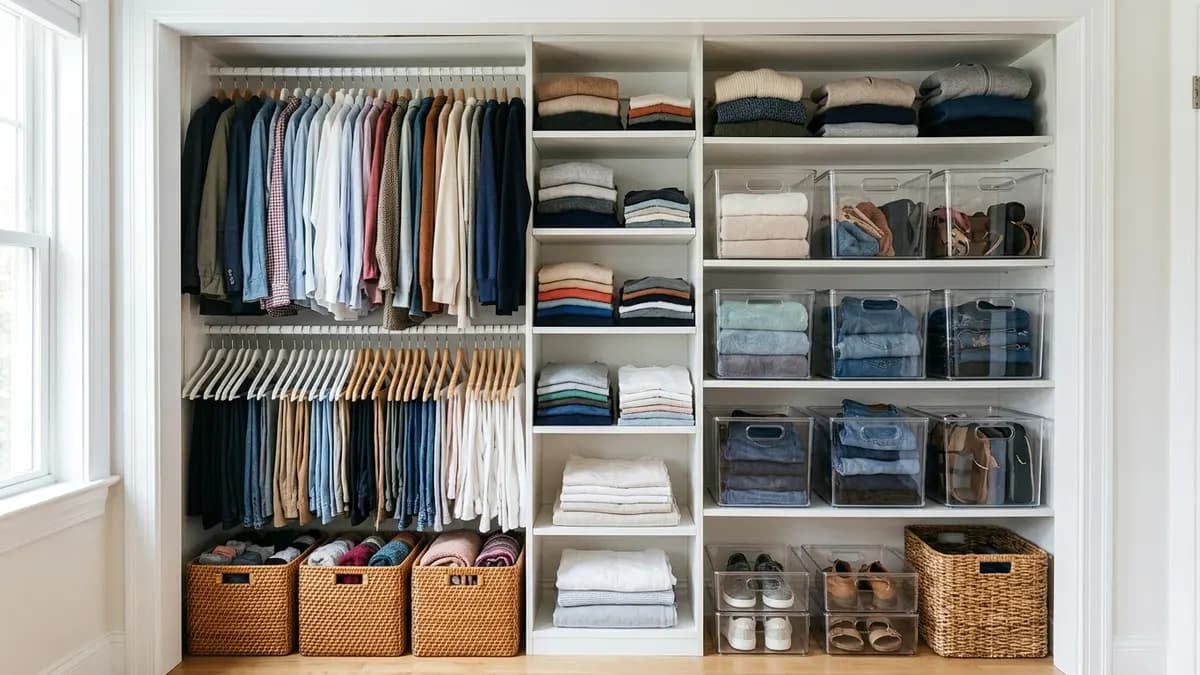
Organized walk-in closet with comprehensive shoe storage system and organizers

Step-by-Step Implementation Guide

Assessment and Planning

Step 1: Inventory Assessment

Remove all shoes from current storage and sort by condition. Discard damaged pairs beyond repair and donate shoes no longer worn. This process typically reduces collections by 20-30%, creating manageable organization projects.

Step 2: Space Measurement

Measure available storage areas including height, width, and depth. Note obstacles like heating vents, electrical outlets, or structural elements that affect organizer placement. Document measurements for reference when shopping for solutions.

Step 3: Usage Analysis

Track daily shoe choices for one week to identify most-used pairs. This data informs prime storage location assignments and helps optimize accessibility for your lifestyle.

Installation Process

Step 1: Clean and Prepare

Thoroughly clean storage areas and allow complete drying. Apply protective treatments to wooden surfaces if necessary. Ensure adequate lighting for visibility and consider adding motion-activated LED strips for dark spaces.

Step 2: Install Fixed Elements

Mount wall-mounted racks, shelving, or built-in components according to manufacturer specifications. Use appropriate hardware for your wall type and ensure level installation for optimal function and appearance.

Step 3: Arrange Storage Components

Position stackable boxes, bins, and portable organizers according to your categorization plan. Leave adequate space for air circulation and easy access to each storage area.

Organization and Labeling

Create clear labeling systems using weather-resistant materials. Include photos for quick visual identification, especially helpful for family members or guests. Implement consistent labeling throughout your entire home organization system.

Establish maintenance routines including weekly reorganization sessions and monthly deep cleaning. Regular attention prevents organizational systems from deteriorating over time.

Budget-Friendly Solutions

Simple over-the-door organizers starting at $15 provide excellent value for apartment dwellers and students. These solutions require no installation and work in various spaces including bedroom doors, closet doors, and even bathroom entries.

Plastic stackable boxes offer protection and visibility at affordable prices. Look for models with secure latching mechanisms and ventilation features. These versatile containers work for shoes and other storage needs throughout your home.

Mid-Range Options

Wooden shoe racks ($30-80) combine functionality with attractive aesthetics. Look for models with adjustable shelving, protective finishes, and stable construction. These pieces often serve double duty as entryway seating or decorative elements.

Rotating shoe organizers maximize capacity in compact footprints. Premium models accommodate 30+ pairs while requiring minimal floor space. Consider weight capacity and stability when evaluating options for extensive collections.

Premium Storage Solutions

Custom closet systems with integrated shoe storage provide ultimate organization but require significant investment ($200-1000+). These solutions offer specialized compartments, optimal space utilization, and seamless aesthetic integration.

Climate-controlled storage boxes protect valuable footwear from humidity and temperature fluctuations. LED-lit compartments add luxury while improving visibility for selection.

Professional organizers recommend investing in quality storage for expensive footwear collections. The protection value often exceeds the storage cost when considering replacement expenses.

Creative DIY shoe storage ideas using repurposed materials and innovative designs

Creative DIY Storage Solutions

Repurposed Materials Projects

Transform wooden wine crates into rustic shoe storage with minimal modification. Sand surfaces smooth, apply protective finish, and stack for customized capacity. This approach costs 60-70% less than commercial alternatives while creating unique storage pieces.

PVC pipe projects create modern, minimalist storage for athletic shoes. Cut pipes to appropriate lengths, connect with joints, and mount to walls for space-efficient organization. Paint pipes to match décor or leave white for contemporary aesthetics.

Space-Saving Innovations

Under-stair spaces offer excellent shoe storage potential with custom shelving. Measure carefully and create tiered storage that accommodates various shoe heights. Add LED strips for visibility in typically dark areas.

Bench storage combines seating with shoe organization, perfect for entryways. Build or modify existing benches to include internal compartments or open shelving below seating surfaces.

Family-Friendly Options

Create designated storage areas for each family member using color coding or personalized labels. Lower shelves for children encourage independence while keeping favorite shoes accessible.

Implement rotation systems for growing children's feet, storing larger sizes until needed while donating outgrown pairs regularly. This prevents accumulation of unwearable shoes.

Common Storage Mistakes to Avoid

Overcrowding Issues

Cramming too many shoes into limited space prevents proper air circulation and makes retrieval difficult. Allow 20% extra space in storage areas to accommodate air flow and easy access. Overcrowded storage leads to damage from shoes rubbing against each other.

Regularly reassess storage capacity as collections grow. Add supplementary storage before reaching maximum capacity rather than forcing additional shoes into inadequate space.

Moisture Problems

Storing damp shoes creates mold and odor problems that affect entire collections. Always allow shoes to dry completely before storage, using newspaper or shoe trees to accelerate drying process.

Avoid completely sealed storage in humid climates without moisture control. Include desiccant packets or ensure ventilation to prevent moisture accumulation. Consider airtight containers with humidity control for valuable footwear.

Neglecting Maintenance

Storage systems require regular maintenance to remain functional. Weekly reorganization sessions prevent chaos from accumulating and maintain accessibility. Monthly cleaning prevents dust and debris buildup.

Inspect storage components regularly for wear or damage. Replace worn organizers before failure causes damage to stored shoes. Preventive maintenance costs less than replacement or repair expenses.

Poor Location Selection

Placing shoe storage in high-traffic areas creates obstacles and safety hazards. Choose locations that provide easy access without impeding movement patterns. Entryways work well for daily shoes but avoid blocking exits.

Consider climate factors when selecting storage locations. Avoid areas with temperature extremes, direct sunlight, or high humidity that can damage footwear materials over time.

Maintenance and Long-Term Success

Regular Cleaning Routines

Establish weekly maintenance schedules including storage area cleaning and shoe condition assessment. Remove shoes periodically to clean storage surfaces and check for pest issues or moisture problems.

Monthly deep cleaning sessions should include reorganization, condition assessment, and storage system evaluation. This prevents small problems from becoming major organizational challenges.

System Evolution

Expect storage needs to change over time as lifestyles, collections, and living situations evolve. Design flexible systems that accommodate growth and change without complete reorganization.

Document successful organization strategies and failed approaches to inform future improvements. Photography before and after organization projects helps track progress and identify successful techniques.

Investment Protection

Quality storage systems protect valuable footwear investments while maintaining organization effectiveness. Calculate the replacement cost of your shoe collection to justify appropriate storage investment levels.

Consider storage costs as insurance against damage, loss, and replacement expenses. Professional-grade storage often costs less than replacing damaged footwear over time.

FAQ: Frequently Asked Questions About Shoe Storage

Q: How many pairs of shoes can a typical shoe rack hold?

Most standard shoe racks accommodate 6-12 pairs, while larger models can hold 20-40 pairs. Capacity depends on rack design, shoe size, and heel height. Consider your collection size when selecting capacity.

Q: What's the best material for shoe storage boxes?

Clear plastic boxes offer the best combination of visibility, protection, and affordability. For premium storage, cedar boxes provide natural moisture control and pest deterrence. Avoid cardboard for long-term storage due to moisture sensitivity.

Q: How often should I reorganize my shoe storage?

Weekly quick reorganization sessions and monthly thorough reviews work best for most people. Seasonal rotations require quarterly attention. Adjust frequency based on collection size and usage patterns.

Q: Can I store shoes in the garage or attic?

Avoid storage in areas with extreme temperatures or humidity fluctuations. Leather and synthetic materials can crack or deteriorate in harsh conditions. Climate-controlled areas provide better long-term protection.

Q: What's the most space-efficient shoe storage method?

Vertical storage using stackable boxes or over-door organizers maximizes space efficiency. Under-bed storage works well for seasonal shoes. Consider your specific space constraints when selecting methods.

Q: How do I prevent shoe odors in storage?

Ensure shoes are completely dry before storage, use cedar shoe trees, and include moisture-absorbing packets. Regularly air out storage areas and avoid completely sealed systems in humid environments.

Conclusion

Effective shoe storage transforms cluttered spaces into organized, functional areas that protect your footwear investment while simplifying daily routines. By implementing the strategies, products, and techniques outlined in this guide, you can create a storage system that grows with your collection and lifestyle needs.

Remember that successful organization requires ongoing maintenance and periodic evaluation. Start with one area, perfect your system, then expand to other spaces. The time invested in proper shoe storage pays dividends in preserved footwear, reduced stress, and improved home aesthetics.

Ready to transform your shoe storage chaos into organized bliss? Explore our comprehensive collection of storage solutions and organizers at Sesoris to find the perfect products for your home organization journey. With our quality storage solutions and your newfound knowledge, you'll create a shoe storage system that truly works for your lifestyle.

Weekly Home Tips

Get home organization ideas, product picks, and exclusive deals delivered weekly.

No spam. Unsubscribe anytime.