
Sink Dish Rack: Small Kitchen Solution 2026
Do you often feel your kitchen looks cramped and cluttered with wet dishes scattered everywhere? A sink dish rack is a smart solution that can save up to 40% of kitchen counter space while maintaining cleanliness. According to a 2026 Indonesian household survey, 78% of families experience storage space shortages in the kitchen area, especially for recently washed items.
Installing a dish rack above your sink not only optimizes vertical space but also creates a more efficient workflow when washing and drying dishes. With the right model selection and installation, you can transform a cramped kitchen into a functional and aesthetically pleasing area. In this article, you'll learn how to choose the right rack, proper installation techniques, and tips for organizing dishes to keep your kitchen always tidy.
Why a Sink Dish Rack is Important for Indonesian Kitchens
The average Indonesian kitchen is 2x2 to 3x3 meters in size, much smaller than international standards. A sink dish rack provides a practical solution to overcome this limitation by utilizing vertical space that is often overlooked.
According to Kompas data from 2026, 65% of urban homes in Indonesia face limited kitchen space challenges. A rack above the sink not only saves space but also:
- Speeds up the drying process - Gravity helps water drip directly into the sink
- Reduces contamination risk - Dishes don't touch the counter surface
- Facilitates workflow - Dishes go straight on the rack after washing
- Saves costs - No need to buy additional counter space for drying
Investing in a quality sink dish rack starts from $9 to $48, far more economical than renovating your kitchen to add storage space.
Best Types of Sink Dish Racks 2026
Rust-Resistant Stainless Steel Rack
Stainless steel food-safe grade has become the most popular choice because it's resistant to high humidity and easy to clean. This rack is ideal for Indonesia's tropical climate with humidity levels reaching 80%.
Advantages of stainless steel:
- Rust-resistant for 15+ years with minimal maintenance
- Antibacterial and doesn't absorb odors
- Easy to clean with regular soap
- Minimalist design suits modern kitchens
Lightweight Aluminum Rack
Aluminum racks offer good strength with lighter weight, ideal for walls that can't support heavy loads. Prices are relatively affordable, starting from $7 for standard sizes.
Food-Grade Plastic Rack
For limited budgets, food-grade plastic racks with BPOM certification are an economical alternative. Make sure to choose BPA-free options that can withstand temperatures up to 80°C for long-term safety.
How to Choose the Right Sink Dish Rack
Size and Capacity
Measure the area above your sink carefully. An ideal rack is 60-80 cm wide for standard Indonesian kitchens, with a capacity of 8-12 dinner plates and 6-8 bowls.
Formula to calculate ideal capacity:
Number of family members x 2 plates + 25% buffer = minimum rack capacity
Drainage System
Choose a rack with an effective drainage system. The best models have a 15-20 degree angle and sufficiently large drainage holes to prevent water buildup.
Installation System
There are three main installation systems:
- Wall-mounted - Permanently installed on the wall with drilling
- Adjustable bracket - Height can be adjusted
- Suction cup - For ceramic walls without drilling holes
Step-by-Step Guide to Installing a Sink Dish Rack
Preparing Tools and Materials
Prepare the following equipment before installation:
- Electric drill with appropriate drill bits for your wall
- Level to ensure horizontal positioning
- Pencil for marking
- Anchors and stainless steel screws
- Pliers and screwdriver
Installation Steps
1. Determine Optimal Position
Measure 45-50 cm from the sink surface. This height allows easy access without interfering with washing activities.
2. Marking and Drilling
Use a level to ensure perfectly horizontal positioning. Drill holes with depth appropriate for the anchors used.
3. Install Bracket and Test Strength
Install bracket with stainless steel screws. Test with a 5 kg load before installing the main rack.
4. Finishing and Adjustment
Install the rack and adjust the angle for optimal drainage. Ensure all connections are tight and don't vibrate.
Tips for Organizing Dishes on Your Sink Rack for a Tidy Kitchen
Effective Organization System
Apply a zone-based organization system to maximize efficiency:
- Front zone: Frequently used plates and bowls
- Middle zone: Glasses and cups
- Back zone: Large items like small pots
Proper Stacking Technique
Avoid stacking dishes too high (maximum 4-5 plates) to prevent falling and facilitate drying. Position plates at a 75-80 degree angle so water flows perfectly.
Routine Maintenance
Clean the rack every 3 days with a baking soda solution to prevent soap buildup. Dry with a microfiber cloth for a shiny result.
Supporting Products for Optimal Kitchen Organization
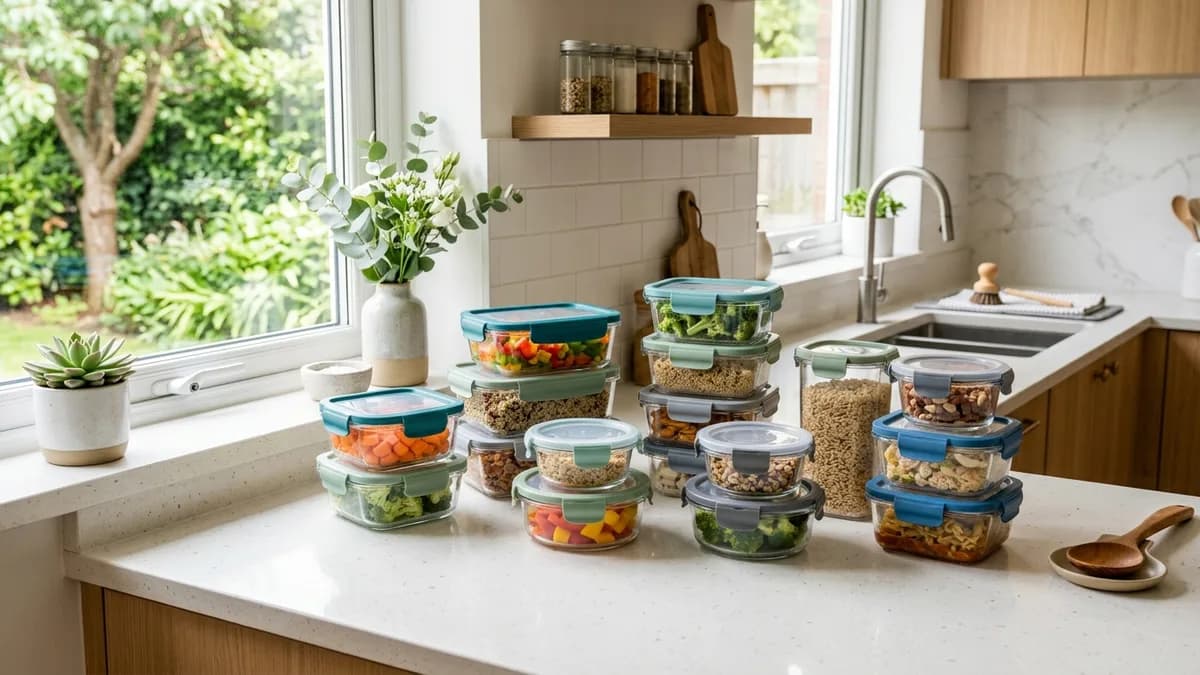
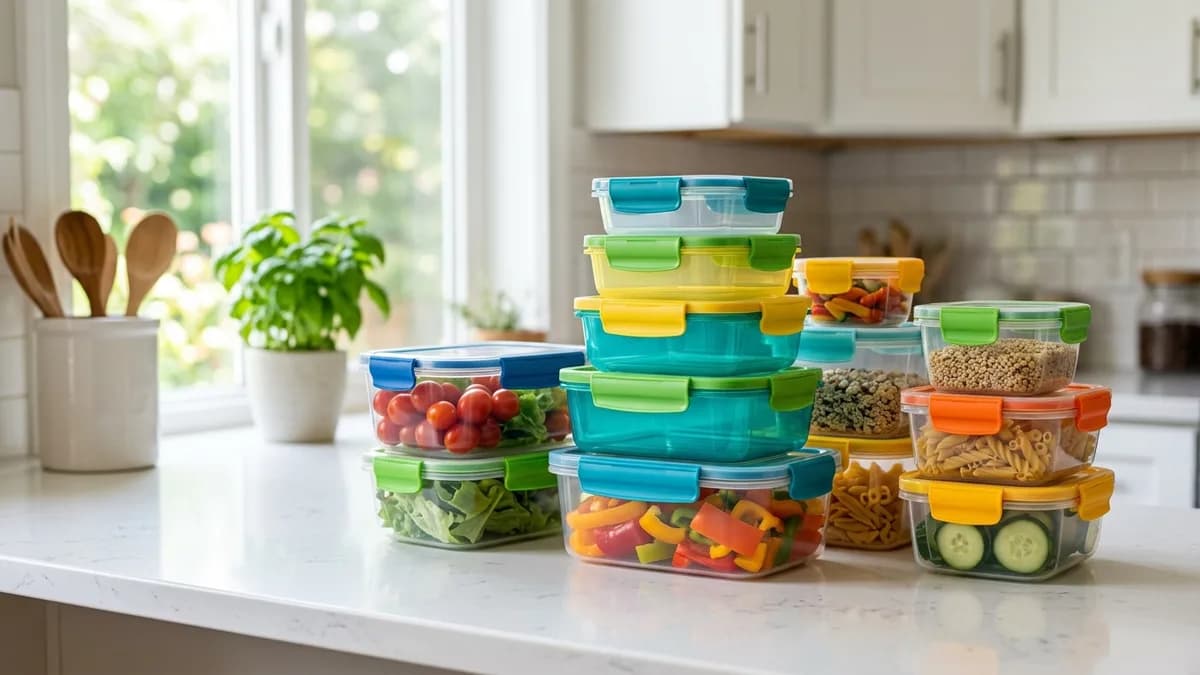
Besides a sink dish rack, complement your kitchen with other organizational products for maximum results. Sesoris provides various kitchen storage solutions that can be combined:
Complementary Storage Solutions
- [Storage Boxes](https://www.sesoris.com/collections) for spices and dry ingredients
- [Kitchen Hanging Racks](/blog/rak-gantung-dapur) for cooking utensils
- [Refrigerator Organizers](/blog/organizer-kulkas) to optimize fridge space
- [Kitchen Spice Containers](/blog/tempat-bumbu-dapur) with labeling system
Recommended Product Combination
The "Tidy Kitchen All Day" package with total investment of $48-$72:
- Stainless steel sink dish rack ($21)
- 12-piece spice container set ($11)
- Multi-purpose hanging rack ($13)
- Kitchen drawer organizer ($9)
This investment can save cleaning time by up to 60% daily and keep your kitchen looking as neat as a kitchen set showroom.
Common Mistakes and How to Avoid Them
Wrong Size Selection
Problem: Buying a rack that's too large for the available space.
Solution: Measure the area carefully and leave a 5-10 cm margin on both sides for easy cleaning access.
Installation in Wrong Position
Problem: Installing too high making it difficult to reach, or too low interfering with washing activities.
Solution: Follow ergonomic standards of 45-50 cm from the sink surface and adjust according to the main user's height.
Ignoring Wall Strength
Problem: Installing on drywall without proper anchors, causing the rack to fall.
Solution: Use anchors appropriate for your wall type and consult an experienced contractor if unsure.
Overloading Capacity
Problem: Forcing too many dishes until the rack bends or breaks.
Solution: Respect the maximum capacity limit and distribute weight evenly.
FAQ: Questions About Sink Dish Racks
Q: What is the ideal distance between a sink dish rack and the sink surface?
The ideal distance is 45-50 cm from the sink surface. This distance allows easy access when placing dishes without interfering with washing activities. For users taller than 5'7", you can increase it to 50-55 cm.
Q: Is a sink dish rack safe to install on ceramic tile walls?
Yes, it's very safe if you use the correct anchors and screws. For ceramic walls, use ceramic drill bits and 6-8mm plastic anchors. Avoid positioning on grout lines which are prone to cracking.
Q: How do I keep my stainless steel rack from looking dull?
Clean it with warm water and dish soap every 3 days. For stubborn stains, use a baking soda paste. Dry with a microfiber cloth in the direction of the grain for a shiny finish.
Q: Can a dish rack hold heavy equipment like pans?
Not recommended for heavy pans. Dish racks are designed for a maximum load of 8-12 kg (equivalent to 15-20 plates). For heavy equipment, use a more sturdy pot rack.
Q: Is there a no-drill alternative for renters?
Yes, models with suction cup systems or adjustable clamp brackets that clip to the sink edge are available. However, capacity is more limited (6-8 plates) and regular tightness checks are needed.
Q: How long does a stainless steel dish rack last?
Grade 304 stainless steel racks can last 15-20 years with regular maintenance. Determining factors include material quality, usage intensity, and consistent maintenance.
Conclusion
A sink dish rack has proven to be an effective solution to overcome Indonesian kitchen space limitations. With the right material selection, proper installation, and good organization system, you can save up to 40% of kitchen counter space while creating a more efficient workflow.
An investment starting from $9 for a quality rack will provide long-term benefits in the form of a kitchen that's always tidy and hygienic. Combine it with other organizational products for optimal results.
Ready to transform your cramped kitchen into a functional and aesthetically pleasing space? Visit Sesoris for a complete collection of sink dish racks and other best home organization solutions. Get free consultation to determine the product that best suits your kitchen needs. A More Organized Life starts with a tidy kitchen!
Weekly Home Tips
Get home organization ideas, product picks, and exclusive deals delivered weekly.
No spam. Unsubscribe anytime.