Quality Products, Free Shipping & Easy Returns!
Sesoris
My AccountTrack Order
BlogTutorial
Ultimate Guide to Plastic Food Containers: Safe Storage Solutions for Modern Kitchens in 2026
Tutorial

Ultimate Guide to Plastic Food Containers: Safe Storage Solutions for Modern Kitchens in 2026

April 30, 2026
12 min read read
MD
Maya Dewi
Interior Stylist

Wadah makanan plastik (plastic food containers) have revolutionized modern kitchen organization and food storage practices in 2026. These versatile storage solutions offer convenience, durability, and affordability for households worldwide. With proper selection and usage, plastic food containers can significantly extend food freshness while maintaining kitchen organization. According to Good Housekeeping, quality plastic containers can keep food fresh up to 40% longer than traditional storage methods.

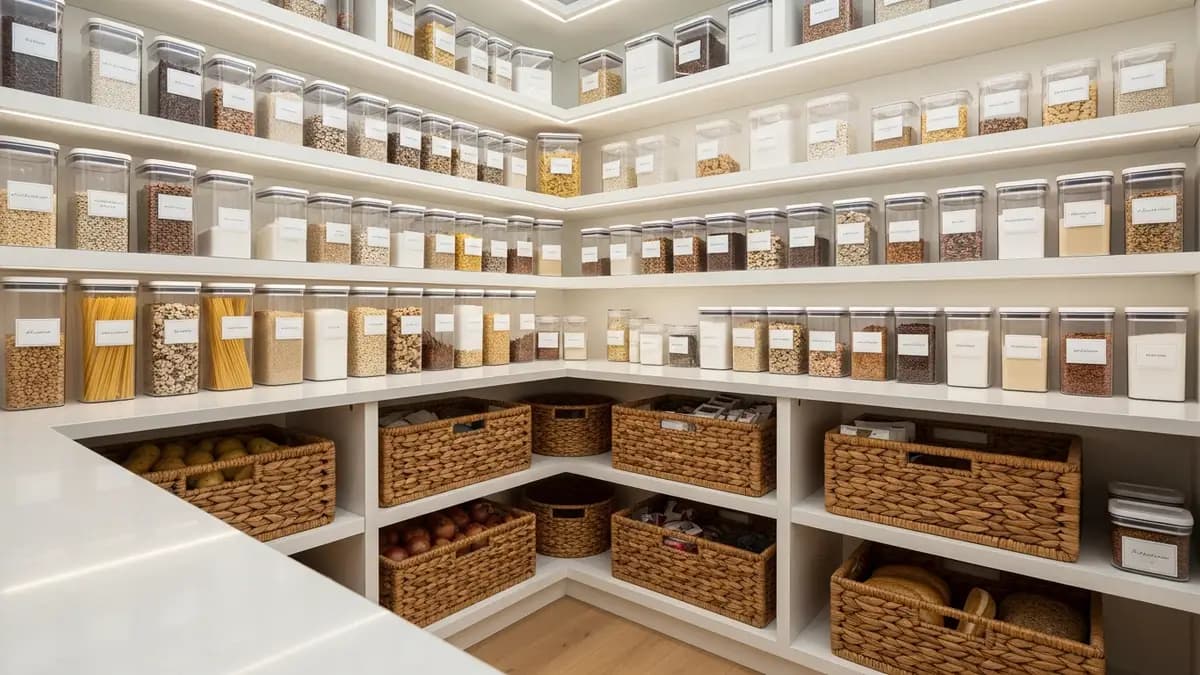
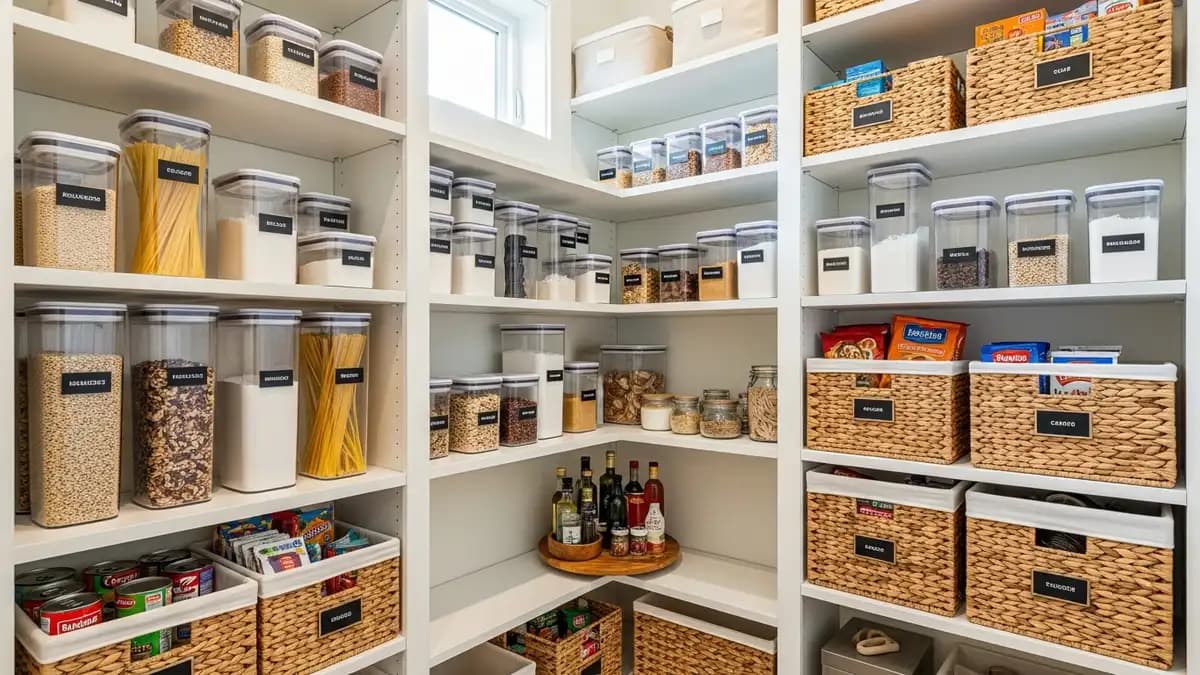
Modern plastic food containers organized on kitchen counter and pantry shelves for optimal food storage

Understanding Plastic Food Container Safety and Materials

When selecting wadah makanan plastik, understanding plastic safety codes is crucial for food safety. The recycling numbers on container bottoms indicate the type of plastic used, with numbers 1, 2, 4, and 5 being the safest for food storage. According to The Spruce, BPA-free plastics have become the industry standard in 2026, offering safer alternatives for food contact.

Key Safety Features to Look For

  • BPA-free certification - Essential for preventing harmful chemical leaching
  • Food-grade plastic materials - Ensures safe contact with consumables
  • Microwave-safe labeling - Allows for convenient reheating without safety concerns
  • Freezer-safe properties - Enables long-term frozen food storage
  • Dishwasher-safe construction - Simplifies cleaning and maintenance

The best wadah makanan plastik options feature polypropylene (PP) or polyethylene (PE) construction, offering excellent chemical resistance and durability. These materials maintain their integrity across temperature ranges from -40°F to 250°F, making them suitable for various storage needs.

BPA-free plastic food container with safety labels and recycling symbols for safe food storage

Step-by-Step Tutorial: Choosing the Right Plastic Food Containers

Selecting appropriate wadah makanan plastik requires careful consideration of your specific storage needs and kitchen requirements. This comprehensive tutorial will guide you through the selection process.

Step 1: Assess Your Storage Needs

    1
  1. Evaluate food types - Different foods require specific container features
  2. 2
  3. Measure storage spaces - Ensure containers fit in refrigerator and pantry areas
  4. 3
  5. Consider portion sizes - Match container volumes to typical serving amounts
  6. 4
  7. Plan for meal prep - Account for batch cooking and preparation needs

Step 2: Size Selection Strategy

Small containers (8-16 oz):

  • Perfect for sauces, dips, and condiments
  • Ideal for individual snack portions
  • Great for storing chopped herbs and spices

Medium containers (2-4 cups):

  • Excellent for leftover meals and side dishes
  • Suitable for marinating proteins
  • Perfect for packed lunch preparations

Large containers (6+ cups):

  • Ideal for bulk storage of dry goods
  • Perfect for large batch cooking storage
  • Excellent for family-sized meal prep

Research from Real Simple indicates that households using properly sized containers reduce food waste by up to 35% compared to those using mismatched storage solutions.

Essential Features of High-Quality Plastic Food Containers

Modern wadah makanan plastik incorporate advanced features that enhance functionality and user experience. Understanding these features helps you make informed purchasing decisions for your kitchen organization needs.

Airtight Sealing Systems

Quality plastic containers feature sophisticated sealing mechanisms that prevent air infiltration and moisture loss. Silicone gaskets and snap-lock lids create hermetic seals that maintain food freshness for extended periods. These sealing systems are particularly crucial for:

  • Dry goods storage - Prevents staleness and pest infiltration
  • Fresh produce - Maintains optimal humidity levels
  • Prepared meals - Preserves flavors and prevents odor transfer
  • Liquid storage - Ensures leak-proof transportation and storage
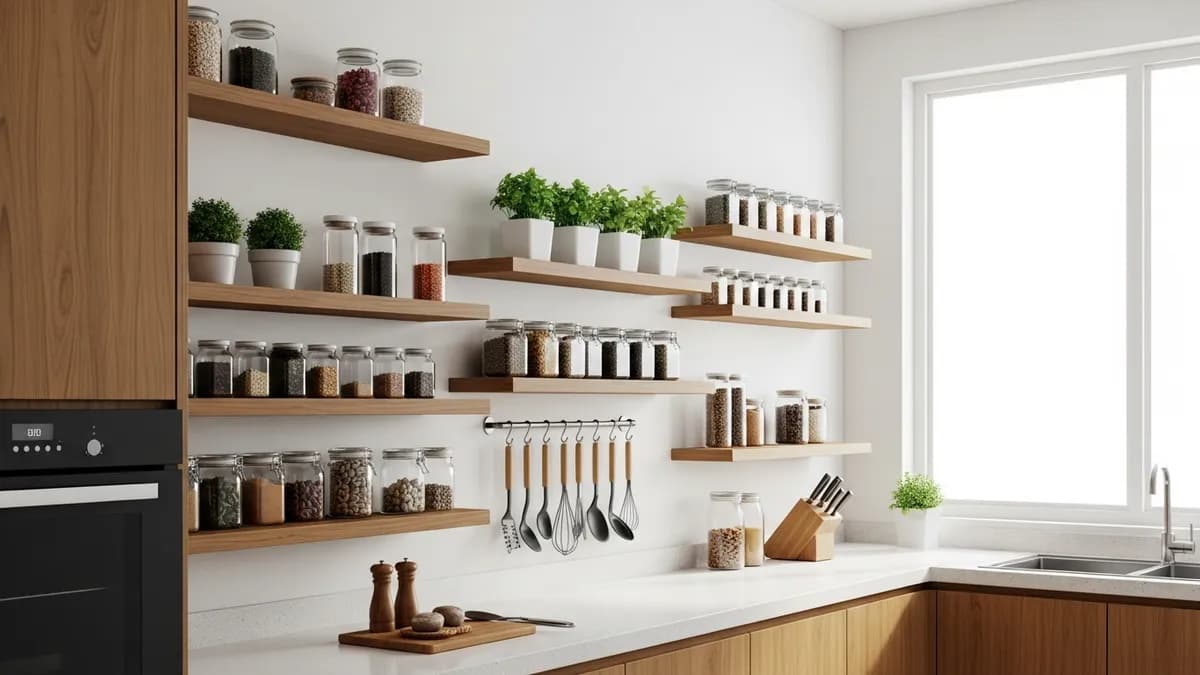
Tutorial demonstration of proper food storage techniques using plastic containers for meal prep organization

Stackable and Modular Designs

Efficient wadah makanan plastik systems feature stackable designs that maximize storage space utilization. Modular systems with uniform base dimensions allow for organized pantry and refrigerator arrangements. Benefits include:

    1
  1. Space optimization - Up to 50% more storage capacity in same area
  2. 2
  3. Visual organization - Clear sight lines to stored contents
  4. 3
  5. Easy access - Simplified retrieval and replacement processes
  6. 4
  7. Inventory management - Better tracking of food supplies

Tutorial: Proper Food Storage Techniques with Plastic Containers

Maximizing the effectiveness of wadah makanan plastik requires proper storage techniques and best practices. This tutorial covers essential methods for different food categories.

Storing Fresh Produce

Vegetables:

  • Pre-wash and thoroughly dry leafy greens before storage
  • Use ventilated containers for items requiring air circulation
  • Store cut vegetables in airtight containers with minimal air space
  • Add paper towels to absorb excess moisture

Fruits:

  • Store berries unwashed in breathable containers
  • Keep cut fruits in airtight containers with lemon juice to prevent browning
  • Separate ethylene-producing fruits from sensitive items
According to kitchen organization experts, proper produce storage in quality plastic containers can extend freshness by 3-7 days compared to original packaging.

Meal Prep Storage Guidelines

Effective meal preparation relies heavily on appropriate wadah makanan plastik usage. Follow these guidelines for optimal results:

Protein storage:

  • Cool cooked proteins completely before containerizing
  • Use shallow containers for rapid cooling and even temperature distribution
  • Label with cooking date and consumption timeline
  • Store different proteins separately to prevent cross-contamination

Grain and starch storage:

  • Allow rice and pasta to cool before sealing
  • Add moisture barrier sheets for extended storage
  • Use larger containers to prevent compression
Collection of different plastic food container types showing various sizes and functions for kitchen organization

Maintenance and Care for Long-lasting Plastic Food Containers

Proper maintenance extends the lifespan of wadah makanan plastik and ensures continued food safety. Regular care prevents odor retention, staining, and seal degradation.

Daily Cleaning Procedures

Immediate post-use care:

  • Rinse containers immediately after emptying
  • Pre-treat stained areas with baking soda paste
  • Remove gaskets and lids for thorough cleaning
  • Air dry completely before storage

Deep cleaning methods:

    1
  1. Vinegar solution - Removes odors and mineral deposits
  2. 2
  3. Baking soda scrub - Eliminates stains and residue
  4. 3
  5. Lemon treatment - Brightens plastic and removes odors
  6. 4
  7. UV sanitizing - Natural disinfection through sunlight exposure

Storage and Organization Tips

Maximize your home organization efficiency with these wadah makanan plastik storage strategies:

  • Nest containers - Store smaller containers inside larger ones
  • Group by function - Organize containers by intended use
  • Label systems - Use consistent labeling for easy identification
  • Inventory rotation - Regularly assess and replace worn containers

Common Mistakes to Avoid with Plastic Food Containers

Understanding common errors in wadah makanan plastik usage helps prevent food spoilage, container damage, and safety issues.

Temperature-Related Errors

Microwave misuse:

  • Never microwave containers not labeled microwave-safe
  • Remove lids during heating to prevent pressure buildup
  • Allow heated containers to cool before handling
  • Use microwave-safe covers to prevent splattering

Freezer storage mistakes:

  • Leave expansion space for freezing liquids
  • Avoid rapid temperature changes that can crack plastic
  • Use freezer-specific containers for long-term storage
  • Label with freezing dates for proper rotation

Cleaning and Maintenance Errors

Common mistakes that reduce container lifespan include:

  • Using abrasive cleaners that scratch surfaces
  • Storing containers while still damp
  • Ignoring gasket maintenance and replacement
  • Exposing containers to extreme temperature variations

Cost-Effective Shopping Strategies for Plastic Food Containers

Smart shopping for wadah makanan plastik involves balancing quality, functionality, and budget considerations. Understanding value propositions helps maximize your investment.

Budget-Friendly Options

Quality plastic containers start at approximately $2-5 per piece for basic models, with premium options ranging from $8-15. Consider these factors when evaluating cost-effectiveness:

Value indicators:

  • Warranty coverage and replacement policies
  • Multi-piece set discounts and bulk pricing
  • Versatility across different food storage needs
  • Durability ratings and expected lifespan

Investment considerations:

    1
  1. Initial cost vs. longevity - Higher quality often provides better long-term value
  2. 2
  3. Replacement frequency - Cheaper containers may need frequent replacement
  4. 3
  5. Food waste reduction - Quality containers can save money by preserving food longer
  6. 4
  7. Energy efficiency - Better seals reduce refrigerator workload

Check out Sesoris's collection for professional-grade plastic food containers that balance quality and affordability.

Environmental Considerations and Sustainable Practices

Responsible use of wadah makanan plastik involves considering environmental impact and implementing sustainable practices throughout the product lifecycle.

Eco-Friendly Usage Practices

Longevity maximization:

  • Proper care extends container lifespan by 200-300%
  • Regular maintenance prevents premature replacement
  • Appropriate usage prevents damage and degradation
  • Rotation systems ensure even wear across container sets

End-of-life considerations:

  • Recycling according to local guidelines and plastic type
  • Repurposing for non-food storage applications
  • Proper disposal to prevent environmental contamination
  • Choosing containers made from recycled materials when available

According to The Spruce, well-maintained plastic food containers can serve households for 5-10 years, significantly reducing environmental impact compared to disposable alternatives.

FAQ: Frequently Asked Questions About Plastic Food Containers

Q: Are plastic food containers safe for storing hot foods?

Only containers specifically labeled as heat-resistant and BPA-free should be used for hot foods. Allow foods to cool to room temperature before storing in standard plastic containers to prevent chemical leaching and container warping.

Q: How can I remove odors from plastic food containers?

Soak containers in a solution of white vinegar and water (1:1 ratio) for 30 minutes, then wash with baking soda paste. For persistent odors, leave containers in direct sunlight for natural UV sanitization.

Q: What's the difference between food-grade and regular plastic?

Food-grade plastics meet FDA standards for direct food contact, ensuring they don't contain harmful additives or release toxic substances. Always look for food-safe certifications when purchasing wadah makanan plastik.

Q: How long do plastic food containers typically last?

Quality plastic containers can last 5-10 years with proper care. Replace containers showing cracks, persistent odors, or cloudy appearance, as these indicate degradation that may affect food safety.

Q: Can I use plastic containers for acidic foods?

Yes, but choose containers specifically rated for acidic foods. Polypropylene and polyethylene plastics handle acidic foods better than other types. Avoid storing highly acidic foods for extended periods in any plastic container.

Conclusion

Wadah makanan plastik remain essential tools for modern kitchen organization and food storage in 2026. By understanding safety considerations, proper selection criteria, and maintenance practices, you can maximize the benefits of these versatile storage solutions. Quality plastic containers offer excellent value when chosen appropriately and maintained properly, contributing to reduced food waste and improved kitchen efficiency. Explore Sesoris's comprehensive selection of premium plastic food containers to find the perfect storage solutions for your home organization needs.

Weekly Home Tips

Get home organization ideas, product picks, and exclusive deals delivered weekly.

No spam. Unsubscribe anytime.